
1. Introduction to Protein and Fat Distribution Patterns

This chapter explores the intersection of dietary protein and body composition, specifically how protein intake may influence where fat is stored and lost. The concept of "fat distribution patterns" refers to the genetically and hormonally influenced tendency for individuals to store adipose tissue in specific areas, such as the abdomen (android/visceral fat) or hips and thighs (gynoid/subcutaneous fat). While genetics are a primary driver, emerging research suggests dietary and lifestyle factors can modulate these patterns.
Protein is a critical macronutrient with several well-established physiological roles that are relevant to body composition:
- Increased Satiety: Protein is highly satiating, which can naturally reduce overall caloric intake, a foundational principle for fat loss.
- Thermic Effect of Food (TEF): Digesting and metabolizing protein requires more energy compared to carbohydrates or fats, slightly increasing daily energy expenditure.
- Muscle Protein Synthesis (MPS): Adequate protein, especially when paired with resistance training, supports the maintenance and growth of lean muscle mass. Preserving muscle is crucial during weight loss to ensure the majority of weight lost comes from fat stores.
The evidence for protein's role in general fat loss and muscle preservation is robust. However, the claim that specific high-protein foods can "transform" or "spot-reduce" fat distribution patterns requires careful interpretation. High-quality evidence does not support the idea that eating certain foods will selectively remove fat from one body area. Instead, a sustained calorie deficit drives overall fat loss, and genetics largely dictate the order in which fat is lost from different depots.
Clinical Insight: The potential link between protein and fat distribution is more nuanced. Some research indicates that higher-protein diets may be associated with a greater loss of visceral fat—the metabolically active fat stored around abdominal organs—compared to lower-protein diets, even with similar total weight loss. This is significant because reducing visceral fat is strongly linked to improved metabolic health. The mechanisms are thought to involve improved insulin sensitivity and modulation of appetite-regulating hormones. This evidence, while promising, is not definitive and individual responses vary widely.
Therefore, the recipes in this article are best viewed as tools to support a holistic, evidence-based approach to improving body composition. They are designed to help you achieve adequate protein intake, which can facilitate fat loss, preserve metabolically active muscle, and may offer a slight advantage in targeting unhealthy visceral fat.
Who should exercise caution? Individuals with pre-existing kidney disease should not increase protein intake without consulting their nephrologist. Those with liver disease or certain metabolic disorders should also seek personalized medical advice. For the general population, incorporating high-protein meals is safe, but balance and overall dietary quality remain paramount.
2. Scientific Evidence on Protein's Role in Body Composition
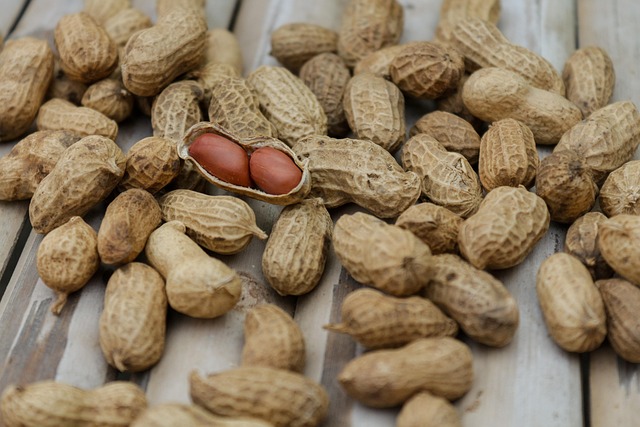
The relationship between dietary protein and body composition is one of the more robust areas of nutritional science. High-quality evidence consistently supports protein's role in promoting fat loss while preserving lean mass, a process critical for transforming body shape. This effect is underpinned by several physiological mechanisms.
Firstly, protein has a high thermic effect of food (TEF), meaning the body expends more energy digesting and metabolizing it compared to fats or carbohydrates. This modestly increases daily energy expenditure. More significantly, adequate protein intake supports muscle protein synthesis, which is essential for maintaining or building lean tissue. During a calorie deficit, sufficient protein intake acts as a protective signal, helping the body prioritize fat stores for energy over muscle mass.
- Appetite Regulation: Protein is highly satiating. It increases levels of hormones like peptide YY and GLP-1 that promote fullness while reducing levels of the hunger hormone ghrelin. This can lead to a natural, sustainable reduction in calorie intake.
- Metabolic Advantage: Preserving or increasing lean muscle mass through adequate protein intake helps maintain a higher resting metabolic rate, as muscle tissue is more metabolically active than fat tissue.
Clinical trials, including meta-analyses of randomized controlled studies, strongly support that higher-protein diets (typically defined as 1.2–2.0 grams per kilogram of body weight per day) are superior to standard-protein diets for:
- Enhancing fat loss.
- Improving the ratio of fat loss to muscle loss during weight reduction.
- Supporting better weight maintenance after loss.
Clinical Perspective: While the evidence for protein's benefits in body recomposition is strong, it is not a standalone solution. Its efficacy is maximized within the context of a controlled calorie intake and, crucially, a structured resistance training program. The goal is a synergistic effect: training provides the stimulus for muscle adaptation, and protein provides the necessary building blocks.
It is important to note limitations and cautions. Most research has been conducted over months, not years, and long-term sustainability of very high intakes requires individual assessment. Individuals with pre-existing kidney disease should not increase protein intake without consulting their nephrologist. Those with liver disease or certain metabolic disorders should also seek medical guidance. For the general healthy population, distributing protein intake evenly across meals appears more effective for muscle synthesis than consuming most at one meal.
In summary, the scientific evidence positions dietary protein as a key, evidence-based tool for favorably altering body composition by promoting fat loss and lean mass preservation, primarily through enhanced satiety, increased energy expenditure, and direct support of muscle metabolism.
3. Risks and Contraindications for High-Protein Dietary Approaches

While high-protein diets can be effective for body composition goals, they are not universally appropriate. A clinically responsible approach requires understanding the potential risks and clear contraindications for specific populations.
The most well-established risks are for individuals with pre-existing kidney disease. High protein intake increases glomerular filtration rate and can accelerate the decline of renal function in those with compromised kidneys. For this group, a high-protein diet is contraindicated and protein intake must be medically managed.
For individuals with healthy kidneys, the long-term risks are less clear. Large-scale observational studies have not consistently linked high protein intake to kidney damage in this population. However, the evidence is mixed, and caution is warranted for those at risk for kidney stones, particularly from animal proteins high in purines.
Other key considerations include:
- Liver Disease: Impaired liver function can hinder the metabolism of protein and ammonia, making protein restriction necessary in advanced cases.
- Metabolic Disorders: Certain inborn errors of metabolism, like phenylketonuria (PKU) or some urea cycle disorders, require strict, lifelong protein limitation.
- Bone Health: High intake of animal protein, especially without adequate fruit and vegetable consumption, may increase calcium excretion. The net effect on bone mineral density remains an area of ongoing research.
Practical implementation also carries risks. A diet disproportionately high in protein often displaces other essential food groups, potentially leading to deficiencies in fiber, vitamins, and phytonutrients. This can negatively impact gut health and overall nutritional status.
Who should consult a physician or dietitian before starting a high-protein regimen? This includes individuals with:
- Known kidney or liver disease
- A history of kidney stones
- Gout
- Pregnancy or lactation
- Older adults with sarcopenia, where needs differ
- Those taking multiple medications
In summary, while high-protein diets can be a tool for altering body composition, they are a medical intervention for some. A personalized assessment of kidney function, metabolic health, and overall dietary pattern is essential for safety and long-term efficacy.
4. Practical Tips for Using High-Protein Recipes Safely

Incorporating high-protein recipes into your dietary pattern can be a sound nutritional strategy, but it requires a balanced and informed approach to be both effective and safe. The goal is to support metabolic health and body composition, not to simply maximize protein intake at the expense of other critical nutrients.
Prioritize Whole Food Sources
Focus on obtaining protein from diverse, minimally processed sources. This ensures you also consume essential micronutrients, fiber, and healthy fats. A balanced plate might include:
- Lean animal proteins: Chicken breast, turkey, fish, eggs, and plain Greek yogurt.
- Plant-based proteins: Lentils, chickpeas, black beans, tofu, tempeh, and edamame.
- Dairy: Cottage cheese, skyr, and milk.
This variety helps prevent nutritional deficiencies and supports overall gut health.
Integrate, Don't Isolate
A high-protein meal is not a license to neglect other macronutrients. For sustained energy, hormone regulation, and satiety, each meal should also contain:
- Complex carbohydrates: Such as quinoa, sweet potato, or whole-grain bread.
- Healthy fats: From sources like avocado, nuts, seeds, or olive oil.
- Non-starchy vegetables: To provide volume, fiber, and phytonutrients.
Clinical Perspective: While high-protein diets are well-supported for improving satiety and preserving lean mass during weight loss, evidence for their ability to specifically "transform" or "spot-reduce" fat distribution patterns is more limited. Body fat loss follows a genetically influenced pattern. Adequate protein supports the metabolic process, but it does not dictate where fat is lost from.
Hydration and Kidney Health
Metabolizing protein increases the kidneys' workload. It is crucial to maintain excellent hydration by drinking water consistently throughout the day. For most healthy individuals, a higher protein intake is safe, but certain populations must exercise caution and consult a physician.
Who Should Seek Medical Advice First?
Consult with a healthcare provider, such as a registered dietitian or your doctor, before significantly increasing dietary protein if you have:
- Pre-existing kidney disease or reduced kidney function.
- Liver disease.
- A history of gout or kidney stones.
- Are pregnant or breastfeeding (nutritional needs are specific).
- Are on multiple medications (potential for interactions).
Finally, listen to your body. Signs of excessive protein intake can include digestive discomfort, constipation, or unusual fatigue. Use these recipes as part of a holistic, sustainable approach to eating, not as a short-term, extreme intervention.
5. When to Consult a Healthcare Professional
While a high-protein diet can be a useful tool for body composition management, it is not universally appropriate. The concept of "transforming fat distribution patterns" through diet alone is nuanced. Evidence suggests that overall weight loss and resistance training can influence body shape, but the claim that specific recipes can target fat distribution is not strongly supported by high-quality clinical data. Dietary changes should be integrated into a broader, medically sound health plan.
Consulting a healthcare professional is strongly advised before making significant dietary changes, particularly for individuals with pre-existing medical conditions. A physician or registered dietitian can provide personalized guidance that accounts for your complete health profile.
You should seek professional advice if you fall into any of the following categories:
- Chronic Kidney Disease (CKD): High protein intake can increase the glomerular filtration rate and may accelerate the progression of kidney disease in individuals with compromised renal function.
- Liver Disease: Impaired liver function can affect protein metabolism and ammonia clearance, making high-protein diets potentially hazardous.
- Pregnancy or Lactation: Nutritional needs are highly specific during these periods. Protein requirements increase, but the source and balance of macronutrients should be carefully managed by an obstetrician or dietitian.
- History of Eating Disorders: Focusing on specific macronutrients or "transformative" diets can trigger disordered eating patterns and relapse.
- Polypharmacy or Specific Medications: Certain medications, such as some for diabetes or hypertension, may require dietary adjustments. A change in protein intake can affect blood sugar and electrolyte balance.
- Unexplained Weight Changes or Metabolic Concerns: If you experience sudden weight loss, gain, fatigue, or other symptoms, these should be evaluated by a doctor to rule out underlying conditions like thyroid dysfunction or diabetes before dietary intervention.
Clinical Perspective: From a medical standpoint, the primary goal is metabolic health, not just body shape. A clinician will assess if a dietary shift is safe and necessary for you. They can order baseline tests (e.g., renal function, lipid panels) to establish a safe starting point and monitor for adverse effects. Self-prescribing a high-protein diet can mask symptoms or exacerbate unknown conditions.
In summary, while exploring nutritional strategies is positive, it must be done with caution. Professional guidance ensures that your approach to changing body composition is effective, sustainable, and, most importantly, safe for your individual health status.
6. Questions & Expert Insights
Can high-protein recipes really change where my body stores fat?
No single food or recipe can "target" fat loss from specific areas like the abdomen or thighs. The concept of "transforming fat distribution patterns" refers to the broader metabolic effects of a sustained, high-protein dietary pattern within a calorie-controlled diet. Protein increases satiety and the thermic effect of food (the energy used to digest it), which can support a reduction in overall body fat. As total fat decreases, your genetic and hormonal predisposition largely dictates the order in which fat is lost from different areas. High-protein diets, when combined with resistance training, are well-supported by evidence to help preserve or build lean muscle mass. This shift in body composition—more muscle, less fat—can fundamentally alter your physique's shape and how fat is distributed, even if you cannot spot-reduce.
What are the potential risks or side effects of a high-protein diet, and who should be cautious?
While generally safe for healthy individuals, a significant and sustained increase in protein intake is not appropriate for everyone. Primary concerns include strain on kidney function in individuals with pre-existing chronic kidney disease (CKD), as their kidneys may struggle to excrete the additional nitrogenous waste. High intake of certain animal proteins can also increase urinary calcium excretion, a consideration for those at risk for kidney stones. Individuals with liver disease should consult a doctor, as impaired liver function can affect protein metabolism. Furthermore, diets overly focused on protein may inadvertently become deficient in fiber, antioxidants, and other phytonutrients if they displace fruits, vegetables, and whole grains. It's crucial to ensure dietary balance.
When should I talk to a doctor before trying a high-protein eating plan?
Consult a physician or a registered dietitian before making significant dietary changes if you have any chronic health condition, especially kidney or liver disease. This is also prudent if you are pregnant, breastfeeding, have a history of disordered eating, or take multiple medications. For the conversation, come prepared with specifics: note your current typical diet, your goals, and the specific recipes or protein targets you're considering. Ask direct questions: "Given my history of [condition], is this level of protein safe?" and "How can we monitor my kidney function or other relevant markers if I proceed?" A healthcare provider can help tailor the approach, order baseline blood tests (like a basic metabolic panel to check kidney function), and integrate the diet into your overall health plan safely.
How long does it take to see changes in body composition from this approach?
Physiological changes occur in phases. Initial changes in water weight and digestion may happen within days, but measurable changes in fat mass and muscle composition typically require a minimum of 4-8 weeks of consistent adherence to both the dietary pattern and a complementary exercise program, particularly strength training. The rate of change depends heavily on factors like starting body composition, overall calorie intake, training intensity, sleep, and stress levels. High-quality evidence from body composition studies shows that significant transformations are the result of long-term habits, not short-term interventions. Manage expectations and focus on non-scale victories like increased strength, better energy, and clothes fitting differently, as these often precede major changes on the scale or in the mirror.
7. In-site article recommendations
8. External article recommendations
9. External resources
The links below point to reputable medical and evidence-based resources that can be used for further reading. Always interpret them in the context of your own situation and your clinician’s advice.
-
healthline healthline.comhigh-protein diets – Healthline (search)
-
wikipedia wikipedia.orghigh-protein diets – Wikipedia (search)
-
mayoclinic mayoclinic.orghigh-protein diets – Mayo Clinic (search)
These external resources are maintained by third-party organisations. Their content does not represent the editorial position of this site and is provided solely to support readers in accessing additional professional information.