
1. Introduction to Plant-Based Diets and Satiety
Adopting a plant-based dietary pattern, which emphasizes whole foods like vegetables, fruits, legumes, whole grains, nuts, and seeds, is associated with several well-documented health benefits. One area of significant scientific interest is its potential to enhance satiety—the feeling of fullness and satisfaction after a meal that helps regulate subsequent food intake. Understanding the mechanisms behind this can empower individuals to make more satisfying and sustainable food choices.
The satiating power of plant-based meals is largely attributed to their nutrient composition. These diets are typically rich in two key components:
- Dietary Fiber: Found abundantly in plant foods, fiber adds bulk to meals without adding significant calories. It slows gastric emptying and promotes the release of satiety hormones like peptide YY (PYY) and glucagon-like peptide-1 (GLP-1).
- Protein: While often associated with animal products, many plant foods are excellent sources of protein. Legumes (beans, lentils, chickpeas), tofu, tempeh, and certain whole grains contribute to satiety by modulating hunger hormones and requiring more energy to metabolize.
Furthermore, the high volume and water content of many vegetables and fruits allow for larger, more visually satisfying portions with a lower energy density (calories per gram). This can lead to reduced calorie intake while still promoting a feeling of fullness, a principle supported by numerous observational and intervention studies.
Clinical Perspective: From a clinical standpoint, the evidence for plant-based diets promoting satiety and aiding in weight management is robust, particularly in the short to medium term. However, it's important to note that long-term adherence is the critical factor for sustained benefits. Individual responses can vary based on gut microbiome composition, food preparation methods, and overall dietary pattern quality—not all plant-based foods (e.g., highly processed snacks) are equally satiating.
While the general evidence is strong, certain individuals should exercise caution or seek tailored medical advice before making significant dietary shifts. This includes those with existing kidney disease who may need to monitor plant-based protein sources, individuals with irritable bowel syndrome (IBS) who may need to manage fiber intake carefully, and those with a history of restrictive eating disorders. Consulting a registered dietitian or physician can help ensure nutritional adequacy, particularly for nutrients like vitamin B12, iron, calcium, and omega-3 fatty acids.
This foundation in the science of satiety sets the stage for practical application. The following recipes are designed to leverage these principles, combining fiber, protein, and volume to create dinners that support lasting fullness.
2. Scientific Mechanisms Underlying Fullness
The sensation of fullness, or satiety, is a complex physiological process regulated by the brain in response to signals from the digestive system. Plant-based dinners can be particularly effective at promoting lasting fullness through several well-established mechanisms.
Key Satiety Mechanisms
The primary drivers of satiety from plant-based meals include:
- High Fiber Content: Dietary fiber, especially soluble fiber (e.g., from oats, beans, lentils), absorbs water, forming a gel-like substance in the stomach. This slows gastric emptying, prolonging the physical sensation of fullness. Fiber also undergoes fermentation in the colon, producing short-chain fatty acids that further stimulate satiety hormone release.
- High Volume and Low Energy Density: Vegetables and fruits are high in water and fiber but low in calories. This allows for larger, more visually satisfying portions that distend the stomach, activating stretch receptors that signal fullness to the brain.
- Protein and Healthy Fats: Legumes, tofu, tempeh, nuts, and seeds provide plant-based protein and unsaturated fats. Both nutrients are potent stimulators of hormones like peptide YY (PYY) and glucagon-like peptide-1 (GLP-1), which reduce appetite and delay subsequent eating.
Evidence and Considerations
The evidence for fiber and protein's role in satiety is robust and consistently supported by randomized controlled trials. The effect of volume/energy density is also well-documented. However, individual responses can vary based on gut microbiome composition and metabolic health.
Clinical Insight: While these mechanisms are sound, satiety is one component of weight management. Lasting fullness supports reduced caloric intake, but overall energy balance, nutrient adequacy, and individual health conditions are paramount. For individuals with certain gastrointestinal disorders (e.g., IBS, IBD), a rapid increase in high-fiber foods can cause discomfort and should be approached gradually under medical guidance.
Those with kidney disease should consult a physician or dietitian regarding protein intake from plant sources, as some are high in potassium and phosphorus. While generally beneficial, shifting to a high-fiber, plant-based diet should be done progressively to allow the gut to adapt.
3. Risks and Contraindications
While a plant-based diet is associated with numerous health benefits, a transition to such meals requires mindful planning to avoid potential nutritional shortfalls and adverse effects. This is particularly relevant when the goal is lasting fullness, as it often involves a significant increase in fiber and specific food components.
Nutritional Considerations and Deficiencies
A primary risk of an unplanned plant-based diet is the inadequate intake of certain nutrients that are less abundant or less bioavailable in plants. Focusing solely on fullness without nutritional balance can lead to deficiencies over time.
- Protein Quality and Completeness: Plant proteins (except for soy and quinoa) are often incomplete, lacking one or more essential amino acids. Relying on a single protein source in a meal may not support optimal muscle maintenance and satiety signaling. Combining complementary proteins (e.g., beans with rice) within the same day is advised.
- Vitamin B12: This critical nutrient for nerve function and blood cell formation is not available from plant foods (unless fortified). Deficiency can develop slowly but cause significant neurological damage. Those following a strict plant-based diet long-term should consult a physician about supplementation.
- Iron and Zinc: The non-heme iron in plants is less readily absorbed. Consuming vitamin C-rich foods (like bell peppers or citrus) with meals can enhance absorption. Zinc bioavailability from plants is also lower. Regular monitoring may be necessary for some individuals.
Digestive and Individual Health Concerns
The high fiber content that promotes fullness can also pose challenges, especially with a rapid dietary shift.
- Gastrointestinal Distress: A sudden, large increase in dietary fiber from legumes, cruciferous vegetables, and whole grains can cause bloating, gas, and abdominal discomfort. It is crucial to increase fiber intake gradually and ensure adequate hydration.
- Existing Medical Conditions: Individuals with Irritable Bowel Syndrome (IBS), Inflammatory Bowel Disease (IBD), or a history of bowel obstructions should tailor fiber intake carefully, potentially focusing on low-FODMAP or cooked vegetables. Those with kidney disease may need to monitor potassium and phosphorus intake from certain plant foods.
- Medication Interactions: The high vitamin K content in leafy greens can interfere with blood-thinning medications like warfarin. Consistency in intake is key, and any dietary changes must be discussed with a prescribing doctor.
Clinical Perspective: From a clinical standpoint, the goal is not to discourage plant-based eating but to promote a well-planned approach. The risks are largely manageable with knowledge and preparation. I strongly recommend that individuals with chronic health conditions (e.g., diabetes, kidney disease, gastrointestinal disorders), those who are pregnant or breastfeeding, and anyone on long-term medication have a conversation with their physician or a registered dietitian before making significant dietary changes. This ensures personal nutritional needs and medical contraindications are appropriately addressed.
In summary, the path to lasting fullness through plant-based dinners is safest when navigated with an awareness of these potential pitfalls. Prioritizing variety, gradual change, and professional guidance for at-risk individuals transforms a simple recipe into a sustainable component of long-term health.
4. Practical Implementation Strategies
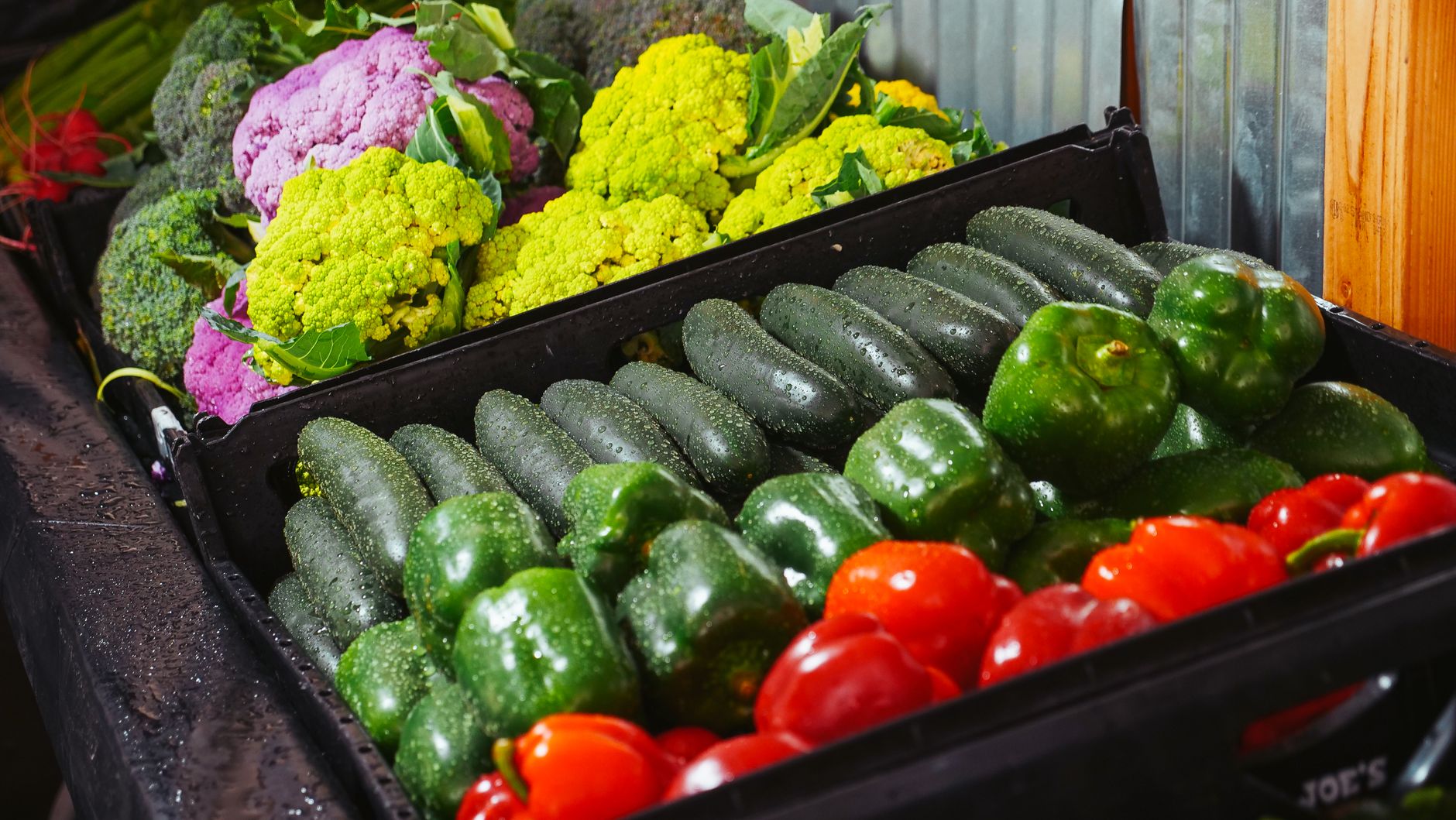
Successfully integrating plant-based dinners for sustained satiety requires a strategic approach beyond simply following recipes. The goal is to create a sustainable dietary pattern that supports energy levels, nutrient intake, and long-term adherence.
Begin by focusing on the nutritional architecture of your plate. Evidence consistently supports that meals high in fiber and protein promote greater feelings of fullness. Aim to combine these elements in every dinner:
- Prioritize Protein: Include a substantial plant-based protein source such as lentils, chickpeas, tofu, tempeh, or edamame. A serving of 20-30 grams of protein per meal is a common target supported by satiety research.
- Maximize Fiber: Build meals around high-fiber vegetables (like broccoli, Brussels sprouts, and leafy greens) and whole grains (such as quinoa, brown rice, or farro). Fiber adds bulk and slows digestion.
- Incorporate Healthy Fats: A moderate amount of fat from sources like avocado, nuts, seeds, or olive oil can enhance flavor and further slow gastric emptying, contributing to prolonged satiety.
Practical meal assembly is key. Dedicate time for weekly meal planning and batch preparation. Cook large portions of foundational ingredients—grains, legumes, roasted vegetables—to streamline assembling varied dinners throughout the week. This reduces reliance on less-satiating, processed convenience foods.
Clinical Consideration: While increasing dietary fiber is broadly recommended, individuals with certain gastrointestinal conditions (e.g., Irritable Bowel Syndrome, inflammatory bowel disease in remission) or those new to high-fiber diets should increase intake gradually and with adequate hydration to minimize discomfort. Those with chronic kidney disease should consult a physician or dietitian regarding appropriate portions of plant-based proteins, as some are high in potassium and phosphorus.
Mindful eating practices significantly influence satiety cues. Eat without distractions, chew thoroughly, and pause mid-meal to assess your hunger level. This allows your body's natural satiety signals, which can be delayed, to register fully.
Finally, view this as a flexible framework, not a rigid prescription. Adjust portions based on your individual energy needs, activity level, and hunger signals. The most effective strategy is one that is nutritionally sound, personally enjoyable, and consistently maintained.
5. When to Consult a Healthcare Provider

While a diet rich in whole, plant-based foods is widely associated with health benefits, individual health contexts vary significantly. It is a responsible practice to consult a healthcare provider before making substantial dietary changes, particularly for individuals with pre-existing medical conditions or specific nutritional needs.
You should consider scheduling a consultation with your doctor or a registered dietitian in the following situations:
- Managing a Chronic Medical Condition: If you have diabetes, kidney disease, cardiovascular disease, or a gastrointestinal disorder (e.g., IBS, IBD), dietary shifts can impact medication efficacy, electrolyte balance, and symptom management. Professional guidance is essential.
- History of Disordered Eating: For individuals with a history of anorexia, bulimia, or orthorexia, a focus on specific dietary patterns can sometimes trigger unhealthy behaviors. A healthcare team can help ensure dietary changes support both physical and mental health.
- Experiencing Persistent Adverse Symptoms: If you experience significant bloating, gas, abdominal pain, or changes in bowel habits that do not resolve after a typical adjustment period (a few weeks), this may indicate an intolerance, allergy, or underlying condition requiring evaluation.
- Concerns About Nutrient Adequacy: If you are pregnant, breastfeeding, planning a pregnancy, or are an older adult, your nutritional requirements (e.g., for iron, B12, calcium, protein) are heightened. A provider can help you plan a diet that meets these increased needs.
- Taking Medications Affected by Diet: Certain medications, such as blood thinners (e.g., warfarin), thyroid medications, or some antibiotics, can interact with high intakes of specific plant foods like leafy greens or soy. Dosage adjustments may be necessary.
Clinical Perspective: From a clinical standpoint, the transition to a more plant-based diet is generally safe for most people. However, the key is individualization. A provider can review your medical history, current medications, and lab results to identify potential pitfalls—such as the risk of nutrient deficiencies (vitamin B12, iron, omega-3s) that are more common in strictly plant-based diets—and help you mitigate them through strategic food choices or supplementation. This proactive approach turns a dietary change into a sustainable, health-supporting plan.
In summary, while the recipes in this article are designed around evidence-based principles for satiety and nutrition, they are not a substitute for personalized medical advice. Consulting a healthcare professional ensures your dietary choices align safely and effectively with your overall health strategy.
6. Questions & Expert Insights
Can a plant-based dinner really keep me full until morning?
Yes, when strategically composed, a plant-based meal can promote significant satiety. The key lies in combining macronutrients known to slow digestion and trigger fullness signals. A dinner rich in dietary fiber (from vegetables, legumes, and whole grains) adds bulk and slows gastric emptying. Pairing this with a source of plant-based protein (like lentils, tofu, or tempeh) and healthy fats (from avocado, nuts, or seeds) further enhances satiety by influencing hormones like cholecystokinin (CCK) and peptide YY. However, individual responses vary based on metabolism, activity level, and the specific volume and caloric density of the meal. A large salad with minimal protein or fat may not be as sustaining as a balanced bowl of chili with beans and avocado.
Are there any risks or people who should be cautious with high-fiber plant-based dinners?
Yes. A rapid, significant increase in dietary fiber—common when adopting plant-based meals—can cause gastrointestinal distress, including bloating, gas, and abdominal cramping. It's crucial to increase fiber intake gradually and ensure adequate hydration. Specific populations should exercise particular caution and consult a doctor. This includes individuals with active Inflammatory Bowel Disease (IBD) flares, certain gastrointestinal strictures, or a history of bowel obstructions. Those with chronic kidney disease need to be mindful of potassium and phosphorus levels, which can be high in legumes, nuts, and certain vegetables. Anyone with a history of or active eating disorder should approach any prescriptive dietary change under the guidance of a healthcare team.
When should I talk to my doctor or a dietitian about changing my diet, and what should I bring?
Consult a physician or registered dietitian before making major dietary shifts if you have a chronic health condition (e.g., diabetes, kidney disease, heart disease, IBS/IBD), are pregnant or breastfeeding, take medications (especially blood thinners like warfarin, which interact with vitamin K in leafy greens), or have a history of nutritional deficiencies. For the appointment, bring a 3-day food diary detailing what you currently eat, a list of your medications and supplements, and your specific goals (e.g., "improve satiety," "lower cholesterol"). Discuss the recipes you're considering. This allows the professional to provide personalized advice, adjust for your health status, and monitor relevant lab values (like iron, B12, or kidney function) that can be affected by a plant-based diet.
Is the "fullness" from these meals just due to high volume and water content?
Not entirely. While the high volume and water content of vegetables contribute to stomach distension—a primary physical signal of fullness—the mechanism is more complex. The fiber in these plants is fermented by gut bacteria, producing short-chain fatty acids (SCFAs) like acetate and propionate, which have been shown in research to directly stimulate satiety hormones. Furthermore, the protein and fat components trigger hormonal responses (e.g., GLP-1, CCK) that signal the brain to reduce appetite. So, the satiety is a combined effect: immediate mechanical fullness from volume and longer-term biochemical signaling from nutrient digestion and gut microbiome activity. However, for very active individuals or those with higher caloric needs, focusing solely on low-calorie-density volume may lead to unintentional undereating.
7. In-site article recommendations
8. External article recommendations
9. External resources
The links below point to reputable medical and evidence-based resources that can be used for further reading. Always interpret them in the context of your own situation and your clinician’s advice.
-
wikipedia wikipedia.orgplant-based dinner recipes – Wikipedia (search)
-
mayoclinic mayoclinic.orgplant-based dinner recipes – Mayo Clinic (search)
-
healthline healthline.complant-based dinner recipes – Healthline (search)
These external resources are maintained by third-party organisations. Their content does not represent the editorial position of this site and is provided solely to support readers in accessing additional professional information.