
1. Introduction to Apple Cider Vinegar and Digestive Health
Apple cider vinegar (ACV) is a fermented liquid made from crushed apples, yeast, and sugar. Its production yields acetic acid, the primary active compound, along with trace amounts of other acids, vitamins, and minerals. In the context of digestive health, ACV is often discussed for its potential to influence stomach acidity, gut motility, and microbial balance. This chapter provides a foundational, evidence-based overview of these proposed mechanisms and the current state of scientific understanding.
The interest in ACV for digestion stems from several physiological hypotheses:
- Acidification: Dilute ACV may temporarily increase stomach acid (gastric acidity), which is theorized to aid protein digestion and the absorption of certain minerals.
- Glycemic Control: Acetic acid may modestly slow gastric emptying and influence enzymes that break down carbohydrates, potentially leading to a blunted post-meal blood sugar rise.
- Antimicrobial Properties: In laboratory settings, acetic acid shows activity against certain pathogens, suggesting a possible, though not fully understood, role in supporting a balanced gut microbiota.
It is crucial to distinguish between these plausible mechanisms and proven clinical outcomes. While some small-scale human studies and animal research support these ideas, the overall body of high-quality, long-term evidence specifically linking ACV to improved digestive health in humans remains limited. Many popular claims are extrapolated from preliminary data or traditional use.
Clinical Perspective: From a gastroenterological standpoint, ACV is not a standard medical treatment for digestive disorders. Its effects are generally considered mild and variable between individuals. It should not replace diagnosis or treatment for conditions like gastroesophageal reflux disease (GERD), peptic ulcers, or small intestinal bacterial overgrowth (SIBO).
Furthermore, ACV is not appropriate for everyone. Specific individuals should exercise caution or avoid its use without first consulting a healthcare provider:
- Those with gastroparesis, ulcers, or GERD, as acid may exacerbate symptoms.
- Individuals with chronic kidney disease, due to potential electrolyte imbalances.
- People taking medications such as diuretics, insulin, or certain diabetes drugs, due to potential interactions.
- Anyone with a history of esophageal problems or dental enamel erosion.
This introduction frames ACV as a substance of interest with mechanistic rationale, but one requiring a balanced and cautious approach. The following chapters will explore specific applications, detailing the strength of evidence for each and emphasizing safe, practical implementation.
2. Evidence-Based Mechanisms and Research Findings
The purported digestive benefits of apple cider vinegar (ACV) are attributed to its primary constituent, acetic acid, and its status as a fermented product. The evidence supporting these mechanisms varies in strength, with some based on established biochemistry and others on preliminary or mixed human data.
The most robust mechanism is ACV's potential to modulate postprandial glycemia. Acetic acid can inhibit the activity of digestive enzymes like amylase and sucrase, slowing the breakdown of complex carbohydrates into simple sugars. This may lead to a more gradual rise in blood glucose and insulin after a meal, a factor relevant to digestive comfort and metabolic health. Several small, short-term human trials support this effect, though the magnitude can vary.
For gastric emptying and satiety, the evidence is more nuanced. Some animal and limited human studies suggest acetic acid may delay gastric emptying, which could promote a feeling of fullness. However, this same mechanism might exacerbate symptoms of gastroparesis (delayed stomach emptying) in susceptible individuals.
The claim that ACV improves digestion by increasing stomach acidity is a common but oversimplified narrative. While the acetic acid itself is acidic, it does not directly or significantly raise the stomach's intrinsic hydrochloric acid (HCl) production. For individuals with clinically low stomach acid (achlorhydria), the direct acidity of the vinegar might theoretically aid protein breakdown, but this is not a substitute for medical diagnosis and treatment.
Clinical Perspective: The antimicrobial properties of acetic acid against pathogens like E. coli and S. aureus are well-documented in laboratory settings. However, translating this to a meaningful prebiotic or antimicrobial effect within the complex human gut microbiome is speculative. There is no high-quality evidence that ACV reliably alters gut flora in a beneficial way for digestive health.
Key research findings highlight this evidence gradient:
- Glycemic Control: Multiple small RCTs show ACV can modestly lower post-meal blood sugar and insulin responses in healthy and insulin-resistant adults.
- Gastric Emptying: A single small study in patients with type 1 diabetes (a group prone to gastroparesis) found ACV significantly delayed gastric emptying, indicating a need for caution in this population.
- GERD & Heartburn: Evidence is contradictory and largely anecdotal. While some use it for relief, its acidity can potentially irritate the esophageal lining and worsen symptoms for many with gastroesophageal reflux disease (GERD).
Who should exercise caution? Individuals with gastroparesis, GERD, peptic ulcers, or a history of hypokalemia (low potassium) should consult a physician before regular use. The acidity can also erode tooth enamel; drinking it diluted and not brushing teeth immediately after is advised.
3. Risks, Contraindications, and Populations to Avoid
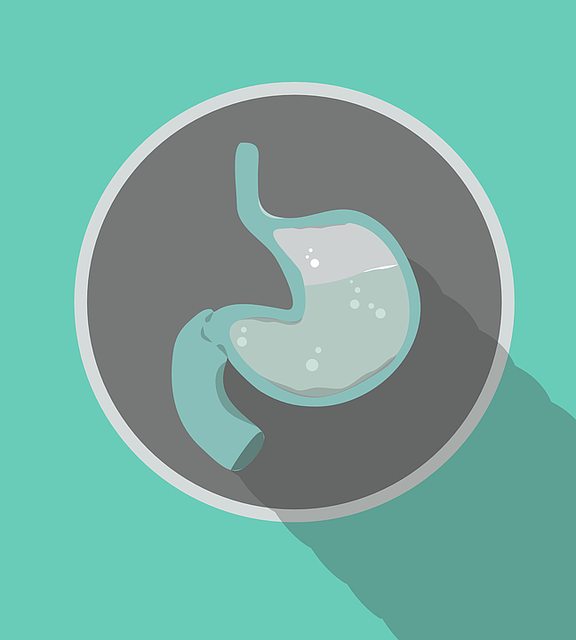
While apple cider vinegar (ACV) is often promoted for digestive wellness, its use is not without potential adverse effects. A balanced, evidence-informed approach requires a clear understanding of its risks and contraindications to ensure safety.
Common Adverse Effects and Risks
The primary risks are related to its high acidity and potential interactions. Common, well-documented adverse effects include:
- Tooth Enamel Erosion: Direct, undiluted contact can demineralize enamel. Always dilute ACV in water and consider drinking through a straw.
- Esophageal Irritation: The acetic acid can irritate or burn the esophageal lining, potentially worsening symptoms of heartburn or gastroesophageal reflux disease (GERD) in some individuals.
- Delayed Gastric Emptying (Gastroparesis): Preliminary studies suggest vinegar may slow stomach emptying. This could be problematic for individuals with existing gastroparesis, often associated with diabetes.
- Drug Interactions: ACV may potentiate the effects of diuretics, insulin, and insulin-sensitizing drugs (like metformin), and potassium-lowering drugs, leading to hypoglycemia or hypokalemia.
Specific Populations to Avoid or Exercise Extreme Caution
Certain individuals should avoid ACV for digestive purposes or consult a healthcare provider before use:
- Individuals with Peptic Ulcer Disease or Erosive Esophagitis: The acid can exacerbate mucosal injury and pain.
- Those with Chronic Kidney Disease: Impaired kidneys may not effectively handle the acid load or regulate potassium, increasing the risk of metabolic acidosis or electrolyte disturbances.
- People on Medication for Diabetes or Heart Disease: As noted, interactions with diabetes medications, diuretics, and digoxin are possible.
- Individuals with a History of Eating Disorders: Its use for weight or appetite control can reinforce unhealthy behaviors.
- Pregnant and Breastfeeding Individuals: While topical use is likely safe, the evidence for internal use during these periods is insufficient to confirm safety.
In summary, while ACV is a popular folk remedy, its application for digestive health carries documented risks that outweigh potential benefits for many. A consultation with a physician or registered dietitian is strongly advised for anyone with a pre-existing medical condition or who is taking regular medication before incorporating ACV into a health regimen.
4. Practical Applications and Evidence-Informed Uses
To translate the theoretical benefits of apple cider vinegar (ACV) into practical use, it is essential to adopt a measured, evidence-informed approach. The following applications are based on the most common uses in traditional and complementary medicine, with a clear assessment of the supporting science.
1. Diluted Pre-Meal Tonic
The most common method is consuming 1–2 tablespoons (15–30 mL) of ACV diluted in a large glass of water (approximately 8 oz/240 mL) 20–30 minutes before a meal. This practice is primarily aimed at modulating postprandial glycemia and potentially enhancing gastric emptying. Evidence is mixed: some small human trials show a modest reduction in post-meal blood sugar spikes, while others show no significant effect on satiety or weight loss. The acidity may also trigger heartburn in some individuals.
2. Incorporation into Dressings and Foods
Using ACV as a culinary ingredient in salad dressings, marinades, or sauces is a low-risk way to include it in the diet. This method avoids the potential for esophageal irritation from drinking straight vinegar and contributes to a meal's overall flavor profile. Any digestive benefits in this format are likely to be subtle and incidental.
Clinical Insight: From a gastroenterology perspective, the pre-meal tonic is often anecdotally reported to alleviate bloating. However, this may be a placebo effect or related to increased water intake promoting gastric distension and satiety. There is no high-quality evidence to support ACV as a treatment for specific digestive disorders like IBS or GERD, and it may exacerbate symptoms in acid-reflux conditions.
Practical Considerations and Cautions
- Always Dilute: Never consume ACV undiluted. Its high acetic acid content can erode tooth enamel and irritate the oropharyngeal and esophageal mucosa.
- Timing: If trying the pre-meal method, maintain consistency for 2–4 weeks to assess any subjective benefit, but have realistic expectations given the limited evidence.
- Medication Interactions: Those on diabetes medications (especially insulin or sulfonylureas), diuretics, or potassium-lowering drugs should consult a physician first, as ACV may potentiate hypoglycemia or hypokalemia.
- Who Should Avoid: Individuals with gastroparesis, peptic ulcer disease, gastroesophageal reflux disease (GERD), or a history of esophageal injury should typically avoid this practice, as it can worsen symptoms.
In summary, practical use of ACV for digestion should be viewed as a low-risk dietary experiment for generally healthy individuals, not a proven therapeutic intervention. Discontinue use if any adverse effects, such as heartburn or nausea, occur.
5. Safety Protocols and When to Consult a Healthcare Provider
While apple cider vinegar (ACV) is a popular home remedy, its use requires a measured and cautious approach. The evidence supporting its benefits for digestive health is preliminary and often based on small-scale studies or anecdotal reports. Adhering to safety protocols is essential to mitigate potential risks and ensure responsible use.
Essential Safety Guidelines
To minimize adverse effects, follow these key protocols:
- Always Dilute: Never consume ACV undiluted. Its high acidity can erode tooth enamel, irritate the throat, and damage the esophageal lining. A standard dilution is one to two tablespoons in a large glass of water.
- Limit Quantity: More is not better. Stick to a maximum of one to two tablespoons (15-30 mL) per day, divided into doses if necessary. Higher intakes significantly increase risks without proven additional benefit.
- Timing Matters: Consuming it directly before bed can increase the risk of acid reflux. Drinking it through a straw and rinsing your mouth with water afterward can help protect dental enamel.
- Monitor Interactions: ACV may interact with certain medications, including diuretics, insulin, and drugs for diabetes and heart disease, by potentiating their effects or causing electrolyte imbalances.
Clinical Insight: From a gastroenterology perspective, the primary concern with ACV is its low pH. For individuals with even mild, undiagnosed gastroesophageal reflux disease (GERD) or esophagitis, introducing a strong acid can exacerbate symptoms and cause tissue damage. It should not be viewed as a substitute for evidence-based treatments for acid-related disorders.
Who Should Exercise Caution or Avoid Use?
Specific populations and conditions warrant particular caution or complete avoidance of ACV supplementation:
- Individuals with Gastroparesis: ACV is sometimes suggested to aid gastric emptying, but in those with diagnosed gastroparesis, it can worsen symptoms and is not recommended without direct medical supervision.
- People with Kidney Disease: Impaired kidneys may not effectively handle the acid load or potential shifts in potassium levels.
- Those with Osteoporosis or on Potassium-Lowering Drugs: Theoretical concerns exist regarding bone mineral density and hypokalemia with chronic, high-dose use.
- Pregnant or Breastfeeding Individuals: Due to a lack of safety data, it is prudent to avoid therapeutic doses beyond typical culinary amounts.
- Anyone with a History of Eating Disorders: Using ACV for purported weight or appetite control can be triggering and is strongly discouraged.
When to Consult a Healthcare Provider
You should seek professional medical advice before starting ACV if you:
- Have a diagnosed digestive condition (e.g., GERD, ulcers, IBD).
- Are taking prescription medications, especially for diabetes, heart disease, or diuretics.
- Experience persistent symptoms like heartburn, abdominal pain, bloating, or changes in bowel habits. ACV should not be used to self-treat these without a proper diagnosis.
- Plan to use it consistently for more than a few weeks.
Discontinue use immediately and consult your provider if you experience severe throat or stomach pain, nausea, vomiting, or signs of an allergic reaction. Responsible use hinges on recognizing ACV as a food product with limited clinical evidence, not a proven therapeutic agent.
6. Questions & Expert Insights
Is apple cider vinegar proven to help with acid reflux or heartburn?
This is a common area of confusion. The "acid reflux paradox" suggests that for some individuals, low stomach acid may be the underlying issue, and a small amount of diluted acid (like ACV) might help improve digestion and reduce reflux symptoms. However, this theory is not strongly supported by robust clinical trials. For the majority of people with gastroesophageal reflux disease (GERD), introducing more acid can irritate the esophageal lining and worsen symptoms. The evidence is largely anecdotal. If you choose to try it, start with a very small amount (e.g., 1 teaspoon in a full glass of water) with a meal and monitor your response closely. If symptoms increase, discontinue use immediately.
What are the main risks and side effects of using apple cider vinegar regularly?
Even when diluted, regular ACV consumption carries several documented risks. The primary concern is dental enamel erosion due to its high acetic acid content, which is irreversible. It can also irritate the throat. When ingested in large quantities or undiluted, it may cause nausea, delayed stomach emptying (gastroparesis), and lower potassium levels. Topical use can cause chemical burns. Critically, ACV can interact with several medications, including diuretics ("water pills"), insulin, and certain diabetes and heart medications, altering their effectiveness or increasing side effects. These risks underscore why it should never be consumed casually as a daily "tonic."
Who should absolutely avoid using apple cider vinegar for digestive issues?
Several groups should avoid ACV unless explicitly advised otherwise by their physician. This includes individuals with: peptic ulcers or gastritis (acid can worsen inflammation), chronic kidney disease (impaired ability to handle acid/base balance), and GERD or hiatal hernia (high risk of symptom exacerbation). It is also contraindicated for those with a history of eating disorders, as it can be misused for purging. Pregnant or breastfeeding individuals should exercise caution due to a lack of safety data. Anyone on the medications mentioned previously should consult their doctor or pharmacist before use.
When should I talk to my doctor about using ACV, and what should I bring to the appointment?
You should consult a doctor before starting ACV if you have any chronic digestive symptoms (like persistent bloating, pain, or reflux), a diagnosed medical condition, or are taking any regular medications. Come to the appointment prepared to discuss: 1) Your specific symptoms and their duration, 2) A complete list of all medications and supplements you take, including dosages, and 3) Your precise reason for considering ACV and what you hope it will achieve. This allows your doctor to assess for underlying conditions (like H. pylori infection or motility disorders) that ACV cannot treat and could mask. A healthcare provider can help you weigh the unproven, anecdotal benefits against the concrete risks for your personal health profile.
7. In-site article recommendations
8. External article recommendations
9. External resources
The links below point to reputable medical and evidence-based resources that can be used for further reading. Always interpret them in the context of your own situation and your clinician’s advice.
-
examine examine.comapple cider vinegar – Examine.com (search)
-
wikipedia wikipedia.orgapple cider vinegar – Wikipedia (search)
-
healthline healthline.comapple cider vinegar – Healthline (search)
These external resources are maintained by third-party organisations. Their content does not represent the editorial position of this site and is provided solely to support readers in accessing additional professional information.