
1. Introduction to Smoothies in Health Contexts

Within a health and nutrition context, smoothies are blended beverages that combine whole foods, typically fruits, vegetables, liquids, and optional protein or fat sources. Their role in supporting energy and body composition is not inherent to the format itself, but is determined by their specific ingredients, nutrient density, and how they are integrated into an individual's overall dietary pattern.
Evidence supporting the benefits of smoothies is largely tied to the nutritional merits of their components. For instance:
- Strong evidence supports increased intake of fruits, vegetables, and dietary fiber for improved metabolic health and satiety.
- More limited or mixed evidence exists for smoothies as a direct tool for "fat loss." Outcomes depend entirely on whether the smoothie creates a calorie deficit and supports nutrient needs without displacing other whole foods.
When constructed thoughtfully, smoothies can offer practical advantages:
- Nutrient Density: They can efficiently deliver vitamins, minerals, antioxidants, and fiber.
- Satiety and Portion Control: Including protein (e.g., Greek yogurt, protein powder), healthy fats (e.g., nut butter, avocado), and fiber can promote fullness, potentially aiding in appetite regulation.
- Convenience: They provide a portable option for increasing produce intake, which can be beneficial for individuals with busy schedules.
Clinical Perspective: From a dietary management standpoint, smoothies are a strategy, not a solution. Their impact on blood sugar can vary dramatically—a smoothie high in simple carbohydrates and low in protein/fiber may cause a rapid glucose spike, while a balanced one may have a more moderate effect. They should be evaluated as part of a meal plan, not in isolation.
Important cautions must be noted. Individuals with kidney disease may need to monitor potassium and phosphorus content from certain ingredients like spinach, bananas, or dairy. Those with type 2 diabetes or prediabetes should pay close attention to carbohydrate sources and total sugar. People with a history of eating disorders or disordered eating patterns should approach any prescriptive meal-replacement strategy with caution and under professional guidance.
Consulting a physician or a registered dietitian is advisable before making significant dietary changes, particularly for individuals with chronic health conditions, food allergies, or those taking medications that may interact with certain nutrients (e.g., vitamin K and blood thinners).
2. Evidence-Based Mechanisms for Energy and Fat Loss
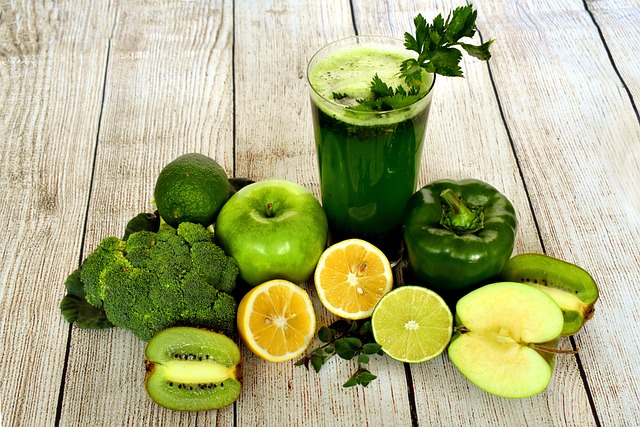
Understanding the physiological mechanisms behind the ingredients in energy and fat-loss smoothies is crucial for setting realistic expectations. The proposed benefits primarily operate through established principles of nutrition science, though the evidence for the specific combination in a smoothie format is often indirect.
Mechanisms for Sustained Energy
Smoothies can support energy levels by addressing common dietary gaps and promoting stable blood glucose. Key mechanisms include:
- Low Glycemic Load: Blending whole fruits and vegetables with fiber, healthy fats (e.g., from nuts, seeds, or avocado), and protein (e.g., from Greek yogurt or protein powder) slows the digestion and absorption of carbohydrates. This moderates insulin response and helps prevent the rapid spikes and crashes in blood sugar associated with fatigue.
- Micronutrient Provision: Ingredients like spinach, kale, and berries are rich in B-vitamins (e.g., folate, B6) and minerals like magnesium and iron, which are essential cofactors in cellular energy (ATP) production. A deficiency in these nutrients can directly impair energy metabolism.
- Hydration: The liquid base contributes to fluid intake, and mild dehydration is a well-documented cause of fatigue and reduced cognitive performance.
Mechanisms Supporting Fat Metabolism
The contribution to fat loss is largely indirect, functioning as a tool within a broader dietary pattern. Evidence for direct "fat-burning" properties of specific smoothie ingredients is generally preliminary.
- Calorie Deficit Facilitation: A well-formulated smoothie can be a satiating, nutrient-dense meal replacement or snack that is lower in calories than many processed alternatives. High fiber and protein content promote feelings of fullness (satiety), which may help reduce overall calorie intake.
- Dietary Quality Improvement: Replacing less nutritious options with a smoothie increases intake of fiber, antioxidants, and phytonutrients. This improves overall diet quality, which is strongly correlated with healthier body composition.
- Metabolic Support: Some ingredients, such as green tea (catechins) and caffeine, have evidence from controlled trials suggesting a modest increase in metabolic rate and fat oxidation. However, the effect size is small and should not be overstated.
Clinical Perspective: It is important to view these smoothies as part of a holistic lifestyle, not isolated solutions. The strongest evidence supports their role in improving dietary quality and satiety. Claims of dramatic or direct fat loss from any single food or drink are not supported by high-quality evidence. Individuals with kidney disease (due to high potassium content), those on blood thinners (due to vitamin K in leafy greens), or with specific metabolic disorders should consult a healthcare provider before making significant dietary changes.
In summary, the mechanisms are grounded in basic nutrition: promoting satiety, stabilizing energy, and increasing nutrient density. These factors collectively create an environment conducive to sustained energy and can support fat loss when they contribute to a sustained calorie deficit.
3. Risks, Contraindications, and Special Populations

While incorporating nutrient-dense smoothies can be a positive dietary strategy, a one-size-fits-all approach is not clinically appropriate. Certain ingredients, preparation methods, and underlying health conditions necessitate caution and professional guidance.
Nutritional and Metabolic Considerations
Smoothies, particularly those designed for energy and fat loss, can be concentrated sources of sugars, calories, and bioactive compounds. Unintended consequences may include:
- Blood Sugar Spikes: Recipes high in fruits, fruit juices, or sweeteners can cause rapid increases in blood glucose, which is a significant concern for individuals with insulin resistance, prediabetes, or diabetes mellitus.
- Excessive Caloric Intake: Adding multiple high-calorie ingredients like nut butters, seeds, coconut oil, or protein powders can transform a "healthy" drink into a calorie-dense meal replacement, potentially hindering fat loss goals.
- Nutrient Interactions: High doses of ingredients like spinach or kale (rich in vitamin K) can interfere with anticoagulant medications like warfarin. Similarly, large amounts of certain fruits (e.g., grapefruit) can inhibit crucial drug-metabolizing enzymes.
Specific Populations Requiring Medical Consultation
The following individuals should consult a physician or a registered dietitian before making significant dietary changes, including the regular use of functional smoothies:
- Individuals with Kidney Disease: Recipes high in potassium (from bananas, spinach, avocado) or added protein powders can place undue stress on compromised kidneys.
- Those with Gastrointestinal Disorders: High-fiber blends or specific ingredients (e.g., cruciferous vegetables, certain sugar alcohols in protein powders) may exacerbate symptoms of IBS, IBD, or gastroparesis.
- People with a History of Eating Disorders: The focus on "clean" ingredients, meal replacement, and fat loss can trigger unhealthy patterns and obsessive behaviors.
- Pregnant or Breastfeeding Women: Needs for specific nutrients and calories are heightened and unique; certain herbal additives or extremely high doses of vitamins (e.g., vitamin A) may be contraindicated.
- Individuals on Multiple Medications (Polypharmacy): As noted, the potential for food-drug interactions is substantial and requires professional review.
Clinical Perspective: From a medical standpoint, a smoothie is not a treatment but a dietary tool. Its safety and efficacy are entirely context-dependent on the individual's complete health profile. The evidence supporting specific "fat loss" smoothies is often preliminary, relying on the properties of individual ingredients rather than the blended recipe as a whole. Sustainable energy and weight management are achieved through comprehensive lifestyle patterns, not by any single food or drink.
A responsible approach involves using these recipes as potential components of a balanced diet, being mindful of personal tolerances and health conditions, and seeking personalized advice when any uncertainty exists.
4. Practical Clinical Guidance for Smoothie Integration
Integrating smoothies into a dietary regimen for energy and weight management requires a clinical and evidence-based approach. While whole foods are generally preferred for satiety and nutrient absorption, smoothies can be a practical tool when formulated with precision. The primary clinical objective is to ensure they contribute to a balanced daily intake without inadvertently promoting excessive calorie consumption or nutrient deficiencies.
To support sustainable energy, focus on a macronutrient-balanced profile. A clinically sound smoothie should contain:
- High-quality protein (e.g., whey, pea, or Greek yogurt): Evidence strongly supports protein's role in promoting satiety and preserving lean mass during caloric restriction.
- Dietary fiber (e.g., chia seeds, flaxseed, leafy greens): Adequate fiber intake is well-established for glycemic control and prolonged fullness.
- Healthy fats (e.g., avocado, nut butter): These slow gastric emptying, which can help stabilize energy levels.
For fat loss, the smoothie must be part of a calculated daily energy deficit. It is not a standalone solution. Treat it as a meal replacement only if it provides comparable satiety and nutritional completeness to the meal it replaces. Data on the superiority of liquid versus solid meals for weight loss is mixed, with some studies suggesting whole foods lead to better satiety.
Clinical Consideration: From a dietary adherence perspective, a well-designed smoothie can simplify nutrition for individuals with time constraints. However, clinicians should assess a patient's relationship with food; for some, liquid calories may not trigger the same psychological satiety signals, potentially leading to increased snacking later.
Specific populations should exercise caution or seek medical guidance before adopting a smoothie-centric routine:
- Individuals with kidney impairment may need to moderate high-potassium ingredients like spinach and bananas.
- Those with diabetes must carefully account for the total carbohydrate and sugar load, even from natural sources, to manage postprandial glucose.
- People with histamine intolerance or specific food allergies (e.g., to nuts, dairy, or soy) must select ingredients accordingly.
- Anyone with a history of eating disorders should avoid restrictive meal-replacement protocols unless under direct supervision of a healthcare team.
In practice, use smoothies as a component of a varied diet. Monitor your overall energy, hunger cues, and metabolic markers over time. Consult a registered dietitian or physician to personalize this approach, especially if managing a chronic health condition.
5. Safety Protocols and When to Consult Healthcare Providers

While incorporating nutrient-dense smoothies can be a positive dietary strategy, it is essential to approach them with clinical awareness. These recipes are not a substitute for a comprehensive, balanced diet or a licensed medical treatment plan. The evidence supporting specific "fat loss" or "energy" claims from individual ingredients is often preliminary, derived from small-scale studies on isolated compounds, and may not translate directly to the complex blend in a smoothie consumed by a diverse population.
Implementing basic safety protocols can help mitigate potential risks:
- Caloric Awareness: Smoothies can be calorie-dense. For weight management, they should be accounted for within your total daily energy needs, not simply added on top of your regular diet.
- Ingredient Interactions: Be mindful of food-drug interactions. For example, high-vitamin K greens (like kale and spinach) can interfere with blood-thinning medications like warfarin.
- Food Safety: Use fresh, washed produce and practice safe food handling to prevent foodborne illness, especially when using raw ingredients.
- Sugar Content: Monitor added sugars from sweeteners, juices, or large amounts of high-glycemic fruit, which can counteract metabolic health goals.
Clinical Perspective: From a medical standpoint, smoothies are a vehicle for nutrients, not a therapy. Their primary benefit lies in convenience and increasing intake of fruits, vegetables, and fiber. However, the rapid consumption of liquid calories may not trigger the same satiety signals as whole foods, potentially leading to overconsumption. Always consider the context of your overall dietary pattern.
Consult a healthcare provider before significantly altering your diet if you have:
- Chronic Kidney Disease: To manage potassium and phosphorus intake from ingredients like bananas, spinach, and nuts/seeds.
- Diabetes or Prediabetes: For guidance on carbohydrate counting and glycemic load to manage blood sugar effectively.
- Digestive Disorders: Such as IBS, IBD, or gastroparesis, as high-fiber or high-FODMAP ingredients may exacerbate symptoms.
- Food Allergies or Sensitivities: To ensure recipes avoid trigger ingredients.
- A History of Eating Disorders: As focusing on "clean" ingredients or meal replacement can be triggering.
- Pregnancy or Lactation: For advice on ingredient safety, such as avoiding unpasteurized juices or excessive amounts of certain herbs.
- Any Condition Requiring a Therapeutic Diet or if you are on multiple medications (polypharmacy).
Ultimately, these recipes are best viewed as one component of a sustainable lifestyle. For personalized advice, especially regarding underlying health conditions, consulting a registered dietitian or your physician is strongly recommended.
6. Questions & Expert Insights
Can a smoothie diet really help with sustainable fat loss?
Replacing one high-calorie, processed meal per day with a nutrient-dense, portion-controlled smoothie can create a caloric deficit, which is the fundamental requirement for fat loss. The sustainability comes from the inclusion of fiber (from vegetables, flaxseed) and protein (from Greek yogurt, protein powder), which promote satiety and help regulate blood sugar, potentially reducing overall calorie intake. However, labeling any diet as "revolutionary" is problematic. Smoothies are a tool, not a magic solution. Long-term success depends on overall dietary patterns, portion sizes, and lifestyle factors like physical activity and sleep. Relying solely on liquid meals can also disconnect you from hunger cues and may not support sustainable eating habits.
What are the potential risks or side effects of a high-smoothie regimen?
Several important risks require consideration. First, smoothies can be deceptively high in calories and sugars, especially from fruits, juices, or sweeteners, potentially leading to weight gain and blood sugar spikes if not carefully formulated. Second, excessive consumption of raw leafy greens like spinach or kale in very high volumes may pose a risk for individuals on blood thinners (like warfarin) due to vitamin K content, or for those with kidney issues due to oxalates. Third, a predominantly liquid diet can exacerbate symptoms for individuals with gastroesophageal reflux disease (GERD). Most critically, any restrictive pattern can be psychologically harmful for those with or at risk for eating disorders.
Who should avoid or be extremely cautious with these recipes?
Consult a physician before significantly changing your diet if you have: Kidney disease (due to potassium and oxalate content), Diabetes or prediabetes (requires careful carbohydrate and sugar management), GERD or severe IBS (raw fibers and FODMAPs may trigger symptoms), or a history of disordered eating. Individuals on specific medications, particularly blood thinners (e.g., warfarin) or diuretics, need to maintain consistent vitamin K and potassium intake. Pregnant or breastfeeding women should ensure recipes are pasteurized and avoid certain herbal additives. These recipes are not suitable as a sole source of nutrition.
When should I talk to my doctor or a dietitian about incorporating these smoothies?
It is prudent to consult a healthcare professional before starting if you have any chronic health condition, take regular medications, or have significant digestive concerns. For a productive conversation, bring: 1) A list of your current medications and supplements, 2) A sample recipe with its full ingredient list and approximate amounts, 3) A clear description of how you plan to use it (e.g., "breakfast replacement three times a week"). Ask specific questions like: "Given my [condition/medication], are any ingredients in this recipe a concern?" or "Does this align with my nutritional goals for [weight management, blood sugar control]?" A registered dietitian can provide personalized guidance on integrating such recipes into a balanced diet.
7. In-site article recommendations
8. External article recommendations
9. External resources
The links below point to reputable medical and evidence-based resources that can be used for further reading. Always interpret them in the context of your own situation and your clinician’s advice.
-
healthline healthline.comsmoothies – Healthline (search)
-
drugs drugs.comsmoothies – Drugs.com (search)
-
mayoclinic mayoclinic.orgsmoothies – Mayo Clinic (search)
These external resources are maintained by third-party organisations. Their content does not represent the editorial position of this site and is provided solely to support readers in accessing additional professional information.