
1. Introduction to Smoothies for Appetite Control

Integrating smoothies into a dietary strategy for appetite management is a concept supported by several nutritional principles. When formulated with specific ingredients, a smoothie can function as a satiating meal or snack, potentially helping to moderate overall caloric intake and reduce spontaneous hunger cues. The primary mechanisms involve increasing dietary fiber, protein, and fluid volume—all factors associated with enhanced feelings of fullness, or satiety.
The evidence for this approach is nuanced. A robust body of research consistently demonstrates that higher intakes of dietary fiber and protein promote satiety and can aid in weight management. For instance, viscous soluble fibers (like those in oats, chia seeds, and certain fruits) can slow gastric emptying and modulate gut hormones. Similarly, protein has a high thermic effect and influences key satiety hormones like peptide YY and GLP-1. The act of consuming a liquid meal may also have different satiety signaling compared to solid food, a point of ongoing research.
However, it is crucial to distinguish a carefully constructed, nutrient-dense smoothie from a high-calorie, sugar-laden beverage. The latter can contribute to excessive energy intake and blood sugar spikes followed by crashes, which may increase hunger. Therefore, the composition is paramount.
Key components of a smoothie designed for appetite control typically include:
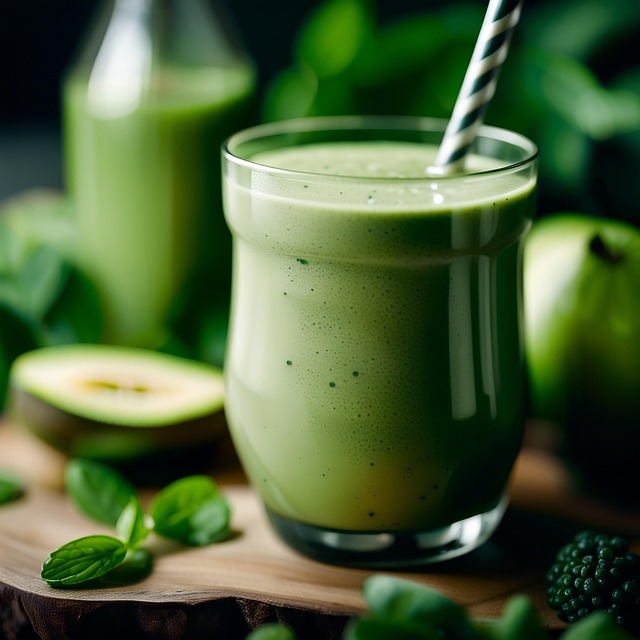
- High-Fiber Fruits and Vegetables: Berries, apples, spinach, and avocado add bulk and fiber with relatively low energy density.
- Quality Protein Sources: Greek yogurt, cottage cheese, protein powder, or silken tofu help sustain satiety over several hours.
- Healthy Fats: A small amount of nuts, seeds, or nut butter can further slow digestion and add palatability.
- Liquid Base: Water, unsweetened almond milk, or other low-calorie liquids keep the overall calorie count in check.
Clinical Consideration: While smoothies can be a convenient tool, they are not suitable for everyone. Individuals with diabetes must carefully account for the carbohydrate load and monitor blood glucose response. Those with kidney disease may need to limit high-potassium ingredients (like bananas and spinach) or high-protein additions. People with a history of eating disorders or disordered eating patterns should approach any prescriptive dietary tool with caution and under professional guidance. As with any significant dietary change, consulting a physician or registered dietitian is advisable, particularly for those with chronic health conditions or who are taking medications.
In summary, a smoothie is not an automatic solution for hunger but a potential vehicle for delivering a balanced, satiating mix of nutrients. Its effectiveness depends entirely on its ingredients and how it fits into an individual's overall dietary pattern. The following chapters will explore specific recipes that apply these evidence-based principles.
2. Mechanisms of Action and Supporting Evidence

The satiating effect of well-formulated smoothies is not a singular phenomenon but a result of several interacting physiological mechanisms. Understanding these mechanisms provides a rational basis for their use in appetite management.
Key Mechanisms of Action
Three primary, evidence-supported pathways contribute to the hunger-curbing potential of smoothies:
- Increased Dietary Fiber and Viscosity: Ingredients like chia seeds, flaxseed, oats, and leafy greens are rich in soluble fiber. This fiber forms a viscous gel in the stomach and small intestine, slowing gastric emptying and nutrient absorption. This process promotes the release of satiety hormones like cholecystokinin (CCK) and glucagon-like peptide-1 (GLP-1), leading to prolonged feelings of fullness.
- High Fluid and Volume Content: The liquid base (water, milk, etc.) and the overall volume of a smoothie contribute to gastric distension. Stretch receptors in the stomach wall signal to the brain that the stomach is full, a mechanism supported by studies showing that consuming foods or beverages with high water content can reduce subsequent energy intake.
- Macronutrient Composition: A balanced smoothie containing protein (e.g., from Greek yogurt, protein powder, or nuts) and healthy fats (e.g., from avocado or nut butter) further enhances satiety. Protein is particularly effective, as it has a high thermic effect and influences hormones like peptide YY (PYY) and ghrelin, the "hunger hormone."
Evaluating the Evidence
The evidence for these individual mechanisms is robust. For instance, systematic reviews consistently link higher intakes of dietary fiber and protein to increased satiety and reduced ad libitum food intake. The evidence for smoothies specifically as a superior tool is more nuanced.
Some clinical trials show that consuming a nutrient-dense, high-protein smoothie as a meal replacement can effectively promote fullness and reduce calorie intake at the next meal. However, results can vary based on the smoothie's exact formulation, calorie content, and the individual's metabolism. Liquid calories can sometimes be less satiating than solid food calories if the smoothie lacks fiber, protein, or is consumed too quickly.
Clinical Perspective: From a dietary strategy standpoint, a smoothie's effectiveness hinges on its composition. A smoothie high in refined sugars but low in fiber and protein may spike blood glucose and lead to a rapid return of hunger. The goal is a balanced, whole-food blend that leverages the mechanisms above. Individuals with conditions requiring careful fluid or potassium management (e.g., advanced kidney disease), those with diabetes monitoring carbohydrate intake, or anyone with a history of disordered eating should consult a healthcare provider or registered dietitian before using smoothies as a structured appetite-control tool.
3. Contraindications and Population-Specific Risks
While nutrient-dense smoothies can be a valuable component of a balanced diet, they are not universally appropriate. A clinically responsible approach requires identifying individuals for whom specific ingredients or the format itself may pose risks. The primary concerns often relate to underlying medical conditions, medication interactions, and the potential for nutritional imbalance.
Key Populations Requiring Caution
The following groups should consult a physician or a registered dietitian before incorporating new smoothie recipes, especially those designed for appetite control, into their routine.
- Individuals with Kidney Disease: Many "green" smoothies are high in potassium from spinach, kale, and bananas. For patients with compromised kidney function, impaired potassium excretion can lead to dangerous hyperkalemia. Oxalate content in greens like spinach is also a concern for those prone to kidney stones.
- Those on Specific Medications: High vitamin K content in leafy greens can interfere with the efficacy of blood thinners like warfarin, requiring consistent intake. Smoothies with grapefruit or its juice can inhibit enzymes that metabolize a wide range of medications, including certain statins and blood pressure drugs.
- People with Diabetes or Prediabetes: Even without added sugar, smoothies can concentrate natural sugars from fruits, leading to rapid blood glucose spikes. The blending process also breaks down fiber, potentially reducing its moderating effect on blood sugar compared to eating whole fruit.
- Individuals with a History of Eating Disorders: Recipes framed as "hunger-curbing" or "meal-replacing" can inadvertently reinforce restrictive eating patterns or an unhealthy focus on "clean" foods. The use of such recipes in this context is strongly discouraged without supervision from a mental health professional.
Clinical Insight: From a nutritional standpoint, a smoothie is not inherently healthier than a balanced meal of whole foods. The risk lies in viewing it as a "magic bullet" for weight or appetite management. For individuals with gastrointestinal issues like IBS, high-FODMAP ingredients (common in smoothies like mango, apple, or high-fiber additives) can trigger significant discomfort. Always consider the smoothie as part of the total daily dietary intake, not an isolated solution.
General Considerations for Safe Use
Evidence supporting the long-term superiority of smoothies for appetite control over other satiating meals is limited and mixed. To use them safely:
- Prioritize Protein and Fiber: Include sources like Greek yogurt, nut butter, chia seeds, or protein powder to promote satiety and blunt glycemic response.
- Monitor Portion Size: A smoothie can easily become a high-calorie beverage. Be mindful of calorie-dense additions like nuts, seeds, and avocados.
- Do Not Replace Medical Advice: These recipes are dietary suggestions, not treatments for medical conditions like obesity, hypertension, or metabolic syndrome. Their effectiveness is highly individual.
If you have any chronic health condition or take regular medication, a discussion with your healthcare provider is an essential first step before making significant dietary changes.
4. Practical Application and Dietary Integration
Integrating smoothies into your dietary pattern requires a strategic approach to ensure they contribute to satiety and nutritional adequacy without unintended consequences. The primary goal is to use them as a tool for dietary enhancement or substitution, not as an unregulated addition to your current intake.
A smoothie is most effective for hunger management when it replaces a less nutritious meal or snack, such as a pastry or a sugary cereal breakfast. To maximize satiety, construct your smoothie with a balanced macronutrient profile:
- Fiber: From whole fruits, vegetables (like spinach or avocado), chia seeds, or flaxseed.
- Protein: From Greek yogurt, cottage cheese, protein powder, or nut butters.
- Healthy Fats: From avocado, nuts, seeds, or a drizzle of olive oil.
This combination slows gastric emptying and promotes the release of satiety hormones, which is supported by a robust body of evidence on macronutrients and appetite regulation. However, evidence for specific "hunger-curbing" recipes is more preliminary, often based on the known properties of individual ingredients rather than large-scale trials on the smoothie formulations themselves.
For practical application, consider these steps:
- Plan the Timing: Use a substantial smoothie as a convenient breakfast or a pre- or post-workout meal to align with your energy needs.
- Mindful Consumption: Drink slowly, over 10-15 minutes, rather than quickly gulping. This allows satiety signals to reach the brain.
- Hydration Baseline: Do not rely on smoothies for hydration. Continue drinking water throughout the day.
Important Cautions: Individuals with kidney disease should be mindful of high-potassium ingredients like bananas and spinach. Those with fructose malabsorption may need to limit certain fruits. Anyone with a history of eating disorders or who is under medical supervision for weight management should discuss incorporating liquid meals with their healthcare provider or dietitian. Furthermore, smoothies are not a substitute for chewing whole foods, which has its own satiety and oral health benefits.
In summary, smoothies can be a practical component of a balanced diet when used intentionally. Their effectiveness for curbing hunger is most reliable when they are nutritionally complete, consumed as a planned meal replacement, and integrated into an overall pattern of mindful eating.
5. Safety Protocols and Indications for Medical Consultation
While incorporating nutrient-dense smoothies can be a supportive element of a balanced diet, it is essential to approach their use with clinical awareness. These recipes are not medical treatments and should not replace whole foods or structured meals without professional guidance. The evidence supporting specific ingredients for appetite control varies, with some components like soluble fiber (e.g., from chia seeds, oats) having strong support for promoting satiety, while others may have more preliminary or mixed data.
Certain individuals should exercise particular caution and consult a healthcare provider before making significant dietary changes, including the regular use of meal-replacement smoothies.
- Individuals with Chronic Medical Conditions: Those with diabetes must carefully account for the carbohydrate and sugar content to manage blood glucose. Patients with kidney disease may need to monitor potassium and phosphorus levels from ingredients like spinach, bananas, and nuts. Individuals with liver conditions or gallbladder issues should be mindful of high-fat additions like nut butters and avocados.
- Those on Medication: Some ingredients can interact with pharmaceuticals. For example, high-vitamin K foods (e.g., kale, spinach) can interfere with blood thinners like warfarin. Large amounts of citrus or certain greens may affect the metabolism of other drugs.
- People with a History of Disordered Eating: Using smoothies primarily for hunger suppression can inadvertently promote restrictive eating patterns. This approach is not recommended without supervision from a mental health professional specializing in eating disorders.
- Pregnant or Breastfeeding Individuals: Nutritional needs are specific during these periods. Ingredient safety (e.g., certain herbal additions) and caloric adequacy should be reviewed with an obstetrician or dietitian.
Clinical Perspective: From a medical standpoint, the primary safety protocol is to view these smoothies as complements to, not substitutes for, a varied diet. A significant red flag is using them to consistently skip meals, which can lead to nutrient deficiencies and metabolic adaptation. Always prioritize whole-food chewing, which triggers different satiety signals than liquid calories. If your goal is sustained weight management, these recipes should be integrated into a plan developed with a registered dietitian or physician.
Before beginning any new dietary regimen, schedule a consultation with your doctor or a registered dietitian. They can help you tailor choices to your personal health status, medications, and nutritional requirements, ensuring any dietary shift supports your overall well-being safely and effectively.
6. Questions & Expert Insights
Can a smoothie truly "curb hunger" better than solid food?
The effect of smoothies on satiety is nuanced and depends heavily on their composition and how they are consumed. Smoothies containing a balance of protein (e.g., Greek yogurt, protein powder), fiber (e.g., leafy greens, chia seeds, berries), and healthy fats (e.g., nut butter, avocado) can promote fullness by slowing gastric emptying and modulating hunger hormones like ghrelin. However, because they are liquid, they may be less satiating per calorie than whole foods requiring chewing, a process linked to increased satiety signals. The evidence is mixed; some studies show liquid meals can lead to less subsequent calorie compensation than solid meals. For best results, consume smoothies slowly and mindfully, not as a quick drink. They are a tool, not a guaranteed solution, and individual responses vary significantly.
Are there any risks or people who should avoid these hunger-curbing smoothies?
Yes, certain individuals should exercise caution or avoid this approach entirely. Those with kidney disease must be wary of smoothies high in potassium (from bananas, spinach, avocado) or added protein powders. Individuals with diabetes or prediabetes need to carefully manage carbohydrate content, as even natural sugars from fruit can significantly impact blood glucose. People with a history of eating disorders should be aware that focusing on "curbing hunger" can trigger unhealthy restrictive patterns. Those on blood thinners (e.g., warfarin) need to maintain consistent vitamin K intake; suddenly adding large amounts of leafy greens like kale or spinach can interfere with medication efficacy. Always consider your personal health context.
When should I talk to a doctor or dietitian about using smoothies for appetite management?
Consult a healthcare professional before starting if you have any chronic medical condition (e.g., diabetes, kidney disease, gastrointestinal disorders), are pregnant or breastfeeding, or take medications that interact with food. It is also prudent to seek guidance if you are considering replacing multiple meals daily or have a history of disordered eating. For the conversation, bring a detailed list of your typical smoothie ingredients (including brands of protein powders or supplements) and be prepared to discuss your overall dietary goals. A registered dietitian can help tailor recipes to your nutritional needs, ensure you're not missing essential nutrients from whole foods, and integrate smoothies safely into a balanced eating plan.
How strong is the evidence behind "revolutionary" ingredients like matcha or spirulina for hunger?
The evidence for specific "superfood" ingredients directly causing sustained hunger reduction is generally preliminary and should be interpreted with caution. For example, some small studies suggest compounds in matcha (catechins) may have a modest effect on metabolism and satiety, but results are inconsistent and often conflated with its caffeine content. Research on spirulina for appetite is very limited and primarily in animals. While these ingredients are nutrient-dense and can contribute to a healthy diet, claims of their revolutionary hunger-curbing properties are often overstated. The most reliable strategy for managing hunger is the well-established combination of adequate protein, fiber, and volume—whether these nutrients come from "trendy" or commonplace ingredients matters less.
7. In-site article recommendations
8. External article recommendations
9. External resources
The links below point to reputable medical and evidence-based resources that can be used for further reading. Always interpret them in the context of your own situation and your clinician’s advice.
-
wikipedia wikipedia.orgsmoothie recipes – Wikipedia (search)
-
mayoclinic mayoclinic.orgsmoothie recipes – Mayo Clinic (search)
-
healthline healthline.comsmoothie recipes – Healthline (search)
These external resources are maintained by third-party organisations. Their content does not represent the editorial position of this site and is provided solely to support readers in accessing additional professional information.