
1. Introduction to Satiety and Contextual Snacking
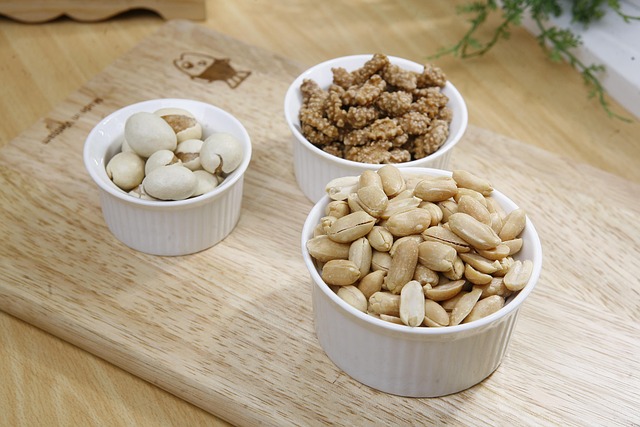
In the context of dietary management, the concept of satiety—the feeling of fullness and satisfaction that persists after eating—is a critical physiological signal. It helps regulate energy intake by curbing hunger between meals. Understanding the factors that influence satiety allows for more strategic food choices, which can support weight maintenance and overall metabolic health.
Foods promote satiety through several well-established mechanisms. The most robust evidence supports the roles of:
- Protein: High-quality protein sources have a high satiety value, influencing hormones like peptide YY and glucagon-like peptide-1 (GLP-1).
- Dietary Fiber: Soluble fiber, in particular, slows gastric emptying and promotes the release of satiety hormones.
- Volume and Water Content: Foods with high water and fiber content (e.g., vegetables, broth-based soups) add physical bulk to a meal, stretching the stomach and activating stretch receptors.
However, the effectiveness of a snack is not determined by its nutrient profile alone. Contextual snacking—considering the timing, purpose, and individual circumstances of eating between meals—is equally important. A snack chosen to fuel a long workout differs from one intended to manage mid-afternoon energy dips or emotional cravings.
Clinical Perspective: While the macronutrient principles of satiety are well-supported, individual responses can vary significantly due to factors like gut microbiota composition, insulin sensitivity, and habitual dietary patterns. Snacking is not universally necessary; for individuals with tightly regulated blood glucose or those practicing time-restricted eating, planned meals without snacks may be more appropriate. The goal is intentional consumption, not automatic grazing.
It is also crucial to acknowledge limitations in the evidence. Many satiety studies are short-term and conducted in controlled lab settings. Long-term adherence and real-world effectiveness of specific "satiety-promoting" snacks for weight control show more mixed results, underscoring the importance of overall dietary pattern and individual lifestyle.
Who should exercise caution? Individuals with specific medical conditions, such as chronic kidney disease (requiring protein restriction), certain gastrointestinal disorders (sensitive to high-fiber foods), or a history of disordered eating, should tailor snack strategies in consultation with a physician or registered dietitian. Always consider how any new dietary practice integrates with existing medications and health goals.
2. Evidence and Physiological Mechanisms
The effectiveness of smart snack swaps is not anecdotal; it is grounded in well-established physiological mechanisms. The primary goal is to enhance satiety—the feeling of fullness and satisfaction that delays the next eating episode. This is achieved by influencing key hormones, gastric emptying, and nutrient absorption.
Two hormones are central to this process: ghrelin and peptide YY (PYY). Ghrelin, produced in the stomach, stimulates appetite. PYY, released from the intestines after eating, promotes satiety. Swapping a low-fiber, high-sugar snack for one rich in protein, fiber, and healthy fats creates a more favorable hormonal profile:
- Protein is the most satiating macronutrient. It significantly increases PYY and GLP-1 (another satiety hormone) while reducing ghrelin levels more effectively than carbohydrates or fat.
- Dietary Fiber, particularly soluble fiber (found in oats, legumes, and apples), slows gastric emptying and forms a gel-like substance in the gut. This prolongs digestion, stabilizes blood glucose, and stimulates the release of satiety hormones.
- Healthy Fats also delay gastric emptying and contribute to sustained energy release, though their effect on satiety hormones is generally less pronounced than that of protein.
The evidence supporting these mechanisms is robust from a physiological standpoint. Numerous controlled feeding studies consistently demonstrate that meals and snacks higher in protein and fiber increase satiety ratings and reduce ad libitum energy intake at the next meal. The evidence for the practical outcome of long-term weight management through snacking alone is more mixed, as total daily calorie intake and overall diet quality are the dominant factors.
Clinical Perspective: While the physiology is clear, individual responses vary. Factors like gut microbiota composition, habitual diet, and metabolic health can influence satiety signaling. Furthermore, for individuals with specific conditions like kidney disease (where high protein intake may be contraindicated) or certain gastrointestinal disorders (where high fiber may need to be introduced gradually), these general principles require personalized adjustment under medical or dietetic guidance.
In practice, this means swapping a bag of chips (high in refined carbs and fat, low in fiber/protein) for Greek yogurt with berries leverages these mechanisms. The protein and fiber increase gut hormone signaling and slow digestion, leading to a longer-lasting feeling of fullness compared to the rapid digestion and blood sugar spike-and-crash induced by the chips.
3. Risks and Contraindications for Specific Populations

While the general principles of smart snacking—such as prioritizing fiber, protein, and healthy fats—are broadly beneficial, their application requires careful consideration for individuals with specific health conditions. A snack that promotes satiety in one person may pose risks for another. It is essential to tailor these swaps to your personal health profile.
Considerations for Chronic Health Conditions
For individuals managing chronic diseases, seemingly healthy swaps can have unintended consequences:
- Kidney Disease: High-protein snacks like Greek yogurt, nuts, or legumes can place a significant burden on compromised kidneys. Portion control and medical guidance on daily protein limits are critical.
- Diabetes or Prediabetes: While high-fiber swaps are excellent for blood sugar management, portion size remains paramount. Even healthy carbohydrates in fruits or whole-grain crackers must be accounted for in a meal plan. Snacks with added "sugar-free" sweeteners may cause gastrointestinal distress in some individuals.
- Hypertension or Heart Failure: Many packaged "healthy" snacks, like veggie chips or certain nut mixes, can be high in sodium. Opting for truly whole, unprocessed foods and reading labels carefully is necessary.
Digestive and Other Sensitivities
Swaps that increase fiber intake must be introduced gradually. A sudden shift to high-fiber snacks like raw vegetables, beans, or high-fiber bars can trigger significant bloating, gas, or abdominal pain, particularly for those with irritable bowel syndrome (IBS), inflammatory bowel disease (IBD), or other functional gut disorders. Individuals with known food allergies (e.g., to nuts, dairy, or soy) must obviously avoid those specific alternatives.
Clinical Insight: In practice, we see the most issues arise not from the food itself, but from a lack of individualization. A patient with gastroparesis needs low-fiber, low-fat snacks, contrary to standard advice. Someone with a history of an eating disorder may require a structured meal plan rather than open-ended "snacking," which can trigger disordered patterns. Always contextualize dietary advice within the full clinical picture.
Key Populations to Consult a Professional
Before making significant dietary changes, the following individuals should consult with a physician or a registered dietitian:
- Those with any chronic kidney, liver, pancreatic, or cardiovascular disease.
- Individuals managing diabetes, especially if on insulin or sulfonylureas, to prevent hypoglycemia.
- People with diagnosed digestive disorders (e.g., IBS, IBD, GERD).
- Pregnant or breastfeeding women with specific nutritional needs or restrictions.
- Anyone with a complex medication regimen, as certain foods can interact with drugs (e.g., grapefruit, high-vitamin K greens, high-tyramine foods).
The evidence supporting the benefits of nutrient-dense snacks for satiety is strong. However, applying this evidence safely requires acknowledging these contraindications. Personalized medical advice is the cornerstone of translating general healthy eating principles into safe, effective practice.
4. Practical Evidence-Based Snack Swaps

Effective snacking is less about willpower and more about strategic food selection. The goal is to choose foods that promote satiety—the feeling of fullness and satisfaction—to help manage hunger and energy levels between meals. The most evidence-based swaps focus on increasing protein, fiber, and healthy fats while reducing refined carbohydrates and added sugars.
Key Principles for Satiety
Research consistently shows that protein is the most satiating macronutrient, followed by fiber. Fiber adds bulk and slows gastric emptying, while protein influences key appetite-regulating hormones like ghrelin and peptide YY. Combining these nutrients creates a powerful effect.
- Swap flavored yogurt for plain Greek yogurt with berries. Greek yogurt provides nearly double the protein of regular yogurt. The fiber in berries further slows digestion. Be cautious of added sugars in flavored varieties.
- Swap potato chips for air-popped popcorn. Popcorn is a whole grain, providing more fiber per serving. This swap significantly reduces fat and calorie density while increasing volume, which is strongly linked to greater satiety.
- Swap a candy bar for a small handful of almonds and an apple. This combines healthy fats, protein, fiber, and water content. Studies show nuts promote satiety without leading to weight gain when consumed in moderation as part of a balanced diet.
Clinical Perspective: While these swaps are grounded in nutrition science, individual responses vary. Patients with kidney impairment should monitor protein intake, and those with diverticulitis may need to avoid nuts and seeds during flare-ups. For individuals with a history of disordered eating, rigid "swap" rules can be counterproductive; a focus on overall dietary patterns is preferred.
Evidence and Practical Application
The evidence for protein and fiber's role in satiety is robust, derived from numerous controlled feeding studies. The evidence for specific whole foods like nuts and yogurt is also strong. However, long-term studies showing these specific swaps directly cause sustained weight management are more limited, as overall diet and lifestyle are larger factors.
Implement these swaps gradually. For example, if you regularly eat chips, try replacing half the serving with popcorn first. Always pair these changes with adequate hydration, as thirst can be mistaken for hunger. Those with specific metabolic conditions, such as diabetes, should consult a dietitian to tailor these swaps to their glycemic management plan.
5. Safety Considerations and When to Consult a Healthcare Provider
While making smarter snack choices is generally a positive step for health, it is not a one-size-fits-all endeavor. A clinically responsible approach requires considering individual health status, potential nutrient interactions, and underlying conditions. The evidence supporting the health benefits of whole-food snacks like nuts, fruits, and vegetables is robust. However, applying these swaps without nuance can pose risks for specific populations.
It is essential to proceed with caution and consult a healthcare provider in the following scenarios:
- Pre-existing Medical Conditions: Individuals with chronic kidney disease may need to limit high-potassium snacks like bananas or spinach. Those with diabetes must carefully account for the carbohydrate content of even healthy snacks like fruit or whole-grain crackers to manage blood glucose.
- Food Allergies and Intolerances: Swaps involving nuts, seeds, or dairy alternatives (e.g., yogurt) can trigger severe allergic reactions. Always check labels for potential cross-contamination.
- Digestive Issues: A sudden increase in high-fiber foods (e.g., raw vegetables, legumes, chia seeds) can exacerbate symptoms of irritable bowel syndrome (IBS) or other functional gut disorders. Introduce fiber gradually and monitor tolerance.
- History of Disordered Eating: For individuals in recovery, an intense focus on "healthy" swapping can inadvertently reinforce restrictive or obsessive food patterns. A registered dietitian specializing in eating disorders should guide any dietary changes.
- Polypharmacy: Certain foods can interact with medications. For example, high-vitamin K foods (like leafy greens) can interfere with blood thinners like warfarin, and grapefruit can affect numerous drugs. Discuss your diet with your doctor or pharmacist.
Clinical Perspective: From a medical standpoint, the goal is nutritional adequacy and safety, not perfection. A "smart swap" that causes gastrointestinal distress or conflicts with a crucial medication is not smart for that individual. We also caution against interpreting these swaps as a substitute for medical nutrition therapy for diagnosed conditions. The evidence for general health promotion is strong, but personalization is key.
If you are pregnant, breastfeeding, preparing for surgery, or have a complex medical history, it is prudent to discuss dietary changes with your physician or a registered dietitian. They can help you integrate these strategies safely into a plan that supports your overall health objectives without unintended consequences.
6. Questions & Expert Insights
Are "smart swaps" really effective for long-term weight management, or is this just a short-term fix?
Evidence suggests that strategic food substitutions can be a sustainable component of weight management, but they are not a standalone solution. The effectiveness lies in their dual action: they often reduce the energy density (calories per gram) and increase the nutrient density (vitamins, minerals, fiber) of your intake. High-fiber, high-protein swaps promote satiety, which can naturally lead to reduced overall calorie consumption without a sense of deprivation. However, long-term success depends on integrating these swaps into a broader pattern of mindful eating, regular physical activity, and addressing behavioral and environmental triggers. Viewing swaps as one tool within a comprehensive lifestyle approach, rather than a temporary "diet trick," is key to lasting results.
What are the potential risks or downsides of focusing heavily on "smart" snacking?
While generally beneficial, an overemphasis on "optimizing" every snack can lead to unintended consequences. For individuals with a history of or predisposition to disordered eating, this focus can exacerbate obsessive food tracking and an unhealthy relationship with eating. Nutritionally, some swaps—like relying heavily on certain protein bars or shakes—may introduce excessive processed ingredients, artificial sweeteners, or imbalanced nutrient profiles if they displace whole foods. There is also a risk of developing a rigid mindset where any deviation from a "perfect" swap is seen as a failure, which can undermine overall dietary consistency and mental well-being. Balance and flexibility are crucial.
I have a chronic health condition. When should I talk to my doctor before changing my snack habits?
Consulting a physician or registered dietitian is strongly advised before making significant dietary changes if you have conditions such as diabetes, chronic kidney disease (CKD), severe hypertension, or gastrointestinal disorders like IBD or IBS. For example, a high-fiber swap beneficial for most could exacerbate symptoms during an IBD flare or require adjustment for someone on a renal diet. Before your appointment, prepare a list of the specific swaps you're considering and bring a current list of your medications and supplements. This allows your provider to check for interactions (e.g., high-vitamin K foods with blood thinners) and tailor advice to your specific metabolic needs and treatment plan.
How strong is the evidence linking specific food swaps directly to improved health outcomes?
The evidence is robust for the general principles behind smart swaps—increasing dietary fiber, lean protein, and healthy fats is consistently associated with improved cardiometabolic health, better weight management, and reduced disease risk in large observational studies. However, evidence linking a single, specific swap (e.g., "eat carrots instead of chips") directly to a major health outcome is more limited and often extrapolated from these broader dietary patterns. Most controlled trials on snacks focus on short-term satiety or blood marker changes (like post-meal glucose), not long-term disease incidence. Therefore, while the strategy is strongly supported by nutritional science, claims about any one swap should be viewed as a contributing part of an overall healthy dietary pattern, not a magic bullet.
7. In-site article recommendations
8. External article recommendations
9. External resources
The links below point to reputable medical and evidence-based resources that can be used for further reading. Always interpret them in the context of your own situation and your clinician’s advice.
-
drugs drugs.comsmart snack swaps – Drugs.com (search)
-
wikipedia wikipedia.orgsmart snack swaps – Wikipedia (search)
-
healthline healthline.comsmart snack swaps – Healthline (search)
These external resources are maintained by third-party organisations. Their content does not represent the editorial position of this site and is provided solely to support readers in accessing additional professional information.