
1. Introduction to Chia Seeds: Nutritional Context and Breakfast Integration

Chia seeds (Salvia hispanica L.) are a traditional food source that has gained significant attention in modern nutrition for their dense nutrient profile. From a clinical perspective, their primary value lies in their composition of soluble fiber, plant-based omega-3 fatty acids (alpha-linolenic acid, or ALA), and protein. Understanding this nutritional context is essential for appreciating their potential role in meal planning and appetite regulation.
The integration of chia seeds into breakfast is largely based on their functional properties. When mixed with a liquid, the soluble fiber forms a hydrophilic gel, increasing the volume and viscosity of the meal. This physical change is mechanistically linked to the concepts of gastric emptying and satiety.
- Fiber Content: A standard one-ounce (28-gram) serving provides about 10 grams of dietary fiber, which is approximately 40% of the daily recommended intake for adults.
- Macronutrients: The same serving offers 4-5 grams of protein and 9 grams of fat, predominantly as ALA.
- Micronutrients: Chia seeds are a source of minerals like calcium, magnesium, and phosphorus.
Evidence supporting the satiety effects of viscous dietary fibers like those in chia seeds is relatively strong. Randomized controlled trials have shown that increasing dietary fiber intake can promote feelings of fullness and reduce subsequent energy intake. However, research specifically on chia seeds for appetite control presents a more mixed picture. Some studies show a modest benefit for satiety, while others do not find a significant effect compared to control foods. The outcome may depend on the dose, the food matrix, and individual metabolic differences.
Clinical Insight: From a dietary strategy standpoint, chia seeds are not a "magic bullet" for weight management. Their utility lies in their ability to add nutritional density and functional bulk to a meal, potentially displacing more energy-dense, less nutritious options. The gel-forming property can help slow digestion, which may contribute to more stable blood glucose levels after eating—a factor that can influence mid-morning energy and hunger.
It is important to note specific precautions. Individuals with a history of dysphagia (swallowing difficulties), esophageal strictures, or significant gastrointestinal disorders like inflammatory bowel disease should exercise caution and consult a gastroenterologist, as the gel-like consistency may pose a risk. Those on blood-thinning medications or with upcoming surgical procedures should discuss increased ALA intake with their physician due to its mild antiplatelet effects. Always introduce high-fiber foods gradually and with ample fluids to minimize potential digestive discomfort.
Integrating chia seeds effectively requires an understanding of both their proven nutritional contributions and the realistic expectations for their role in a balanced diet. The following chapters will explore practical methods for their use.
2. Evidence-Based Mechanisms: Satiety and Metabolic Effects of Chia Seeds
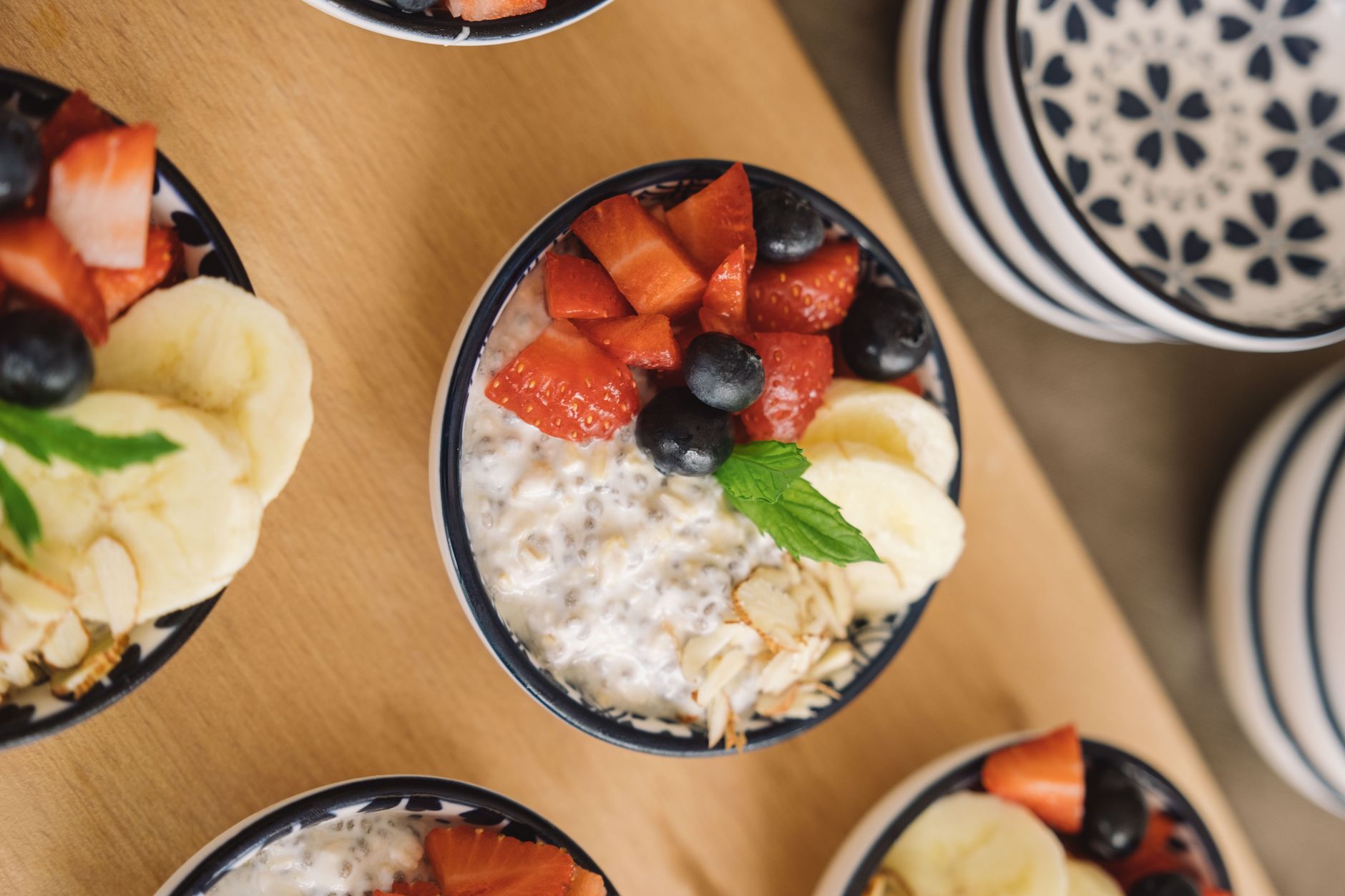
The reported benefits of chia seeds for managing hunger and metabolism are not anecdotal; they are grounded in specific nutritional properties. The primary mechanisms involve their high soluble fiber content and unique gel-forming ability, which have measurable physiological effects.
The Satiety Mechanism: Fiber and Gastric Retention
Chia seeds are exceptionally rich in dietary fiber, with about 10 grams per ounce (28 grams). A significant portion is soluble fiber, primarily mucilage. When mixed with liquid, this fiber forms a hydrophilic gel that expands in the stomach.
- Increased Gastric Volume: The gel adds bulk, promoting a feeling of fullness (satiety) and potentially slowing gastric emptying. This can lead to reduced calorie intake at subsequent meals.
- Slowed Carbohydrate Absorption: The viscous gel may also slow the rate at which carbohydrates are broken down and absorbed in the small intestine, helping to prevent rapid spikes and subsequent crashes in blood glucose.
Clinical evidence for this satiety effect is promising but comes primarily from short-term studies. Research has shown that consuming chia seeds can increase feelings of fullness and reduce short-term food intake compared to control beverages or snacks.
Metabolic and Glycemic Impact
The potential metabolic benefits are linked to the same gel-forming properties. By modulating digestion and absorption, chia seeds may contribute to better postprandial (after-meal) blood glucose control. Some randomized controlled trials have demonstrated a modest reduction in post-meal blood sugar levels in healthy individuals and those with type 2 diabetes when chia seeds are consumed with a carbohydrate-rich meal.
Clinical Perspective: While the acute effects on satiety and glycemia are reasonably well-supported, the evidence for long-term weight loss or significant metabolic disease management from chia seeds alone is limited. They should be viewed as one component of a balanced dietary pattern, not a standalone solution. The high fiber content is beneficial, but it must be introduced gradually with adequate water intake to avoid gastrointestinal discomfort.
Important Considerations & Cautions: Individuals with swallowing difficulties, esophageal strictures, or significant gastrointestinal disorders like inflammatory bowel disease should use caution due to the gel's expansion. Those on medication for diabetes or blood pressure should consult a physician, as chia seeds may potentiate the effects of these drugs. Always consume chia seeds in their gel form (soaked) or with plenty of fluid to mitigate any risk of obstruction.
3. Risks and Contraindications: Who Should Avoid Chia Seeds
While chia seeds are generally safe for most people and offer significant nutritional benefits, they are not universally appropriate. Certain individuals should exercise caution or avoid them entirely due to specific health conditions or medication interactions. A responsible approach requires understanding these contraindications.
Primary Medical Concerns
The most well-documented risk involves gastrointestinal obstruction. Chia seeds absorb 10–12 times their weight in water, forming a gel. If consumed dry and followed by insufficient fluid, they can swell in the esophagus or intestine, posing a choking or blockage hazard. This is particularly dangerous for individuals with a history of swallowing difficulties (dysphagia) or strictures. Always consume chia seeds that have been pre-soaked or mixed into ample liquid.
Individuals with the following conditions should consult a healthcare provider before adding chia seeds to their diet:
- Diverticulitis: During an active flare, high-fiber foods like chia seeds are typically contraindicated to avoid further irritation.
- Inflammatory Bowel Disease (IBD): Those with Crohn's disease or ulcerative colitis, especially during a flare, may need to limit insoluble fiber, which can exacerbate symptoms.
- Kidney Disease: Chia seeds are high in phosphorus. In advanced chronic kidney disease, impaired phosphorus excretion can lead to hyperphosphatemia, increasing cardiovascular risk.
- Prostate Cancer or High-Risk Individuals: Some preliminary, non-conclusive research has suggested a potential link between high alpha-linolenic acid (ALA) intake and prostate cancer progression. The evidence is mixed and not definitive, but men with this condition may choose to discuss ALA sources with their oncologist.
Medication and Allergy Considerations
Chia seeds may interact with certain medications. Their high fiber content can reduce the absorption rate of some drugs, including blood thinners (e.g., warfarin) and certain diabetes medications. It is advisable to take such medications at a different time than chia consumption. Furthermore, due to their potential blood-thinning effect from omega-3s, individuals scheduled for surgery are often advised to discontinue high-dose omega-3 supplements; while food-source chia is less concentrated, it is prudent to inform your surgical team.
True chia seed allergy is rare but possible. Individuals with known allergies to mustard seeds or sesame seeds may have a higher risk of cross-reactivity and should be vigilant for symptoms like hives, itching, or gastrointestinal distress.
Clinical Perspective: In practice, the most common adverse effects I see are bloating and gas from a sudden, large increase in fiber intake. The key is to start with a small amount (e.g., one teaspoon) and increase gradually over weeks while ensuring excellent hydration. For patients on multiple medications or with complex gastrointestinal histories, a brief discussion with a doctor or dietitian can preempt problems and ensure chia seeds are integrated safely and effectively.
In summary, while chia seeds can be a beneficial addition to many diets, they are not risk-free. Prioritizing proper preparation and seeking personalized medical advice when you have underlying health conditions is the hallmark of a safe, evidence-based approach to nutrition.
4. Practical Takeaways: Evidence-Based Incorporation into Breakfast

To harness the potential satiety and nutritional benefits of chia seeds, evidence-based incorporation is key. The primary mechanism for appetite control is their high soluble fiber content, which forms a gel when mixed with liquid, slowing gastric emptying and promoting a feeling of fullness. This effect is well-supported by research on viscous dietary fibers in general.
For optimal results, consider these practical steps:
- Pre-hydrate the Seeds: Soak 1-2 tablespoons of chia seeds in at least 4-5 times their volume of liquid (water, milk, or plant-based milk) for 15-20 minutes, or overnight. This pre-gelation ensures the fiber is fully activated and may improve digestibility.
- Start with a Modest Dose: Begin with one tablespoon daily to assess tolerance, as a rapid increase in fiber intake can cause gastrointestinal discomfort like bloating or gas. Gradually increase to two tablespoons if well-tolerated.
- Integrate into a Balanced Meal: Add the hydrated gel to oatmeal, yogurt, or smoothies. Pairing chia seeds with a source of protein (e.g., Greek yogurt, protein powder) and healthy fats (e.g., nuts, nut butter) creates a more complete, satiating breakfast that leverages multiple nutrient pathways for appetite regulation.
While the fiber and protein content of chia seeds are established, direct, high-quality clinical trials specifically on chia seeds for long-term weight management or hunger reduction in diverse populations are more limited. Most promising evidence comes from shorter-term studies or is extrapolated from the known effects of their constituent nutrients.
Clinical Consideration: From a clinical perspective, chia seeds are a nutrient-dense food, not a pharmacologic agent. Their incorporation should be viewed as one component of an overall balanced diet and healthy lifestyle. The satiety effect varies significantly between individuals based on metabolism, baseline diet, and gut microbiome composition.
Who Should Exercise Caution: Individuals with a history of dysphagia (swallowing difficulties), esophageal strictures, or major gastrointestinal disorders like inflammatory bowel disease (IBD) during a flare should consult a physician. Always consume chia seeds in their hydrated gel form, not dry, to avoid the rare but serious risk of esophageal obstruction. Those on blood-thinning medications like warfarin or with known allergies to mustard or sesame seeds should also seek medical advice before regular consumption.
5. Safety Considerations: When to Consult a Healthcare Provider

While chia seeds are generally recognized as safe for most people when consumed in typical food amounts, their unique properties and potent effects on digestion and blood sugar necessitate a cautious approach for certain individuals. A proactive consultation with a healthcare provider is a prudent step to ensure safety and avoid unintended interactions.
Key Groups Who Should Seek Medical Advice
You should consider speaking with a doctor or registered dietitian before significantly increasing your chia seed intake if you fall into any of the following categories:
- Individuals with Swallowing Difficulties or Esophageal Issues: Dry chia seeds absorb many times their weight in liquid. If consumed dry and without adequate fluid, they can expand in the esophagus and pose a serious risk of obstruction. Those with a history of dysphagia or strictures must be exceptionally cautious.
- People with Gastrointestinal Disorders: The high soluble fiber content can exacerbate symptoms in individuals with active inflammatory bowel disease (IBD), Crohn's disease, ulcerative colitis, or a history of bowel obstructions. A gradual introduction under medical guidance is critical.
- Those on Specific Medications: Chia seeds may lower blood pressure and blood sugar levels. Individuals taking antihypertensive drugs, insulin, or oral hypoglycemic agents (e.g., for diabetes) should monitor their levels closely, as the combined effect could lead to hypotension or hypoglycemia. Dose adjustments may be necessary.
- Individuals with Upcoming Surgery: Due to their potential effects on blood sugar and blood pressure, it is often recommended to discontinue high-dose chia seed consumption at least two weeks before a scheduled surgical procedure.
- People with Known Seed Allergies: Though rare, allergic reactions to chia seeds have been documented. Those with known allergies to mustard seeds, sesame seeds, or other seeds may be at higher risk.
Clinical Perspective: From a clinical standpoint, the primary safety concerns are mechanical (obstruction risk) and pharmacological (interaction with medications). The evidence for most health benefits, while promising, comes from short-term studies. We lack robust, long-term data on the effects of daily, high-dose consumption in diverse populations. Therefore, a "start low and go slow" approach, coupled with professional guidance for at-risk individuals, represents the most responsible integration of chia seeds into a dietary regimen.
Incorporating chia seeds can be a beneficial dietary change, but it is not without potential complications. Prioritizing a discussion with your healthcare provider ensures this nutritional strategy supports your overall health plan safely and effectively.
6. Questions & Expert Insights
Are chia seeds truly effective for weight management, or is this just a trend?
Chia seeds can be a supportive component of a weight management plan, but they are not a standalone solution. Their effectiveness is primarily attributed to their high soluble fiber content, particularly glucomannan. When mixed with liquid, this fiber forms a gel that expands in the stomach, which can increase feelings of fullness (satiety) and potentially reduce subsequent calorie intake. Several small, short-term studies support this mechanism. However, the evidence is not definitive, and long-term, large-scale trials are limited. It is crucial to view chia seeds as one tool within a broader strategy of balanced nutrition and regular physical activity. Relying on them alone without addressing overall diet quality is unlikely to lead to significant or sustainable weight changes.
What are the potential risks or side effects of adding chia seeds to my daily routine?
While generally safe for most people, chia seeds can cause adverse effects, particularly when introduced abruptly or consumed in large quantities. The most common issues are gastrointestinal, such as bloating, gas, or constipation, due to the sudden increase in fiber. To mitigate this, start with a small dose (e.g., one teaspoon daily) and ensure adequate water intake. A more serious, though rare, risk is esophageal obstruction; consuming dry chia seeds without sufficient liquid can cause them to swell and block the throat. Always pre-soak chia seeds or mix them thoroughly into a wet food like yogurt or oatmeal. Certain individuals should exercise caution or avoid them: those with a history of swallowing difficulties, certain gastrointestinal disorders like inflammatory bowel disease during a flare, or those on blood-thinning medications (due to a theoretical interaction with vitamin K).
When should I talk to my doctor before significantly increasing my chia seed intake?
You should consult a physician or a registered dietitian before making a significant dietary change if you have a chronic medical condition or take regular medications. This is especially important for individuals with a history of kidney disease (due to chia's phosphorus content), diagnosed diverticulitis, or those on medications for diabetes (as chia may lower blood sugar) or blood thinners like warfarin. Before your appointment, prepare notes on your current diet, the specific amount and form of chia seeds you plan to consume, and a list of all your medications and supplements. This information allows your healthcare provider to assess potential nutrient interactions, adjust medication dosages if necessary, and provide personalized guidance that aligns with your overall health management plan.
Is the protein in chia seeds a complete and sufficient source for my needs?
Chia seeds do contain all nine essential amino acids, technically making them a "complete" protein. However, they are not considered a high-quality or sufficient primary protein source for most adults. The protein content is relatively low per serving (about 4-5 grams per ounce), and more importantly, one of the essential amino acids (lysine) is present in only limited amounts. For individuals following a plant-based diet, relying solely on chia seeds for protein could lead to deficiencies over time. They are best used as a complementary protein source within a varied diet that includes other legumes, nuts, seeds, and whole grains to ensure an adequate intake of all essential amino acids. For athletes or those with higher protein requirements, more concentrated sources like lentils, tofu, or protein powders are typically necessary.
7. In-site article recommendations
8. External article recommendations
9. External resources
The links below point to reputable medical and evidence-based resources that can be used for further reading. Always interpret them in the context of your own situation and your clinician’s advice.
-
drugs drugs.comchia seeds – Drugs.com (search)
-
wikipedia wikipedia.orgchia seeds – Wikipedia (search)
-
healthline healthline.comchia seeds – Healthline (search)
These external resources are maintained by third-party organisations. Their content does not represent the editorial position of this site and is provided solely to support readers in accessing additional professional information.