
1. Introduction to Plant-Based Diets and Health Outcomes
Plant-based dietary patterns, which emphasize foods derived from plants, are increasingly recognized for their potential to influence systemic health. This chapter provides a foundational overview of these patterns and the evidence linking them to key health outcomes, particularly gut health and energy metabolism. A plant-based diet is not a single, prescriptive regimen but a spectrum that includes vegan, lacto-ovo vegetarian, and flexitarian or plant-predominant approaches. The common denominator is a high intake of fruits, vegetables, legumes, whole grains, nuts, and seeds.
The proposed health benefits are largely attributed to the nutrient and phytochemical profile of these foods, which is high in dietary fiber, antioxidants, and unsaturated fats, and typically lower in saturated fat and heme iron compared to diets high in animal products. The mechanisms through which these components may exert effects are multifaceted and area of active research.
Current evidence from large observational studies and some randomized controlled trials suggests several associations:
- Gut Microbiome Modulation: Dietary fiber acts as a prebiotic, fermenting in the colon to produce short-chain fatty acids (SCFAs) like butyrate. SCFAs are a primary energy source for colonocytes and are associated with reduced gut inflammation and improved barrier function. This is one of the most robustly supported mechanisms for gut health benefits.
- Systemic Inflammation: The anti-inflammatory properties of phytonutrients and fiber may contribute to lower levels of systemic inflammation, a factor implicated in fatigue and chronic disease.
- Metabolic Efficiency: Diets rich in complex carbohydrates and fiber can promote more stable blood glucose levels, potentially mitigating the energy crashes associated with high-glycemic meals.
It is crucial to distinguish the strength of this evidence. The association between high-fiber plant foods and a favorable gut microbiome is strongly supported. Data on direct, causal links to sustained increases in daily energy levels in healthy individuals are more suggestive and can be influenced by individual factors like baseline diet, microbiome composition, and overall diet quality.
Clinical Perspective: A well-planned plant-based diet can be a healthful pattern for many, but it is not automatically optimal. Nutritional adequacy, particularly for vitamin B12, iron, vitamin D, calcium, omega-3 fatty acids (DHA/EPA), and zinc, requires conscious planning. Individuals with existing gastrointestinal conditions (e.g., IBS, IBD), those with specific nutrient deficiencies, or those on certain medications should consult a physician or registered dietitian before making significant dietary shifts to ensure the approach is tailored and safe.
This introduction sets the stage for exploring how strategic meal planning can harness these potential benefits while navigating practical considerations for long-term sustainability and health.
2. Evidence-Based Mechanisms Linking Plant-Based Diets to Gut Health and Energy
The connection between plant-based diets, gut health, and energy levels is supported by a growing body of scientific literature. The mechanisms are multifactorial, primarily operating through the modulation of the gut microbiome and systemic metabolism.
Primary Mechanisms for Gut Health
A well-structured plant-based diet is typically rich in dietary fiber, which serves as the primary fuel for beneficial gut bacteria. This leads to several evidence-based outcomes:
- Increased Microbial Diversity: High-fiber intake is consistently associated with a greater diversity of gut microbes, a key marker of a resilient and healthy gut ecosystem.
- Production of Short-Chain Fatty Acids (SCFAs): Fermentation of fiber by gut bacteria produces SCFAs like butyrate, acetate, and propionate. Butyrate, in particular, is a primary energy source for colonocytes (colon cells), helps maintain gut barrier integrity, and exhibits anti-inflammatory properties.
- Reduced Gut Transit Time: The insoluble fiber in many plants adds bulk to stool, promoting regular bowel movements and reducing the time potential toxins are in contact with the gut lining.
Pathways to Enhanced Energy
The gut-centric effects of a plant-based diet translate into systemic energy benefits through several pathways:
- SCFA-Mediated Effects: SCFAs like propionate are involved in gluconeogenesis and satiety hormone regulation, which can help stabilize blood sugar levels, preventing the energy crashes associated with high-glycemic meals.
- Reduced Systemic Inflammation: Chronic low-grade inflammation is an energy-draining process. The anti-inflammatory properties of SCFAs, combined with the high levels of phytonutrients and antioxidants in plants, may help lower this inflammatory burden.
- Improved Nutrient Density: Plant-based diets, when well-planned, are rich in magnesium, B vitamins (especially from leafy greens and legumes), and iron (non-heme), all of which are cofactors in cellular energy (ATP) production.
Clinical Perspective: While the mechanistic evidence is strong, individual responses vary significantly based on baseline gut health, the specific composition of the diet, and genetic factors. A sudden, drastic increase in fiber can cause bloating and discomfort. The benefits are most strongly linked to diets emphasizing whole plant foods—vegetables, fruits, legumes, whole grains, nuts, and seeds—rather than processed plant-based alternatives.
Important Considerations: Individuals with conditions like Small Intestinal Bacterial Overgrowth (SIBO), Irritable Bowel Syndrome (IBS), or inflammatory bowel disease (IBD) in flare may need to modify fiber intake and type under medical supervision. Those with a history of restrictive eating disorders should approach dietary changes cautiously. Consulting a registered dietitian or physician is advised to ensure nutritional adequacy, particularly regarding vitamin B12, vitamin D, omega-3s, and iron status.
3. Considerations and Contraindications for Plant-Based Meal Planning
While a well-structured plant-based diet is associated with significant health benefits, it is not a one-size-fits-all approach. A successful transition requires careful planning to avoid potential nutritional shortfalls and to ensure it aligns with an individual's unique health status.
Key Nutritional Considerations
Certain nutrients require deliberate attention in a plant-based framework. The evidence is strong that deficiencies can occur without mindful planning.
- Vitamin B12: This nutrient is not reliably available from unfortified plant foods. Deficiency can lead to anemia and neurological issues. A daily supplement or consumption of fortified foods is a non-negotiable recommendation.
- Iron: Plant-based (non-heme) iron is less readily absorbed. Pairing iron-rich foods (lentils, spinach) with a source of vitamin C (bell peppers, citrus) can enhance absorption. Individuals with a history of anemia should monitor their levels.
- Omega-3 Fatty Acids: The conversion of ALA (from flaxseeds, walnuts) to the active forms EPA and DHA is inefficient. Including algae-based supplements is a prudent strategy for ensuring adequate intake, particularly for cognitive and cardiovascular health.
- Calcium, Vitamin D, Zinc, and Iodine: These nutrients may also be at risk depending on food choices. Diversifying the diet with fortified plant milks, tofu, nuts, seeds, and iodized salt is essential.
Populations Requiring Medical Guidance
Some individuals should consult a physician or a registered dietitian before making significant dietary changes. This is crucial for managing pre-existing conditions and avoiding adverse effects.
- Individuals with Kidney Disease: High potassium content in many plant foods (e.g., bananas, potatoes, legumes) can be dangerous for those with compromised kidney function who require potassium restriction.
- Those with Digestive Disorders: The high fiber content, while generally beneficial, can exacerbate symptoms in individuals with active inflammatory bowel disease (IBD), irritable bowel syndrome (IBS), or significant dysbiosis. A modified, lower-fiber approach may be necessary initially.
- Pregnant or Breastfeeding Women: Nutritional demands are heightened. Careful planning for protein, iron, B12, choline, and DHA is critical for fetal and infant development.
- Individuals with a History of Disordered Eating: Any restrictive dietary pattern can potentially trigger unhealthy behaviors. The focus should be on addition and nourishment, not elimination, under the supervision of a mental health professional.
- People on Specific Medications: Those on blood thinners (e.g., warfarin) must maintain consistent vitamin K intake (found in leafy greens), as sudden increases can interfere with medication efficacy.
In summary, a plant-based diet can be a powerful tool for health, but its implementation must be informed and individualized. Prioritizing nutrient density, seeking professional guidance for at-risk groups, and making changes gradually are the cornerstones of a safe and sustainable approach.
4. Actionable Strategies for Plant-Based Meal Planning
Transitioning to a plant-based diet for gut health and energy requires a structured approach to ensure nutritional adequacy and sustainability. The following evidence-based strategies can help you implement a balanced plan.
1. Prioritize Fiber Diversity
Gut microbiome diversity is strongly linked to overall health. Aim to consume a wide variety of fiber sources, as different fibers feed distinct beneficial bacteria. A practical method is to "eat the rainbow" across plant groups.
- Legumes: Lentils, chickpeas, and black beans provide resistant starch and soluble fiber.
- Whole Grains: Oats, quinoa, and barley offer beta-glucans and insoluble fiber.
- Fruits & Vegetables: Include berries, leafy greens, and cruciferous vegetables like broccoli and Brussels sprouts.
Increasing fiber intake should be gradual to minimize initial bloating or gas. Individuals with Irritable Bowel Syndrome (IBS) or other functional gut disorders should introduce high-FODMAP foods cautiously and may benefit from guidance from a registered dietitian.
2. Incorporate Fermented Foods
Regular consumption of fermented foods is supported by evidence for modulating the gut microbiota and reducing inflammatory markers. These foods provide live microbes, though their specific strains may not always colonize the gut permanently.
- Include 1-2 servings daily of options like unsweetened plant-based yogurt, kefir, tempeh, miso, sauerkraut, or kimchi.
- Check labels for "live and active cultures" and minimal added sugars or sodium.
Those with histamine intolerance or Small Intestinal Bacterial Overgrowth (SIBO) should approach fermented foods with caution, as they may exacerbate symptoms.
3. Plan for Key Nutrients
A well-planned plant-based diet can meet all nutritional needs, but proactive planning is essential to prevent deficiencies that can impact energy levels.
- Protein: Combine complementary protein sources throughout the day (e.g., beans with rice, hummus with whole-grain pita).
- Iron: Consume legumes, lentils, and spinach with a source of vitamin C (e.g., bell peppers, citrus) to enhance non-heme iron absorption.
- Vitamin B12: This nutrient is not reliably available from plants. Supplementation or consumption of fortified foods (e.g., nutritional yeast, plant milks) is necessary, as confirmed by strong clinical consensus.
- Omega-3s: Include ground flaxseeds, chia seeds, walnuts, or algae-based supplements for alpha-linolenic acid (ALA) and pre-formed DHA/EPA.
Clinical Consideration: While the benefits of a fiber-rich, plant-based diet for gut health are well-established, individual responses vary. Patients with chronic kidney disease, those on specific medications (e.g., blood thinners like warfarin), or individuals with a history of disordered eating should consult a physician or registered dietitian before making significant dietary changes. A personalized plan can help manage transitions, monitor nutrient levels, and address any underlying conditions.
Implementing these strategies systematically—focusing on diversity, fermentation, and nutrient density—provides a robust framework for supporting the gut microbiome and sustaining energy. Consistency and gradual adaptation are key to long-term success.
5. Safety Protocols and Medical Consultation Guidelines
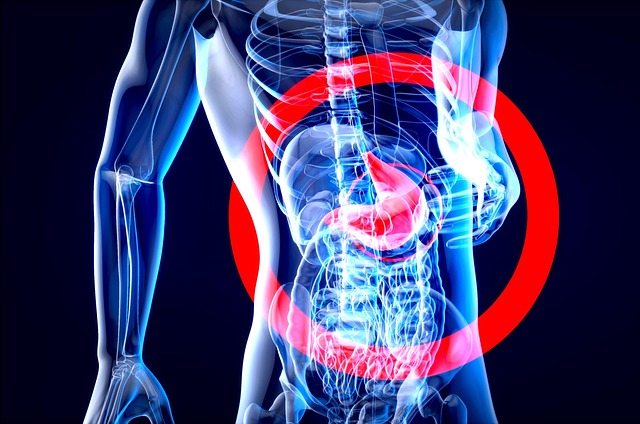
While a well-structured plant-based diet is associated with significant health benefits, its implementation requires careful consideration of individual health status and potential nutritional risks. Adopting a proactive safety protocol ensures that dietary changes support, rather than inadvertently compromise, your well-being.
Key Safety Protocols for Transition
A gradual, informed transition is paramount. Abruptly eliminating major food groups can lead to digestive distress, energy fluctuations, and nutrient shortfalls. Key protocols include:
- Gradual Fiber Increase: Rapidly increasing dietary fiber from legumes, whole grains, and vegetables can cause bloating, gas, and cramping. Increase intake slowly over several weeks and ensure adequate hydration.
- Nutrient Awareness: Pay specific attention to nutrients that require planning in a plant-based context: Vitamin B12, Vitamin D (especially in low-sunlight climates), iron, zinc, calcium, and omega-3 fatty acids (ALA, EPA, DHA).
- Protein Sufficiency: Ensure consistent intake of diverse plant proteins (e.g., lentils, tofu, tempeh, beans, quinoa) throughout the day to meet amino acid needs and support muscle maintenance.
Clinical Insight: Clinicians often see patients who feel fatigued on a new plant-based diet, which is frequently attributable to simple caloric or protein deficiency, not the diet itself. Tracking intake initially or consulting a dietitian can help ensure energy needs are met during the transition phase.
Essential Medical Consultation Guidelines
Consulting with a healthcare professional before and during a significant dietary change is a critical component of responsible health management. This is strongly advised for individuals with:
- Pre-existing Medical Conditions: Such as kidney disease (due to potential potassium/phosphorus load), diabetes (requiring medication adjustment with carb changes), osteoporosis, or a history of eating disorders.
- Specific Life Stages: Pregnancy, lactation, childhood, and adolescence have heightened nutritional demands that require expert guidance.
- Medication Regimens: Those on medications for thyroid conditions (impact of soy/cruciferous vegetables), blood thinners (Vitamin K consistency), or diabetes must coordinate dietary changes with their physician.
- Unexplained Symptoms: Persistent fatigue, digestive pain, hair loss, or other new symptoms after transitioning warrant medical evaluation to rule out underlying issues.
Seek a registered dietitian nutritionist (RDN) specializing in plant-based nutrition or a physician knowledgeable in lifestyle medicine. They can provide personalized planning, order relevant blood tests (e.g., for B12, iron status, Vitamin D), and help you navigate the evidence, distinguishing strong population-level data from individual application needs.
6. Questions & Expert Insights
Will switching to a plant-based diet cause bloating or digestive discomfort?
It is common to experience temporary bloating or gas when significantly increasing fiber intake, as is typical when adopting a plant-based diet. This occurs because your gut microbiota, which may be unaccustomed to high fiber, begins to ferment these new substrates, producing gas. The key is a gradual transition. Increase high-fiber foods like beans, lentils, and cruciferous vegetables slowly over several weeks, allowing your digestive system to adapt. Ensure adequate water intake, as fiber absorbs water. Cooking vegetables and soaking beans can also improve digestibility. For most individuals, these symptoms subside as the gut microbiome diversifies and adapts, a process that can take a few weeks. Persistent or severe discomfort warrants evaluation to rule out underlying conditions like Small Intestinal Bacterial Overgrowth (SIBO) or specific food intolerances.
What are the risks or who should be cautious with a strict plant-based diet?
While generally health-promoting, a poorly planned or extremely restrictive plant-based diet carries risks of nutrient deficiencies. Key nutrients of concern include Vitamin B12 (absent in plants), iron (non-heme iron from plants is less bioavailable), zinc, calcium, omega-3 fatty acids (DHA/EPA), and in some cases, protein. Individuals who should proceed with particular caution and medical supervision include: pregnant or breastfeeding women, young children, those with a history of or active eating disorders, individuals with malabsorption conditions (e.g., Crohn's disease, celiac disease), and those with advanced kidney disease who may need to manage potassium and phosphorus intake. A "plant-based" diet centered on refined carbohydrates and processed meat alternatives, rather than whole foods, can also negate health benefits.
When should I talk to my doctor or a specialist, and what should I bring to that conversation?
Consult your primary care physician or a registered dietitian before starting a major dietary shift if you have any chronic health condition (e.g., diabetes, kidney disease, autoimmune disorders), take medications (especially blood thinners like warfarin, where vitamin K intake is crucial), or have a history of nutritional deficiencies. Bring a clear, honest summary to your appointment: 1) Your specific dietary plan or a sample 3-day food log, 2) A list of all medications and supplements, 3) Your personal health goals, and 4) Any symptoms you are currently experiencing. This information allows the clinician to provide personalized guidance, adjust monitoring (e.g., for iron, B12, or blood sugar levels), and ensure your dietary changes support rather than conflict with your overall medical management.
Is the improvement in energy from a plant-based diet proven, or is it just anecdotal?
The link is supported by mechanistic evidence and clinical observations, though direct causation in long-term, large-scale trials is an area of ongoing research. Proposed mechanisms are plausible: Reduced systemic inflammation from high antioxidant and polyphenol intake may lower metabolic fatigue. Stable blood sugar from high-fiber, complex carbohydrates can prevent energy crashes. Improved gut health and microbiome diversity enhance the production of short-chain fatty acids like butyrate, which influence metabolism and reduce inflammation. Furthermore, displacing energy-dense, nutrient-poor processed foods can improve overall nutritional status. However, it is critical to note that an energy boost is not guaranteed and depends heavily on the diet's composition. A well-planned, nutrient-dense plant-based diet is the key; one lacking in calories, protein, or key micronutrients (like B12 or iron) can lead to fatigue.
7. In-site article recommendations
8. External article recommendations
9. External resources
The links below point to reputable medical and evidence-based resources that can be used for further reading. Always interpret them in the context of your own situation and your clinician’s advice.
-
drugs drugs.complant-based meal planning – Drugs.com (search)
-
wikipedia wikipedia.orgplant-based meal planning – Wikipedia (search)
-
mayoclinic mayoclinic.orgplant-based meal planning – Mayo Clinic (search)
These external resources are maintained by third-party organisations. Their content does not represent the editorial position of this site and is provided solely to support readers in accessing additional professional information.