
1. Introduction: Tai Chi Walking and Caloric Expenditure in Context

When considering physical activity for health and weight management, the conversation often centers on metrics like heart rate and caloric expenditure. Traditional Tai Chi is widely recognized for its benefits to balance, stress reduction, and fall prevention, but its role in energy expenditure is frequently underestimated. Tai Chi Walking, a practice that integrates the mindful, flowing movements of Tai Chi with the fundamental act of walking, presents a unique case study in metabolic activity.
This introductory chapter aims to establish a foundational, evidence-based context for understanding how Tai Chi Walking may influence daily calorie burn. It is crucial to distinguish between what is well-established and what requires further investigation.
- Established Evidence: Systematic reviews confirm that traditional, stationary Tai Chi practice is a light-to-moderate intensity physical activity. Its caloric cost, while lower than running or high-intensity interval training, is comparable to or exceeds that of a leisurely walk.
- Emerging Context for Tai Chi Walking: The act of walking itself increases energy expenditure. The hypothesis behind Tai Chi Walking is that by layering the deliberate, controlled movements, postural alignment, and mindful engagement of Tai Chi onto walking, the metabolic demand may be amplified beyond that of standard-paced walking. Preliminary research and biomechanical analysis support this concept, though large-scale, long-term trials specifically on Tai Chi Walking are limited.
The potential transformation of your daily calorie burn through Tai Chi Walking is not about achieving a "shocking" metabolic spike. Instead, it may stem from a combination of factors: a slight increase in exercise intensity, improved neuromuscular engagement, and the sustainable, low-impact nature of the practice that encourages consistency. This consistency is a critical, often overlooked component of long-term energy balance.
Clinical Perspective: From a physiological standpoint, any activity that promotes sustained, mindful movement and can be integrated into daily life holds value for metabolic health. Tai Chi Walking's emphasis on posture and core stability may lead to more efficient muscle use during and between activity bouts, potentially influencing non-exercise activity thermogenesis (NEAT). However, individuals with significant mobility issues, acute joint pain, or cardiovascular conditions should consult a physician or physical therapist to ensure the movements are adapted safely for their specific situation.
As we explore the specific ways this practice may impact metabolism in subsequent chapters, this foundational context of measured intensity, biomechanical nuance, and sustainable habit formation will remain central to our objective analysis.
2. Evidence and Mechanisms: Physiological Basis for Increased Calorie Burn
The transformation of daily calorie burn through Tai Chi walking is not a matter of speculation but is grounded in measurable physiological principles. This practice elevates energy expenditure beyond that of standard walking by integrating the core tenets of Tai Chi—slow, controlled movement, deep diaphragmatic breathing, and sustained postural engagement—into a locomotor activity.
The primary mechanisms driving this increased metabolic cost include:
- Muscle Activation and Co-Contraction: Unlike relaxed walking, Tai Chi walking requires continuous, low-level contraction of both agonist and antagonist muscle groups to maintain stability and control throughout the slow, deliberate steps. This co-contraction significantly increases muscular work without a corresponding increase in speed, leading to higher energy consumption per unit of distance traveled.
- Postural Control and Core Engagement: The practice emphasizes an upright, aligned posture with a gently engaged core. Maintaining this postural set against gravity is metabolically active, engaging the deep stabilizers of the trunk and pelvis that are often underutilized in habitual gait.
- Neuromuscular Complexity: The mindful, sequenced weight shifts and precise foot placements demand greater cognitive-motor integration. This heightened neuromuscular processing and control is associated with a higher metabolic cost compared to automated, habitual walking.
Evidence from exercise physiology studies on classical Tai Chi supports these mechanisms, showing it to be a moderate-intensity physical activity, comparable to brisk walking in its metabolic equivalent (MET) value. While direct, high-quality trials measuring the caloric burn of Tai Chi walking specifically are more limited, the biomechanical analysis strongly suggests it occupies a similar or slightly higher metabolic niche than traditional Tai Chi forms due to the added component of locomotion.
Clinical Perspective: From a metabolic standpoint, Tai Chi walking can be viewed as a form of "loaded" or "resistance" walking where the "load" is not external weight but the internal requirement for extreme motor control. This makes it particularly efficient for improving functional strength and balance while concurrently burning calories. However, the exact caloric increment varies substantially based on an individual's skill level, movement amplitude, and session duration.
It is important to contextualize this increased burn. While it is measurably higher than strolling, it typically will not match the acute caloric expenditure of high-intensity activities like running. Its value lies in its sustainability, low impact on joints, and the compounding benefit of its other physiological effects, such as improved stress response, which can indirectly influence metabolic health.
Individuals with significant balance impairments, severe osteoporosis, or acute joint injuries should consult a physician or physical therapist before beginning. The slow, controlled nature is generally safe, but proper technique is essential to avoid strain.
3. Risks and Contraindications: Populations to Exercise Caution
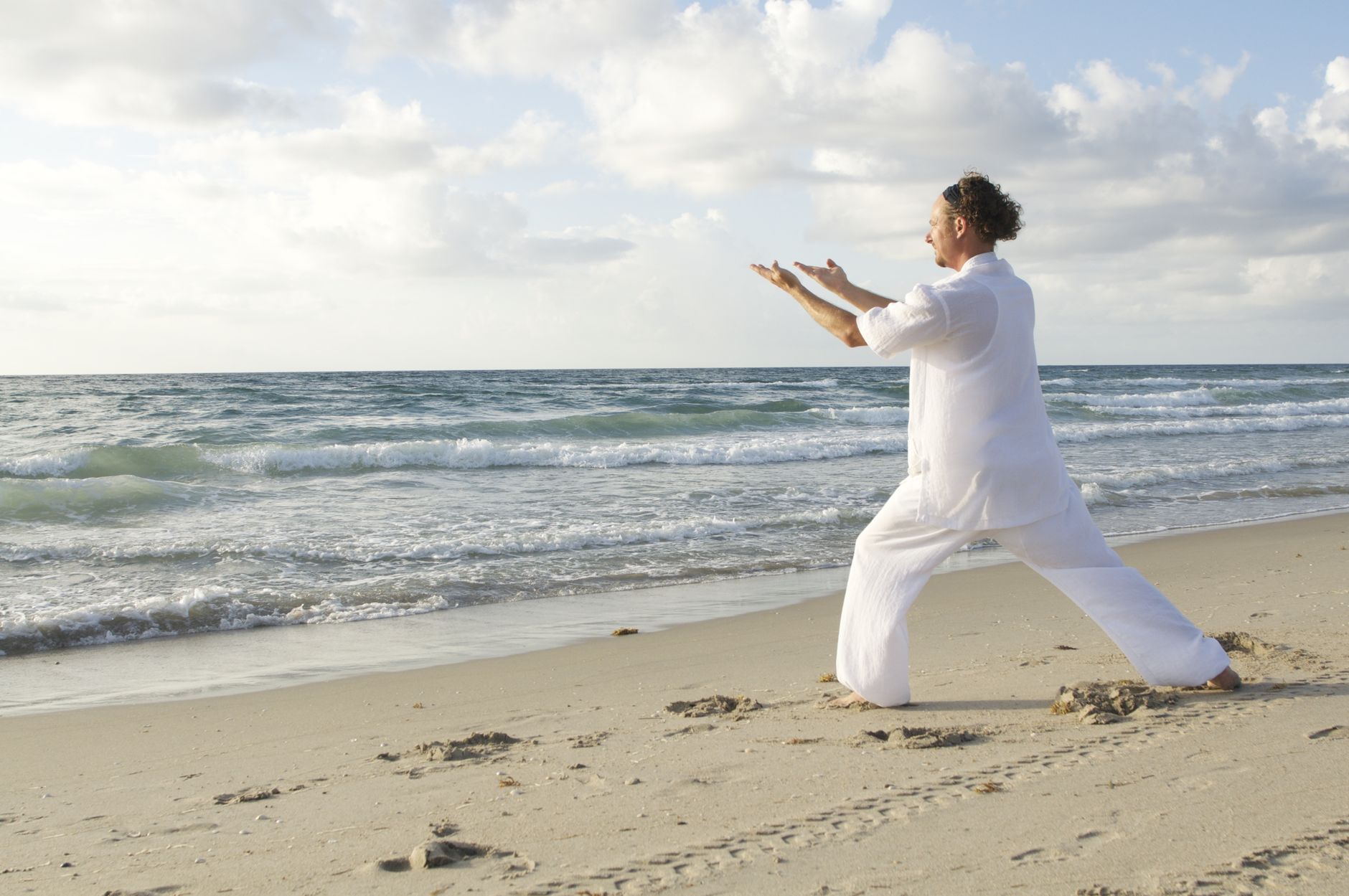
While Tai Chi walking is widely regarded as a low-impact and safe form of exercise, it is not universally appropriate without consideration. Acknowledging contraindications and populations that require caution is a fundamental aspect of responsible practice. The evidence strongly supports its safety for most people, but individual health status dictates necessary modifications or avoidance.
Certain conditions warrant consultation with a physician or qualified physical therapist before beginning. This is not to discourage participation but to ensure the activity is adapted safely.
- Acute or Unstable Musculoskeletal Injuries: Individuals with recent fractures, severe sprains, acute disc herniation, or unstable joints (e.g., in the knee or ankle) should avoid practice until cleared by a healthcare provider. The shifting weight and gentle twisting motions could exacerbate an acute injury.
- Severe Osteoporosis or High Fall Risk: Although Tai Chi is excellent for fall prevention, those with advanced, untreated osteoporosis or a very high immediate risk of falling should begin under direct supervision. Certain stances or weight transfers may need significant modification.
- Uncontrolled Cardiovascular or Respiratory Conditions: Persons with unstable angina, uncontrolled hypertension, heart failure, or severe chronic obstructive pulmonary disease (COPD) must seek medical advice. While the activity is gentle, any new exercise regimen affects cardiovascular demand.
- Vestibular Disorders or Severe Dizziness: The slow, deliberate movements and focus on shifting balance can provoke symptoms in individuals with conditions like Ménière's disease or benign paroxysmal positional vertigo (BPPV). A tailored approach, possibly starting from a seated position, is essential.
Clinical Perspective: The primary risk in Tai Chi walking is not the practice itself, but the mismatch between an individual's current capacity and the exercise's demands. A key principle is "listening to the body." Pain, beyond mild muscular discomfort, is a clear signal to stop. For those with chronic conditions, the evidence is robust that tailored Tai Chi is beneficial, but the "tailored" aspect is critical. It often requires an instructor experienced in therapeutic adaptation.
For most populations, including older adults and those with stable chronic illnesses, Tai Chi walking presents minimal risk when approached sensibly. The strongest recommendation is to begin with a qualified instructor who can provide personalized guidance, especially if any of the above cautions apply. This proactive step transforms a generally safe activity into a securely personalized health strategy.
4. Practical Takeaways: Integrating Tai Chi Walking for Calorie Management
To effectively integrate Tai Chi walking for calorie management, a structured and patient approach is essential. The goal is to build a sustainable practice that enhances non-exercise activity thermogenesis (NEAT) and mindful movement throughout your day, rather than pursuing intense, unsustainable bursts of activity.
Building a Foundational Practice
Begin by dedicating 10–15 minutes, 3–4 times per week, to focused practice. This is not about distance or speed, but about quality of movement.
- Posture First: Start standing still. Focus on aligning your head over your spine, relaxing your shoulders, and maintaining a slight bend in your knees. This foundational posture is the platform for all movement.
- Mindful Stepping: Practice the core step: shift your weight fully onto one leg, then slowly and deliberately lift the other foot, place the heel down first, and roll through the foot to the toes. The movement should feel controlled and connected to the ground.
- Integrate Breath: Coordinate your breathing with your steps. A simple pattern is to inhale as you prepare to step and exhale as you transfer your weight forward. This enhances focus and metabolic efficiency.
Integrating into Daily Life
Once the movement pattern feels natural, begin to weave it into routine activities. This is where the cumulative calorie-burning effect occurs.
- Use Tai Chi walking for short errands, such as walking from your car to a store or moving between rooms at home or work.
- Convert waiting time (e.g., for public transport, in a queue) into standing balance practice or subtle weight-shifting exercises.
- Take a 5-minute "movement break" every hour if you have a sedentary job, using the principles of mindful stepping in place or for a short walk.
Clinical Perspective: The evidence for Tai Chi's benefits for balance, stress, and musculoskeletal health is robust. Its direct impact on daily calorie expenditure, while physiologically plausible, is more nuanced and individualized. The primary metabolic benefit likely stems from consistently replacing sedentary minutes with low-level, mindful activity and improving neuromuscular coordination, which can make all movement more efficient and potentially more frequent. It is a complementary strategy, not a replacement for structured aerobic exercise if significant weight loss is a primary goal.
Important Considerations and Cautions
While generally safe, certain individuals should proceed with caution or consult a healthcare provider:
- Those with significant balance disorders, severe osteoporosis, or acute joint injuries should seek guidance from a physical therapist or physician to adapt movements.
- Individuals managing cardiovascular conditions should avoid breath-holding and ensure the practice does not induce dizziness or strain.
- As with any activity program, start gradually. Discontinue any movement that causes pain beyond mild muscular discomfort.
For sustainable calorie management, view Tai Chi walking as a tool to cultivate body awareness and increase low-intensity movement density throughout your day, creating a stable foundation upon which other health behaviors can be built.
5. Safety Considerations: When to Consult a Healthcare Professional
While Tai Chi walking is a low-impact, gentle form of exercise with a strong safety profile, it is not without potential risks. A responsible approach requires understanding when to modify practice and when to seek professional medical guidance. The evidence for its safety is robust for generally healthy individuals, but caution is warranted for those with specific health conditions.
Consulting a physician or a qualified physical therapist before beginning is strongly advised for individuals with:
- Unstable or acute musculoskeletal conditions: Recent fractures, severe osteoporosis with high fracture risk, acute joint inflammation (e.g., a gout flare), or an acute ligament/tendon tear.
- Significant balance disorders or vestibular conditions: Such as vertigo, Ménière's disease, or peripheral neuropathy that severely impairs sensation in the feet.
- Uncontrolled cardiovascular or pulmonary disease: Unmanaged hypertension, heart failure, arrhythmias, or severe COPD where exertion must be carefully monitored.
- Pregnancy: While gentle movement is often encouraged, a healthcare provider can offer personalized advice based on trimester and individual risk factors.
Clinical Insight: The slow, controlled movements of Tai Chi walking are often therapeutic, but the transition from static postures to dynamic walking introduces a different biomechanical load. For someone with, for instance, severe knee osteoarthritis, the repetitive weight transfer and subtle knee flexion during the gait cycle could exacerbate pain if not properly adapted. A physical therapist can provide crucial modifications to foot placement, stride length, and upper body posture to make the practice safe and beneficial.
Even if you do not have a diagnosed condition, it is essential to practice mindfully. Discontinue and seek advice if you experience:
- Sharp, stabbing, or increasing joint pain during or after practice.
- Dizziness, lightheadedness, or chest pain.
- Shortness of breath that is disproportionate to the gentle level of exertion.
Finally, be cautious of over-interpreting preliminary claims. While evidence suggests Tai Chi can improve metabolic parameters, it should not replace prescribed treatments for conditions like diabetes or hypertension without a doctor's supervision. It is a complementary practice, not a substitute for medical care.
The overarching principle is to use Tai Chi walking to enhance well-being within your body's current capabilities. A brief consultation with a healthcare professional provides a foundation for a safe, sustainable, and transformative practice.
6. Questions & Expert Insights
Is Tai Chi walking a legitimate form of exercise for weight management?
Tai Chi walking can be a legitimate component of a weight management strategy, but it is crucial to frame expectations realistically. The primary mechanism for weight loss is a sustained calorie deficit, and the calorie burn from Tai Chi walking is generally low to moderate compared to more vigorous aerobic activities. Its true value lies in its sustainability, low-impact nature, and potential to improve metabolic markers like insulin sensitivity and stress-related cortisol levels, which can indirectly support weight management. For meaningful weight loss, it should be integrated with dietary modifications and other forms of exercise. The evidence for its direct, significant impact on weight is limited, but its role in promoting consistent, mindful movement and reducing sedentary time is well-supported and clinically valuable.
What are the risks or side effects, and who should be cautious with Tai Chi walking?
While Tai Chi walking is low-impact, it is not without risk. The primary concerns involve musculoskeletal strain, particularly in individuals with pre-existing knee, hip, or ankle issues, if postural alignment is incorrect. Dizziness or lightheadedness can occur during the coordinated, flowing movements, especially for those with vestibular disorders or hypotension. Individuals with severe osteoporosis should avoid certain twisting motions. Crucially, those with unstable health conditions—such as uncontrolled hypertension, heart failure, or acute vertigo—should seek medical clearance. The practice is generally safe, but its presumed gentleness should not lead to neglecting proper form or individual health contraindications.
When should I talk to my doctor before starting, and what should I discuss?
Consult a physician or physical therapist if you have any chronic medical condition (e.g., cardiac, pulmonary, arthritic, or neurological issues), are recovering from surgery, experience frequent dizziness or joint pain, or are pregnant. Come to the appointment prepared to discuss your specific goals (e.g., "I want to improve balance and gentle activity for weight maintenance"). Bring a clear description or video of the Tai Chi walking movements you plan to do. Discuss your current activity level, medications, and any past injuries. This allows your provider to offer personalized advice on modifications, intensity, and warning signs to stop, ensuring the practice supports rather than compromises your health.
How does the calorie burn from Tai Chi walking compare to regular walking or other exercises?
Metabolically, Tai Chi walking typically burns calories at a rate similar to or slightly higher than very slow, leisurely walking, but significantly less than brisk walking, jogging, or cycling. A 150-pound person might burn approximately 150-200 calories per hour with Tai Chi walking, compared to 280-350 calories with brisk walking. The key differentiator is not the calorie-per-minute output but the integrated mind-body component. The focused attention, controlled breathing, and engagement of stabilising muscles may offer unique neurological and metabolic benefits not captured by calorie counts alone, such as improved stress resilience and movement efficiency. For comprehensive fitness, it is best combined with aerobic and strength-training activities.
7. In-site article recommendations
8. External article recommendations
9. External resources
The links below point to reputable medical and evidence-based resources that can be used for further reading. Always interpret them in the context of your own situation and your clinician’s advice.
-
mayoclinic mayoclinic.orgTai Chi Walking – Mayo Clinic (search)
-
examine examine.comTai Chi Walking – Examine.com (search)
-
wikipedia wikipedia.orgTai Chi Walking – Wikipedia (search)
These external resources are maintained by third-party organisations. Their content does not represent the editorial position of this site and is provided solely to support readers in accessing additional professional information.