
1. Introduction to Resistance Bands in Daily Fitness
Resistance bands, also known as exercise bands or therapy bands, are elastic bands made from latex or latex-free materials that provide external resistance when stretched. Their integration into daily fitness routines is supported by a body of evidence demonstrating their efficacy for improving muscular strength, endurance, and functional mobility. Systematic reviews indicate that resistance band training can produce strength gains comparable to those achieved with traditional free weights or machines for many muscle groups, particularly in novice to intermediate exercisers.
The primary appeal of bands lies in their versatility, portability, and adaptability. They allow for a full-body workout that can be scaled to individual fitness levels by simply changing the band's thickness or tension. From a physiological perspective, bands provide variable resistance; the tension increases as the band is stretched, which can challenge muscles through a fuller range of motion. This is particularly relevant for exercises like squats or presses, where the resistance matches the muscle's natural strength curve.
Key evidence-based benefits include:
- Muscular Strength & Hypertrophy: Consistent use, following progressive overload principles (e.g., using thicker bands or increasing repetitions), can stimulate muscle growth and increase strength.
- Joint-Friendly Exercise: The elastic resistance often allows for smoother, lower-impact movements compared to free weights, which may be beneficial for individuals with joint concerns or during rehabilitation.
- Accessibility & Adherence: Their low cost and minimal space requirements reduce barriers to exercise, potentially improving long-term adherence to a fitness program.
Clinical Perspective: While bands are excellent tools, they are not a complete substitute for all forms of resistance training. The evidence is strongest for their use in general fitness, home-based programs, and physiotherapy contexts. For advanced strength or power goals, they are best used as a supplement to traditional weight training. It is also crucial to inspect bands regularly for nicks or wear, as a sudden snap can cause injury.
It is important to note that while research supports their effectiveness for general fitness, studies on elite athletic performance are more limited. The subjective nature of measuring band tension (unlike precise weights) can also make progressive overload less quantifiable.
Individuals with certain health conditions should exercise caution or consult a healthcare provider before beginning. This includes those with unstable joints, severe osteoporosis, latex allergies (requiring latex-free bands), or anyone in active rehabilitation from an injury. Proper technique is paramount to avoid strain, and starting with a light resistance band to master form is strongly advised.
2. Evidence-Based Benefits of Resistance Band Training

Resistance band training is supported by a growing body of scientific literature demonstrating its efficacy for improving several key health and fitness parameters. The unique variable resistance they provide—where tension increases with stretch—offers distinct physiological advantages.
Strongly Supported Benefits
High-quality evidence, including systematic reviews and randomized controlled trials, confirms several core benefits:
- Muscle Strength and Hypertrophy: When performed at appropriate intensities (typically 60-80% of one-repetition maximum), resistance band training elicits strength gains and muscle growth comparable to free weights in various populations, from sedentary adults to athletes.
- Improved Functional Mobility: The elastic resistance is particularly effective for training movement patterns and joint stability. Studies show significant improvements in measures of balance, gait speed, and activities of daily living, especially in older adults.
- Joint-Friendly Exercise: The accommodating resistance and reduced load at vulnerable joint angles can lower compressive forces. This makes it a valuable tool for rehabilitation and for individuals with osteoarthritis or during post-injury conditioning, under professional guidance.
Areas with Preliminary or Mixed Evidence
Some potential benefits are promising but require more robust, long-term research:
- Bone Density: While any progressive resistance training can benefit bone health, the direct osteogenic impact of bands versus high-impact or heavy weight-bearing exercises is less clearly established.
- Specific Athletic Performance: Bands are excellent for accessory work and velocity training. However, their role as a primary tool for maximizing absolute strength or power in advanced athletes is often supplemental to traditional barbell training.
Clinical Perspective: From a rehabilitation and general practice standpoint, the portability and adaptability of bands are major advantages for promoting adherence. They allow for safe progression in home-based programs and can effectively target often-neglected stabilizing muscles. The key is ensuring exercise form and band tension are appropriately matched to the individual's capacity and goals.
Important Considerations and Cautions
While generally safe, certain individuals should exercise caution:
- Those with severe, uncontrolled hypertension should avoid high-intensity, straining exercises without medical clearance.
- Individuals with latex allergies must use latex-free bands.
- Proper inspection of bands for nicks, tears, or worn anchors is crucial to prevent snap-back injuries.
- Anyone with an active musculoskeletal injury, significant joint instability, or a complex medical history should consult a physician or physical therapist before beginning a new resistance program.
In summary, resistance bands are a versatile, evidence-supported tool for building strength, enhancing mobility, and supporting joint health. Their effectiveness is maximized when used as part of a structured, progressive program tailored to individual needs and capabilities.
3. Risks and Contraindications for Resistance Band Use
While resistance bands are a versatile and generally safe tool, their use is not without potential risks. Acknowledging these is a critical component of a responsible and effective training program. The primary hazards are not inherent to the bands themselves but arise from improper use, poor equipment condition, or pre-existing health conditions.
Primary Safety Risks
The most significant risk is the potential for the band to snap, which can cause injury to the user or bystanders. This typically results from:
- Material Fatigue: Over time, exposure to UV light, extreme temperatures, and repeated stretching degrades the latex or rubber.
- Overstretching: Exceeding the band's intended length, especially during exercises that anchor it to a door or post, creates excessive tension.
- Sharp Edges or Friction: Rubbing the band against a rough surface or securing it with a metal clip can create weak points.
Other common risks include improper anchoring leading to sudden release, poor grip causing the band to slip, and performing exercises with poor form under tension, which can strain joints and muscles.
Key Contraindications and Precautions
Certain individuals should exercise particular caution or consult a healthcare provider before initiating a resistance band program:
- Latex Allergy: Many bands contain natural rubber latex. Those with a known allergy must seek out latex-free alternatives.
- Unstable Joints or Recent Surgery: Individuals with shoulder instability, significant osteoarthritis, or those in rehabilitation from joint surgery (e.g., rotator cuff repair, ACL reconstruction) require professional guidance. The elastic resistance can create unpredictable force vectors that may compromise healing tissues.
- Severe Hypertension or Cardiovascular Conditions: While generally safe, the Valsalva maneuver (holding one's breath while straining) commonly used during resistance exercise can spike blood pressure. Proper breathing technique is essential, and clearance from a physician is advised for those with uncontrolled hypertension or heart conditions.
- Advanced Pregnancy: Pregnant individuals should avoid supine (lying on back) positions and exercises that increase intra-abdominal pressure. Modifications and professional guidance from a prenatal fitness specialist are recommended.
For the general population, a pre-use inspection of the band for nicks, cracks, or discoloration is a non-negotiable safety step. Furthermore, starting with a band that provides too little resistance is far safer than starting with one that is too challenging, which compromises form. Integrating bands should be a gradual process, prioritizing controlled movement over increased tension.
4. Practical Strategies for Daily Resistance Band Integration
Successfully integrating resistance bands into a daily routine requires a structured, sustainable approach that prioritizes consistency over intensity. The primary challenge is not the exercise itself, but the behavioral shift of making it a habitual part of your day. Evidence from behavioral science strongly supports that habit formation is most effective when new actions are linked to existing daily cues and start with minimal, achievable goals.
A foundational strategy is habit stacking. Attach a brief band exercise to an established daily activity. For example:
- Perform band pull-aparts or shoulder external rotations while your morning coffee brews.
- Complete a set of seated leg extensions or bicep curls during a work break.
- Incorporate a few minutes of banded glute bridges or rows as part of your pre-bedtime wind-down routine.
This method leverages existing neural pathways, making the new behavior easier to adopt. The initial goal should be frequency, not volume; even 5-10 minutes of targeted work is sufficient to build the habit and provide musculoskeletal benefit.
Clinical Perspective: From a physiotherapy standpoint, this micro-dosing of resistance training can be highly effective for maintaining joint health, combating sedentary posture, and improving muscular endurance. It is particularly valuable for individuals in desk-bound occupations to interrupt prolonged sitting. However, the evidence for significant hypertrophy or maximal strength gains with such brief, daily sessions is more limited compared to structured, progressive overload programs performed 2-3 times per week.
To ensure balanced development and prevent overuse, consider a simple rotation system. Designate focus areas for different days (e.g., upper body push movements on Monday, lower body on Tuesday, upper body pull on Wednesday). This allows for adequate recovery while maintaining daily engagement. Always prioritize proper form and controlled tempo over using the heaviest possible band.
Important Considerations: Individuals with uncontrolled hypertension, certain musculoskeletal injuries (particularly involving joints like the shoulder or knee), or those who are pregnant should consult a physician or physical therapist before beginning a new resistance program. Proper band anchoring is critical to prevent snap-back injuries. If you experience joint pain (not to be confused with muscular fatigue), stop the exercise and seek professional guidance.
5. Safety Guidelines and When to Consult a Healthcare Provider
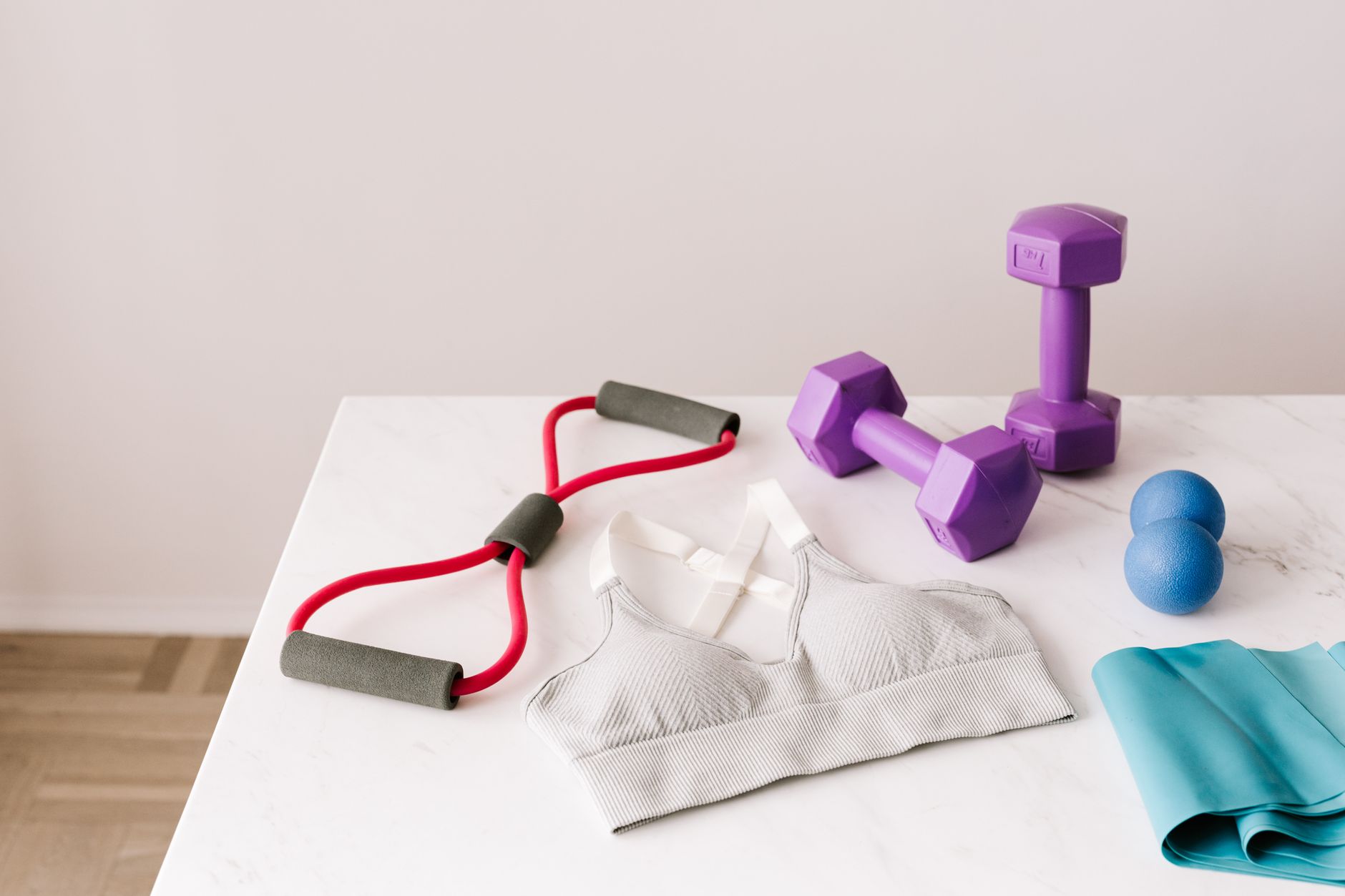
While resistance bands are a low-impact and accessible tool, their use is not without risk. Adhering to fundamental safety guidelines is essential to prevent injury and ensure the long-term sustainability of your exercise routine. The principles of proper form, controlled movement, and progressive overload apply just as they do with free weights.
Before beginning any session, perform a visual and tactile inspection of your bands. Check for nicks, cracks, thinning, or any signs of material fatigue, particularly near the handles or anchor points. A snapped band can cause significant injury. Always secure bands to stable, non-movable anchors and ensure your footing is stable to prevent slips or the band recoiling unexpectedly.
During exercise, prioritize technique over resistance level or repetition count.
- Maintain Tension: Keep the band under controlled tension throughout the entire range of motion. Avoid letting it go slack and then snap back.
- Control the Eccentric: Resist the band's pull on the return phase of the movement (e.g., lowering from a bicep curl) for at least 2-3 seconds.
- Anchor Point Awareness: Never point a band toward your face or eyes. Ensure the anchor is secure and the band's path is clear of obstructions.
- Breathe: Exhale during the exertion (concentric) phase and inhale during the return (eccentric) phase.
Clinical Insight: From a rehabilitation perspective, bands are excellent for accommodating resistance—where the tension matches the muscle's strength curve. However, the variable resistance can challenge joint stability. Individuals with hypermobility or a history of joint subluxations (e.g., shoulder, patella) should focus excessively on slow, controlled movements and may need to use lighter resistance than their strength would otherwise allow to protect joint integrity.
When to Consult a Healthcare Provider
It is prudent to seek guidance from a physician, physical therapist, or certified exercise professional before starting a new resistance training program if you have:
- Any known cardiovascular, pulmonary, or metabolic condition (e.g., uncontrolled hypertension, heart disease, diabetes).
- Acute or chronic musculoskeletal injuries (e.g., rotator cuff tendinopathy, recent surgery, chronic low back pain).
- Diagnosed osteoporosis, as certain movements may increase fracture risk.
- Neurological conditions affecting balance or coordination.
- Are pregnant or postpartum, as core and pelvic floor considerations are paramount.
Furthermore, consult a provider immediately if you experience pain (especially sharp or shooting pain), dizziness, shortness of breath, or joint instability during or after band use. The evidence strongly supports the benefits of resistance training for most populations, but an individualized approach supervised by a professional is the safest path for those with pre-existing health concerns.
6. Questions & Expert Insights
Can resistance bands build as much muscle as free weights?
Resistance bands can be highly effective for muscle hypertrophy (growth), particularly for beginners and intermediate trainees. The key stimulus for muscle growth is mechanical tension, which bands provide through variable resistance—the band becomes harder to stretch as it lengthens, matching the increased strength potential at the end of a movement. Systematic reviews, such as a 2021 meta-analysis in SAGE Open Medicine, conclude that elastic band resistance training elicits significant improvements in muscle strength and size comparable to conventional equipment in many populations. However, for advanced strength athletes aiming for maximal absolute loads (e.g., 1-rep max squats or deadlifts), free weights remain essential due to their ability to load the body with hundreds of pounds. For general fitness, muscle tone, and functional strength, bands are a robust and evidence-supported tool.
What are the main risks or injuries associated with resistance band use?
The primary risks involve band failure and improper anchoring. A snapping band can cause significant injury to eyes, skin, or musculoskeletal structures. Always inspect bands for nicks, tears, or excessive stretching before each use. Secure anchors to stable, immovable objects and ensure the band is correctly seated. Musculoskeletal risks include tendonitis or joint strain from using excessive resistance or performing rapid, uncontrolled movements. Unlike free weights, bands provide constant tension, which can exacerbate conditions like tennis elbow if form is poor. To mitigate risk, prioritize controlled tempo, full-range motion, and choose a resistance level that allows for proper technique throughout the entire set, especially during the eccentric (lengthening) phase.
Who should avoid or use extreme caution with resistance bands?
While adaptable, resistance bands are not universally safe without modification. Individuals with severe, uncontrolled hypertension should avoid high-intensity, full-body resistance exercises that can cause dangerous blood pressure spikes. Those with known latex allergies must verify band material (many are latex-free, but not all). People with certain musculoskeletal conditions require tailored advice: for example, someone with advanced rotator cuff tears may need to avoid overhead band pulls, while an individual with severe knee instability might need to modify squats. Crucially, anyone with a history of disordered eating or over-exercise should approach any structured workout regimen, including with bands, under the guidance of a mental health professional to avoid triggering harmful behaviors.
When should I talk to a doctor or physical therapist before starting a band routine, and what should I discuss?
Consult a physician or physical therapist if you have: a diagnosed cardiovascular condition, uncontrolled metabolic disease (like diabetes), acute or chronic joint/muscle pain, are postpartum, or are returning to exercise after a long hiatus or illness. Before your appointment, prepare to discuss: 1) Your specific health conditions and current medications, 2) Any past injuries or surgeries, 3) Your specific fitness goals (e.g., "I want to reduce lower back pain" or "improve shoulder stability"). Bring a description or video of the band exercises you plan to do. This allows the professional to provide specific contraindications, safer exercise alternatives, and guidance on appropriate volume and intensity. This step is not a barrier but a strategy for sustainable, injury-free progress.
7. In-site article recommendations
8. External article recommendations
9. External resources
The links below point to reputable medical and evidence-based resources that can be used for further reading. Always interpret them in the context of your own situation and your clinician’s advice.
-
healthline healthline.comresistance bands – Healthline (search)
-
mayoclinic mayoclinic.orgresistance bands – Mayo Clinic (search)
-
wikipedia wikipedia.orgresistance bands – Wikipedia (search)
These external resources are maintained by third-party organisations. Their content does not represent the editorial position of this site and is provided solely to support readers in accessing additional professional information.