
1. Introduction to Neuroplasticity and Weight Management
For decades, weight management has been framed primarily as a battle of willpower against calorie consumption. However, contemporary neuroscience offers a more nuanced and empowering perspective: the brain is not a static obstacle but a dynamic organ capable of change. This capacity for change is known as neuroplasticity—the brain's ability to reorganize its structure, function, and connections in response to experience, learning, and behavior.
In the context of weight management, neuroplasticity explains how repeated dietary and lifestyle choices can forge and strengthen specific neural pathways. For instance, habitual consumption of highly palatable, high-calorie foods can reinforce reward circuits, making cravings feel more automatic. Conversely, consistent engagement in healthy eating and physical activity can, over time, strengthen circuits associated with self-regulation, mindful awareness, and intrinsic reward from feeling well.
The evidence for neuroplasticity as a fundamental property of the adult brain is robust and well-established in neuroscience. Its direct application to sustained weight loss is a growing field of research. Preliminary neuroimaging studies suggest that successful long-term weight management is associated with measurable changes in brain regions governing executive function, impulse control, and reward processing. However, it is crucial to note that research is ongoing, and the translation of these findings into universally effective behavioral interventions requires further large-scale, long-term studies.
Clinical Insight: From a clinical standpoint, the neuroplasticity model shifts the therapeutic focus from sheer restriction to structured, positive habit formation. It aligns with behavioral therapies that aim not to suppress cravings by force, but to gradually build competing neural pathways through consistent practice, thereby changing one's default responses to food and stress.
This introductory concept underpins the practical strategies discussed in subsequent chapters. A neuroplasticity-based approach involves:
- Identifying and consciously interrupting automatic, unhelpful patterns.
- Deliberately practicing new, healthier behaviors with consistency.
- Understanding that initial effort is required to "wire in" new habits before they become more effortless.
It is important to approach this information with balance. While neuroplasticity offers a hopeful framework, it is not a quick fix. Individuals with a history of eating disorders, severe obesity with related comorbidities, or significant mental health conditions should consult a physician or a registered dietitian before embarking on any new weight management plan. A healthcare professional can help tailor strategies safely and effectively within a comprehensive care context.
2. Mechanisms and Evidence Behind Brain Rewiring

The concept of "rewiring" the brain for weight management is grounded in the science of neuroplasticity—the brain's ability to reorganize its structure, function, and connections in response to experience. This process is central to changing the deeply ingrained habits and reward pathways that influence eating behavior.
Two primary mechanisms are supported by a robust body of neuroscientific evidence:
- Habit Loop Modification: The basal ganglia, a brain region central to habit formation, can be retrained. Consistent repetition of new behaviors (e.g., mindful eating, scheduled meals) can weaken old neural circuits tied to impulsive eating and strengthen new ones aligned with conscious choice.
- Reward System Recalibration: Chronic exposure to highly palatable, high-calorie foods can dysregulate the mesolimbic dopamine system, increasing cravings. Evidence from functional MRI studies shows that sustained dietary changes and reduced exposure to these cues can gradually normalize this response, reducing the perceived reward value of unhealthy foods.
Evidence for these mechanisms is strongest in research on cognitive behavioral therapy (CBT) and mindfulness-based interventions. Multiple randomized controlled trials demonstrate that these approaches can lead to measurable changes in brain activity related to self-control, attention, and emotional regulation, correlating with improved weight management outcomes.
Clinical Insight: It's crucial to distinguish between well-established mechanisms of learning and habit change versus more speculative claims about "resetting" metabolism or appetite hormones solely through cognition. Brain rewiring is a powerful adjunct to, not a replacement for, comprehensive lifestyle medicine. The process is gradual and requires consistent practice; it is not an instantaneous "fix."
Areas with more preliminary or mixed evidence include the long-term durability of these neural changes without ongoing practice and the differential effects across individuals based on genetics or history of obesity. Most research has been conducted over months, not years.
Individuals with a history of significant mental health conditions (e.g., clinical depression, anxiety disorders, or eating disorders), neurological conditions, or those taking psychotropic medications should consult a healthcare professional before engaging in intensive cognitive or behavioral training protocols. The process of deliberately altering thought patterns can sometimes be destabilizing without proper support.
In summary, the evidence supports that deliberate, repeated practices can reshape brain networks involved in habit, reward, and executive function. This neuroplasticity provides a physiological basis for why sustained behavioral strategies are fundamental to long-term success, moving beyond sheer willpower.
3. Risks, Contraindications, and Populations to Exclude
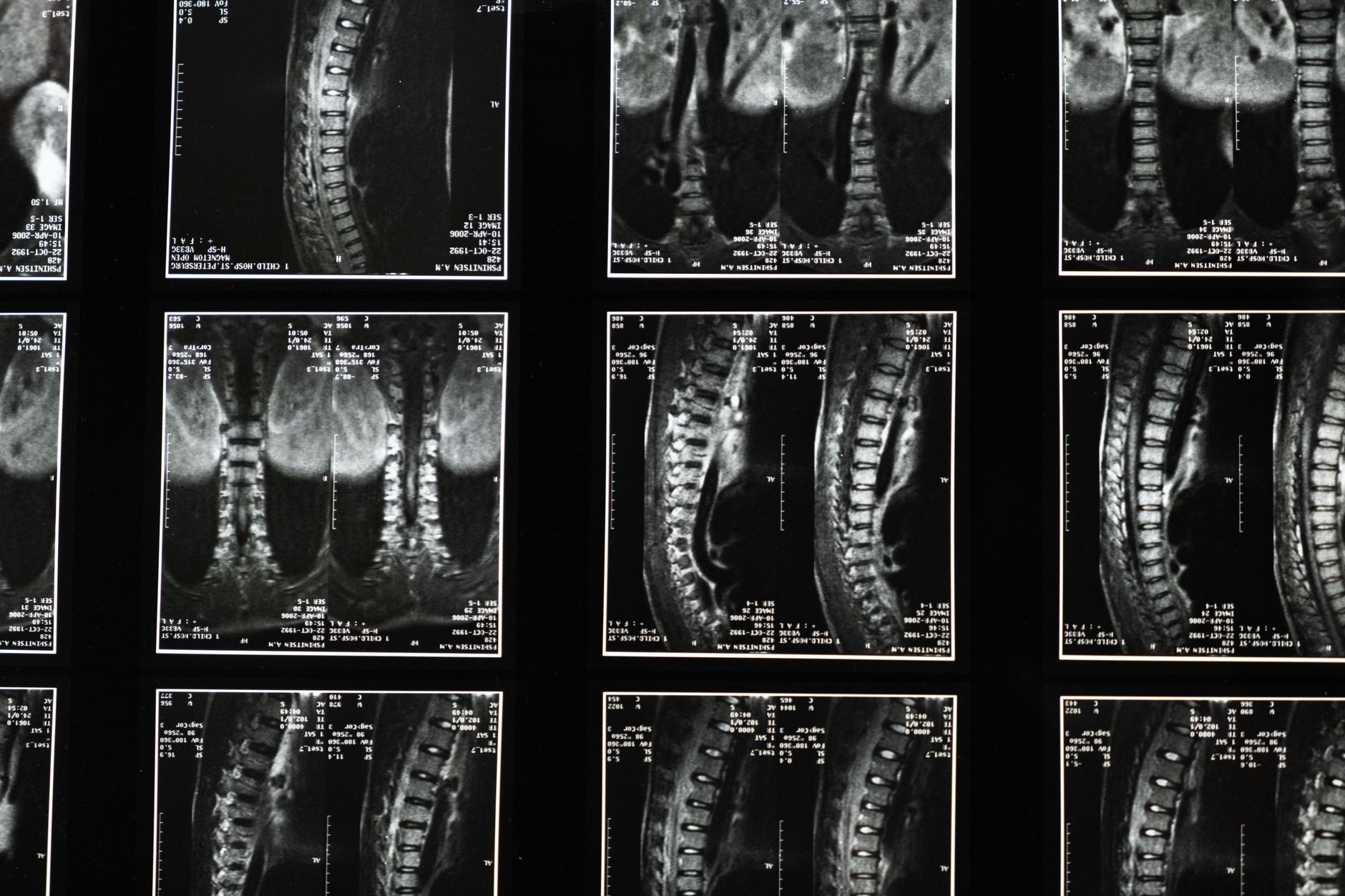
While the principles of neuroplasticity offer a promising framework for sustainable weight management, their application is not universally appropriate or risk-free. A clinically responsible approach requires identifying individuals for whom specific strategies may be contraindicated or require significant modification under professional supervision.
Populations Requiring Medical Supervision
Certain medical and psychological conditions necessitate a tailored approach and direct oversight from a healthcare provider. Attempting to "rewire" brain patterns without this guidance can be ineffective or harmful.
- Individuals with Active Eating Disorders: For those with anorexia nervosa, bulimia nervosa, or binge-eating disorder, focusing on cognitive control or habit formation around food without comprehensive therapeutic support can exacerbate the disorder's pathology.
- People with Significant Mental Health Conditions: Those with major depressive disorder, severe anxiety, or untreated ADHD may find the cognitive load of self-monitoring and habit change overwhelming, potentially worsening their primary condition.
- Those with Chronic Metabolic or Organ Disease: Patients with type 1 or advanced type 2 diabetes, chronic kidney disease, or liver disease require medically managed nutrition plans. Dietary changes for brain-based habit formation must be integrated into their existing treatment protocol.
Potential Risks and Necessary Cautions
Even for generally healthy individuals, misapplication of these concepts carries risks. The evidence for many "brain-training" apps and specific cognitive exercises for weight loss is preliminary, and over-reliance on them can lead to disappointment or neglect of foundational health behaviors.
- Neurocentric Neglect: An excessive focus on "mindset" can inadvertently downplay the critical roles of physiology, genetics, social determinants of health, and access to nutritious food.
- Rigidity and Psychological Distress: An overly rigid approach to cognitive restructuring or mindfulness can foster an unhealthy perfectionism, leading to increased stress, shame, and cycles of restriction and rebound.
- Polypharmacy Interactions: Individuals on medications for psychiatric conditions, seizures, or other neurological issues should discuss any significant lifestyle or cognitive therapy changes with their prescriber, as these can influence treatment efficacy and side effects.
Clinical Perspective: The most common oversight in behavioral weight management is a one-size-fits-all application. A key principle is to assess for contraindications first. For example, recommending intensive mindful eating to a patient with a history of severe trauma around food requires a different, trauma-informed approach. The goal is to adapt the strategy to the individual's clinical background, not force the individual to fit the strategy.
In summary, a prerequisite to engaging with brain-based strategies is a candid self-assessment and, when any of the above conditions are present, a consultation with a physician, registered dietitian, or clinical psychologist. This ensures the journey is not only effective but also safe.
4. Practical Evidence-Based Strategies for Implementation
Translating the principles of neuroplasticity into daily practice requires structured, evidence-based actions. The goal is to create sustainable habits that gradually reshape neural pathways associated with food choices, appetite regulation, and stress response. The following strategies are supported by varying levels of clinical and behavioral research.
1. Structured Meal Timing and Composition
Consistency in meal timing helps regulate circadian rhythms and hunger hormones like ghrelin and leptin. Evidence strongly supports the inclusion of adequate protein and fiber at each meal to enhance satiety and stabilize blood glucose. A practical approach is to structure meals around a protein source, non-starchy vegetables, and a portion of complex carbohydrates.
2. Mindful Eating Protocols
Mindfulness-based interventions have shown efficacy in reducing binge eating and emotional eating by increasing interoceptive awareness. A simple protocol involves:
- Pausing for one minute before eating to assess hunger cues.
- Eating without distractions (e.g., screens) for at least one meal per day.
- Chewing thoroughly and putting utensils down between bites.
While high-quality trials show benefit for psychological eating patterns, the direct impact on long-term weight loss magnitude is more variable.
3. Cognitive Restructuring for Setbacks
Cognitive Behavioral Therapy (CBT) techniques are well-validated for addressing the all-or-nothing thinking that often derails progress. Instead of labeling a dietary choice as a "failure," practice reframing it as a single data point in a longer journey. This reduces the neural stress response and prevents the cascade of negative self-talk that can lead to abandonment of goals.
4. Environmental Engineering
Modifying your immediate environment reduces reliance on willpower, a finite cognitive resource. This is supported by robust behavioral science. Actions include:
- Keeping healthier foods visible and accessible (e.g., pre-cut vegetables in the front of the fridge).
- Using smaller plates and bowls to leverage visual cues for portion control.
- Creating a designated eating area separate from work or leisure spaces to strengthen context-dependent habits.
Implementation should be gradual; attempting all strategies simultaneously is rarely sustainable. Those with complex medical conditions—such as diabetes, thyroid disorders, or those taking medications affecting appetite or weight—should consult their physician or a registered dietitian to tailor these approaches safely.
5. Safety Guidelines and When to Consult a Healthcare Provider
Any significant change in diet, physical activity, or cognitive habits carries potential risks. The strategies discussed in this article are intended for general wellness and are supported by evidence for population-level benefits. However, individual application requires careful consideration of personal health status. A foundational safety guideline is to avoid extreme or rapid changes, which can be unsustainable and may trigger adverse physical or psychological responses.
It is strongly advised to consult a qualified healthcare provider—such as a primary care physician, registered dietitian, or mental health professional—before embarking on a new weight management plan if any of the following apply to you:
- You have a pre-existing medical condition (e.g., diabetes, cardiovascular disease, hypertension, kidney or liver disease, osteoporosis).
- You are pregnant, breastfeeding, or planning to become pregnant.
- You are taking prescription medications, especially for conditions like diabetes, hypertension, or mental health, as dietary changes can alter their efficacy.
- You have a history of an eating disorder or disordered eating patterns.
- You experience unexplained dizziness, chest pain, shortness of breath, or severe joint pain with activity.
- You are considering a dietary approach that significantly restricts entire food groups or requires very low calorie intake.
Clinical Perspective: From a medical standpoint, the most common safety issues arise not from the core principles of balanced nutrition and mindful exercise, but from their misapplication. For instance, aggressive calorie restriction can lead to nutrient deficiencies, gallstone formation, and loss of lean muscle mass. Furthermore, an overly rigid focus on "brain rewiring" or behavioral change can become a source of significant stress and anxiety for some individuals, counteracting the intended benefits. A healthcare provider can help tailor these principles to your unique physiology and psychology, ensuring safety and sustainability.
Be critically aware of the evidence behind any specific tactic. While the general concepts of neuroplasticity, habit formation, and metabolic health are well-established, applications like specific supplement regimens or niche dietary protocols may be supported by only preliminary or mixed data. Always prioritize strategies with strong, reproducible evidence from peer-reviewed research over trending anecdotes.
Finally, view this journey as a collaboration with your healthcare team. Regular check-ins allow for monitoring of vital signs, lab values, and medication adjustments, transforming a personal effort into a medically supervised, and therefore safer, path to long-term health.
6. Questions & Expert Insights
Can you really "rewire" your brain for weight management, or is this just a metaphor?
The term "rewire" is a useful metaphor for the scientifically validated concept of neuroplasticity—the brain's ability to form and reorganize synaptic connections in response to learning and experience. Long-term habits, including those around food and activity, create strong neural pathways. The strategies discussed, such as mindful eating and cognitive restructuring, are evidence-based behavioral techniques designed to create new, healthier pathways while weakening the automaticity of old ones. It's important to understand this is not an overnight "flip of a switch" but a gradual process of consistent practice. The evidence, primarily from neuroscience and behavioral psychology, supports that these practices can lead to durable changes in behavior and self-regulation. However, individual outcomes vary based on genetics, environment, and underlying medical conditions.
What are the potential risks or downsides of focusing on "brain rewiring" for weight?
An excessive focus on cognitive and behavioral control can, for some individuals, lead to psychological distress. Those with a history of eating disorders, obsessive-compulsive tendencies, or high anxiety may inadvertently translate these strategies into rigid, punitive rules, exacerbating their condition. Furthermore, an overemphasis on personal "mindset" can minimize the significant biological and socioeconomic drivers of weight, such as genetics, hormonal disorders, medication side effects, food insecurity, and limited access to healthy options. This can foster self-blame when progress is slow. It is clinically crucial to view brain-centric strategies as one component of a holistic approach that includes medical, nutritional, and social support, not as a sole solution.
How long does it typically take for these new neural pathways to become automatic?
There is no universal timeline, as neuroplasticity is highly individual. Popular claims about "21 days to form a habit" are not empirically supported. Robust research, such as a 2009 study published in the European Journal of Social Psychology, found that habit formation ranged from 18 to 254 days, with a median of 66 days. Complexity matters: drinking a glass of water each morning may become automatic faster than consistently practicing mindful eating during stressful events. The key is consistent repetition in a stable context. Early on, the process requires conscious effort (relying on the prefrontal cortex). Over months of practice, the behavior shifts to basal ganglia circuits, requiring less cognitive effort. Setbacks are a normal part of this process and do not indicate failure.
When should I talk to my doctor about this approach, and what should I discuss?
Consult your physician or a registered dietitian before starting any significant behavioral change program, especially if you have pre-existing conditions. This is critical if you have a history of eating disorders, diabetes, heart disease, kidney or liver issues, or are on medications (particularly for diabetes, blood pressure, or mental health). Prepare for the conversation by bringing: 1) A list of your current medications and supplements, 2) Your personal health and weight history, 3) Specific strategies you're considering, and 4) A record of any symptoms like fatigue, pain, or mood changes. This allows your doctor to assess for medical barriers (e.g., hypothyroidism, PCOS), ensure your plan is nutritionally adequate, and adjust medications if needed. They can also refer you to a psychologist or dietitian for specialized support.
7. In-site article recommendations
8. External article recommendations
9. External resources
The links below point to reputable medical and evidence-based resources that can be used for further reading. Always interpret them in the context of your own situation and your clinician’s advice.
-
drugs drugs.comneuroplasticity – Drugs.com (search)
-
healthline healthline.comneuroplasticity – Healthline (search)
-
wikipedia wikipedia.orgneuroplasticity – Wikipedia (search)
These external resources are maintained by third-party organisations. Their content does not represent the editorial position of this site and is provided solely to support readers in accessing additional professional information.