
1. Introduction to Short-term Detox Plans in Contemporary Health Contexts
The term "detox" has become ubiquitous in wellness culture, often associated with extreme cleanses and unsubstantiated health claims. In a contemporary, evidence-based health context, a short-term detox plan is more accurately defined as a brief, structured dietary intervention. Its primary goals are to support the body's intrinsic detoxification pathways—primarily the liver, kidneys, gut, and skin—and to encourage a temporary reset from habitual dietary patterns high in ultra-processed foods, added sugars, and saturated fats.
It is critical to distinguish between the body's natural, continuous physiological detoxification and commercial "detox" products that promise unrealistic results. The scientific consensus is clear: the human body is highly efficient at eliminating toxins without the need for extreme measures. Therefore, a clinically responsible approach focuses on removing dietary burdens to allow these innate systems to function optimally, rather than purporting to "flush" unspecified toxins.
The evidence supporting specific "detox" protocols is often limited and mixed. While short-term improvements in markers like liver enzymes or subjective feelings of energy are reported in some studies, these are frequently attributed to:
- Increased intake of vitamins, minerals, and phytonutrients from whole foods.
- Significant reduction in processed foods, alcohol, and added sugars.
- Improved hydration.
These benefits are not unique to branded detox programs but are the result of fundamental, positive dietary shifts.
It is imperative to approach any short-term plan with caution. Individuals with pre-existing medical conditions—including diabetes, kidney or liver disease, electrolyte imbalances, or a history of eating disorders—should not undertake such dietary changes without consulting their physician. Furthermore, any plan that promotes severe caloric restriction, excessive use of supplements, or the complete elimination of essential food groups should be viewed skeptically, as it may pose more risks than benefits.
This chapter sets the foundation for exploring safe implementation. The following sections will detail evidence-informed strategies that prioritize nourishment, safety, and sustainable habit formation over restrictive and potentially harmful quick fixes.
2. Evidence and Physiological Mechanisms of Detoxification
The term "detox" is often used in popular wellness culture, but from a clinical and physiological perspective, the body possesses highly sophisticated, endogenous systems for neutralizing and eliminating potentially harmful substances. A short-term plan should aim to support, not replace, these intrinsic processes.
Core Physiological Pathways
The human body's primary detoxification organs are the liver, kidneys, gastrointestinal tract, skin, and lungs. The liver is central, processing toxins through a two-phase enzymatic system:
- Phase I (Functionalization): Enzymes, primarily from the cytochrome P450 family, modify fat-soluble compounds to make them more reactive.
- Phase II (Conjugation): These reactive intermediates are bound to molecules like glutathione, sulfate, or glycine, making them water-soluble and ready for excretion via bile (to feces) or blood (to kidneys for urine excretion).
Evaluating the Evidence for "Detox" Interventions
Evidence supporting specific short-term "detox" protocols is often limited and of low quality. However, certain foundational health behaviors are strongly evidenced to support these physiological pathways:
- Adequate Hydration: Strong evidence supports that sufficient water intake is crucial for renal filtration and the excretion of water-soluble metabolites.
- Dietary Fiber: A high-fiber diet supports regular bowel movements, which is the primary route for eliminating conjugated toxins excreted in bile. This is a well-established mechanism.
- Phytonutrients: Preliminary and mixed evidence suggests certain compounds in cruciferous vegetables (e.g., sulforaphane) and alliums may upregulate Phase II enzyme activity. The clinical significance of short-term boosts remains uncertain.
- Limiting Processed Foods & Alcohol: Reducing the intake of substances that require hepatic metabolism provides a functional "rest" for the liver, a principle supported by clinical hepatology.
Clinical Perspective: It is critical to distinguish between supporting baseline organ function and the concept of "flushing" toxins. Healthy kidneys and a liver do not store toxins; they process and excrete them continuously. The most effective "detox" is likely the sustained avoidance of harmful exposures, coupled with nutrition that provides the co-factors (e.g., B vitamins, amino acids, antioxidants) these enzymatic systems require to function optimally.
Who Should Exercise Caution: Individuals with pre-existing liver or kidney disease, diabetes, electrolyte imbalances, or a history of eating disorders should not undertake restrictive detox plans without direct medical supervision. Similarly, those on multiple medications should consult a physician, as dietary changes can alter drug metabolism.
3. Risks, Contraindications, and Populations to Exercise Caution
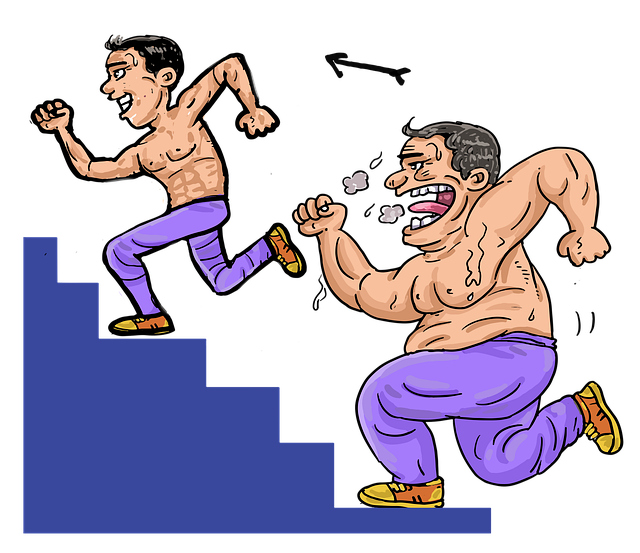
While short-term dietary modifications are popular, they are not without potential adverse effects. A clinically responsible approach requires a clear understanding of the risks, absolute contraindications, and populations for whom such plans may be inappropriate. The evidence supporting the necessity of "detoxification" for the general population is limited, and the primary risks often stem from the restrictive nature of the protocols themselves.
Common Risks and Adverse Effects
Even in healthy individuals, a sudden shift to a highly restrictive plan can trigger several physiological and psychological responses:
- Nutrient Deficiencies: Plans severely limiting protein, fat, or specific food groups can lead to shortfalls in essential vitamins, minerals, and amino acids, potentially causing fatigue, muscle loss, and impaired immune function.
- Electrolyte Imbalances: Protocols involving intense fasting, excessive fluid intake, or diuretic foods (e.g., certain teas) can disrupt sodium, potassium, and magnesium levels, leading to dizziness, cardiac arrhythmias, or muscle cramps.
- Hypoglycemia: Individuals, especially those on glucose-lowering medications, may experience dangerous drops in blood sugar, manifesting as shakiness, confusion, and sweating.
- Gastrointestinal Distress: A sudden high intake of fibrous foods or juices can cause significant bloating, cramping, and diarrhea.
Populations Requiring Medical Consultation or Avoidance
The following individuals should either avoid short-term detox plans entirely or only proceed under direct medical supervision:
- Individuals with Chronic Conditions: This includes those with diabetes, kidney disease, liver disease, heart conditions, or a history of eating disorders. Dietary changes can destabilize managed conditions.
- Pregnant or Breastfeeding Women: Nutritional demands are significantly increased during this period; restrictive plans pose a risk to both maternal and fetal health.
- Children and Adolescents: Their developing bodies require consistent, high-quality nutrition for growth; restrictive diets are contraindicated.
- Individuals on Medications: Those taking prescription drugs, especially for diabetes, hypertension, blood thinners, or mental health, must consult a physician. Dietary changes can alter drug metabolism and efficacy.
- The Elderly or Those Who Are Underweight: These groups are at higher risk for nutrient depletion and loss of lean muscle mass, which can have serious health consequences.
Clinical Perspective: From a medical standpoint, the human body possesses highly efficient endogenous detoxification systems (liver, kidneys, gastrointestinal tract). The primary goal of any dietary intervention should be to support these systems, not to override them with extreme measures. A plan that induces significant stress, rapid weight loss, or nutrient deficiency is counterproductive. The safest approach is to focus on sustainable hydration, whole-food nutrition, and adequate fiber—principles that benefit nearly everyone without the risks of severe restriction.
Before initiating any short-term plan, a discussion with a primary care physician or a registered dietitian is strongly advised to evaluate individual risk factors and ensure the approach does not conflict with personal health status or medications.
4. Practical Evidence-Based Strategies for Implementation
Implementing a short-term dietary modification plan requires a structured, evidence-based approach to maximize potential benefits while minimizing risks. The core principle is to support the body's intrinsic detoxification pathways—primarily the liver, kidneys, and gastrointestinal tract—through nutritional and lifestyle choices, rather than pursuing extreme restriction.
Core Nutritional Adjustments
Focus on whole, nutrient-dense foods to provide essential co-factors for hepatic enzyme function. Strong evidence supports:
- Increased Hydration: Adequate water intake is fundamental for renal filtration and excretion. Aim for clear or pale-yellow urine as a general guide.
- High Fiber Intake: Soluble and insoluble fiber from vegetables, fruits, and legumes supports regular bowel elimination, which is a primary route for toxin excretion.
- Phytonutrient-Rich Foods: Cruciferous vegetables (e.g., broccoli, kale) contain compounds like sulforaphane that upregulate phase II liver detoxification enzymes, a mechanism supported by robust preclinical data.
Strategic Elimination and Reintroduction
A short-term plan often involves eliminating potential dietary triggers. The evidence here is more mixed and highly individual:
- Ultra-Processed Foods & Added Sugars: Eliminating these reduces the metabolic load on the liver and can improve insulin sensitivity, a well-supported benefit.
- Common Allergens/Intolerances: Temporarily removing foods like gluten or dairy may alleviate symptoms in sensitive individuals, but this is not universally beneficial. A systematic reintroduction phase is critical to identify personal triggers.
Clinical Perspective: From a medical standpoint, the most effective "detox" is the sustained avoidance of harmful substances (e.g., alcohol, excessive processed foods) and the consistent consumption of protective nutrients. Short-term plans are best viewed as a structured reset to reinforce these long-term habits, not as a standalone solution. Dramatic caloric restriction or "juice-only" protocols can lead to nutrient deficiencies, electrolyte imbalances, and rebound behaviors.
Supportive Lifestyle Modifications
Nutrition does not operate in isolation. Preliminary evidence suggests synergistic effects from:
- Prioritizing Sleep: Sleep is when glymphatic system activity in the brain peaks, facilitating clearance of metabolic waste.
- Managing Stress: Chronic stress can impair liver function and gut barrier integrity. Incorporating mindfulness or gentle movement can be supportive.
- Engaging in Light-to-Moderate Exercise: Promotes circulation, lymphatic drainage, and sweating—another minor excretory pathway.
Important Precautions: Individuals with pre-existing conditions such as diabetes, kidney disease, liver disease, or a history of eating disorders, as well as those who are pregnant or breastfeeding, should consult a physician before making significant dietary changes. Those on multiple medications should be aware of potential nutrient-drug interactions.
5. Safety Monitoring and Indications for Medical Consultation
Any significant dietary modification, including a short-term detox plan, requires vigilant self-monitoring and a clear understanding of when to seek professional guidance. The primary goal of safety monitoring is to differentiate between common, transient adaptation symptoms and signs of potential harm or nutrient deficiency.
During the initial 24-72 hours, you may experience mild symptoms such as headache, fatigue, irritability, or lightheadedness. These are often related to shifts in fluid balance, electrolyte levels, or reduced caffeine intake. They should be self-limiting. However, certain signs warrant immediate cessation of the plan and medical consultation:
- Persistent dizziness, fainting, or pronounced weakness.
- Severe or worsening headaches.
- Significant nausea, vomiting, or abdominal pain.
- Heart palpitations, chest discomfort, or irregular heartbeat.
- Signs of dehydration (e.g., very dark urine, extreme thirst, inability to urinate).
- Mental confusion, severe brain fog, or mood disturbances like heightened anxiety or depression.
Clinical Perspective: From a medical standpoint, the body's "detox" systems—the liver and kidneys—function continuously. Most structured plans are essentially short-term dietary interventions. The risk lies not in a failure to "detox" but in the potential for electrolyte imbalances, hypoglycemia in susceptible individuals, or interactions with medications. Monitoring for the signs above is crucial because they can indicate these underlying physiological disturbances.
Certain individuals should consult a physician or a registered dietitian before initiating any detox plan. This is not merely a precaution but a necessary step for safety. High-risk groups include:
- Individuals with chronic conditions (e.g., diabetes, kidney disease, liver disease, cardiovascular conditions).
- Those taking prescription medications, especially for diabetes, blood pressure, blood thinners, or mental health.
- Pregnant or breastfeeding women.
- Individuals with a history of eating disorders.
- The elderly, adolescents, or those who are underweight or malnourished.
Evidence supporting the necessity of specific "detox" protocols for general health in well-nourished individuals is limited. The strongest evidence for benefit relates to the short-term elimination of ultra-processed foods, alcohol, and added sugars. Therefore, safety monitoring focuses on ensuring the plan does not cause harm while you pursue these potentially beneficial dietary adjustments. If in doubt, always err on the side of caution and seek professional medical advice.
6. Questions & Expert Insights
Is a "detox" necessary for my body to remove toxins?
The premise that the body requires external interventions to "detox" is a common misconception. In clinical terms, your liver, kidneys, gastrointestinal tract, skin, and lungs constitute a highly efficient, innate detoxification system. The goal of a responsible short-term plan should not be to "cleanse" these organs but to support their natural function by reducing dietary and lifestyle burdens. This is achieved by temporarily eliminating processed foods, alcohol, excess sugar, and unhealthy fats, while emphasizing whole foods, hydration, and sleep. The perceived benefits—like improved energy or mental clarity—are likely due to this reduction in inflammatory inputs and better nutritional intake, not the removal of mysterious "toxins." The evidence for commercial detox products is often weak, so focusing on evidence-based dietary adjustments is the most prudent approach.
What are the main risks or side effects, and who should absolutely avoid a detox plan?
Even well-intentioned short-term plans carry risks. Common side effects include headaches, fatigue, irritability, and dizziness, often stemming from calorie restriction, caffeine withdrawal, or electrolyte shifts. More serious risks involve nutrient deficiencies, disordered eating patterns, and the exacerbation of underlying conditions. Specific groups who should avoid such plans include: pregnant or breastfeeding individuals; those with diabetes, kidney disease, or liver conditions; individuals with a history of eating disorders; and anyone on multiple medications (polypharmacy), as dietary changes can alter drug metabolism. Plans involving extreme fasting, excessive juice consumption, or unregulated supplements pose the highest risk. Safety must precede any perceived cleansing benefit.
When should I talk to a doctor before starting, and what should I bring to that conversation?
Consult a physician or a registered dietitian before starting if you have any chronic health condition (e.g., metabolic, gastrointestinal, cardiovascular), take regular medications, or have unexplained symptoms like fatigue or pain. This is non-negotiable. For a productive conversation, come prepared with: 1) A detailed outline of the specific plan you intend to follow, including duration, allowed/restricted foods, and any supplements; 2) A complete list of your current medications and supplements; 3) Your personal health goals for the plan (e.g., "reset eating habits," "reduce bloating"). This allows your provider to assess for potential interactions, nutritional gaps, and whether the plan aligns safely with your health status. They can often help tailor a more sustainable, medically sound approach.
Can a short-term detox lead to sustainable weight loss or health improvement?
The evidence suggests that short-term plans are generally ineffective for sustainable outcomes. While you may experience initial weight loss, this is predominantly from water weight and glycogen depletion, not fat loss. Lasting health improvement requires permanent lifestyle changes, not a transient cycle of restriction and return to old habits. Research indicates that yo-yo dieting can be metabolically harmful. A more effective strategy is to view a short-term, evidence-informed reset as a catalyst for identifying and adopting one or two sustainable habits—such as increasing vegetable intake or cooking more meals at home—that you can maintain long after the "detox" period ends. The plan itself is not the solution; it is a structured introduction to healthier patterns.
7. In-site article recommendations
8. External article recommendations
9. External resources
The links below point to reputable medical and evidence-based resources that can be used for further reading. Always interpret them in the context of your own situation and your clinician’s advice.
-
healthline healthline.comshort-term detox – Healthline (search)
-
drugs drugs.comshort-term detox – Drugs.com (search)
-
examine examine.comshort-term detox – Examine.com (search)
These external resources are maintained by third-party organisations. Their content does not represent the editorial position of this site and is provided solely to support readers in accessing additional professional information.