
1. Introduction to Cinnamon and Metabolic Health
Cinnamon, derived from the inner bark of trees from the genus Cinnamomum, is a widely used spice with a long history in traditional medicine. In contemporary clinical nutrition, its potential role in supporting metabolic health—specifically in appetite regulation and glycemic control—has become a significant focus of scientific inquiry. This interest stems from cinnamon's rich composition of bioactive compounds, primarily cinnamaldehyde and various polyphenols, which are thought to influence physiological pathways related to metabolism.
The proposed mechanisms by which cinnamon may affect appetite and blood sugar are multifaceted and primarily supported by preclinical and some human studies:
- Improving Insulin Sensitivity: Compounds in cinnamon may enhance cellular signaling pathways, potentially making insulin more effective at facilitating glucose uptake into cells.
- Slowing Gastric Emptying: Some evidence suggests cinnamon can delay the rate at which food leaves the stomach, which may promote feelings of fullness and blunt post-meal blood sugar spikes.
- Inhibiting Digestive Enzymes: In vitro studies indicate cinnamon extracts can inhibit enzymes like alpha-glucosidase and pancreatic amylase, which break down carbohydrates in the gut, potentially slowing sugar absorption.
It is crucial to distinguish between the strength of evidence for these mechanisms. While the biochemical pathways are plausible and supported by laboratory research, the translation to consistent, significant clinical outcomes in diverse human populations is less definitive. Systematic reviews and meta-analyses of human trials on cinnamon and blood glucose show a pattern of modest, beneficial effects, particularly in individuals with prediabetes or type 2 diabetes, but results are mixed and often dependent on the cinnamon type, dose, and study duration.
Clinical Perspective: From a clinical standpoint, cinnamon is not a substitute for evidence-based medical therapy for diabetes or obesity. Its effects, while promising, are generally considered adjunctive. The two main types—Ceylon ("true" cinnamon) and Cassia—differ in coumarin content, a compound that can be hepatotoxic in high doses. Long-term, high consumption of Cassia cinnamon, commonly found in supermarkets, may pose a risk.
Individuals who should exercise particular caution or consult a healthcare provider before significantly increasing cinnamon intake include those with:
- Liver disease or conditions affecting liver function.
- Diabetes, especially those on medication (to avoid potential hypoglycemia).
- A history of allergies to spices.
- Those taking anticoagulant medications, due to theoretical interactions.
This chapter sets the foundation for a balanced, evidence-based exploration of how cinnamon might be integrated thoughtfully into a dietary pattern aimed at metabolic health, with a clear understanding of its potential and its limitations.
2. Mechanisms and Clinical Evidence
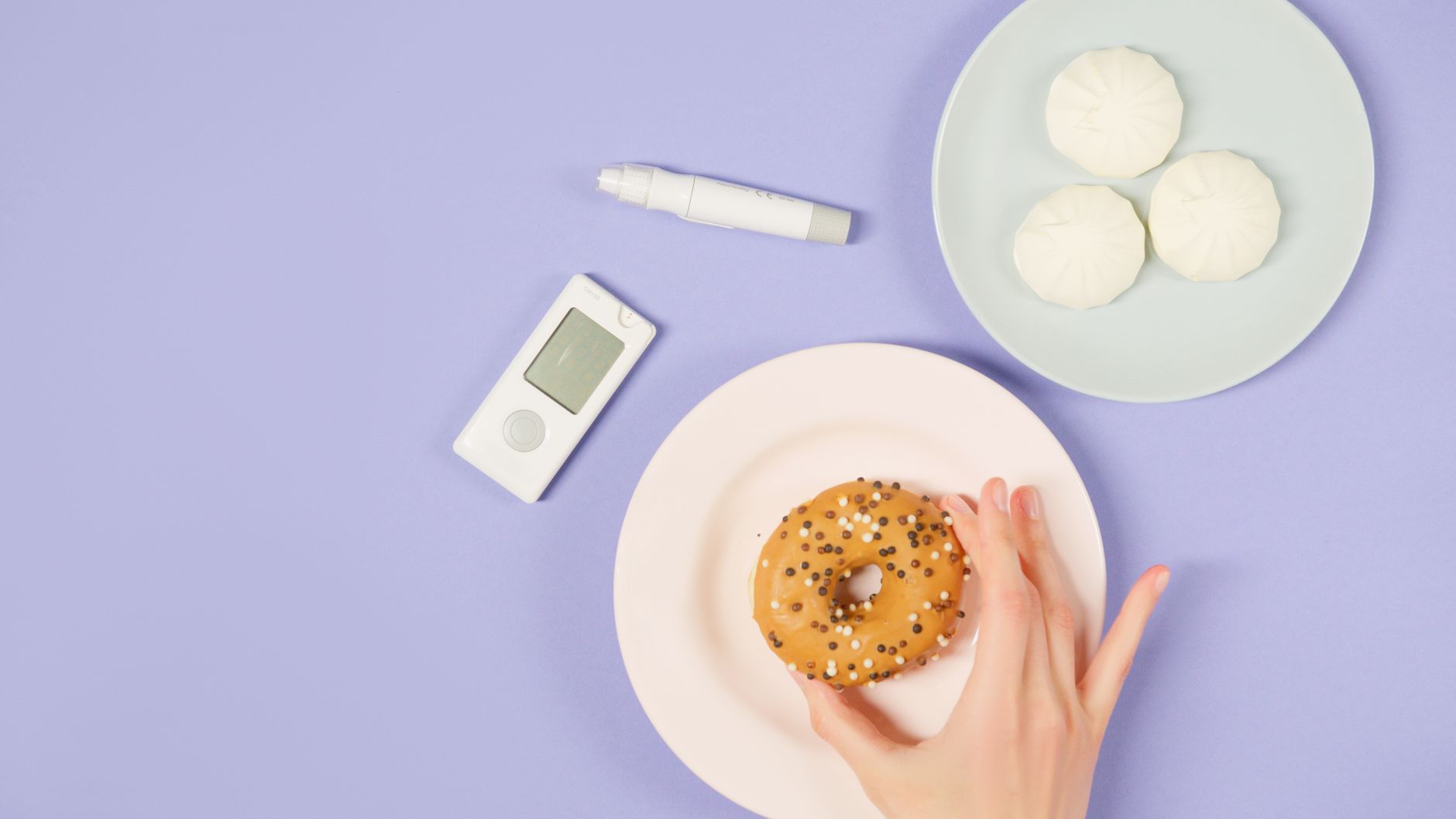
Cinnamon's potential influence on appetite and blood glucose is attributed to several bioactive compounds, primarily cinnamaldehyde and polyphenols. The proposed mechanisms are multi-faceted and operate on both a metabolic and digestive level.
Proposed Biological Mechanisms
Research suggests cinnamon may support metabolic health through the following pathways:
- Improving Insulin Sensitivity: Compounds in cinnamon appear to enhance insulin receptor signaling and promote glucose uptake by cells, which can help lower circulating blood sugar levels.
- Slowing Gastric Emptying: Cinnamon may delay the rate at which food leaves the stomach. This slower digestion can lead to a more gradual release of glucose into the bloodstream and promote a longer-lasting feeling of fullness.
- Inhibiting Digestive Enzymes: In vitro studies indicate cinnamon extracts can inhibit the activity of enzymes like alpha-glucosidase and pancreatic amylase, which break down carbohydrates in the gut, potentially moderating post-meal blood sugar spikes.
Clinical Perspective: While these mechanisms are plausible and supported by laboratory research, their translation into consistent, significant effects in humans is more variable. The impact is often modest and should be viewed as a potential adjunct to, not a replacement for, foundational lifestyle interventions like diet and exercise.
Review of Human Clinical Evidence
The clinical evidence is promising but mixed, with important limitations.
For Blood Sugar: Multiple meta-analyses of randomized controlled trials conclude that cinnamon supplementation (typically 1–6 grams daily) can lead to statistically significant, though modest, reductions in fasting blood glucose and HbA1c in people with type 2 diabetes or prediabetes. Effects in healthy, normoglycemic individuals are less clear and likely minimal.
For Appetite Control: The evidence here is more preliminary. A few small human studies suggest cinnamon can reduce postprandial glucose and increase satiety sensations. However, robust, long-term trials specifically measuring sustained appetite reduction or weight loss are lacking.
Key Limitations & Cautions: Study durations are often short (8–12 weeks), doses and cinnamon types (Ceylon vs. Cassia) vary, and results are not uniform across all trials. Individuals with liver conditions, those on diabetes medications (especially insulin or sulfonylureas, due to risk of hypoglycemia), or individuals taking blood-thinning medications should consult a physician before using cinnamon therapeutically, as it may interact with these treatments.
3. Contraindications and Risk Factors
While cinnamon is widely regarded as safe as a culinary spice, its concentrated use for therapeutic purposes, such as appetite and blood sugar management, warrants careful consideration of potential risks. The primary safety concerns stem from the coumarin content in Cassia cinnamon, the most common variety found in supermarkets. High, prolonged intake of coumarin is hepatotoxic and has been linked to liver damage in sensitive individuals.
Specific populations and conditions require particular caution or avoidance:
- Individuals with Liver Conditions: Those with pre-existing liver disease, hepatitis, or other hepatic impairments should avoid high-dose Cassia cinnamon supplements due to the added metabolic stress from coumarin.
- Patients on Antidiabetic or Anticoagulant Medications: Cinnamon may potentiate the effects of diabetes drugs (like insulin or sulfonylureas), increasing the risk of hypoglycemia. Its potential, though weak, antiplatelet effect could also theoretically increase bleeding risk when combined with blood thinners (e.g., warfarin, aspirin).
- Individuals with Allergies or Sensitivities: Although rare, allergic reactions to cinnamon can occur. Topical use can cause contact dermatitis, and inhalation of cinnamon powder can irritate the respiratory tract.
- Pregnancy and Lactation: Due to a lack of robust safety data for high medicinal doses, it is prudent for pregnant and breastfeeding individuals to limit consumption to typical culinary amounts.
Clinical Insight: The distinction between Ceylon ("true") cinnamon and Cassia cinnamon is critical in a clinical context. Ceylon cinnamon contains negligible coumarin and is the safer choice for regular, high-dose consumption. However, patients should be advised that the evidence for its glycemic benefits, while promising, is not yet conclusive enough to replace standard therapy. Any significant dietary change aimed at managing a chronic condition like diabetes should be discussed with a healthcare provider to ensure integrated and safe care.
The evidence for cinnamon's benefits is primarily derived from short-to-medium term studies. Long-term safety data for daily high-dose supplementation is limited. Furthermore, cinnamon is not a substitute for proven medical treatments for diabetes or obesity. Its role is best viewed as a potential supportive dietary adjunct, not a primary intervention.
Before incorporating cinnamon supplements or large culinary doses into a health regimen, consulting a physician is strongly advised for individuals with chronic health conditions, those taking regular medications, or anyone with concerns about potential interactions and liver health.
4. Practical Applications and Dosage Guidance

Integrating cinnamon into a dietary regimen for appetite and glycemic management requires a measured, evidence-based approach. The practical applications focus on consistency and strategic timing rather than large, infrequent doses.
Evidence-Based Application Methods
Research, including meta-analyses, suggests cinnamon's potential benefits are most consistent when consumed daily with carbohydrate-containing meals. Practical methods include:
- Beverage Infusion: Stir ½ to 1 teaspoon of ground cinnamon into morning coffee, tea, or warm water. This can be done before a meal.
- Food Incorporation: Sprinkle cinnamon onto oatmeal, yogurt, or fruit. Combining it with these foods may help modulate the postprandial glucose response.
- Culinary Use: Use it as a spice in savory dishes like curries, stews, or roasted vegetables to increase daily intake without added sweetness.
Clinical Insight: The timing relative to meals is pragmatic but not definitively proven. The theory is that consuming cinnamon with or just before a meal allows its bioactive compounds to interact with digestive enzymes and nutrients, potentially slowing carbohydrate absorption. Consistency is likely more critical than precise timing.
Dosage Considerations and Safety
Human trials investigating blood sugar have commonly used doses of 1 to 6 grams (approximately ½ to 2 teaspoons) of ground cinnamon per day, often split into two doses. A conservative and widely cited starting point is 1 gram (about ½ teaspoon) daily.
It is crucial to distinguish between Ceylon cinnamon (*Cinnamomum verum*) and the more common Cassia cinnamon (*Cinnamomum cassia*). Cassia contains significant amounts of coumarin, a compound that can be hepatotoxic in high, chronic doses. For daily use, Ceylon ("true" cinnamon) is preferred due to its negligible coumarin content.
Who should exercise caution or consult a physician?
- Individuals with liver disease or taking medications metabolized by the liver.
- Those on diabetes medications (e.g., insulin, sulfonylureas), as additive effects could risk hypoglycemia. Blood glucose must be monitored closely.
- Pregnant or breastfeeding individuals, due to limited safety data.
- Anyone with a known allergy to cinnamon or related plants.
Current evidence, while promising for glycemic parameters, is more limited regarding direct appetite suppression. Cinnamon should be viewed as one component of a broader dietary strategy focused on whole foods, fiber, and protein, not a standalone solution. Always inform your healthcare provider about any significant dietary supplements you are using.
5. Safety Precautions and Professional Consultation
While cinnamon is a common culinary spice with a long history of use, its application for therapeutic purposes, such as appetite control and glycemic management, requires a nuanced understanding of its safety profile. The evidence supporting these benefits, while promising, is primarily derived from short-term studies, often with small sample sizes and varying doses. This underscores the importance of approaching its use with caution and professional guidance.
Not all cinnamon is the same. The two main types are Cinnamomum verum (Ceylon or "true" cinnamon) and Cinnamomum cassia (Cassia cinnamon, the common supermarket variety). Cassia cinnamon contains significant amounts of coumarin, a compound that can be hepatotoxic and cause liver damage in sensitive individuals or with high, prolonged intake. Ceylon cinnamon contains negligible coumarin and is generally considered the safer choice for regular consumption.
Specific populations should exercise particular caution or avoid therapeutic doses of cinnamon:
- Individuals with Liver Disease: Due to the coumarin content in Cassia cinnamon, those with pre-existing liver conditions should avoid it and consult a hepatologist.
- Pregnant and Breastfeeding Individuals: Safety data is insufficient; it is prudent to limit intake to typical culinary amounts.
- Individuals Scheduled for Surgery: Cinnamon may affect blood glucose and coagulation; discontinuation at least two weeks prior to any procedure is typically advised.
- Those on Anticoagulant/Antiplatelet Drugs: While evidence is mixed, cinnamon in large doses may theoretically increase bleeding risk when combined with medications like warfarin or aspirin.
The most critical step is to involve a healthcare professional. Before integrating cinnamon as a supplement for health goals, discuss it with your doctor or a registered dietitian. They can help you:
- Assess potential interactions with your current medications and health conditions.
- Determine a safe and appropriate dosage and cinnamon type (preferably Ceylon).
- Place its use within the broader, evidence-based context of a balanced diet and lifestyle, which remain the cornerstone of metabolic health.
In summary, while cinnamon may offer supportive benefits, it is not a substitute for medical treatment or professional dietary advice. A cautious, informed approach that prioritizes safety and professional consultation is essential.
6. Questions & Expert Insights
Can cinnamon really help control my appetite?
The evidence for cinnamon directly suppressing appetite is preliminary and not conclusive. Some research suggests cinnamon may help modulate blood sugar levels by improving insulin sensitivity and slowing the rate at which food empties from the stomach. This more stable blood glucose environment could, in theory, reduce the sharp spikes and crashes that trigger hunger and cravings. However, most studies on these mechanisms are small, short-term, or conducted in animals. Cinnamon should not be viewed as a direct appetite suppressant. Its potential role is as a supportive element within a broader strategy that includes a balanced diet high in fiber and protein, adequate hydration, and regular physical activity—all of which have stronger evidence for promoting satiety.
What are the risks or side effects of using cinnamon for this purpose?
While culinary doses of cinnamon (typically Ceylon or "true" cinnamon) are safe for most, therapeutic doses or long-term supplementation carry risks. The primary concern is with Cassia cinnamon, the common variety in supermarkets, which contains high levels of coumarin. Chronic, high intake of coumarin can cause liver toxicity and damage. Other risks include potential interactions with diabetes and blood-thinning medications, leading to hypoglycemia or increased bleeding risk. Cinnamon can also irritate the mouth and digestive tract, causing ulcers or heartburn in some individuals. Those with liver disease, individuals on anticoagulants (e.g., warfarin), diabetes medications, pregnant or breastfeeding women, and people with known allergies should exercise particular caution or avoid supplemental use.
When should I talk to my doctor about using cinnamon for blood sugar?
You should consult your doctor or a registered dietitian before starting any regimen with cinnamon if you have a diagnosed condition like diabetes, prediabetes, or liver disease, or if you take any regular medications. This is critical to avoid dangerous interactions. For the conversation, bring a clear list of all your medications and supplements. Be prepared to discuss:
- The specific type and planned daily dose of cinnamon (e.g., "1 gram of Cassia cinnamon powder daily").
- Your reasons for wanting to use it (e.g., "to help with post-meal blood sugar spikes").
- Ask direct questions: "Could this interact with my metformin?" or "Given my liver enzyme history, is this safe?"
Is one type of cinnamon significantly better than another?
Yes, from a safety and potency perspective, the type matters significantly. Ceylon cinnamon (Cinnamomum verum) is often called "true cinnamon." It contains very low levels of coumarin, making it the safer choice for regular or higher-dose consumption. Cassia cinnamon (Cinnamomum cassia), which includes Saigon and Korintje varieties, is more common and less expensive but contains substantially higher coumarin content. Most research on blood sugar benefits has used Cassia cinnamon, but the safety concerns necessitate careful dosing. For daily culinary use, either is fine. For any intended therapeutic use exceeding ~1 teaspoon per day consistently, seeking out Ceylon cinnamon is a prudent precaution to mitigate liver risk, despite its typically higher cost.
7. In-site article recommendations
8. External article recommendations
9. External resources
The links below point to reputable medical and evidence-based resources that can be used for further reading. Always interpret them in the context of your own situation and your clinician’s advice.
-
drugs drugs.comcinnamon – Drugs.com (search)
-
healthline healthline.comcinnamon – Healthline (search)
-
examine examine.comcinnamon – Examine.com (search)
These external resources are maintained by third-party organisations. Their content does not represent the editorial position of this site and is provided solely to support readers in accessing additional professional information.