
1. Introduction to Berberine and Short-Term Cleansing Context

Berberine is a bioactive alkaloid compound extracted from the roots, rhizomes, and stem bark of several plants, including Berberis vulgaris (barberry), Coptis chinensis (goldthread), and Hydrastis canadensis (goldenseal). In clinical contexts, it is primarily recognized for its potential to modulate metabolic pathways. The compound has been the subject of numerous human trials, with the most robust evidence supporting its use for improving glycemic control and lipid profiles in individuals with type 2 diabetes and metabolic syndrome.
The concept of a "short cleanse" or detoxification protocol is prevalent in wellness culture, often implying a brief period of dietary restriction, increased intake of specific nutrients, or supplementation aimed at supporting the body's natural elimination processes. It is critical to approach this concept with scientific objectivity. The human liver, kidneys, and gastrointestinal tract are highly efficient at detoxification without the need for extreme interventions. Therefore, a modern, evidence-informed short cleanse is best framed as a temporary, structured period focused on reducing inflammatory dietary inputs, supporting hepatic enzyme function, and promoting metabolic homeostasis, rather than a "purge" of toxins.
This guide examines the rationale for incorporating berberine into such a short-term, structured protocol. The potential intersection lies in berberine's documented pharmacological actions:
- AMPK Activation: Berberine activates adenosine monophosphate-activated protein kinase (AMPK), a cellular energy sensor that can enhance glucose uptake and fatty acid oxidation.
- Gut Microbiome Modulation: Preliminary research suggests berberine may beneficially alter gut microbiota composition, which is closely tied to systemic inflammation and metabolic health.
- Anti-inflammatory Effects: It may downregulate pro-inflammatory signaling pathways, such as NF-κB, which could be supportive during a dietary reset.
Clinical Perspective: While the metabolic effects of berberine are promising, its application in short-term cleanses requires caution. The evidence for berberine is strongest in chronic management over weeks to months. Data on its efficacy and safety in very short-term, intensive protocols (e.g., 5-10 days) is limited. Furthermore, "cleansing" is not a medically recognized term, and any protocol should prioritize nutritional adequacy and safety over unproven claims of detoxification.
Individuals who should exercise particular caution or consult a physician before considering berberine, even short-term, include those who are pregnant or breastfeeding, have pre-existing liver or kidney conditions, are on medications (especially hypoglycemics, antihypertensives, or drugs metabolized by CYP450 enzymes due to potential interactions), or have a history of gastrointestinal disorders. Berberine is not a substitute for medical treatment or a balanced diet.
2. Evidence and Mechanisms of Berberine for Metabolic Support
Berberine, an alkaloid compound extracted from plants like Berberis vulgaris (barberry) and Coptis chinensis (goldthread), has garnered significant scientific interest for its potential metabolic effects. Its primary mechanism of action involves the activation of adenosine monophosphate-activated protein kinase (AMPK), a central cellular energy sensor often referred to as a "metabolic master switch."
Activating AMPK influences several key metabolic pathways:
- Glucose Metabolism: Enhances cellular glucose uptake, improves insulin sensitivity, and may inhibit hepatic gluconeogenesis (new glucose production in the liver).
- Lipid Metabolism: Promotes fatty acid oxidation in mitochondria and may inhibit the synthesis of new fatty acids and cholesterol in the liver.
- Mitochondrial Function: Supports mitochondrial biogenesis and efficiency, which is fundamental for cellular energy production.
The evidence supporting these mechanisms is robust in preclinical models. In human clinical trials, the data is promising but requires careful interpretation. Multiple meta-analyses of randomized controlled trials conclude that berberine supplementation can significantly lower fasting blood glucose, hemoglobin A1c (HbA1c), and LDL cholesterol compared to placebo. These effects are often comparable to first-line pharmaceutical agents like metformin, though the trials are typically of shorter duration (3-6 months).
Clinical Perspective: While the metabolic data is compelling, it's crucial to note that most high-quality trials have been conducted in individuals with diagnosed conditions like type 2 diabetes or metabolic syndrome. The evidence for using berberine in otherwise healthy individuals solely for "metabolic support" during a short cleanse is extrapolated and less direct. The effects on weight are generally modest and secondary to improved metabolic parameters.
Limitations of the current evidence include variability in berberine source and formulation, potential interactions with medications, and a lack of very long-term safety data. The gastrointestinal side effects, such as cramping, diarrhea, or constipation, are common and can be significant.
Who should exercise caution? Individuals with pre-existing liver conditions, pregnant or breastfeeding women, those on medications (especially blood glucose-lowering drugs, blood thinners, cyclosporine, or medications metabolized by the CYP450 enzyme system), and people with a history of hypoglycemia should not use berberine without consulting a physician. A healthcare provider can assess potential drug-nutrient interactions and ensure appropriate monitoring.
3. Risks, Contraindications, and Populations to Avoid
While berberine is a compound of significant scientific interest, its potent biological activity necessitates a clear understanding of its safety profile, especially during short-term cleanses where dosing and duration may be self-directed. A clinically responsible approach requires identifying populations for whom the risks likely outweigh any potential benefits.
Primary Contraindications and Drug Interactions
The most well-documented risk involves pharmacokinetic interactions. Berberine can inhibit cytochrome P450 enzymes (notably CYP2D6 and CYP3A4) and P-glycoprotein, potentially altering the blood levels of numerous prescription medications. This is a critical consideration for individuals on:
- Immunosuppressants (e.g., cyclosporine, tacrolimus)
- Anticoagulants/Antiplatelets (e.g., warfarin, clopidogrel)
- Certain cardiovascular drugs (e.g., metoprolol, verapamil, statins)
- Many antidepressants and antipsychotics
- Hypoglycemic agents (e.g., metformin, sulfonylureas)
Concurrent use can lead to toxicity or reduced drug efficacy. The evidence for these interactions is strong, based on established pharmacological mechanisms and clinical case reports.
Populations Who Should Avoid or Use Extreme Caution
Beyond drug interactions, specific health conditions and physiological states increase risk:
- Pregnancy and Lactation: Berberine may cross the placenta and has been associated with kernicterus (a type of brain damage) in newborns due to its potential to displace bilirubin. It is contraindicated.
- Neonates, Infants, and Young Children: Avoid due to immature metabolic systems and the bilirubin risk.
- Individuals with Liver or Kidney Impairment: As berberine is metabolized by the liver and excreted via the kidneys, impaired function can lead to accumulation and increased adverse effects.
- Those with Hypotension or Bradycardia: Berberine may lower blood pressure and heart rate, potentially exacerbating these conditions.
- People with Gastrointestinal Disorders: Common side effects like constipation, diarrhea, cramping, and flatulence can aggravate conditions like IBS or IBD.
Clinical Perspective: The "cleanse" context adds a layer of risk. Individuals may combine berberine with other supplements, extreme caloric restriction, or aggressive detox protocols, increasing the potential for dehydration, electrolyte imbalance, and adverse reactions. A short-term cleanse does not negate the compound's systemic effects or interaction potential. A pre-use review of one's complete medication and supplement list by a physician or pharmacist is non-negotiable.
The evidence for common gastrointestinal side effects is strong and dose-dependent. Evidence for more serious hepatotoxicity is limited but concerning, appearing in rare case reports, underscoring the need for caution in those with pre-existing liver conditions. Anyone considering berberine, even for a short cleanse, must disclose this intent to their healthcare provider to ensure it is appropriate for their individual health landscape.
4. Practical Evidence-Based Takeaways for Short-Term Use
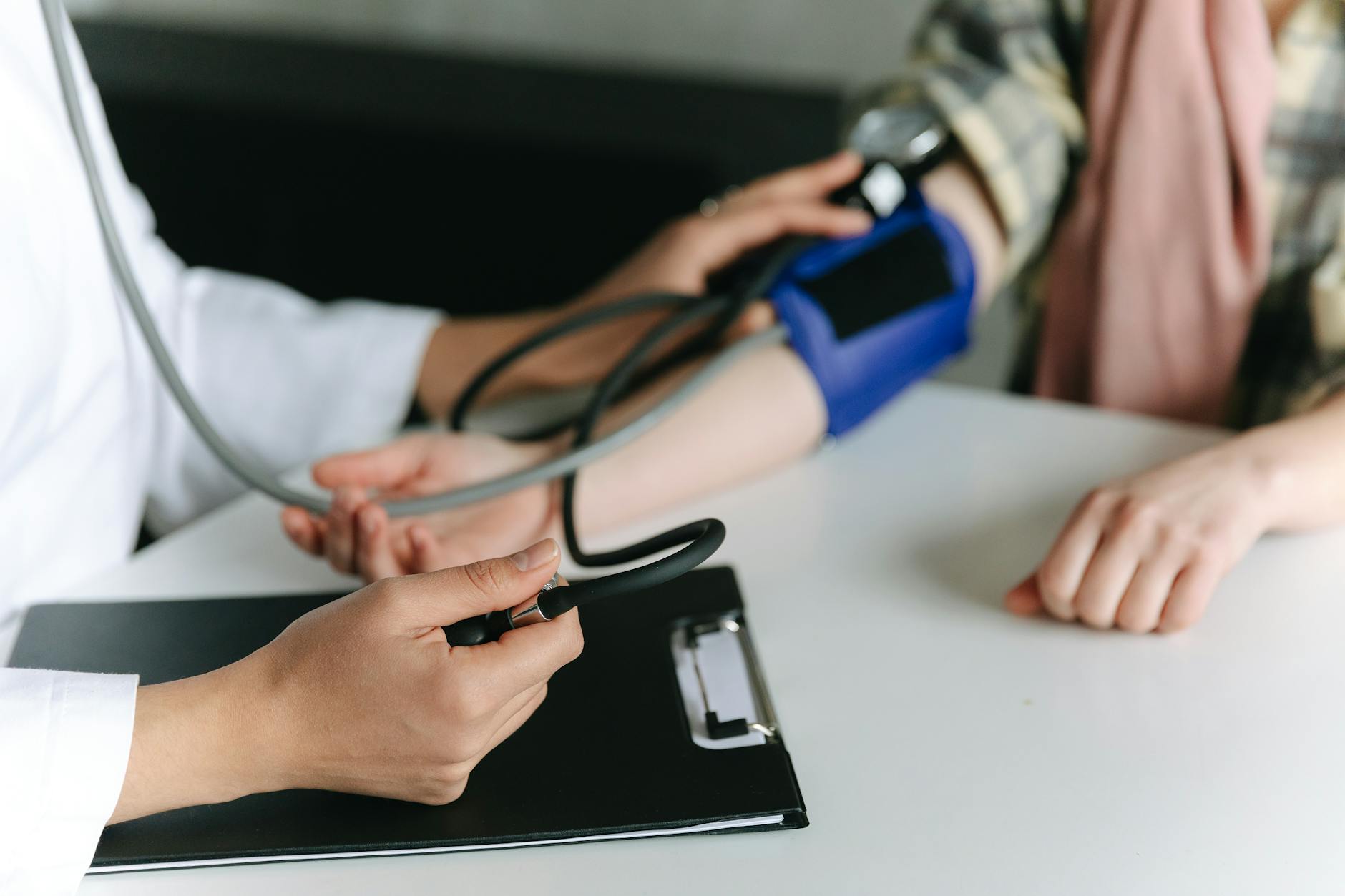
For individuals considering berberine as part of a short-term dietary cleanse, the evidence supports a measured, targeted approach. The primary, well-documented benefit of berberine is its ability to improve glycemic control and insulin sensitivity. This effect is supported by numerous randomized controlled trials, making it a strong consideration for those with metabolic health goals during a cleanse. A typical evidence-based dosage for this purpose ranges from 900 to 1500 mg per day, divided into two or three doses with meals to minimize gastrointestinal side effects and enhance absorption.
Other potential benefits, such as modest support for lipid profiles and gut microbiome modulation, are suggested by preliminary or mixed data. These effects are less robustly proven for short-term use and should not be viewed as guaranteed outcomes of a brief intervention.
To implement berberine safely and effectively for a short-term period (e.g., 2-4 weeks), consider the following structured approach:
- Define a Clear Objective: Align use with a specific, evidence-backed goal like supporting healthy blood sugar levels post-meal, rather than vague "cleansing."
- Time Your Doses: Take 300-500 mg with main meals to leverage its action on carbohydrate metabolism and reduce gastric discomfort.
- Monitor Your Response: Note any changes in digestion, energy levels, or appetite. Discontinue use if significant bloating, cramping, or constipation occurs.
- Do Not Extend Indefinitely: Short-term use limits the risk of unknown long-term effects and potential microbiome alterations. This is a cyclical tool, not a permanent daily supplement.
Important Contraindications and Cautions: Berberine is not appropriate for everyone. Pregnant or breastfeeding women must avoid it due to theoretical risks. Individuals with pre-existing liver conditions, kidney disease, or those taking medications—especially blood thinners, antiplatelet drugs, blood pressure medications, cyclosporine, or metformin—should consult a physician before use, as berberine can alter drug metabolism and potency. Its safety in children and adolescents has not been established.
The most responsible takeaway is to treat berberine as a potent, short-term adjunct for a defined metabolic purpose, not a cornerstone of detoxification. Always prioritize foundational health practices—such as whole-food nutrition, hydration, and sleep—over supplement reliance.
5. Safety Monitoring and When to Consult a Healthcare Provider
While berberine is generally well-tolerated in short-term use, its potent biological activity necessitates a proactive approach to safety monitoring. This is especially critical during a cleanse, where dietary changes may alter its effects. Self-monitoring is a key component of responsible use.
Essential Self-Monitoring Parameters
If you choose to use berberine, track the following baseline metrics and any changes during your cleanse:
- Blood Glucose: If using a glucometer, monitor fasting and post-meal levels. Berberine can significantly lower blood sugar, and combining it with a calorie-restricted cleanse increases hypoglycemia risk.
- Gastrointestinal Symptoms: Note any persistent constipation, diarrhea, bloating, or cramping, which are the most common side effects.
- Energy and Cognition: Be aware of unusual fatigue, dizziness, or brain fog, which could indicate low blood sugar or an individual intolerance.
Clinical Insight: From a pharmacokinetic perspective, berberine has a short half-life, requiring multiple daily doses to maintain stable blood levels. This can lead to fluctuating effects, particularly on blood glucose. The goal of monitoring is not just to avoid side effects, but to identify if the dosing schedule or the supplement itself is compatible with your individual physiology during the cleanse period.
Non-Negotiable: When to Consult a Healthcare Provider
You should consult a physician or pharmacist before starting berberine if you fall into any of these categories:
- Are taking prescription medications, especially for diabetes (e.g., metformin, insulin), blood pressure, cholesterol (statins), or blood thinners (e.g., warfarin). Berberine can alter drug metabolism, increasing the risk of adverse effects or reduced efficacy.
- Have a diagnosed medical condition such as diabetes, hypotension, liver disease, or kidney impairment.
- Are pregnant, breastfeeding, or trying to conceive.
- Have a history of digestive disorders like IBS or SIBO.
Discontinue use and seek medical advice during your cleanse if you experience symptoms of hypoglycemia (shaking, sweating, confusion), severe GI distress, signs of an allergic reaction, or any other concerning and persistent symptom.
The evidence for berberine's metabolic benefits is promising but largely from studies on specific populations over weeks or months, not necessarily during short-term cleanses. A healthcare provider can help you interpret your monitoring data in the context of your full health profile, ensuring any supplement use is integrated safely and effectively.
6. Questions & Expert Insights
Is berberine effective for a short cleanse, and what does the evidence actually say?
Berberine has demonstrated several biological effects in clinical research, but its application for a "cleanse" requires careful interpretation. The strongest evidence supports its use for improving metabolic parameters. Multiple meta-analyses show it can modestly lower fasting blood glucose, HbA1c, and LDL cholesterol in individuals with type 2 diabetes or metabolic syndrome. For a short-term regimen, some studies note it may support gut motility and have antimicrobial effects against certain pathogens. However, the concept of a "cleanse" or "detox" is not a medically defined term. The evidence does not support berberine "cleansing" toxins from organs or the bloodstream in a general sense. Any perceived benefits during a short course are more likely related to its documented metabolic and gut-modulating properties, not a systemic purification.
What are the key risks and side effects, and who should absolutely avoid berberine during a cleanse?
The most common side effects are gastrointestinal, including cramping, diarrhea, constipation, and flatulence, which may be pronounced during initial use. More serious risks involve drug interactions. Berberine can inhibit enzymes (CYP3A4, CYP2D6) responsible for metabolizing many prescription drugs, potentially raising their blood levels to dangerous amounts. It is contraindicated for pregnant and breastfeeding women due to the risk of kernicterus in newborns. Individuals with the following conditions should avoid it: known liver disease or elevated liver enzymes, severe kidney impairment, hypotension, or a history of hypoglycemia. It is also not suitable for children. Given these profiles, self-prescribing berberine, especially alongside medications, carries significant risk.
When should I talk to my doctor before starting a berberine cleanse, and how should I prepare for that conversation?
You should consult a physician or a registered dietitian before starting berberine if you have any pre-existing medical condition or take any regular medication—including over-the-counter drugs and supplements. This is non-negotiable due to interaction risks. To prepare, bring a complete list of all medications and supplements with their dosages. Be ready to discuss your specific health goals (e.g., "I want to manage post-meal bloating" or "I'm interested in supporting my blood sugar levels") rather than the vague aim of "cleansing." Ask direct questions: "Given my medications for [condition], is berberine safe?" and "What specific biomarkers (like liver enzymes or kidney function) should we monitor if I proceed?" This facilitates a risk-benefit analysis grounded in your personal health context.
How does the quality and sourcing of berberine supplements vary, and what should I look for?
Supplement quality is highly variable. Look for products that have undergone third-party verification for identity, purity, and strength from organizations like USP, NSF, or ConsumerLab.com. The label should specify the amount of berberine (e.g., berberine HCl) per serving, typically 500-1500 mg daily in divided doses for clinical studies. Be wary of proprietary blends that don't disclose the exact berberine dose. The source is usually the roots and bark of plants like Berberis aristata (Indian barberry) or Coptis chinensis (goldthread). Reputable brands will provide this information and often use standardized extracts to ensure consistent berberine content. Remember, a "cleanse" label is a marketing term; prioritize supplements that meet pharmaceutical-grade quality standards for their raw ingredients and manufacturing processes.
7. In-site article recommendations
8. External article recommendations
9. External resources
The links below point to reputable medical and evidence-based resources that can be used for further reading. Always interpret them in the context of your own situation and your clinician’s advice.
-
drugs drugs.comberberine supplements – Drugs.com (search)
-
healthline healthline.comberberine supplements – Healthline (search)
-
mayoclinic mayoclinic.orgberberine supplements – Mayo Clinic (search)
These external resources are maintained by third-party organisations. Their content does not represent the editorial position of this site and is provided solely to support readers in accessing additional professional information.