
1. Introduction to Berberine Supplements: Context and Current Trends
Berberine is a naturally occurring alkaloid compound found in the roots, rhizomes, and stem bark of several plants, including Berberis vulgaris (barberry), Coptis chinensis (goldthread), and Hydrastis canadensis (goldenseal). For centuries, it has been a cornerstone of traditional Chinese and Ayurvedic medicine, primarily used for its antimicrobial and gastrointestinal properties. In the contemporary wellness landscape, berberine has transitioned from a niche botanical to a widely discussed dietary supplement, driven by emerging research into its potential metabolic effects.
The current surge in popularity is largely anchored in preclinical and clinical studies investigating berberine's influence on glucose and lipid metabolism. Research, including randomized controlled trials, suggests it may activate an enzyme called AMP-activated protein kinase (AMPK), a cellular regulator often described as a "metabolic master switch." This mechanism is central to its proposed benefits for:
- Blood Sugar Regulation: Evidence from human trials indicates berberine can modestly improve glycemic markers, such as fasting blood glucose and hemoglobin A1c, in individuals with type 2 diabetes. Its efficacy appears comparable to some first-line pharmaceutical agents like metformin, though the body of evidence is smaller and of shorter duration.
- Lipid Profiles: Several studies report improvements in total cholesterol, LDL ("bad") cholesterol, and triglycerides.
- Insulin Sensitivity: Preliminary data suggests potential benefits for insulin resistance, a key factor in metabolic syndrome.
However, it is critical to contextualize this evidence. Much of the most promising data comes from studies conducted in specific populations, often with small sample sizes and limited follow-up periods. While the mechanistic science is compelling, berberine is not a pharmaceutical drug and is regulated as a dietary supplement, meaning product quality, purity, and dosage can vary significantly.
Clinical Perspective: From a clinical standpoint, berberine represents an interesting case of a traditional remedy undergoing modern scientific scrutiny. While the metabolic data is encouraging, it should not be viewed as a substitute for established medical therapy without a physician's guidance. Its role is generally considered adjunctive, and its use requires careful consideration of an individual's full health profile and current medications.
Individuals who should exercise particular caution and consult a healthcare provider before considering berberine include:
- Those taking medications metabolized by the liver (especially via the CYP450 enzyme system), including certain statins, blood thinners, and antidepressants, due to risk of interactions.
- Pregnant or breastfeeding women, as berberine may cross the placenta and has been associated with potential risks.
- Individuals with pre-existing liver conditions or severe kidney impairment.
- People on diabetes medications, due to the risk of additive effects and hypoglycemia.
This chapter sets the stage for a detailed, evidence-based exploration of berberine's proven benefits, hidden risks, and appropriate place in a modern health strategy.
2. Evidence-Based Benefits and Mechanisms of Action
Berberine, an alkaloid compound found in plants like Berberis and goldenseal, has garnered significant scientific interest for its diverse pharmacological actions. Its primary mechanism involves the activation of adenosine monophosphate-activated protein kinase (AMPK), a crucial cellular enzyme often described as a "metabolic master switch." By activating AMPK, berberine can influence glucose metabolism, lipid synthesis, and mitochondrial function, which underpins many of its proposed benefits.
Strongest Evidence: Glycemic and Lipid Control
The most robust clinical data supports berberine's role in metabolic health, primarily from randomized controlled trials (RCTs).
- Blood Glucose Management: Multiple meta-analyses conclude that berberine supplementation (typically 0.9–1.5 g/day) can significantly reduce fasting blood glucose, postprandial glucose, and HbA1c levels in individuals with type 2 diabetes, with efficacy often comparable to first-line medications like metformin. The mechanisms include improved insulin sensitivity, reduced hepatic glucose production, and enhanced glycolysis.
- Lipid Modulation: Consistent evidence shows berberine can lower total cholesterol, LDL ("bad") cholesterol, and triglycerides while raising HDL ("good") cholesterol. It appears to work by upregulating hepatic LDL receptor expression and inhibiting lipid synthesis.
Areas with Preliminary or Mixed Evidence
Other potential benefits are supported by promising but less definitive data, often from smaller, shorter-term, or preclinical studies.
- Gut Health & Microbiome: Berberine may act as a prebiotic, modulating gut microbiota composition. Some studies suggest it could improve symptoms in conditions like irritable bowel syndrome (IBS) or small intestinal bacterial overgrowth (SIBO), but larger human trials are needed.
- Cardiometabolic Markers: Beyond lipids, some research indicates potential benefits for blood pressure and markers of inflammation, though findings are not yet uniformly consistent across all populations.
- Polycystic Ovary Syndrome (PCOS): Several RCTs report improvements in insulin resistance, menstrual regularity, and ovulation rates in women with PCOS when berberine is used adjunctively. However, it is not a first-line standard of care.
Clinical Perspective: While the metabolic data is compelling, berberine is not a substitute for prescribed medication without physician supervision. Its effects are dose-dependent and can interact with numerous drugs. Furthermore, most long-term outcome studies (e.g., on cardiovascular events or diabetic complications) are still lacking. It represents a potent nutraceutical with specific, evidence-backed applications, not a universal panacea.
Who Should Exercise Caution: Individuals taking medications metabolized by the CYP450 enzyme system (e.g., cyclosporine, metformin, certain statins, antidepressants), those with pre-existing liver conditions, pregnant or breastfeeding women, and individuals with hypotension or hypoglycemia risk should consult a healthcare provider before use due to potential interactions and physiological effects.
3. Hidden Risks and Who Should Avoid Berberine
While berberine is associated with several metabolic benefits, its potent biological activity necessitates a clear understanding of its potential risks and contraindications. A responsible approach requires identifying individuals for whom the supplement may be inappropriate or dangerous.
Primary Pharmacological Risks
Berberine's most significant risk stems from its interaction with prescription medications. It is a known inhibitor of the cytochrome P450 enzyme system, particularly CYP2D6 and CYP3A4, and can affect drug transporters like P-glycoprotein. This can lead to either increased toxicity or reduced efficacy of co-administered drugs. The highest-risk interactions include:
- Cyclosporine and Tacrolimus: Berberine can drastically increase blood levels of these immunosuppressants, raising the risk of nephrotoxicity and organ rejection.
- Warfarin and other Blood Thinners: Potential to increase anticoagulant effect, elevating bleeding risk.
- Metformin and other Diabetes Medications: Concurrent use can potentiate blood glucose-lowering effects, increasing the risk of hypoglycemia.
- Certain Statins, Antidepressants, and Antiarrhythmics: Metabolism of these drugs may be altered.
Clinical Insight: The interaction risk is not theoretical; case reports document serious adverse events. Anyone on chronic medication must consult their physician or a pharmacist before considering berberine. A minimum 2–4 hour separation from other medications is often suggested but does not eliminate the risk for drugs with long half-lives or complex metabolism.
Populations Who Should Avoid or Use Extreme Caution
Beyond drug interactions, specific populations are advised to avoid berberine supplementation entirely unless under direct medical supervision:
- Pregnant and Breastfeeding Individuals: Berberine can cross the placenta and has been associated with kernicterus (a type of brain damage) in newborns due to its potential to displace bilirubin. It is contraindicated during pregnancy and lactation.
- Individuals with Liver or Kidney Impairment: As berberine is metabolized by the liver and excreted via the kidneys, pre-existing dysfunction can lead to accumulation and toxicity.
- Children and Infants: Safety and dosing data are lacking for pediatric populations.
- Those Undergoing Surgery: Due to its potential effects on blood sugar and bleeding, it should be discontinued at least two weeks prior to any scheduled procedure.
Common Side Effects and Gastrointestinal Tolerance
Up to 10% of users may experience dose-dependent gastrointestinal side effects, which are the most commonly reported adverse events. These include:
- Constipation, diarrhea, or abdominal cramping
- Flatulence and bloating
- Nausea
These effects often subside with time or by taking the supplement with meals, but they can be a limiting factor for adherence. Starting with a low dose (e.g., 500 mg daily) and gradually increasing may improve tolerance.
The decision to use berberine must be individualized and grounded in a thorough review of one's current health status and medications. The potential for harm in certain scenarios is well-documented and outweighs any potential benefit for the groups listed above.
4. Practical Takeaways for Safe and Effective Use
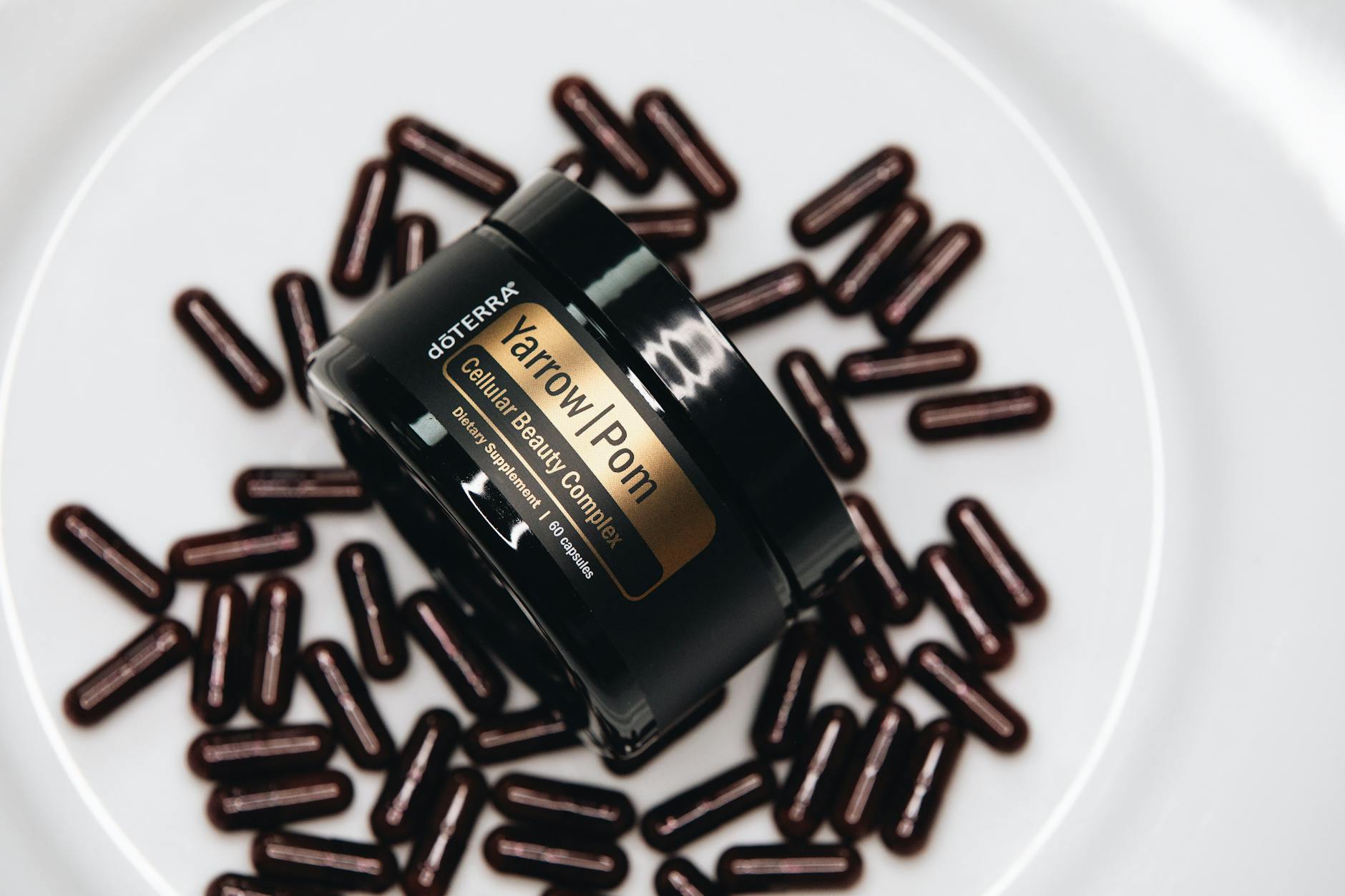
To integrate berberine into a health regimen safely, a structured, evidence-informed approach is essential. The strongest clinical evidence supports its use for improving glycemic control and lipid profiles in individuals with type 2 diabetes or metabolic syndrome. For other proposed uses, such as weight management or gut health, the evidence is more preliminary or mixed.
Key practical steps for use include:
- Consult a Healthcare Provider First: This is non-negotiable, especially for individuals with pre-existing conditions (e.g., liver or kidney disease), those who are pregnant or breastfeeding, or anyone taking prescription medications. Berberine can interact with many drugs, including blood thinners, blood pressure medications, and cyclosporine.
- Start with a Standard Dose: Most clinical trials use doses of 500 mg, taken two to three times daily with meals, totaling 1000–1500 mg per day. Starting at the lower end of this range allows you to assess tolerance.
- Time Your Doses: Taking berberine with or shortly after a meal can enhance its glucose-lowering effects for that meal and may reduce gastrointestinal side effects like cramping or diarrhea, which are the most commonly reported adverse events.
- Commit to Consistency: Berberine's effects on metabolic parameters are not immediate. Clinical benefits on blood sugar and cholesterol are typically observed after 8 to 12 weeks of consistent use.
- Consider Cycling: Some practitioners suggest a "cycle" approach—such as using berberine for 8-12 weeks followed by a 4-week break—due to its potential impact on gut microbiota and the lack of long-term safety data beyond two years. This is a cautious, pragmatic strategy.
Clinical Perspective: In practice, berberine is best viewed as a potential adjunct, not a replacement, for foundational lifestyle interventions like a balanced diet and regular exercise. Its mechanism is similar to some pharmaceuticals, so it should be treated with similar respect. Regular monitoring of liver enzymes and kidney function is a prudent precaution during long-term use, though serious adverse events are rare in otherwise healthy individuals at standard doses.
Ultimately, berberine is a potent compound with a defined role in metabolic health. Its safe use hinges on professional medical guidance, appropriate dosing, and realistic expectations aligned with the current evidence base.
5. Safety Considerations and When to Consult a Healthcare Provider
While berberine has demonstrated potential in clinical research, its potent biological activity necessitates a cautious and informed approach. A critical safety consideration is its potential for drug interactions. Berberine is metabolized by the cytochrome P450 enzyme system, particularly CYP3A4 and CYP2D6, and can inhibit these enzymes. This can significantly increase the plasma concentration and effects of numerous medications, potentially leading to toxicity.
Key medication classes that require extreme caution include:
- Immunosuppressants: Cyclosporine and tacrolimus levels can rise dangerously, risking kidney damage and rejection.
- Anticoagulants/Antiplatelets: Warfarin, clopidogrel, and others; increased risk of bleeding.
- Cardiovascular drugs: Certain statins (simvastatin, lovastatin), calcium channel blockers, and antiarrhythmics.
- Antidiabetic medications: Including metformin, sulfonylureas, and insulin; risk of hypoglycemia.
- Sedatives: Benzodiazepines and others; potentiated sedation.
Beyond interactions, specific populations should avoid or use berberine only under direct medical supervision:
- Pregnant and breastfeeding individuals: Berberine may cross the placenta and is contraindicated due to theoretical risk of kernicterus in newborns.
- Individuals with pre-existing liver conditions: Cases of reversible liver enzyme elevation have been reported.
- Those with kidney impairment: As berberine is primarily excreted renally, reduced clearance could lead to accumulation.
- Children: Safety data is insufficient.
Common, generally mild side effects include gastrointestinal distress (diarrhea, constipation, flatulence, stomach cramping), which often subside with time. However, discontinue use and consult a physician if you experience signs of jaundice (yellowing skin/eyes, dark urine), severe abdominal pain, or unexplained bruising/bleeding.
Clinical Perspective: From a pharmacovigilance standpoint, berberine should be treated as a drug, not a benign supplement. The most robust safety data comes from short-term trials (3-6 months); long-term safety profiles beyond a year are not well-established. A prudent rule is to initiate any new supplement, especially one with significant interaction potential, only after a review of your complete medication and health history by a qualified healthcare provider.
When to Consult a Healthcare Provider: You should seek professional advice before starting berberine if you take any prescription or over-the-counter medications, have a chronic health condition (especially liver, kidney, or heart disease), are pregnant or planning pregnancy, or are undergoing surgery. Furthermore, consult your provider if you experience any adverse effects while taking it. A clinician can help weigh the potential benefits against the individual risks and monitor for complications.
6. Questions & Expert Insights
Is berberine really "nature's Ozempic" for weight loss?
This comparison is an oversimplification of the evidence. Berberine may support modest weight loss—typically 2–5 kg (4–11 lbs) over 3–6 months in some studies—primarily by improving insulin sensitivity and reducing hepatic glucose production. It is not a GLP-1 receptor agonist like semaglutide (Ozempic). The mechanisms are different, and the magnitude of effect is significantly smaller. Most trials showing benefit are of short to medium duration (under 6 months) and often in populations with metabolic conditions like prediabetes or PCOS. The evidence for long-term weight management in otherwise healthy individuals is limited. It should not be viewed as a direct substitute for prescription medications, which have undergone rigorous long-term safety and efficacy trials for specific indications.
What are the most important side effects and who should absolutely avoid berberine?
The most common side effects are gastrointestinal, including cramping, diarrhea, constipation, and flatulence, which often subside with time. More serious concerns involve drug interactions and specific health conditions. Berberine can inhibit enzymes (like CYP3A4) responsible for metabolizing many prescription drugs, potentially leading to toxic levels of medications such as statins, blood thinners (e.g., warfarin), and certain antidepressants. Individuals who should avoid berberine or use it only under strict medical supervision include: pregnant or breastfeeding women (risk of kernicterus in newborns), individuals with liver disease or elevated bilirubin, those with kidney disease, people on multiple medications (polypharmacy), and anyone with a history of hypoglycemia. Its blood sugar-lowering effect, while beneficial for some, can be dangerous for others.
When should I talk to my doctor before taking berberine, and what should I bring to that appointment?
You should consult your doctor or a pharmacist before starting berberine if you have any chronic health condition (especially diabetes, liver, or kidney issues) or are taking any other medications or supplements. This is non-negotiable due to the high risk of interactions. For the appointment, come prepared with: 1) A complete list of all your current prescriptions, over-the-counter drugs, and supplements, including dosages. 2) Your latest relevant lab results (e.g., HbA1c, liver enzymes, creatinine). 3) Your specific goals for considering berberine (e.g., "managing borderline high blood sugar" or "supporting PCOS"). This allows your provider to assess potential benefits against your personal risk profile, check for contraindications, and establish a plan for monitoring.
How do I choose a high-quality berberine supplement, and what should the label tell me?
Look for products that prioritize transparency. A reputable label should clearly state: 1) The standardized amount of berberine per serving (e.g., 500 mg berberine HCl from *Berberis aristata* root extract). 2) Third-party certification seals from organizations like USP, NSF, or ConsumerLab.com, which verify content accuracy and the absence of contaminants like heavy metals. 3) A lot number and expiration date. Be wary of proprietary blends that don't disclose the exact berberine dose. The source (e.g., *Berberis aristata*, *Coptis chinensis*) is less critical than the standardization and purity. Remember, a higher price does not guarantee efficacy or safety. The evidence for benefits is generally based on doses of 900–1500 mg per day, typically divided into 2-3 doses to minimize GI upset.
7. In-site article recommendations
8. External article recommendations
9. External resources
The links below point to reputable medical and evidence-based resources that can be used for further reading. Always interpret them in the context of your own situation and your clinician’s advice.
-
mayoclinic mayoclinic.orgberberine – Mayo Clinic (search)
-
drugs drugs.comberberine – Drugs.com (search)
-
wikipedia wikipedia.orgberberine – Wikipedia (search)
These external resources are maintained by third-party organisations. Their content does not represent the editorial position of this site and is provided solely to support readers in accessing additional professional information.