
1. Introduction to Berberine and the Critical Role of Timing

Berberine is a bioactive alkaloid compound extracted from the roots, rhizomes, and stem bark of several plants, including Berberis vulgaris (barberry), Coptis chinensis (goldthread), and Hydrastis canadensis (goldenseal). In clinical practice and research, it is primarily recognized for its potential to modulate metabolic pathways. The most robust evidence supports its use for improving glycemic control in individuals with type 2 diabetes, with meta-analyses of randomized controlled trials showing it can significantly lower fasting blood glucose and hemoglobin A1c (HbA1c) levels.
However, the efficacy and tolerability of berberine are not solely dependent on the dose. A critical, and often overlooked, factor is timing—specifically, when the supplement is taken relative to meals and other medications. This is because berberine's mechanisms of action, bioavailability, and side-effect profile are intimately connected to digestive physiology and pharmacokinetics.
- Mechanism-Driven Timing: Berberine is thought to activate an enzyme called AMP-activated protein kinase (AMPK), a cellular energy sensor. Taking it with or shortly before a meal may align this activation with nutrient influx, potentially enhancing its metabolic effects.
- Bioavailability Constraints: Berberine has inherently low oral bioavailability. Its absorption can be influenced by stomach contents, and taking it with food may improve tolerance but could also alter its absorption kinetics.
- Side Effect Management: Gastrointestinal discomfort, such as cramping, diarrhea, or constipation, is the most commonly reported adverse effect. Strategic timing is a key clinical tool for mitigating these issues and improving adherence.
It is crucial to distinguish between well-established and more theoretical benefits. While the glucose-lowering effect is well-documented, evidence for other popular uses, such as weight management or lipid improvement, is more preliminary or shows mixed results. Furthermore, berberine is a pharmacologically active compound with significant drug-interaction potential.
Clinical Note: Individuals on prescription medications—especially for diabetes (e.g., metformin, insulin), hypertension, cholesterol, or immunosuppressants (e.g., cyclosporine)—must consult a physician before using berberine. It can potentiate the effects of glucose-lowering drugs, risking hypoglycemia, and interacts with drugs metabolized by the CYP450 enzyme system. It is also not recommended during pregnancy or for individuals with significant liver or kidney disease without specialist supervision.
This guide will examine the 2026 evidence landscape, moving beyond basic dosage to focus on the nuanced science of scheduling. Understanding the "when" is essential for optimizing potential benefits while minimizing risks and discomfort.
2. Evidence and Mechanisms: How Timing Affects Berberine Absorption and Action
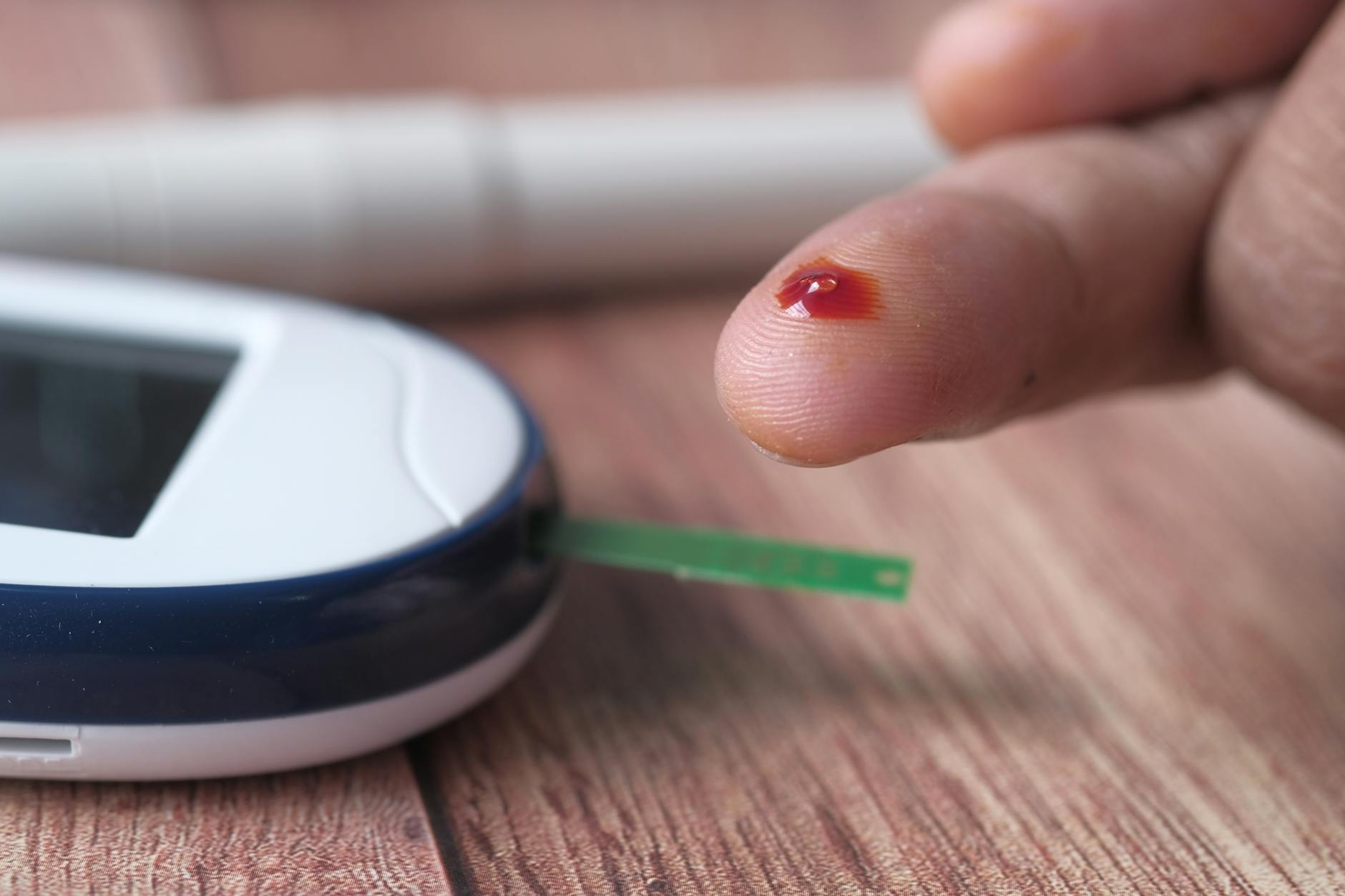
The timing of berberine supplementation is not a minor detail; it is a critical factor that directly influences its bioavailability and physiological effects. The compound's pharmacokinetics—how it is absorbed, distributed, metabolized, and excreted—are significantly modulated by the presence of food and the body's circadian rhythms.
Absorption and Bioavailability
Berberine has inherently low oral bioavailability, estimated to be less than 1% in some studies. A primary strategy to enhance absorption is to take it with meals. Food, particularly fatty acids, stimulates bile secretion. Bile acids form micelles that can solubilize berberine, improving its uptake in the small intestine. Clinical trials often administer berberine with meals for this reason, and data suggests this can increase plasma concentrations.
- With Meals: Enhances solubility and absorption via bile acid interaction. This timing is most commonly linked to its studied effects on postprandial blood glucose and lipid metabolism.
- On an Empty Stomach: May result in significantly lower systemic exposure, potentially reducing efficacy for metabolic targets.
Mechanistic Timing for Specific Actions
The intended outcome can guide timing. The evidence here is more nuanced, with some mechanisms better supported than others.
- Blood Glucose Management: Strongest evidence supports taking berberine with meals or shortly before. This timing aligns its peak absorption with the postprandial rise in blood glucose, enhancing its activation of AMP-activated protein kinase (AMPK) in tissues like the liver and muscle to improve glucose uptake.
- Gut Microbiome Modulation: Preliminary data suggests berberine acts as a bacteriostatic agent in the gut lumen. Taking it with food may prolong its transit and contact time with gut microbiota, but robust human trials confirming an optimal timing for this effect are lacking.
- Circadian Considerations: Emerging animal research indicates that AMPK activity follows a circadian rhythm. This raises a speculative but plausible hypothesis that berberine's metabolic effects might be amplified if taken at a time of day when endogenous AMPK signaling is naturally lower. This area requires much more human research.
Clinical Perspective: From a dosing standpoint, the most evidence-based practice is to split the total daily dose (typically 900-1500 mg) and take it with main meals. This maximizes bioavailability and synchronizes the compound's action with metabolic demand. However, this same mechanism increases the risk of gastrointestinal side effects (e.g., cramping, diarrhea) for some individuals, which may necessitate adjustment.
Who Should Be Cautious: Individuals with pre-existing gastrointestinal conditions, those on medications metabolized by CYP450 enzymes (e.g., cyclosporine, metformin, some statins), and individuals with hypoglycemic tendencies should consult a physician. Timing berberine close to certain medications can alter drug levels.
3. Risks and Populations to Avoid Berberine Based on Timing and Health Status
While berberine is widely researched for its metabolic benefits, its timing and mechanism of action create specific risks for certain populations. A clinically responsible approach requires understanding these interactions to avoid potential harm.
Key Populations for Whom Berberine is Contraindicated
Strong evidence supports avoiding berberine entirely in these groups due to significant safety concerns:
- Pregnancy and Lactation: Berberine can cross the placental barrier and is associated with a risk of kernicterus (a type of brain damage) in newborns. It should be strictly avoided by pregnant or breastfeeding individuals.
- Newborns and Infants: For the same reason, berberine is contraindicated in this age group.
- Individuals with Severe Liver Disease: Berberine is metabolized by the liver. In cases of cirrhosis or severe hepatic impairment, its use could exacerbate liver dysfunction.
Populations Requiring Extreme Caution and Medical Supervision
For individuals in the following categories, berberine may be problematic, and its timing relative to medications is critical. Consultation with a physician is mandatory.
- Those on Prescription Medications (Polypharmacy): This is the most critical oversight. Berberine inhibits the CYP3A4 and CYP2D6 liver enzyme pathways, which metabolize a vast array of drugs.
- Timing Risk: Taking berberine close to medications for blood pressure, cholesterol (statins), blood thinners (e.g., warfarin, clopidogrel), or antidepressants can dangerously increase their concentration in the blood.
- Clinical Guidance: Dosing berberine several hours apart from other medications is a common but not foolproof strategy. Blood levels of concomitant drugs must be monitored.
- Individuals with Diabetes on Medication: Berberine's glucose-lowering effect is additive to that of drugs like metformin, sulfonylureas, or insulin. Taking it without careful glucose monitoring and medical oversight can lead to dangerous hypoglycemia, particularly if dosed before meals or at night.
- Those with Kidney Disease: While evidence is mixed, some studies suggest berberine may accumulate in cases of renal impairment. Its use in this population requires close supervision by a nephrologist.
Expert Insight: Clinicians are often less concerned with berberine itself than with its pharmacokinetic interactions. A patient on a stable medication regimen who introduces berberine is essentially conducting an unmonitored drug interaction study. The risk isn't just theoretical; case reports document significant hypoglycemia and altered anticoagulation. The timing of the dose is a logistical attempt to mitigate a pharmacological reality that requires professional management.
General Timing-Related Side Effects
Even for generally healthy individuals, timing influences tolerability. The most common side effects are gastrointestinal (GI), including cramping, diarrhea, and constipation.
- Mitigation Strategy: Taking berberine with meals, or immediately after, can significantly reduce GI distress for many users. Starting with a low dose (e.g., 500 mg) and gradually increasing also improves tolerance.
In summary, the decision to use berberine must be preceded by a thorough review of one's health status and current medications with a qualified healthcare provider. Its potential to interact with drugs and conditions makes self-prescription a high-risk endeavor.
4. Practical Takeaways: Evidence-Based Strategies for Timing Berberine Intake
Optimizing the timing of berberine intake is not a matter of convenience but a strategy to align with its pharmacokinetics and intended physiological effects. The most consistent evidence supports taking berberine with meals or shortly before eating. This approach leverages its primary mechanism of action on metabolic pathways activated by food intake.
Core Timing Strategy: With Meals
The strongest data, primarily from studies on blood glucose and lipid management, indicate that taking berberine with or immediately before a meal (typically 0–30 minutes prior) is most effective. This timing allows the compound to be present as carbohydrate digestion begins, potentially modulating postprandial glucose spikes and enhancing satiety signals.
- For metabolic support: Take 300–500 mg with your two or three largest meals of the day.
- Rationale: This mimics the dosing schedule used in numerous clinical trials and aligns with the compound's short half-life, providing coverage during active digestion.
Considerations for Specific Goals
While meal-time dosing is the cornerstone, preliminary or mechanistic evidence suggests nuances for other uses:
- Microbiome & Gut Health: Some preclinical models suggest berberine may influence gut microbiota. Taking it with food may buffer its direct antimicrobial effects, allowing for more subtle modulation. Evidence here is early-stage.
- Evening Dosing: A single, small human study suggested a potential mild benefit for taking a dose in the evening for 24-hour glucose control. This is not yet a robust, replicated finding.
Clinical Insight: In practice, the "with meals" protocol is favored for its simplicity, evidence base, and potential to reduce transient gastrointestinal discomfort, which is the most commonly reported side effect. Spreading the total daily dose (often 1000–1500 mg) across meals also avoids a high bolus that might increase the risk of digestive upset.
Critical Cautions and Contraindications
Timing cannot mitigate all risks. Berberine can interact with numerous medications by affecting liver enzymes (CYP450) and P-glycoprotein. Crucially, it can potentiate the effects of diabetes medications (like metformin, sulfonylureas, insulin), leading to dangerous hypoglycemia if doses are not coordinated under medical supervision.
Who must consult a physician before starting: Individuals on any prescription medication (especially for diabetes, hypertension, cholesterol, or immunosuppression), those with liver or kidney conditions, pregnant or breastfeeding women, and individuals with a history of hypoglycemia or eating disorders. Self-initiating berberine, especially around medication timing, is not advised.
In summary, the evidence-based strategy is clear: dose with meals for metabolic goals. All other timing considerations are secondary to the imperative of ensuring safety through professional medical consultation, particularly for anyone managing a chronic health condition.
5. Safety Considerations and When to Seek Medical Advice Regarding Berberine

Berberine is a potent bioactive compound with clinically significant effects on metabolism and gut health. Its therapeutic potential is accompanied by a distinct safety profile that requires careful consideration. A responsible approach involves understanding its pharmacodynamics, potential interactions, and specific contraindications.
Key Safety Considerations
The most common adverse effects are gastrointestinal, including abdominal discomfort, constipation, or diarrhea, which often subside with continued use. More serious considerations involve its systemic effects:
- Drug Interactions: Berberine is a moderate inhibitor of the cytochrome P450 enzyme CYP3A4 and can inhibit P-glycoprotein. This can significantly increase plasma levels of numerous medications, including certain statins (e.g., simvastatin), blood thinners (e.g., warfarin), immunosuppressants (e.g., cyclosporine), and some antidepressants.
- Hypoglycemia Risk: Its glucose-lowering action is well-documented. For individuals on diabetes medications (insulin, sulfonylureas, metformin), concurrent use without medical supervision can lead to dangerously low blood sugar.
- Pregnancy and Lactation: Berberine is contraindicated during pregnancy due to evidence it can cross the placenta and may stimulate uterine contractions. Its safety during breastfeeding is not established.
Clinical Insight: From a pharmacokinetic perspective, berberine's interaction profile is its primary safety concern. Clinicians often treat it with the same caution as a pharmaceutical when reviewing a patient's medication list. The risk of additive hypoglycemic or hypotensive effects is not trivial and requires proactive management.
When to Seek Medical Advice
Consulting a physician or pharmacist before starting berberine is strongly advised, particularly for the following individuals:
- Anyone taking prescription medications, especially for cardiovascular conditions, diabetes, mental health, or organ transplantation.
- Individuals with pre-existing liver conditions, as rare cases of berberine-associated liver injury have been reported in the literature.
- Those with kidney disease, due to concerns about altered clearance and accumulation.
- Pregnant, breastfeeding, or individuals trying to conceive.
- People with a history of hypotension or who experience dizziness after starting berberine.
Discontinue use and seek immediate medical attention if you experience signs of severe hypoglycemia (confusion, sweating, palpitations), jaundice (yellowing of skin or eyes), or unexplained muscle pain or weakness (a potential sign of a statin interaction).
Ultimately, while berberine is a promising nutraceutical, it is not benign. Integrating it into a health regimen should be a deliberate decision made in partnership with a healthcare professional who can assess your full clinical picture.
6. Questions & Expert Insights
Is there an ideal time of day to take berberine for maximum benefit?
The concept of "ideal timing" for berberine is often linked to its primary use for blood sugar management. The most consistent evidence supports taking berberine with meals or shortly before eating. This timing leverages its proposed mechanism of activating AMP-activated protein kinase (AMPK), which can influence glucose uptake and mimic some effects of insulin. Taking 500 mg with each main meal (e.g., breakfast, lunch, dinner) is a common dosing strategy in clinical studies. For those using it for post-meal glucose spikes, timing it 10-15 minutes before a meal may be considered. However, for other proposed uses like supporting lipid metabolism or gut health, the evidence for precise timing is less clear. It's crucial to note that individual responses vary, and the total daily dose (typically 900-1500 mg in divided doses) is more strongly evidence-based than the exact minute of administration.
What are the most significant risks or side effects, and who should absolutely avoid berberine?
Berberine is not benign. The most common side effects are gastrointestinal, including cramping, diarrhea, constipation, and flatulence, which often subside with time or dose adjustment. More serious risks involve drug interactions. Berberine can inhibit cytochrome P450 enzymes (notably CYP3A4 and CYP2D6) and P-glycoprotein, potentially raising blood levels of numerous medications to dangerous levels. This includes certain statins, blood thinners (e.g., warfarin, clopidogrel), immunosuppressants (e.g., cyclosporine), and many antidepressants. It is contraindicated in pregnancy and lactation due to theoretical risk of kernicterus in newborns. Individuals with pre-existing liver conditions, severe kidney impairment, or a history of hypoglycemia should use extreme caution or avoid it. Due to its glucose-lowering effect, individuals with diabetes on medication must monitor blood sugar closely to avoid dangerous hypoglycemia.
When should I definitely talk to my doctor before starting or changing my berberine regimen?
Consult a physician or a specialist (e.g., endocrinologist, cardiologist, or pharmacist) if you fall into any of these categories: 1) You have a diagnosed medical condition, especially diabetes, heart disease, liver or kidney issues. 2) You are taking any prescription or over-the-counter medications regularly—this is non-negotiable due to interaction risks. 3) You are pregnant, planning pregnancy, or breastfeeding. 4) You are undergoing surgery, as berberine may affect bleeding and blood sugar control. For the conversation, bring a complete list of all medications and supplements, your specific berberine product (with brand and dosage information), and a clear description of your health goals. Ask specifically: "Could this interact with my current medications?" and "Given my health history, are there specific side effects or monitoring you recommend?"
How strong is the evidence for berberine's benefits beyond blood sugar support?
While berberine's effects on glycemic control are supported by a reasonable body of human randomized controlled trials (RCTs), evidence for other uses is more preliminary and should be interpreted with caution. For lipid management, some RCTs show modest improvements in LDL cholesterol and triglycerides, but the effects are not uniform and are often studied in populations with metabolic syndrome. Claims regarding weight loss, polycystic ovary syndrome (PCOS), and gut health are based on smaller, shorter-duration studies, mechanistic research, or animal models. While promising, these areas lack the volume of large, long-term, definitive human trials needed for strong clinical recommendations. It is not a proven substitute for established treatments in these conditions. The evidence landscape is evolving, but current data best supports its role as an adjunctive therapy for metabolic health under professional supervision.
7. In-site article recommendations
8. External article recommendations
Related Resources
9. External resources
The links below point to reputable medical and evidence-based resources that can be used for further reading. Always interpret them in the context of your own situation and your clinician’s advice.
-
mayoclinic mayoclinic.orgberberine – Mayo Clinic (search)
-
healthline healthline.comberberine – Healthline (search)
-
drugs drugs.comberberine – Drugs.com (search)
These external resources are maintained by third-party organisations. Their content does not represent the editorial position of this site and is provided solely to support readers in accessing additional professional information.