
1. Introduction to Chia Seeds: Context and Rationale
Chia seeds (Salvia hispanica L.) have transitioned from an ancient Mesoamerican staple to a modern functional food. This chapter provides a foundational, evidence-based context for their nutritional profile and the rationale for their inclusion in a balanced diet, setting the stage for the practical guidance that follows.
From a nutritional standpoint, chia seeds offer a concentrated source of several beneficial components. The evidence for their macronutrient composition is robust and well-established:
- Dietary Fiber: Approximately 34-40 grams per 100g, predominantly soluble fiber which forms a gel-like substance when hydrated.
- Plant-Based Omega-3 Fatty Acids: Rich in alpha-linolenic acid (ALA), a precursor to longer-chain omega-3s like EPA and DHA.
- Complete Protein: Contain all nine essential amino acids, making them a valuable protein source for plant-based diets.
- Micronutrients: Provide minerals such as calcium, magnesium, phosphorus, and trace amounts of zinc and B vitamins.
The primary health rationale for consuming chia seeds centers on this unique composition. The high soluble fiber content is strongly linked to improved satiety, moderated post-meal blood glucose levels, and support for regular bowel function. The ALA content contributes to dietary omega-3 intake, which is associated with cardiovascular health, though it is important to note that the human body's conversion of ALA to the more potent EPA and DHA is inefficient and varies between individuals.
Clinical Perspective: While the nutrient density of chia seeds is clear, clinicians view them as a component of a dietary pattern, not a singular solution. Their benefits for specific health outcomes, such as significant reductions in LDL cholesterol or blood pressure, are supported by some clinical trials but remain an area of ongoing research with mixed results. The evidence is strongest for their role in increasing fiber intake and promoting glycemic control in the context of a meal.
It is crucial to approach their use with appropriate caution. Individuals with a history of dysphagia (swallowing difficulties), gastrointestinal strictures, or major digestive surgeries should consume chia seeds only in a thoroughly pre-hydrated (gel) form to avoid obstruction. Those on blood-thinning medications or with upcoming surgical procedures should discuss significant dietary changes in omega-3 intake with their physician due to potential, though mild, antiplatelet effects. As with any high-fiber food, a gradual introduction is advised to mitigate gastrointestinal discomfort.
This context frames chia seeds as a nutrient-dense, versatile food whose value lies in its contribution to overall dietary quality, rather than as a "superfood" with isolated, miraculous effects. The following chapters will build on this foundation with practical, evidence-informed applications.
2. Evidence and Mechanisms of Chia Seed Effects
The purported health benefits of chia seeds are primarily attributed to their unique nutritional composition. The evidence supporting these effects varies in strength, with the most robust data linked to their high fiber and omega-3 fatty acid content. Understanding the mechanisms helps separate established science from preliminary findings.
Strongly Supported Mechanisms
The most consistent evidence surrounds chia's impact on digestion and metabolic markers, driven by its soluble fiber.
- Glycemic Control: When mixed with liquid, chia forms a viscous gel that slows the breakdown of carbohydrates and the absorption of glucose in the gut. Multiple randomized controlled trials (RCTs) show this can lead to modest reductions in post-meal blood sugar spikes in individuals with type 2 diabetes or insulin resistance.
- Appetite and Satiety: The gel-forming property increases gastric volume, promoting a feeling of fullness. This is a well-understood physiological mechanism, though its long-term impact on weight management is less clear and depends on overall diet.
- Cholesterol Management: The soluble fiber binds to bile acids in the intestine, promoting their excretion. The liver then uses blood cholesterol to synthesize new bile acids, which can lead to a reduction in LDL ("bad") cholesterol levels, as shown in several meta-analyses.
Areas with Preliminary or Mixed Evidence
Other potential benefits are plausible based on nutrient profile but lack conclusive human trial data.
- Inflammation & Heart Health: Chia is rich in the plant-based omega-3 alpha-linolenic acid (ALA). While ALA is a precursor to anti-inflammatory compounds, the conversion rate in the human body is inefficient. Studies on chia's direct effect on inflammatory biomarkers or cardiovascular event reduction have yielded mixed results.
- Blood Pressure: Some small, short-term studies suggest a minor hypotensive effect, possibly due to fiber, ALA, or minerals like magnesium. However, larger, longer-term trials are needed to confirm this as a reliable outcome.
Clinical Perspective: From a mechanistic standpoint, chia seeds function as a functional food, not a pharmaceutical. Their primary benefits—improved glycemic response and satiety—are most relevant in the context of a balanced diet. The evidence does not support claims that they alone can "reverse" disease. Their effect on hard endpoints like heart attacks or stroke remains speculative and is likely indirect through improved metabolic parameters.
Important Cautions: Individuals with swallowing difficulties, esophageal strictures, or significant gastrointestinal disorders like Crohn's disease should use caution due to the gel-forming nature. Those on blood-thinning medication or with upcoming surgery should discuss high chia intake with a doctor due to its ALA content, which may have mild antiplatelet effects. Always consume chia with ample fluids to prevent gastrointestinal blockage.
3. Risks, Contraindications, and Populations to Avoid

While chia seeds are generally safe for most people when consumed in typical culinary amounts, a responsible approach requires awareness of potential adverse effects and specific contraindications. The primary risks stem from their high fiber content, potential for drug interactions, and specific medical conditions.
Gastrointestinal Distress and Fiber Intake
The most common adverse effects are gastrointestinal. A single ounce (28 grams) provides about 10 grams of fiber. A sudden, significant increase in dietary fiber can cause:
- Bloating, gas, and abdominal discomfort
- Constipation, particularly if fluid intake is not simultaneously increased
- Diarrhea in some individuals
To mitigate this, introduce chia seeds gradually into your diet and ensure you consume ample water, as they absorb 10–12 times their weight in liquid.
Medication Interactions and Bleeding Risk
Evidence for direct, clinically significant drug interactions is limited and primarily based on theoretical concerns or animal studies. However, prudence is warranted.
- Anticoagulants/Antiplatelets (e.g., warfarin, aspirin): Chia seeds are a source of omega-3 alpha-linolenic acid (ALA), which in very high doses may have mild antiplatelet effects. The risk from normal food amounts is likely low, but patients on these medications should maintain consistent intake and inform their physician.
- Blood Pressure Medications: A few small studies suggest chia may have a mild hypotensive effect. Those on antihypertensive drugs should monitor their blood pressure, as an additive effect is theoretically possible.
- Diabetes Medications: Due to chia's potential to slow carbohydrate absorption and improve glycemic control, there is a theoretical risk of hypoglycemia when combined with insulin or other glucose-lowering drugs. Blood glucose monitoring is recommended.
Specific Populations to Exercise Caution or Avoid
- Individuals with Dysphagia or Swallowing Difficulties: Dry chia seeds can expand rapidly when exposed to moisture. Ingesting them dry, followed by a drink, poses a serious risk of esophageal obstruction. They must always be consumed pre-soaked or incorporated into foods with adequate moisture.
- Those with Kidney Disease: Chia seeds are high in phosphorus and potassium. In advanced chronic kidney disease (CKD), where mineral balance is compromised, excessive intake could contribute to hyperkalemia or hyperphosphatemia. A renal dietitian should guide consumption.
- People with Seed Allergies: While uncommon, allergic reactions to chia seeds have been reported. Those with known allergies to mustard seeds or sesame seeds may be at higher risk due to potential cross-reactivity.
- Pre- and Post-Operative Patients: Given the theoretical bleeding risk, it may be prudent to discontinue high-dose chia seed supplementation 1–2 weeks before elective surgery, as is often recommended for other omega-3 supplements.
The overarching recommendation is to treat chia seeds as a food, not a medicine. For the general population consuming 1–2 tablespoons daily as part of a varied diet, risks are minimal. However, individuals with the conditions mentioned above should consult a physician or registered dietitian before making them a dietary staple.
4. Practical Takeaways: Smart Incorporation into Diet
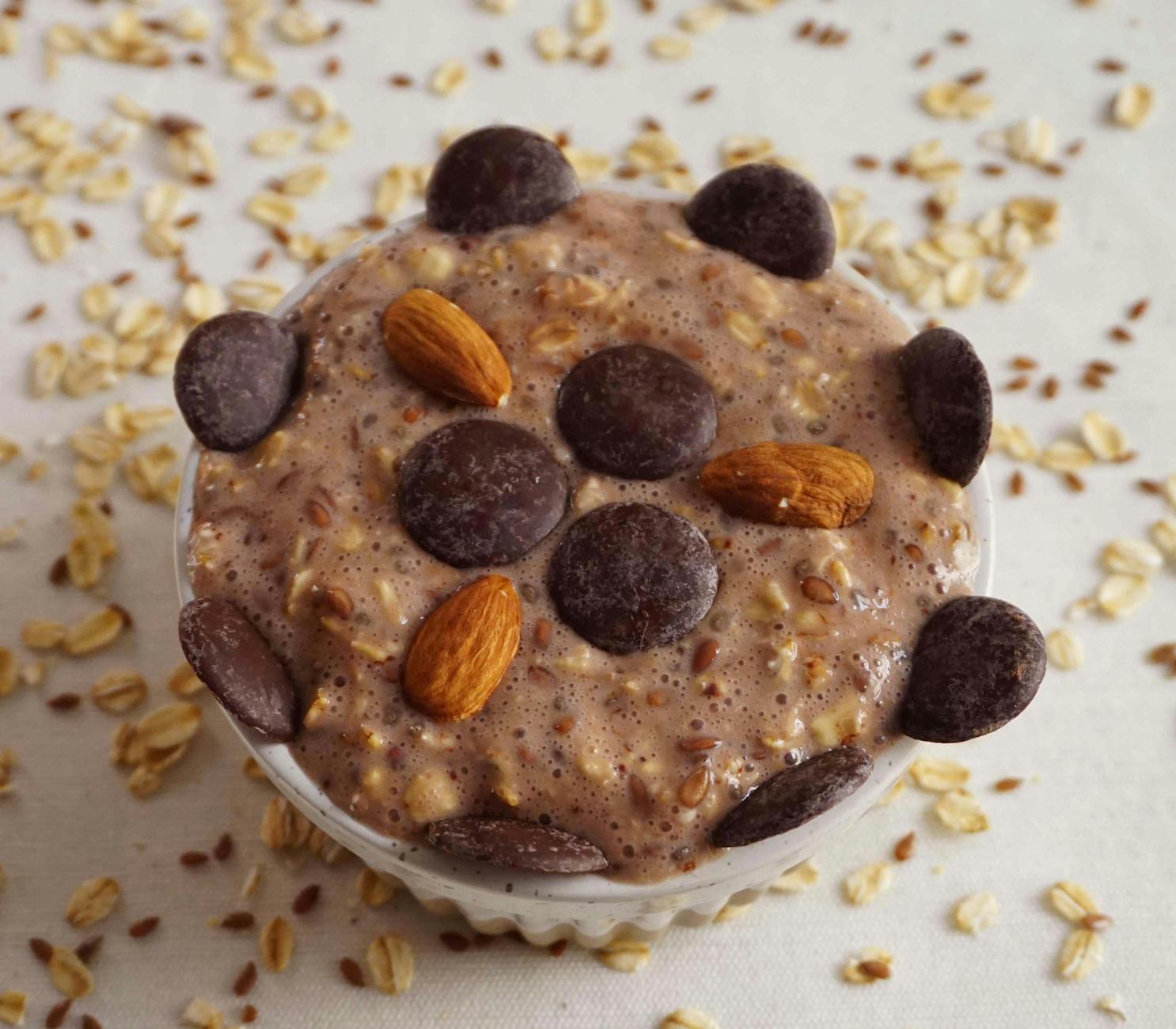
Incorporating chia seeds into your diet should be approached with a focus on evidence-based benefits and practical safety. The strongest evidence supports their role as a source of soluble fiber, which can aid in promoting satiety and supporting regular bowel function. Their omega-3 fatty acid content, primarily alpha-linolenic acid (ALA), is well-documented, though the conversion to active forms like EPA and DHA in the body is limited.
To integrate chia seeds effectively and safely, consider the following structured approach:
- Start Low, Go Slow: Begin with one teaspoon (approximately 5 grams) daily to assess tolerance, particularly to the high fiber content. Gradually increase to a common serving size of one to two tablespoons (10-20 grams) to minimize potential gastrointestinal discomfort like bloating or gas.
- Prioritize Hydration: Due to their exceptional water-absorbing capacity, always consume chia seeds with ample fluids. Soaking them for 10-30 minutes to form a gel is an effective method, especially if adding to beverages like water, smoothies, or plant-based milk.
- Versatile, Neutral Additions: Their mild flavor makes them a simple functional addition to existing foods. Stir into oatmeal or yogurt, blend into smoothies, use the gel as an egg substitute in baking, or sprinkle over salads.
Clinical Insight: While chia seeds are generally safe for most, their high fiber and fat content necessitates caution for specific individuals. Those with a history of dysphagia (swallowing difficulties), esophageal strictures, or inflammatory bowel disease during a flare-up should avoid dry chia seeds, as they can expand and cause obstruction. Individuals on blood-thinning medications like warfarin should consult their physician due to chia's vitamin K content, which can affect coagulation. Always increase fiber intake alongside adequate water to prevent constipation.
Claims regarding chia seeds directly causing significant weight loss or dramatically lowering blood sugar should be viewed with caution. While the fiber can contribute to a feeling of fullness and moderate postprandial glucose responses, these effects are supportive and not a substitute for comprehensive dietary and medical management of conditions like diabetes or obesity.
The most prudent takeaway is to treat chia seeds as a nutrient-dense component of a varied diet, not a singular solution. For individuals with chronic kidney disease, diverticulitis, or those making significant dietary changes, consulting a registered dietitian or physician is recommended to ensure safe and appropriate incorporation.
5. Safety Considerations and When to Seek Medical Advice
While chia seeds are generally recognized as safe for most people when consumed in typical food amounts, a responsible approach requires awareness of potential adverse effects and specific contraindications. This chapter outlines key safety considerations to help you integrate chia seeds into your diet without unnecessary risk.
Potential Adverse Effects and Interactions
The high fiber content of chia seeds, while beneficial, is the most common source of discomfort. A sudden, large increase in intake can lead to gastrointestinal issues such as bloating, gas, or abdominal pain. To mitigate this, introduce chia seeds gradually and ensure adequate fluid intake, as they absorb 10–12 times their weight in water.
More significant considerations involve medication interactions and pre-existing conditions:
- Blood Thinners: Chia seeds contain a moderate amount of vitamin K and alpha-linolenic acid (ALA), which may theoretically affect blood clotting. Individuals on anticoagulant medications like warfarin should maintain consistent intake and discuss any dietary changes with their physician.
- Blood Pressure Medications: Due to potential blood pressure-lowering effects suggested by preliminary animal and small human studies, those on antihypertensive drugs should monitor their blood pressure and consult their doctor to avoid hypotension.
- Prostate Cancer Risk (Theoretical): The ALA in chia seeds has been the subject of observational studies with mixed results regarding a potential link to prostate cancer. The evidence is not conclusive and is considered speculative; however, men with a personal or strong family history of prostate cancer may wish to discuss this with their oncologist or urologist.
Clinical Perspective: From a clinical standpoint, the primary concern with chia seeds is not toxicity but the potential for exacerbating underlying conditions or interfering with medication management. The fiber and gelling properties are the most immediate physiological factors to consider. Always contextualize supplement or "superfood" intake within your overall health picture.
Who Should Exercise Caution or Seek Advice First?
Certain individuals should consult a healthcare provider before regularly consuming chia seeds:
- Individuals with Dysphagia or Swallowing Difficulties: Dry chia seeds can expand rapidly and pose a choking hazard if not pre-soaked. Always consume them in a gel or liquid form.
- Those with a History of Bowel Obstructions, Diverticulitis, or Inflammatory Bowel Disease (IBD): The high insoluble fiber content may be problematic during flare-ups.
- People with Kidney Disease: Chia seeds are a source of phosphorus and potassium. Impaired kidney function can lead to dangerous accumulation of these minerals.
- Individuals with Known Seed Allergies: While rare, allergic reactions to chia seeds have been documented.
- Pregnant or Breastfeeding Women: While likely safe in food amounts, there is limited high-quality research on pharmacological doses during these periods. Prudence dictates moderation and consultation with an obstetrician.
The overarching principle is one of moderation and individualization. For the general population, 1-2 tablespoons (15-30 grams) daily of soaked seeds is a commonly cited and likely safe serving size. When in doubt, especially with a complex medical history or medication regimen, seeking personalized advice from a doctor or registered dietitian is the most evidence-based and trustworthy step.
6. Questions & Expert Insights
Can chia seeds really help with weight loss, or is that just hype?
The evidence for chia seeds directly causing weight loss is limited and mixed. The proposed mechanism is plausible: their high soluble fiber content (about 10 grams per ounce) absorbs water, forming a gel that can increase satiety and slow gastric emptying, potentially reducing overall calorie intake. However, clinical trials have shown inconsistent results. Some short-term studies note modest benefits for appetite control, while others find no significant impact on weight. It's crucial to view chia seeds not as a "magic bullet" but as one component of a nutrient-dense, calorie-controlled diet. Simply adding them to your current eating pattern without other changes is unlikely to lead to weight loss. Their true value lies in displacing less nutritious foods, not in acting as a standalone supplement.
What are the main risks or side effects of eating chia seeds, and who should avoid them?
The most common risk is gastrointestinal distress, particularly if consumed dry or without adequate fluid. The seeds expand significantly, which can cause bloating, gas, or, in rare cases, esophageal or intestinal blockage if not taken with plenty of water. Individuals with a history of swallowing difficulties, strictures, or certain inflammatory bowel diseases like Crohn's should exercise extreme caution. Furthermore, chia seeds contain about 5 grams of alpha-linolenic acid (ALA) per ounce. While beneficial for most, individuals on blood-thinning medications (e.g., warfarin) or with bleeding disorders should consult their doctor, as high ALA intake may theoretically affect clotting. Starting with a small dose (e.g., one teaspoon) and ensuring proper hydration is the safest approach.
When should I talk to my doctor about incorporating chia seeds, and what information should I bring?
Consult your physician or a registered dietitian before significantly increasing chia intake if you have: chronic kidney disease (due to notable phosphorus content), a history of prostate cancer (concerning high ALA intake, though evidence is inconclusive), are on medication for blood pressure or blood thinning, or have a diagnosed digestive disorder. For the appointment, bring a clear log of your typical daily diet, a list of all medications and supplements, and your specific goals (e.g., "I want to use chia to help manage cholesterol"). This allows your provider to assess potential nutrient interactions (e.g., with mineral absorption) or medication effects and give personalized, safe guidance that integrates chia seeds into your overall care plan.
Is the omega-3 in chia seeds as good as the kind in fish oil?
No, they are not directly equivalent, and this is a critical distinction. Chia seeds provide alpha-linolenic acid (ALA), a plant-based omega-3 fatty acid. The body must convert ALA into the longer-chain forms—eicosapentaenoic acid (EPA) and docosahexaenoic acid (DHA)—which are the forms linked to most cardiovascular and brain health benefits. This conversion process in humans is notoriously inefficient, estimated at less than 10%. Fish oil and fatty fish provide pre-formed EPA and DHA. Therefore, while ALA from chia is a beneficial anti-inflammatory fat and part of a heart-healthy diet, it cannot be relied upon as a sole or primary source of EPA/DHA for therapeutic purposes, such as high-dose triglyceride lowering. For those following a vegetarian diet, algae-based supplements are a direct source of DHA and EPA.
7. In-site article recommendations
8. External article recommendations
9. External resources
The links below point to reputable medical and evidence-based resources that can be used for further reading. Always interpret them in the context of your own situation and your clinician’s advice.
-
healthline healthline.comchia seeds – Healthline (search)
-
examine examine.comchia seeds – Examine.com (search)
-
mayoclinic mayoclinic.orgchia seeds – Mayo Clinic (search)
These external resources are maintained by third-party organisations. Their content does not represent the editorial position of this site and is provided solely to support readers in accessing additional professional information.