
1. Introduction to Chia Seeds: Nutritional Context and Historical Overview

Chia seeds, derived from the plant Salvia hispanica, have transitioned from an ancient dietary staple to a modern functional food. This chapter provides an objective overview of their nutritional composition and historical context, establishing a foundation for understanding their potential role in contemporary meal planning.
Historical and Botanical Context
Chia was a fundamental crop for ancient Mesoamerican civilizations, including the Aztecs and Mayans, valued for its energy-sustaining properties. The term "chia" is thought to derive from the Nahuatl word for "strength." Following a period of obscurity, systematic cultivation was revived in the late 20th century, leading to its current global availability.
Core Nutritional Profile
Modern analysis confirms chia seeds as a nutritionally dense food. A standard 28-gram (one-ounce) serving provides a concentrated source of several key nutrients:
- Fiber: Approximately 10-11 grams, predominantly soluble fiber which forms a gel-like substance when hydrated.
- Plant-Based Omega-3 Fatty Acids: About 5 grams of alpha-linolenic acid (ALA).
- Plant-Based Protein: A complete protein profile, offering 4-5 grams per serving.
- Minerals: Significant amounts of calcium, magnesium, phosphorus, and manganese.
- Antioxidants: Contains various polyphenols, such as chlorogenic acid and caffeic acid.
Clinical Perspective on Evidence: The high fiber and ALA content are well-established. Strong evidence supports the benefits of dietary fiber for digestive health and cardiovascular risk reduction. The evidence for chia seeds specifically improving cardiovascular markers (like LDL cholesterol) or aiding weight management is more mixed, with some studies showing modest benefits and others showing neutral effects. The conversion of ALA to the more bioactive EPA and DHA in the human body is limited.
Cautions and Considerations
While generally safe for most adults, certain individuals should exercise caution:
- Those with swallowing difficulties or a history of esophageal strictures should consume chia seeds only when fully hydrated to avoid obstruction.
- Individuals on blood-thinning medications (e.g., warfarin) or with upcoming surgery should discuss high ALA intake with a physician due to its theoretical antiplatelet effect.
- Due to the high fiber content, introducing chia seeds gradually is advised to minimize gastrointestinal discomfort.
This nutritional and historical context frames chia seeds as a whole food with a unique nutrient matrix. Subsequent chapters will examine the application of this profile within specific dietary strategies, weighing the evidence for purported health effects.
2. Evidence and Mechanisms: Scientific Basis for Chia Seed Benefits

The purported health benefits of chia seeds are primarily attributed to their unique nutritional composition. The scientific basis for these benefits centers on three core mechanisms: high soluble fiber content, the presence of alpha-linolenic acid (ALA), and a rich supply of polyphenolic antioxidants.
Core Mechanisms of Action
The most robust evidence supports benefits related to cardiovascular and metabolic health, driven by specific mechanisms:
- Viscous Fiber & Glycemic Control: Chia seeds are exceptionally high in soluble fiber, which forms a gel-like substance when mixed with liquids. This gel slows gastric emptying and the enzymatic breakdown of carbohydrates in the small intestine, leading to a more gradual release of glucose into the bloodstream. This mechanism is well-supported and explains chia's potential role in improving postprandial blood sugar levels.
- ALA & Lipid Metabolism: Chia seeds are one of the richest plant sources of the omega-3 fatty acid ALA. Human trials, while sometimes mixed, generally indicate that regular chia consumption can modestly reduce serum triglycerides and increase HDL ("good") cholesterol. The anti-inflammatory effects of ALA metabolites may also contribute to cardiovascular protection, though the conversion of ALA to the more potent EPA and DHA in the body is inefficient.
- Antioxidant & Anti-inflammatory Effects: The seed's polyphenols, such as chlorogenic acid and caffeic acid, exhibit antioxidant activity in vitro. This may help mitigate oxidative stress, a contributor to chronic disease. However, direct evidence from human trials linking chia-specific antioxidants to measurable health outcomes is more limited and preliminary.
Strength of the Evidence
It is crucial to distinguish between strongly supported mechanisms and areas with more tentative data.
Stronger Evidence: The impact of chia's viscous fiber on moderating post-meal blood glucose and promoting satiety is consistently demonstrated in clinical settings. Its favorable effect on blood lipids, particularly triglycerides, is also reasonably well-substantiated.
Limited or Mixed Evidence: Claims regarding direct weight loss, significant blood pressure reduction, or marked improvement in inflammatory markers in humans are not consistently proven. Many studies are short-term, involve small sample sizes, or show variable results. Benefits are often most apparent in individuals with existing metabolic risk factors.
Clinical Perspective: From a dietary standpoint, chia seeds are a nutrient-dense functional food. Their mechanisms align with established principles for managing cardiometabolic health: increasing fiber and healthy fats. They are best viewed as one component of a balanced diet, not a singular solution. Patients on blood-thinning medications or with swallowing difficulties (dysphagia) should consult a physician, as chia's high fiber and ALA content require consideration in these contexts.
3. Risks and Contraindications: Who Should Avoid Chia Seeds
While chia seeds are celebrated for their nutritional profile, their unique physical properties and potent bioactive compounds necessitate a cautious approach for specific individuals. A responsible integration into a meal plan requires an understanding of these potential risks and contraindications.
Primary Risks: Gastrointestinal and Mechanical
The most common adverse effects are gastrointestinal, primarily linked to their high soluble fiber content. A sudden, significant increase in fiber intake can cause bloating, gas, and abdominal discomfort. The seeds' ability to absorb up to 10–12 times their weight in water poses a specific mechanical risk: consuming dry seeds without sufficient liquid can lead to esophageal impaction or intestinal blockage, a rare but serious event documented in case reports.
- Pre-hydration is key: Always soak chia seeds in liquid (e.g., water, milk, yogurt) for at least 10–15 minutes before consumption to allow them to form a gel.
- Gradual introduction: Start with a small dose (e.g., ½ teaspoon daily) and increase slowly over weeks to allow the gut microbiome to adapt.
- Adequate hydration: Ensure ample fluid intake throughout the day when consuming chia regularly.
Specific Populations Requiring Caution or Avoidance
Certain medical conditions and medications warrant particular vigilance. Individuals in the following groups should consult a physician or registered dietitian before adding chia seeds to their diet.
- Individuals with swallowing disorders (dysphagia) or esophageal strictures: The gel-like consistency of hydrated chia seeds can be difficult to manage and may increase aspiration or blockage risk.
- Those with a history of bowel obstruction, Crohn's disease, or diverticulitis: The bulk-forming effect, while often beneficial for constipation, can be problematic during active disease flares or in narrowed bowel segments.
- People on blood-thinning medications (e.g., warfarin) or with bleeding disorders: Chia seeds are a rich source of omega-3 alpha-linolenic acid (ALA), which may have mild antiplatelet effects. While evidence for a clinically significant interaction in typical dietary amounts is limited, caution and medical supervision are advised to avoid potential additive effects.
- Individuals with known seed allergies: Allergies to chia seeds are uncommon but possible. Those with allergies to mustard seeds or sesame seeds may be at higher risk due to potential cross-reactivity.
- People preparing for surgery: Due to the theoretical bleeding risk, it is often recommended to discontinue chia seed consumption 1–2 weeks prior to elective surgical procedures, in line with general guidance for supplements that may affect coagulation.
Clinical Perspective: From a clinical standpoint, the fiber and fluid interaction is the most immediate concern. I advise patients, especially those with gastrointestinal histories, to treat chia as a functional food requiring preparation, not a casual sprinkle. For those on anticoagulants, we monitor INR more closely when introducing significant new sources of ALA, erring on the side of caution despite the current lack of strong trial data demonstrating harm at culinary doses.
In summary, chia seeds are not universally appropriate. Their benefits can be safely harnessed by most people through proper preparation and gradual dosing, but a proactive assessment of individual health status is a necessary first step.
4. Practical Takeaways: Evidence-Based Integration into Meal Plans

Integrating chia seeds into a meal plan should be guided by evidence for efficacy and safety. The strongest data supports their role in increasing dietary fiber and alpha-linolenic acid (ALA) intake, which can contribute to improved satiety and cardiovascular health markers when part of a balanced diet.
To leverage these benefits, consider the following evidence-based strategies:
- Start with a Standard Serving: A typical serving is one tablespoon (approximately 12 grams). This provides about 4-5 grams of fiber, helping to meet daily recommendations without causing significant gastrointestinal distress for most individuals.
- Prioritize Hydration: Due to their high soluble fiber content, chia seeds absorb 10-12 times their weight in water. Always consume them with ample fluids or after they have been soaked (e.g., in chia pudding) to prevent potential esophageal blockage or constipation.
- Use as a Functional Food Additive: Their mild flavor and gelling properties make them versatile. Sprinkle ground or whole seeds on yogurt, blend into smoothies, or use as an egg substitute in baking (1 tbsp chia seeds + 2.5 tbsp water = 1 egg).
The evidence for direct, dramatic weight loss or disease reversal from chia seeds alone is limited. Their primary value lies in nutrient density and their ability to modestly improve the nutritional profile of meals, potentially displacing less healthy ingredients.
Clinical Consideration: While generally safe, individuals with a history of dysphagia, esophageal strictures, or inflammatory bowel disease (IBD) flares should use caution with dry seeds. Those on blood-thinning medications (e.g., warfarin) or with prostate cancer concerns should consult a physician, as the high ALA content may theoretically affect bleeding time and hormone metabolism, though clinical significance in typical dietary amounts is uncertain.
A practical, sustainable approach is to treat chia seeds as one component of a varied diet. For example, adding them to a breakfast oatmeal enhances fiber content, which is supported by robust evidence for promoting digestive health. Their integration should be gradual to assess individual tolerance.
5. Safety Considerations: When to Seek Medical Advice
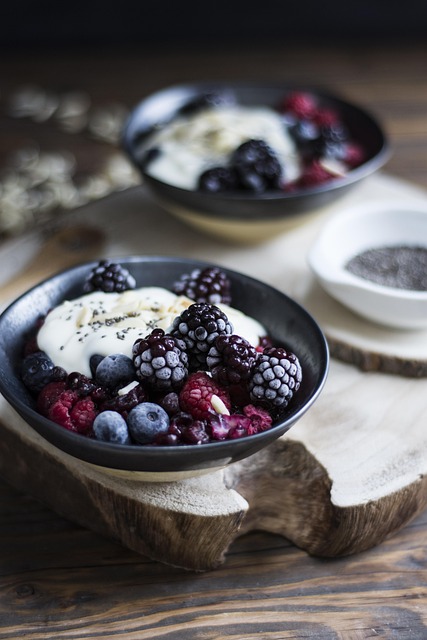
While chia seeds are generally safe for most people when consumed as part of a balanced diet, their unique nutritional profile necessitates specific safety considerations. A responsible approach involves understanding potential interactions and contraindications.
Key Populations for Caution
Certain individuals should consult a healthcare professional before significantly increasing chia seed intake:
- Individuals with swallowing difficulties or esophageal strictures: Dry chia seeds can absorb up to 10–12 times their weight in liquid. If consumed dry and followed by a drink, they can form a gel-like bolus in the esophagus, posing a significant risk of obstruction. Always pre-soak chia seeds for at least 10–15 minutes before consumption.
- Those on blood-thinning medications (e.g., warfarin): Chia seeds are a rich source of omega-3 alpha-linolenic acid (ALA), which may have mild antiplatelet effects. While evidence for a clinically significant interaction in typical dietary amounts is limited, individuals on anticoagulant or antiplatelet therapy should discuss consistent chia intake with their physician to ensure stable INR levels.
- People with a history of gastrointestinal obstruction, Crohn's disease, or diverticulitis: The high fiber content, while beneficial for most, can exacerbate symptoms during acute flares or in the presence of strictures. Introduce fiber gradually and with adequate hydration.
- Individuals with kidney disease: Chia seeds contain notable amounts of phosphorus and potassium. For patients with advanced chronic kidney disease (CKD) who require dietary phosphorus and potassium restriction, unmonitored chia seed consumption could contribute to mineral imbalance.
Clinical Insight: In practice, the most common adverse event related to chia seeds is gastrointestinal discomfort—bloating, gas, or abdominal pain—from a rapid increase in fiber intake. This is not an allergy but a sign the gut microbiome is adjusting. The mitigation strategy is straightforward: start with a small dose (e.g., ½ teaspoon daily), ensure ample water intake, and increase slowly over weeks. Patients presenting with dysphagia should always be asked about consumption of "superfoods" like dry chia or flax seeds.
Allergies and Drug Interactions
True chia seed allergy is rare but documented. Symptoms can range from oral allergy syndrome to hives or, in severe cases, anaphylaxis. Those with known allergies to mustard seeds or sesame seeds may have a higher risk due to potential cross-reactivity, though evidence for this is preliminary.
Regarding drug interactions beyond blood thinners, the primary consideration is for medications whose absorption may be affected by high fiber or gel-forming substances. To minimize any potential interference, take prescription medications at least 1–2 hours apart from a chia seed meal or supplement.
Practical Takeaway: For the majority, chia seeds are a safe and nutritious addition. The imperative to seek medical advice is strongest for individuals with the pre-existing conditions listed above, those on specific medications, or anyone experiencing persistent adverse symptoms after consumption. A brief conversation with a doctor or registered dietitian can provide personalized guidance.
6. Questions & Expert Insights
Are chia seeds a proven "superfood" for weight loss, or is this just hype?
The evidence for chia seeds directly causing weight loss is preliminary and should be interpreted with caution. The primary mechanism proposed is their high soluble fiber content, which can absorb water, expand in the stomach, and promote feelings of fullness (satiety). This may help reduce overall calorie intake if consumed as part of a balanced meal. However, human trials have shown mixed results. Some small, short-term studies note modest benefits for satiety, while others find no significant impact on body weight or composition. It is critical to understand that no single food causes weight loss. Chia seeds are a nutrient-dense addition to a diet, but their effect is likely negligible if simply added to an existing diet without other changes. Viewing them as a supportive tool for a calorie-controlled diet, rather than a standalone solution, is the most evidence-based perspective.
What are the main risks or side effects of adding chia seeds to my diet, and who should be cautious?
While generally safe for most, chia seeds pose specific risks that require awareness. The most common issue is gastrointestinal discomfort—bloating, gas, or constipation—especially when intake is increased abruptly or without sufficient fluid. Their extreme water-absorbing capacity is a key risk: consuming dry chia seeds without adequate liquid can cause them to swell and potentially cause esophageal blockage, a serious concern for individuals with swallowing difficulties. From a medical perspective, individuals on blood-thinning medications (e.g., warfarin) or with bleeding disorders should consult a doctor, as chia seeds are rich in vitamin K and omega-3s, which can affect coagulation. Those with a history of bowel obstructions, diverticulitis (though the old advice to avoid seeds in diverticulosis is largely debunked), or upcoming surgery should also exercise caution and seek medical advice.
I want to try chia seeds for heart health. When should I talk to my doctor, and what information should I prepare?
You should consult your doctor or a cardiologist before significantly increasing chia intake if you have a known heart condition, are on medication, or have chronic kidney disease. This is crucial for integrating dietary changes safely with your treatment plan. Prepare for the conversation by bringing: 1) A list of all your current medications and supplements, especially blood thinners, blood pressure drugs, or diuretics. 2) Your typical daily diet pattern. 3) Your specific health goals (e.g., lowering LDL cholesterol, reducing triglycerides). 4) The intended chia dose (e.g., "one tablespoon daily"). This allows your doctor to assess potential nutrient-medication interactions, advise on a safe starting amount, and determine if chia seeds are an appropriate adjunct to your current therapy. They can also help set realistic expectations, as dietary changes are one component of comprehensive cardiovascular risk management.
Is the omega-3 in chia seeds as beneficial as the omega-3 from fish oil?
This is a critical distinction grounded in biochemistry. Chia seeds contain alpha-linolenic acid (ALA), a plant-based omega-3 fatty acid. The omega-3s in fish oil are eicosapentaenoic acid (EPA) and docosahexaenoic acid (DHA). While ALA is an essential nutrient, the human body converts it to EPA and DHA at a very low and inefficient rate (typically less than 10%). Therefore, chia seeds are not a reliable direct source of the EPA and DHA that have strong, evidence-backed benefits for reducing triglycerides, supporting brain health, and modulating inflammation. For individuals following a vegetarian or vegan diet, chia seeds are a valuable source of ALA. However, for those seeking the specific cardiovascular or neurological benefits associated with EPA and DHA, direct sources like fatty fish or algae-based supplements are necessary. Chia seeds contribute to overall omega-3 intake but are not a direct substitute for marine-sourced omega-3s.
7. In-site article recommendations
8. External article recommendations
9. External resources
The links below point to reputable medical and evidence-based resources that can be used for further reading. Always interpret them in the context of your own situation and your clinician’s advice.
-
healthline healthline.comchia seeds – Healthline (search)
-
examine examine.comchia seeds – Examine.com (search)
-
wikipedia wikipedia.orgchia seeds – Wikipedia (search)
These external resources are maintained by third-party organisations. Their content does not represent the editorial position of this site and is provided solely to support readers in accessing additional professional information.