
1. Introduction: Defining Functional Movement Patterns for 2026

As we approach 2026, the concept of "functional movement patterns" has evolved from a fitness buzzword into a foundational principle in rehabilitation, athletic training, and preventative health. Clinically, it refers to integrated, multi-joint movements that mimic or directly support the activities of daily living, occupational tasks, and recreational pursuits. The core premise is that training these fundamental patterns—rather than isolated muscles—improves neuromuscular coordination, enhances real-world capacity, and may reduce injury risk by addressing movement inefficiencies.
The contemporary expert consensus identifies several primary patterns as essential. These typically include:
- Squatting: A hip-dominant pattern for sitting, standing, and lifting from the ground.
- Hinging: A posterior-chain dominant pattern (e.g., deadlift) critical for safe bending and lifting.
- Lunging/Stepping: Unilateral patterns essential for walking, climbing stairs, and maintaining dynamic balance.
- Pushing & Pulling: Both horizontal and vertical planes, representing upper-body interactions with the environment.
- Rotating & Anti-rotating: Core-driven patterns for changing direction, throwing, and resisting torsional forces.
- Gait (Walking/Carrying): The most fundamental locomotor and load-transport pattern.
The evidence supporting a pattern-based approach is robust in contexts like post-operative rehabilitation and fall prevention in older adults, where task-specific training yields clear functional gains. For general fitness and performance, observational and cohort studies strongly suggest benefits for movement economy and resilience. However, it is important to note that high-quality, long-term randomized controlled trials comparing pattern-based training directly to other modalities for preventing injuries in healthy populations are more limited, and optimal dosing remains an area of ongoing research.
Clinical Perspective: From a clinical standpoint, "functional" is not a generic label but is defined by the individual's goals and demands. A movement is functional if it improves one's ability to perform a necessary or desired task safely and efficiently. The assessment of movement quality—how one performs the pattern—is now considered as important as the capacity to perform it. Compensations or pain during a fundamental pattern are key diagnostic clues for underlying dysfunction.
Individuals with existing joint pain, recent surgery, neurological conditions, or significant balance impairments should seek evaluation from a physical therapist or qualified healthcare provider before undertaking a new movement-based program. A tailored assessment can identify which patterns need correction, which should be modified, and how to progress safely.
2. Evidence and Mechanistic Insights into Functional Movement Benefits

The benefits of functional movement training are supported by a robust body of evidence, primarily through its impact on neuromuscular coordination, musculoskeletal health, and metabolic function. The mechanistic rationale is grounded in exercise physiology and biomechanics, explaining why this approach is often prioritized in rehabilitation and performance settings.
Key Mechanistic Pathways
Functional movements engage the body in an integrated manner, which drives several physiological adaptations:
- Enhanced Neuromuscular Efficiency: Multi-joint, multi-planar movements improve intermuscular and intramuscular coordination. This leads to more efficient force production and reduced energy expenditure for daily tasks.
- Improved Proprioception and Joint Stability: By challenging balance and requiring stabilization, these movements enhance sensory feedback (proprioception) and strengthen the often-neglected stabilizer muscles around joints, potentially reducing injury risk.
- Metabolic and Hormonal Response: Compound movements recruit large muscle masses, which can elicit favorable metabolic and anabolic hormonal responses (e.g., increased growth hormone secretion) compared to isolated exercises, supporting body composition goals.
Strength of Evidence and Considerations
The evidence is strongest for functional training's role in improving measures of physical function, balance, and mobility, particularly in older adults and clinical populations like those with chronic low back pain. Data supporting its superiority for raw strength or hypertrophy in trained athletes compared to traditional resistance training is more mixed and context-dependent.
A significant limitation in the literature is the lack of a universal, standardized definition of "functional movement," which can make direct study comparisons challenging. Many trials also have relatively short follow-up periods.
Clinical Insight: From a rehabilitation perspective, the principle of specificity is key. The greatest functional carryover occurs when training closely mimics the demands of a patient's or athlete's goal activity. It is not a one-size-fits-all solution; a squat pattern may be highly functional for one individual but irrelevant or contraindicated for another.
Who Should Exercise Caution: Individuals with acute injuries, significant joint instability, severe osteoporosis, or uncontrolled cardiovascular conditions should consult a physician or physical therapist before beginning a functional movement program. Proper technique progression is non-negotiable to mitigate injury risk.
3. Risks, Contraindications, and Populations Requiring Caution
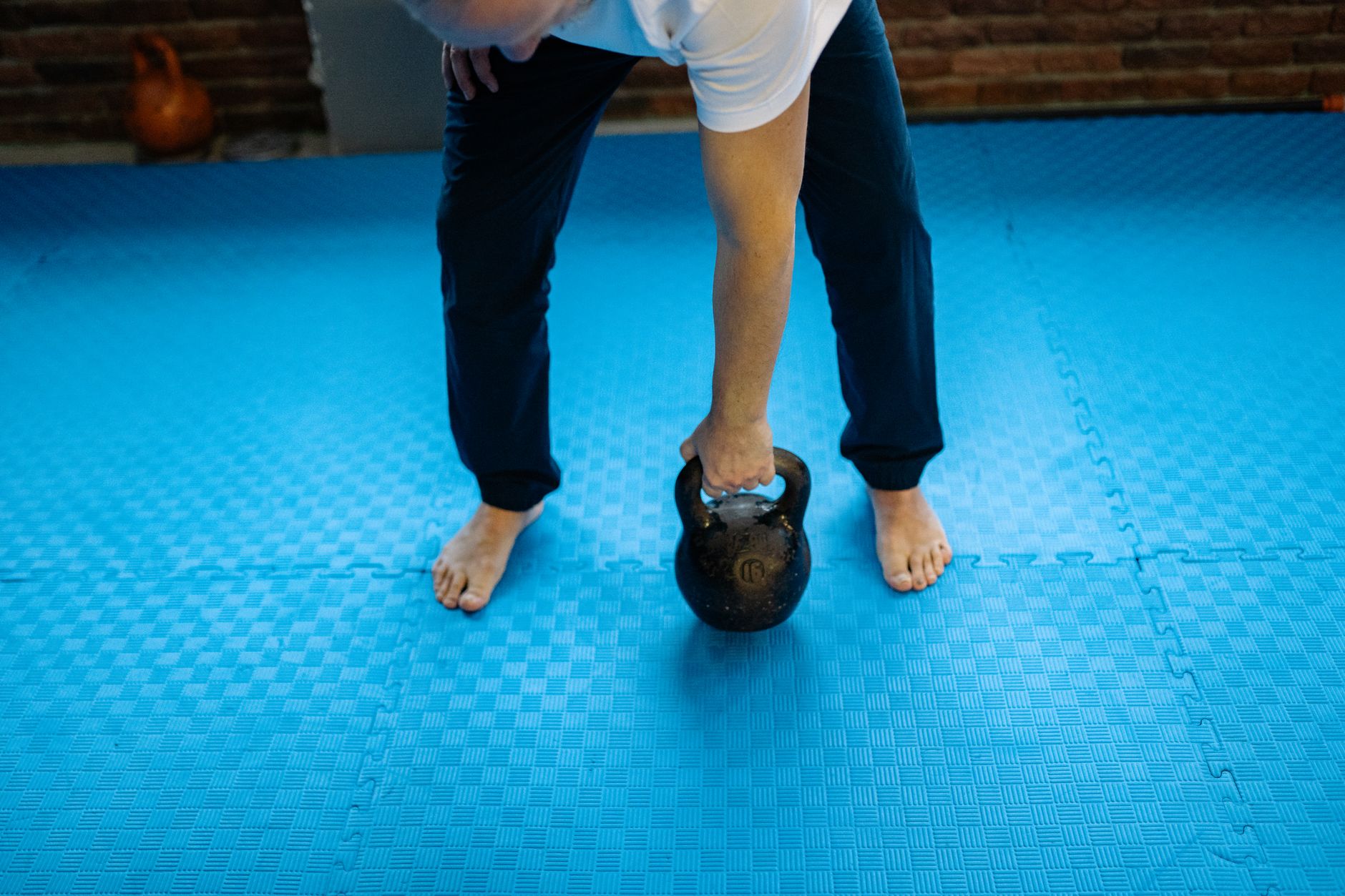
While functional movement training offers significant benefits, its application is not universal. A foundational principle of clinical practice is to first do no harm, which necessitates a clear understanding of contraindications and populations requiring modified approaches. The primary risks include musculoskeletal injury from improper loading or technique, and the exacerbation of pre-existing conditions.
Absolute and Relative Contraindications
Certain conditions warrant avoiding specific functional patterns until cleared by a healthcare professional. Absolute contraindications typically involve acute, unstable states:
- Recent fractures or surgical procedures (e.g., post-total joint replacement, spinal fusion) where bone or soft tissue healing is incomplete.
- Acute inflammatory or infectious conditions, such as active tendonitis, bursitis, or disc herniation with radiculopathy.
- Uncontrolled cardiovascular or pulmonary disease (e.g., unstable angina, severe hypertension).
Relative contraindications require significant exercise modification and professional guidance. These include managed chronic conditions like osteoporosis (risk of vertebral compression with axial loading), significant joint instability (e.g., shoulder subluxation, ACL-deficient knee), and certain neurological disorders affecting balance or motor control.
Populations Requiring Specialized Guidance
Several groups should undertake functional movement training with caution and ideally under supervision:
- Individuals with chronic pain syndromes (e.g., fibromyalgia, chronic low back pain): Programming must be highly individualized, prioritize pain neuroscience education, and avoid boom-bust cycles.
- Older adults with sarcopenia or frailty: Focus must be on foundational stability and gait mechanics before adding external load, with a high emphasis on fall prevention.
- Pregnant individuals: While movement is encouraged, modifications are necessary due to hormonal changes affecting ligament laxity and shifts in center of gravity. Exercises involving supine positioning or high risk of loss of balance should be avoided in later stages.
- Those with a history of disordered eating or exercise addiction
Clinical Perspective: The most common error is applying a generic "functional" progression to a person with specific biomechanical or medical compromises. A squat pattern, for example, may be contraindicated for someone with symptomatic femoroacetabular impingement but could be replaced with a hip hinge emphasis. The key is to regress the movement to a pain-free capacity, often starting with isometric holds or partial range-of-motion, rather than omitting it entirely. A thorough screening process, which may include a movement assessment like the Functional Movement Screen (FMS) or similar, is a prudent first step for anyone with a significant medical history.
Before initiating any new functional training regimen, individuals with the conditions mentioned above, or those who are deconditioned or returning from injury, should consult with a physician, physical therapist, or a certified exercise professional with experience in clinical populations. This ensures programming is both safe and effectively tailored to individual needs and limitations.
4. Practical Takeaways: Integrating Functional Movements Safely into Daily Life
Integrating functional movement patterns into daily life is a practical approach to enhancing physical resilience and mobility. The core principle is to move your body through its fundamental, multi-joint patterns—such as squatting, hinging, pushing, pulling, and carrying—in a controlled, mindful manner. The evidence supporting the benefits of this approach for improving strength, balance, and reducing injury risk in general populations is robust and well-established.
Begin by identifying natural opportunities for movement within your existing routine. For example:
- Squat Pattern: Practice sitting down and standing up from a chair without using your hands for support, focusing on controlled movement.
- Hinge Pattern: When picking up a light object from the floor, bend at your hips and knees while keeping your back straight, as if you were performing a deadlift.
- Carry Pattern: Carry grocery bags evenly in both hands, or challenge your core by carrying a single, heavier item (like a water jug) close to your body.
Start with bodyweight-only movements and very light loads. Prioritize quality of movement—smooth, controlled, and pain-free—over quantity or speed. Consistency with low-intensity practice is more beneficial and safer than sporadic, high-effort sessions.
Clinical Perspective: From a rehabilitation standpoint, we view functional integration as "greasing the groove" for essential movement patterns. The goal is neurological re-education and building movement confidence, not maximal strength training. This daily practice helps reinforce proper motor patterns that protect joints during unexpected demands. However, it is not a substitute for a structured exercise program for addressing specific deficits or performance goals.
It is important to note that while the general benefits are clear, evidence for its specific efficacy in managing chronic pain conditions is more mixed and highly individual. Proceed with caution and discontinue any movement that causes sharp or increasing pain.
Who should seek medical advice first? Individuals with acute injuries, unstable joints, significant osteoporosis, chronic pain conditions, or those who are pregnant should consult with a physician or physical therapist before modifying their movement patterns. This guidance is also crucial for anyone with a history of falls or balance disorders to ensure exercises are appropriately adapted for safety.
5. Safety Considerations and Indications for Professional Medical Consultation

While functional movement training is a foundational component of modern exercise science, its application is not universally appropriate without professional oversight. A key principle is that movement must be adapted to the individual, not the individual forced into a movement pattern. The evidence strongly supports the benefits of functional training for general populations, but its implementation requires careful consideration of personal health status and movement competency.
Certain individuals should seek consultation with a qualified healthcare provider—such as a physician, physical therapist, or sports medicine doctor—before initiating or modifying a functional movement program. This is a standard precaution, not an indication of failure.
- Pre-existing Pain or Injury: Any acute pain, chronic joint pain (e.g., in the knee, shoulder, or spine), or a history of recent musculoskeletal injury necessitates evaluation. "Working through the pain" in functional patterns can exacerbate underlying issues.
- Post-Surgical or Medical Conditions: Individuals recovering from surgery, or those with diagnosed conditions such as osteoporosis, significant arthritis, cardiovascular disease, or uncontrolled hypertension require medically supervised guidance to ensure exercise safety.
- Neurological or Balance Disorders: Conditions affecting proprioception, coordination, or balance (e.g., Parkinson’s disease, vestibular disorders, neuropathy) increase fall risk during dynamic movements and require specialist input.
- Significant Mobility Limitations: Severe range-of-motion restrictions or an inability to perform basic movement patterns (like a bodyweight squat) safely indicate a need for foundational rehab before progressing to integrated functional training.
Clinical Perspective: In practice, the line between "movement practice" and "therapeutic exercise" is often blurred. A physical therapist assesses not just the movement pattern itself, but the underlying joint mechanics, motor control, and tissue capacity. What appears as a simple movement dysfunction may be rooted in weakness, instability, or neural inhibition that requires targeted intervention before loading a pattern. Seeking professional consultation in these cases is not an overreaction; it is a strategic step to build a durable foundation for long-term function.
Even for those without clear contraindications, the principle of progressive overload must be applied judiciously. The evidence for the superiority of complex, high-skill movements for general health is mixed compared to mastering foundational strength and stability first. A responsible approach prioritizes mastering bodyweight control and movement quality under low fatigue before adding external load, speed, or complexity. When in doubt, consulting a certified professional (e.g., a physical therapist or a trainer with advanced rehabilitation credentials) to screen movement patterns is a prudent investment in safety and long-term efficacy.
6. Questions & Expert Insights
How do I know if I'm doing a functional movement correctly, or if I'm just reinforcing bad habits?
This is a critical distinction. Correct execution is defined by quality of movement, not just completion of a task. Key hallmarks include controlled, pain-free range of motion, proper joint alignment (e.g., knees tracking over toes in a squat), and core engagement to protect the spine. A common error is using momentum or compensatory patterns—like overarching the back during a hip hinge. Evidence from motor learning research strongly supports the value of external feedback. Consider filming yourself or, ideally, working with a qualified professional like a physical therapist or certified strength and conditioning specialist (CSCS) for an initial assessment. They can identify subtle dysfunctions you may miss. Start with bodyweight or very light resistance to master the pattern before adding load. The adage "practice makes permanent" holds true; practicing a flawed pattern can indeed reinforce harmful biomechanics.
What are the main risks or side effects of jumping into a functional movement program, and who should be especially cautious?
The primary risks involve musculoskeletal injury from applying load or complexity to unstable or dysfunctional movement patterns. Common issues include tendonitis, muscle strains, and joint stress, particularly in the shoulders, knees, and lumbar spine. Individuals with certain pre-existing conditions should exercise extreme caution or seek clearance and tailored programming from a healthcare provider. This includes those with: a history of major joint surgery or instability; acute disc pathology or chronic low back pain; systemic conditions like rheumatoid arthritis affecting joint integrity; or significant osteoporosis. Furthermore, individuals in pain should not "push through it." The approach is contraindicated as a sole intervention for acute injury rehabilitation without professional oversight. The evidence for functional training is robust for general populations, but its application must be scaled to individual pathology and tolerance.
When should I definitely talk to a doctor or physical therapist before starting, and what should I bring to that appointment?
Consult a physician or physical therapist if you have any undiagnosed pain, a history of significant injury/surgery, or a chronic health condition (e.g., cardiac, respiratory, or metabolic disease). It is also prudent before starting if you are pregnant or postpartum. For the appointment, come prepared to describe your goals clearly. More importantly, bring a specific list of movements or a sample program you're considering. Be ready to discuss your complete health history, including past injuries, current limitations, and any pain (describe its location, type, and what aggravates/eases it). This allows the professional to give you precise, actionable advice—such as which movements to avoid, modify, or introduce gradually—rather than a simple "yes" or "no." This collaborative approach is a cornerstone of responsible, individualized care.
How strong is the evidence that functional movement training is better than traditional machine-based workouts for real-world health?
The evidence is compelling but nuanced. Systematic reviews indicate functional training, which emphasizes multi-joint, weight-bearing patterns, often leads to superior improvements in measures of daily living, dynamic balance, and fall prevention, especially in older adults, compared to isolated machine training. This is likely because it challenges coordination, proprioception, and stabilizer muscles in a more integrated way. For athletic performance or job-specific tasks, the principle of specificity strongly favors functional methods. However, "better" is context-dependent. Machine-based isolation work retains value for targeted muscle hypertrophy, rehabilitation of specific muscles, or for individuals who lack the stability for free weights. Most evidence-based practitioners recommend a blended approach: using functional patterns as a foundation for movement competency and overall strength, supplemented with targeted isolation work where needed. The limitation of much research is short-term follow-up; long-term adherence and injury prevention data are less definitive.
7. In-site article recommendations
8. External article recommendations
9. External resources
The links below point to reputable medical and evidence-based resources that can be used for further reading. Always interpret them in the context of your own situation and your clinician’s advice.
-
drugs drugs.comfunctional movement patterns – Drugs.com (search)
-
healthline healthline.comfunctional movement patterns – Healthline (search)
-
examine examine.comfunctional movement patterns – Examine.com (search)
These external resources are maintained by third-party organisations. Their content does not represent the editorial position of this site and is provided solely to support readers in accessing additional professional information.