
1. Introduction to Mediterranean-Inspired Detox Meals
The term "detox" is often associated with extreme cleanses or restrictive regimens that lack scientific support. In contrast, a Mediterranean-inspired approach to detoxification reframes the concept as a sustainable, evidence-based dietary pattern focused on supporting the body's intrinsic physiological processes. This chapter establishes the foundational principles for the recipes that follow, grounding them in clinical nutrition science.
At its core, the Mediterranean diet is not a short-term "diet" but a long-term eating pattern consistently linked in epidemiological and intervention studies to significant health benefits. Strong evidence supports its role in reducing the risk of cardiovascular disease, type 2 diabetes, and certain cancers. The mechanisms by which it supports the body's natural detoxification pathways—primarily through the liver, kidneys, and gut—are multifaceted:
- High Fiber Intake: Abundant vegetables, fruits, legumes, and whole grains promote regular bowel movements and support a healthy gut microbiome, which plays a crucial role in metabolizing and excreting various compounds.
- Phytonutrient Diversity: The wide array of colorful plants provides antioxidants and anti-inflammatory compounds (e.g., polyphenols, carotenoids) that may help mitigate oxidative stress, a contributor to cellular damage.
- Healthy Fats: Monounsaturated fats from olive oil and omega-3 fatty acids from fish and nuts help modulate inflammation, creating a systemic environment less burdened by chronic low-grade inflammatory processes.
It is critical to distinguish this from commercial "detox" claims. The body's hepatic and renal systems are highly efficient at filtration and elimination without the need for drastic interventions. The goal of Mediterranean-inspired detox meals is to provide nutrient-dense, anti-inflammatory foods that support these existing functions, not to purport a "cleanse" that the body does not require.
Clinical Perspective: From a medical standpoint, the most effective "detox" is the long-term avoidance of dietary elements that overtax metabolic pathways—namely, ultra-processed foods, excessive added sugars, unhealthy fats, and high sodium intake. The Mediterranean pattern naturally minimizes these while maximizing protective nutrients. It represents a shift in dietary substrate, not a short-term purge.
Individuals with specific health conditions, such as chronic kidney disease, liver disorders, or those taking medications like blood thinners (e.g., warfarin), should consult their physician or a registered dietitian before making significant dietary changes, as adjustments in vitamin K intake (from leafy greens) or fiber may be necessary. Furthermore, individuals with a history of restrictive eating disorders should approach any diet-focused protocol with caution and under professional guidance.
The following recipes are designed as practical applications of these principles, offering meals that are satiating, flavorful, and aligned with a pattern of eating shown to promote long-term metabolic health and resilience.
2. Evidence and Mechanisms of Health Benefits
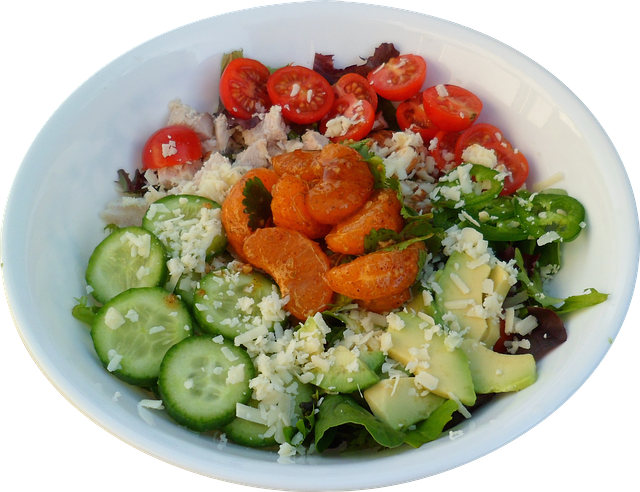
The health benefits of a Mediterranean-inspired dietary pattern are among the most robustly studied in nutritional science. The evidence does not support a "detox" mechanism in the popular sense of purging toxins, but rather a consistent pattern of improved metabolic and cardiovascular function through whole-food nutrition.
Strong Evidence for Core Benefits
High-quality observational studies and randomized controlled trials, such as the PREDIMED study, demonstrate that a Mediterranean diet rich in vegetables, fruits, legumes, whole grains, nuts, and olive oil is associated with:
- Reduced Cardiovascular Risk: Mechanisms include improved lipid profiles (increased HDL, reduced LDL oxidation), lowered blood pressure via nitric oxide bioavailability, and reduced systemic inflammation.
- Improved Glycemic Control: The high fiber content and healthy fats promote slower glucose absorption and improved insulin sensitivity.
- Support for Gut Microbiota: Dietary fiber acts as a prebiotic, fostering a diverse and stable gut microbiome linked to reduced inflammation and better metabolic health.
Proposed Mechanisms and Nuanced Evidence
The "detox" aspect of these meals is best understood as supporting the body's intrinsic detoxification pathways. Preliminary and mechanistic evidence suggests:
- Hepatic Support: Cruciferous vegetables (like those in our recipes) contain glucosinolates, which may upregulate phase II liver detoxification enzymes. However, human clinical data on this specific effect is limited.
- Reduction of Oxidative Stress: The high antioxidant load from polyphenols (in olive oil, herbs, vegetables) and vitamins helps neutralize free radicals, reducing cellular damage.
- Modulation of Inflammation: Omega-3 fatty acids (from fish, walnuts) and polyphenols can inhibit pro-inflammatory cytokines like TNF-α and IL-6.
Clinical Perspective: It is crucial to distinguish between the long-term, evidence-backed benefits of the dietary pattern and short-term "detox" claims. The primary value lies in sustained dietary habits, not acute cleansing. Furthermore, individuals with kidney disease, gallbladder issues, or those on specific medications (e.g., blood thinners like warfarin) should consult a physician before significantly increasing intake of vitamin K-rich leafy greens or making drastic dietary changes.
In summary, the health benefits are mediated through a synergy of nutrients that improve metabolic parameters, reduce inflammation, and support organ function. The recipes in this guide are designed to deliver these components in a practical format, aligning with principles that have strong epidemiological support, while acknowledging that some finer mechanistic claims require more targeted human research.
3. Potential Risks and Contraindications
While a Mediterranean-inspired dietary pattern is widely supported by robust evidence for long-term health, the concept of "detox meals" requires careful contextualization. The term "detox" is not a clinical one and can imply a need for purification that is not supported by human physiology. The primary risks associated with this approach are not from the whole-food ingredients themselves, but from misinterpretation, over-restriction, and pre-existing health conditions.
Misapplication and Nutritional Deficiencies
Adopting a short-term "detox" mindset can lead to unsustainable practices. Potential pitfalls include:
- Caloric and Macronutrient Insufficiency: Using these meals as a severe, exclusive plan may lead to inadequate energy intake, resulting in fatigue, brain fog, and metabolic adaptation.
- Protein Undersupply: While legumes and fish are excellent sources, relying solely on plant-based meals without careful planning may not meet protein needs for all individuals, particularly older adults or those with higher requirements.
- Social and Psychological Strain: An overly rigid focus on "clean" eating can contribute to orthorexic tendencies or disrupt a healthy relationship with food.
Clinical Perspective: The liver and kidneys are the body's sophisticated detoxification systems. No specific meal "detoxifies" them. The benefit of these recipes lies in reducing the intake of processed foods, added sugars, and unhealthy fats—thereby supporting organ function, not overriding it. The goal should be dietary pattern adoption, not a short-term purge.
Specific Medical Contraindications and Precautions
Individuals with the following conditions should exercise particular caution and consult a physician or registered dietitian before making significant dietary changes:
- Kidney Disease: Some Mediterranean-inspired recipes may be higher in potassium (e.g., tomatoes, leafy greens, legumes). Patients with chronic kidney disease often require potassium-restricted diets.
- Digestive Disorders: The high fiber content, while generally beneficial, can exacerbate symptoms in individuals with active inflammatory bowel disease (IBD), irritable bowel syndrome (IBS), or after certain surgeries.
- Food Allergies & Intolerances: Common ingredients like tree nuts, seafood, and legumes are frequent allergens. Recipes must be adapted accordingly.
- Diabetes on Medication: A rapid shift to very low-glycemic, high-fiber meals can significantly lower blood glucose, necessitating medication (especially insulin or sulfonylureas) adjustment under medical supervision to avoid hypoglycemia.
- Pregnancy and Lactation: While the dietary pattern is excellent, needs for calories, iron, folate, and choline increase. A healthcare provider should review any planned dietary regimen.
In summary, the recipes presented are templates for nutritious meals. Their primary risk lies in being framed as a "detox" protocol rather than as components of a balanced, varied, and sustainable eating style. For most, incorporating these meals is low-risk and beneficial. However, anyone with a chronic medical condition, a history of disordered eating, or significant nutritional concerns should seek personalized advice before proceeding.
4. Practical Takeaways and Recipe Applications
The primary objective of a Mediterranean-inspired approach is not a short-term "detox" but the sustained adoption of dietary patterns associated with reduced chronic disease risk. The recipes presented are practical vehicles for integrating these evidence-based principles into daily life.
Core Principles for Application
When preparing and adapting these meals, focus on these foundational elements:
- Prioritize Whole Foods: Build meals around vegetables, fruits, legumes, whole grains, nuts, and seeds. These provide fiber, phytonutrients, and healthy fats, supporting gut health and metabolic function.
- Use Fats Strategically: Employ extra-virgin olive oil as a primary cooking fat and finishing agent. Its monounsaturated fats and polyphenols are central to the diet's cardioprotective effects, which are strongly supported by long-term observational and interventional studies.
- Emphasize Plant-Based Proteins: Regularly incorporate lentils, chickpeas, and beans. Use fish (especially fatty fish like salmon) and poultry in moderation, reserving red and processed meats for occasional use.
- Flavor with Herbs and Spices: Reduce reliance on added salt by generously using garlic, onions, basil, oregano, and turmeric. This enhances antioxidant intake and supports palatability without excess sodium.
Integrating Recipes into a Balanced Regimen
View these recipes not as a restrictive cleanse but as components of a varied weekly menu. A lentil soup can serve as a hearty lunch, while a vegetable-rich grain bowl makes a nutrient-dense dinner. Consistency with this pattern is more impactful than any short-term regimen.
Clinical Perspective: The term "detox" is often misapplied. The body's hepatic and renal systems are highly efficient at endogenous detoxification. The value of this dietary model lies in reducing the functional load on these systems by minimizing intake of ultra-processed foods, added sugars, and unhealthy fats, while providing nutrients that support cellular repair and antioxidant defenses. This is a distinction of mechanism, not semantics.
Important Cautions and Considerations
While generally safe, certain individuals should exercise caution or consult a healthcare provider:
- Those with kidney disease may need to monitor potassium and phosphorus levels from high vegetable and nut intake.
- Individuals on anticoagulant therapy (e.g., warfarin) should maintain consistent vitamin K intake (found in leafy greens) and discuss dietary changes with their physician.
- Anyone with a history of disordered eating should avoid framing this as a "detox" or restrictive plan and focus instead on inclusive, balanced nutrition.
- Always seek personalized advice from a registered dietitian or physician, particularly if managing a specific condition like diabetes, cardiovascular disease, or gastrointestinal disorders.
Ultimately, the most significant "detox" effect likely stems from the long-term displacement of less healthy dietary choices. These recipes offer a tangible, flavorful way to begin that shift.
5. Safety Guidelines and When to Consult a Healthcare Provider
While the term "detox" is often used in wellness circles, it is crucial to approach any dietary modification with a clear, evidence-based understanding of its physiological effects. A Mediterranean-inspired dietary pattern is strongly supported by extensive research for long-term health promotion, including cardiovascular and metabolic benefits. However, framing it as a short-term "detox" or cleanse lacks the same robust scientific backing and can carry risks if not implemented thoughtfully.
Core Safety Principles
Adhering to these principles helps ensure a safe and beneficial experience:
- Focus on Nourishment, Not Deprivation: The provided recipes are designed to be nutrient-dense. Avoid the temptation to severely restrict calories or eliminate entire macronutrient groups (e.g., carbohydrates or healthy fats), as this can lead to fatigue, nutrient deficiencies, and metabolic disruption.
- Hydrate Adequately: Increase water intake, but avoid excessive water consumption in a short period, which can lead to hyponatremia (dangerously low sodium levels).
- Listen to Your Body: Symptoms like dizziness, severe headache, brain fog, or unusual weakness are signals to stop and reevaluate. A healthful eating pattern should increase energy, not deplete it.
- Duration Matters: Using these recipes as a short-term reset (e.g., 3-7 days) is generally low-risk for healthy individuals. They are not designed as a long-term, exclusive meal plan.
Clinical Perspective: From a medical standpoint, the body's detoxification systems—primarily the liver and kidneys—are highly efficient and do not require special "cleansing" foods to function. The value of this approach lies in its temporary reduction of ultra-processed foods, added sugars, and saturated fats, which can reduce metabolic stress and support organ function. It is a dietary pause, not a physiological overhaul.
Who Should Exercise Caution or Consult a Provider First?
Certain individuals should seek guidance from a physician, registered dietitian, or relevant specialist before commencing any modified dietary plan, including this one.
- Individuals with Chronic Medical Conditions: This includes diabetes (due to potential blood sugar fluctuations), kidney disease (concerns with potassium/phosphorus load), liver disease, or active gastrointestinal disorders like IBD.
- Those on Medication: Significant dietary changes can alter the metabolism or effectiveness of certain drugs (e.g., warfarin, insulin, some antihypertensives).
- Pregnant or Breastfeeding Individuals: Nutritional needs are heightened and specific; caloric or nutrient restriction is not advised.
- Individuals with a History of Disordered Eating: Any plan labeled "detox" can trigger unhealthy patterns and is contraindicated.
- Anyone with Food Allergies or Intolerances: Carefully review recipe ingredients for potential allergens (e.g., nuts, seafood).
In summary, these Mediterranean-inspired meals can be a healthful component of a balanced lifestyle. Their safety is maximized when used sensibly, without extreme restriction, and with professional oversight for those in higher-risk groups.
6. Questions & Expert Insights
What does "detox" actually mean in the context of these Mediterranean-inspired meals?
The term "detox" is often used in popular wellness culture without a clear medical definition. In a clinical sense, detoxification refers to the medical management of substance withdrawal. In nutritional science, it lacks a standard definition. Within the framework of these Mediterranean-inspired meals, "detox" is best interpreted as a short-term dietary pattern focused on supporting the body's intrinsic detoxification pathways—primarily the liver and kidneys—by reducing the intake of processed foods, added sugars, and saturated fats while increasing foods rich in nutrients that facilitate these processes. This includes antioxidants (from berries, leafy greens), fiber (from legumes, whole grains), and anti-inflammatory compounds (from olive oil, fatty fish, herbs). It is not a process of "flushing out toxins," but rather one of reducing metabolic burden and providing substrates for efficient hepatic phase I and II enzyme function. The evidence for specific "detox diets" is limited, but the core principles align with the extensively researched, anti-inflammatory benefits of the Mediterranean diet pattern.
Are there any risks or people who should avoid this type of eating plan?
Yes, certain individuals should exercise significant caution or avoid restrictive dietary resets altogether. Key contraindications and considerations include:
- Individuals with Chronic Conditions: Those with diabetes, kidney disease, or liver disease must consult their physician, as shifts in macronutrient and electrolyte balance can be dangerous.
- Those with a History of Eating Disorders: Any plan labeled "detox" can trigger disordered eating patterns and is generally contraindicated.
- Pregnant or Breastfeeding Individuals: Nutritional needs are heightened and specific; such plans may not provide adequate calories or key nutrients like choline and iron.
- People on Medications: Significant increases in leafy greens (high in Vitamin K) can interfere with blood thinners like warfarin. Drastic changes in diet can also affect medication metabolism.
When should I talk to my doctor before starting, and what should I discuss?
You should consult a physician or a registered dietitian before starting any significant dietary change, especially one framed as a "detox" or "reset." This is non-negotiable if you have any chronic health condition, take daily medications, or are pregnant. Prepare for the conversation by bringing:
- A list of all medications and supplements you currently take.
- A summary of the eating plan, including its duration, example meals, and any intended supplements (e.g., specific herbs, powders).
- Your specific health goals (e.g., "reduce bloating," "improve energy," "reset eating habits post-holiday").
How does this short-term plan relate to long-term Mediterranean diet benefits?
The long-term health benefits of the Mediterranean diet—such as reduced risk of cardiovascular disease, cognitive decline, and certain cancers—are supported by decades of large-scale observational and interventional research (like the PREDIMED study). These benefits are attributed to sustained dietary patterns, not short-term interventions. A brief, Mediterranean-inspired "detox" should be viewed as an introductory tool or a periodic reset, not a substitute for lasting habit change. Its primary value is in demonstrating how to construct meals around vegetables, healthy fats, and lean proteins, potentially making the full Mediterranean diet feel more accessible. However, the evidence for long-term outcomes from short-term "detoxes" is virtually non-existent. For lasting impact, the principles learned (e.g., using olive oil, eating more fish and legumes) must be integrated into a permanent, balanced eating style that also includes adequate calories and pleasure from food.
7. In-site article recommendations
8. External article recommendations
9. External resources
The links below point to reputable medical and evidence-based resources that can be used for further reading. Always interpret them in the context of your own situation and your clinician’s advice.
-
mayoclinic mayoclinic.orgMediterranean diet detox – Mayo Clinic (search)
-
drugs drugs.comMediterranean diet detox – Drugs.com (search)
-
examine examine.comMediterranean diet detox – Examine.com (search)
These external resources are maintained by third-party organisations. Their content does not represent the editorial position of this site and is provided solely to support readers in accessing additional professional information.