
1. Introduction to Milk Thistle and Short-Term Liver Support
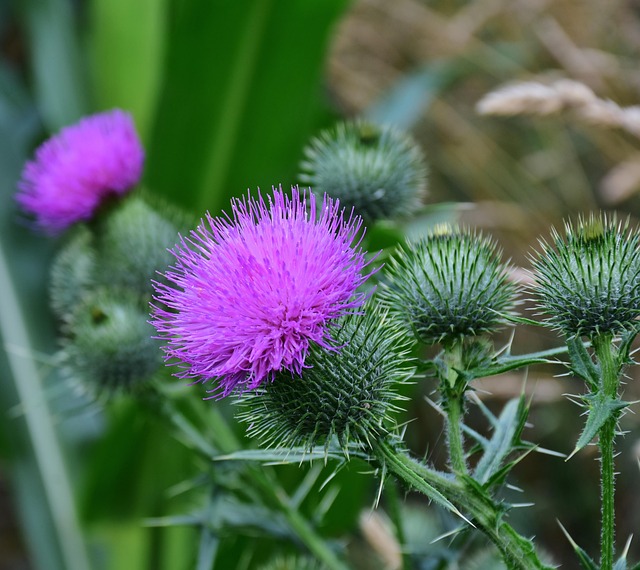
Milk thistle (Silybum marianum) is a flowering herb whose seeds contain a complex of bioactive compounds collectively known as silymarin. For centuries, extracts of this plant have been used in traditional medicine systems, primarily for ailments related to the liver and gallbladder. In contemporary health contexts, milk thistle is one of the most widely researched and utilized herbal supplements, particularly for the concept of short-term liver support.
The liver is a vital organ responsible for detoxification, protein synthesis, and the production of biochemicals necessary for digestion. It is constantly exposed to metabolic byproducts, environmental toxins, and, in some cases, substances like alcohol or certain medications that can induce transient stress. The premise of short-term liver support is to provide nutritional or phytochemical aid during periods of anticipated or acute hepatic burden, not to treat chronic liver disease.
Silymarin, the active constituent, is proposed to offer support through several potential mechanisms, though the evidence for each varies in strength:
- Antioxidant Activity: This is the most consistently supported mechanism. Silymarin appears to help scavenge free radicals and may support the body's own antioxidant systems, potentially protecting liver cells from oxidative damage.
- Cell Membrane Stabilization: Preliminary research suggests silymarin may interact with liver cell membranes, potentially making them more resistant to the entry of certain toxins.
- Protein Synthesis: Some laboratory and animal studies indicate silymarin may stimulate the synthesis of new proteins in liver cells, which could support regeneration. Human clinical evidence for this effect is more limited.
It is crucial to distinguish between well-established facts and areas of ongoing research. While milk thistle has a long history of use and a favorable safety profile for most adults, high-quality, large-scale human trials confirming definitive clinical benefits for specific short-term scenarios are still needed. Much of the positive evidence comes from in vitro studies, animal models, or smaller human trials.
Clinical Perspective: In practice, clinicians may view short-term milk thistle supplementation as a potential supportive measure with a low risk of harm for generally healthy individuals. However, it is not a substitute for medical treatment, proven preventive measures (like vaccination for hepatitis), or lifestyle modifications such as reducing alcohol intake. The supplement's role is adjunctive and should be considered within a broader context of liver health.
Certain individuals should exercise caution and consult a physician before considering milk thistle supplementation. This includes:
- Those with known allergies to plants in the Asteraceae/Compositae family (e.g., ragweed, daisies, marigolds).
- Individuals with hormone-sensitive conditions (e.g., certain breast, uterine, or prostate cancers), as milk thistle may have mild estrogenic effects.
- Pregnant or breastfeeding women, due to insufficient safety data.
- Anyone taking medications metabolized by the liver (e.g., some antipsychotics, antifungals, or chemotherapy drugs), as potential interactions, though rare, are possible.
This guide will explore the current evidence, practical considerations, and responsible use of milk thistle for short-term hepatic support, emphasizing an evidence-based and clinically cautious approach.
2. Mechanisms of Action and Clinical Evidence Review

The primary active components of milk thistle (Silybum marianum) are a group of flavonolignans collectively known as silymarin. The proposed mechanisms for its hepatoprotective effects are multi-faceted and have been studied primarily in preclinical models.
Proposed Mechanisms of Action
Silymarin is thought to support liver function through several interconnected pathways:
- Antioxidant Activity: It may directly scavenge free radicals and increase intracellular levels of glutathione, a key antioxidant.
- Membrane Stabilization: By interacting with hepatocyte cell membranes, it may inhibit the binding and entry of certain toxins.
- Anti-inflammatory & Anti-fibrotic Effects: In vitro and animal studies suggest it can modulate inflammatory pathways and potentially slow collagen deposition.
- Protein Synthesis: Some evidence indicates it may stimulate ribosomal RNA synthesis, potentially aiding in hepatocyte regeneration.
Clinical Perspective: While these mechanistic studies are scientifically plausible, they are largely derived from cell cultures and animal models. Translating these effects into consistent, measurable clinical benefits in humans with specific liver conditions is more complex and is the focus of ongoing research.
Review of Clinical Evidence
The clinical evidence for milk thistle in humans is mixed and highly context-dependent. A critical review reveals the following:
Stronger Evidence Gaps: High-quality, large-scale randomized controlled trials (RCTs) demonstrating a clear mortality benefit or reversal of advanced liver disease (e.g., cirrhosis) are lacking. It is not a substitute for conventional medical therapy for viral hepatitis or alcoholic liver disease.
Areas with Suggestive or Mixed Data:
- Non-Alcoholic Fatty Liver Disease (NAFLD): Some meta-analyses of smaller RCTs report modest improvements in liver enzyme levels (ALT, AST) and insulin resistance parameters. Effects on liver histology (fat, inflammation) are less clear.
- Drug-Induced Liver Injury (DILI): It is sometimes used prophylactically in regions where certain toxins (e.g., death cap mushroom) are a concern, based on historical use and some clinical reports, but robust preventive data for common medications is limited.
- General Liver "Support": Short-term studies in individuals with mild, nonspecific liver enzyme elevations sometimes show a reduction in ALT/AST, but the clinical significance of this isolated finding is debated.
Who Should Exercise Caution: Individuals with hormone-sensitive conditions, those with allergies to plants in the Asteraceae family, and anyone on medications metabolized by the CYP450 enzyme system (including some statins, anticoagulants, and antidepressants) should consult a physician before use, as silymarin may interact. It is not recommended during pregnancy or breastfeeding due to insufficient safety data.
3. Risks, Side Effects, and Contraindicated Populations
While milk thistle is generally well-tolerated in short-term use, a thorough understanding of its potential adverse effects and contraindications is essential for safe supplementation. The most commonly reported side effects are mild and gastrointestinal in nature, including bloating, gas, nausea, diarrhea, or a mild laxative effect. These typically resolve on their own or with dose reduction.
More significant considerations involve potential interactions and specific at-risk populations. The evidence for clinically significant drug interactions is mixed but warrants caution. Silymarin may influence the activity of certain cytochrome P450 enzymes, particularly CYP2C9 and CYP3A4. This creates a theoretical risk of altering the blood levels of medications metabolized by these pathways.
- Key Medications of Concern: This includes some antiplatelet/anticoagulants (e.g., warfarin), certain statins, some anti-seizure drugs, and a number of chemotherapeutic agents. Concurrent use requires close medical supervision.
- Allergic Reactions: Individuals with allergies to plants in the Asteraceae/Compositae family (ragweed, marigolds, daisies) may be at higher risk for an allergic reaction to milk thistle.
- Hormone-Sensitive Conditions: Due to limited in vitro data suggesting possible weak estrogenic effects, individuals with hormone-sensitive cancers (e.g., breast, ovarian, uterine) or conditions like endometriosis should use milk thistle only under a physician's guidance.
Clinical Insight: The primary risk is not from the supplement in isolation but from its interaction with complex medical conditions or polypharmacy. A patient with stable, mild NAFLD may tolerate it well, whereas a post-transplant patient on immunosuppressants or someone with decompensated cirrhosis could face significant, unpredictable risks. Always contextualize supplement use within the full clinical picture.
Contraindicated and Cautious-Use Populations:
- Pregnancy and Lactation: Due to insufficient safety data, use is not recommended during pregnancy or breastfeeding.
- Severe Liver Disease: Individuals with advanced cirrhosis or acute liver failure should avoid self-supplementation. The altered metabolism in these states is unpredictable, and milk thistle is not a substitute for standard medical care.
- Pre-Surgical Patients: Due to potential effects on platelet aggregation and drug metabolism, discontinuation at least two weeks prior to elective surgery is typically advised.
- Children: Safety and efficacy data in pediatric populations are lacking.
The strongest evidence supports milk thistle's favorable safety profile in generally healthy adults for short-term use. The evidence for serious harm is limited but the potential for interaction with medications and complex diseases is a well-founded concern. Consulting a healthcare provider before starting supplementation is strongly recommended, particularly for individuals with pre-existing medical conditions or those taking prescription medications.
4. Practical Guidelines for Short-Term Supplementation
For individuals considering milk thistle for short-term liver support, a structured, evidence-informed approach is essential. "Short-term" in this context typically refers to a defined period of 4 to 12 weeks, often used to support liver function during periods of increased metabolic demand or after a known dietary or lifestyle excess. The goal is not indefinite use but a targeted, time-limited intervention.
Dosage and Standardization
The active component of milk thistle is a flavonoid complex called silymarin. Clinical research most commonly utilizes standardized extracts containing 70–80% silymarin. Based on this evidence, a typical short-term dosage ranges from 200 to 400 mg of silymarin per day, often divided into two or three doses to maintain consistent blood levels. It is critical to follow the specific product's label, as potency varies.
Expert Insight: Clinicians emphasize that "liver support" is not a substitute for addressing the root cause of liver stress. Milk thistle is considered an adjunct. The evidence for its hepatoprotective effects is stronger in conditions like alcoholic fatty liver disease and certain drug-induced liver injuries than for general "detox" purposes, which lack robust scientific definition.
Administration and Timing
To enhance bioavailability, take milk thistle supplements with a meal. The presence of dietary fats can significantly improve the absorption of silymarin. Consistency is key; establish a routine time for administration to support adherence throughout the short-term course.
Defining the Short-Term Course
A practical framework involves:
- Setting a Clear Endpoint: Pre-define the supplementation period (e.g., 6 or 8 weeks). Avoid open-ended use.
- Monitoring Baseline: Note baseline well-being and any specific symptoms you are addressing.
- Re-assessment: At the end of the period, assess any subjective changes. Objective measures of liver health (like blood tests for ALT, AST) should be interpreted by a physician.
Important Cautions and Contraindications
Milk thistle is generally well-tolerated, but it is not appropriate for everyone. Exercise caution and consult a healthcare provider before starting if you:
- Have a known allergy to plants in the Asteraceae/Compositae family (ragweed, marigolds).
- Are pregnant or breastfeeding (due to limited safety data).
- Have hormone-sensitive conditions (e.g., certain cancers), as silymarin may have mild estrogenic effects.
- Are taking medications metabolized by the liver, particularly antidiabetic drugs, antipsychotics (e.g., risperidone), or some chemotherapy agents, as silymarin may interact with cytochrome P450 enzymes.
Ultimately, short-term milk thistle supplementation should be part of a broader strategy that includes dietary moderation, reduced alcohol intake, and adequate hydration. It is not a license for continued hepatic insult. Discontinue use and seek medical advice if you experience any adverse effects like gastrointestinal upset or allergic reactions.
5. Safety Monitoring and Indications for Medical Consultation
While milk thistle is generally well-tolerated in the short term, responsible use requires awareness of potential side effects and clear indications for when to consult a healthcare professional. A proactive approach to safety monitoring is essential for any supplement regimen.
Common Side Effects and Self-Monitoring
Most adverse effects are mild and gastrointestinal in nature. If you begin supplementation, monitor for:
- Mild laxative effects or diarrhea
- Nausea, bloating, or abdominal fullness
- Occasional headaches or skin reactions (e.g., itchiness)
These symptoms often subside with continued use or a reduction in dose. Keeping a simple log of any new symptoms can help identify patterns and inform discussions with a clinician.
Clinical Insight: The most significant safety concern with milk thistle is not its inherent toxicity, but its potential for drug-herb interactions. Silymarin can influence the activity of cytochrome P450 enzymes in the liver, potentially altering the blood levels of many prescription medications. This is a primary reason for mandatory medical consultation in certain populations.
Critical Indications for Medical Consultation
You should consult a physician or pharmacist before starting milk thistle if you fall into any of the following categories:
- Individuals on chronic medications: This is non-negotiable for those taking drugs metabolized by the liver, including certain statins, antiplatelet/anticoagulant drugs (e.g., warfarin, clopidogrel), some antipsychotics, and immunosuppressants.
- People with diagnosed liver conditions: Those with hepatitis, cirrhosis, or other liver diseases must not self-prescribe. Supplement use must be supervised to avoid misinterpretation of liver enzyme tests or interference with prescribed treatments.
- Pregnant or breastfeeding individuals: Due to insufficient safety data, use is not recommended without explicit medical guidance.
- Those with hormone-sensitive conditions: Due to mild estrogenic effects observed in some laboratory studies, caution is advised for individuals with a history of breast, uterine, or ovarian cancer, or endometriosis.
- People with known allergies to plants in the Asteraceae/Compositae family (e.g., ragweed, marigolds, daisies), as cross-reactivity is possible.
When to Discontinue Use and Seek Immediate Care
Discontinue milk thistle immediately and seek medical attention if you experience signs of a severe allergic reaction (difficulty breathing, swelling of the face/lips/tongue, severe rash) or symptoms that could indicate worsening liver function, such as:
- Persistent nausea/vomiting or loss of appetite
- Unusual fatigue or confusion
- Dark urine, pale stools, or yellowing of the skin/eyes (jaundice)
- Severe abdominal pain
Evidence supporting milk thistle's safety profile is largely derived from short-term studies. The long-term effects of continuous use beyond several months are less clearly defined, underscoring the importance of using it for a defined, short-term purpose under appropriate oversight.
6. Questions & Expert Insights
Can milk thistle truly "detox" or "cleanse" my liver?
The term "detox" is a marketing concept, not a clinical one. From a medical perspective, the liver is a highly efficient organ that continuously filters and metabolizes substances; it does not require an external product to "cleanse" itself. The proposed mechanism of milk thistle, primarily attributed to the flavonoid complex silymarin, is one of cellular support and protection. Evidence suggests it may have antioxidant properties that help protect liver cells from damage and may support the regeneration of healthy liver tissue. However, this is not a process of removing accumulated "toxins." The strongest evidence for silymarin is in supporting liver enzyme levels in specific, non-severe conditions like non-alcoholic fatty liver disease (NAFLD) or alcoholic hepatitis, but it is not a cure. It is best viewed as a potential supportive agent within a broader liver-health strategy, not a standalone detoxification treatment.
What are the potential risks or side effects, and who should absolutely avoid milk thistle?
Milk thistle is generally well-tolerated, with the most common side effects being mild gastrointestinal upset (e.g., diarrhea, bloating, nausea). Allergic reactions are possible, especially in individuals sensitive to plants in the Asteraceae/Compositae family (like ragweed, marigolds, or daisies). There are, however, important groups who should avoid it or use it only under direct medical supervision. Individuals with hormone-sensitive conditions (such as certain breast, uterine, or ovarian cancers) should be cautious due to silymarin's possible weak estrogenic effects. Those with existing liver disease, particularly advanced cirrhosis or liver failure, must not self-prescribe, as it can unpredictably affect liver function and metabolism. Due to a lack of safety data, it is not recommended for pregnant or breastfeeding individuals. Finally, it can interact with numerous medications metabolized by the liver's cytochrome P450 system, including some chemotherapy drugs, anti-anxiety medications (like diazepam), and blood thinners (like warfarin), potentially altering their effectiveness.
When should I talk to my doctor about taking milk thistle, and what should I bring to that appointment?
You should consult a healthcare provider before starting milk thistle if you have any diagnosed medical condition, are taking any prescription or over-the-counter medications, or are planning to use it for more than a short-term period. To make the conversation productive, come prepared. First, bring a complete list of all medications and supplements you take, including dosages. This is essential for checking interactions. Second, be ready to discuss your specific health goals (e.g., "My ALT levels were slightly elevated on my last test, and I'm interested in supportive options alongside dietary changes"). Third, have the specific product label or information for the supplement you are considering, as potency and purity can vary widely. Ask your doctor directly: "Given my health history and current medications, is there a specific reason I should avoid this, and are there any liver function tests we should monitor if I proceed?"
Is there a difference between "liver support" for occasional overindulgence and for a diagnosed condition?
Yes, the context and goals are fundamentally different. For occasional overindulgence (e.g., after a heavy meal or excess alcohol), the concept of "support" is often aimed at alleviating temporary discomfort like bloating. There is no robust clinical evidence that milk thistle is effective for this acute, situational use. The liver naturally processes such excesses. For a diagnosed condition like early-stage NAFLD or mild drug-induced liver injury, "support" takes on a clinical meaning. Here, the goal is to use an evidence-based adjunct—like standardized silymarin—alongside foundational lifestyle changes (diet, exercise, weight loss) to potentially improve biomarkers (like ALT, AST) over weeks or months and support cellular health. The evidence, while promising, is not conclusive for all conditions, and it is not a substitute for treating the underlying cause. Using it for a diagnosed condition without medical guidance risks overlooking necessary conventional care.
7. In-site article recommendations
8. External article recommendations
9. External resources
The links below point to reputable medical and evidence-based resources that can be used for further reading. Always interpret them in the context of your own situation and your clinician’s advice.
-
wikipedia wikipedia.orgmilk thistle – Wikipedia (search)
-
healthline healthline.commilk thistle – Healthline (search)
-
drugs drugs.commilk thistle – Drugs.com (search)
These external resources are maintained by third-party organisations. Their content does not represent the editorial position of this site and is provided solely to support readers in accessing additional professional information.