
1. Introduction to Turmeric and Its Role in Inflammation

Turmeric, derived from the rhizome of the plant Curcuma longa, has been a cornerstone of traditional medicine systems, particularly Ayurveda, for millennia. Its vibrant yellow pigment, curcumin, is the primary bioactive compound responsible for most of its studied pharmacological effects. In contemporary clinical research, the focus has shifted to understanding how curcumin modulates the complex biochemical pathways of inflammation, a fundamental process underlying numerous chronic diseases.
Inflammation is the body's essential protective response to injury or infection. However, when this response becomes dysregulated and chronic, it contributes to the pathogenesis of conditions like osteoarthritis, metabolic syndrome, cardiovascular disease, and certain neurodegenerative disorders. The scientific interest in turmeric and curcumin stems from their potential to interact with key molecular targets involved in this chronic inflammatory state.
Current evidence suggests curcumin exerts its effects through several mechanisms, including:
- Inhibition of the nuclear factor-kappa B (NF-κB) pathway, a master regulator of pro-inflammatory gene expression.
- Downregulation of inflammatory enzymes such as cyclooxygenase-2 (COX-2) and inducible nitric oxide synthase (iNOS).
- Modulation of the activity of cytokines like tumor necrosis factor-alpha (TNF-α) and interleukins (e.g., IL-1β, IL-6).
It is crucial to distinguish between the strength of evidence for different applications. The most robust data, often from randomized controlled trials (RCTs), supports turmeric/curcumin's role in managing symptoms of osteoarthritis, such as pain and stiffness. Evidence for its impact on systemic conditions like inflammatory bowel disease or rheumatoid arthritis is more preliminary, showing promise but requiring larger, longer-term studies for definitive conclusions.
Clinical Insight: A significant and often overlooked challenge is curcumin's inherently poor bioavailability. Its low absorption and rapid metabolism limit the amount that reaches systemic circulation. Many modern formulations include adjuvants like piperine (from black pepper) or are developed as phospholipid complexes or nanoparticles to enhance absorption. When evaluating research or products, noting the specific formulation used is essential for context.
Individuals with gallbladder disease, bile duct obstruction, or those on anticoagulant/antiplatelet medications (e.g., warfarin, clopidogrel) should exercise caution and consult a physician, as turmeric may theoretically exacerbate these conditions. Those preparing for surgery should also discuss its use with their surgical team. While generally recognized as safe in culinary amounts, high-dose supplementation is not recommended during pregnancy or lactation due to insufficient safety data.
2. Scientific Evidence and Mechanisms of Anti-Inflammatory Action
The primary anti-inflammatory activity of turmeric is attributed to its polyphenolic compounds, known as curcuminoids, with curcumin being the most studied. The scientific evidence supporting its use is built on a robust understanding of its molecular mechanisms, though the strength of clinical outcomes varies significantly.
Core Mechanisms of Action
Curcumin modulates inflammation at a cellular level by interacting with several key molecular targets. Its primary actions include:
- NF-κB Pathway Inhibition: This is a central mechanism. Curcumin can block the activation of Nuclear Factor-kappa B (NF-κB), a protein complex that regulates the expression of pro-inflammatory cytokines, chemokines, and enzymes like COX-2.
- Downregulation of Inflammatory Mediators: Studies consistently show curcumin reduces levels of signaling molecules such as tumor necrosis factor-alpha (TNF-α), interleukin-6 (IL-6), and interleukin-1β (IL-1β).
- Antioxidant Activity: It can neutralize free radicals and may boost the activity of the body's own antioxidant enzymes, such as superoxide dismutase.
Expert Insight: It's crucial to distinguish between mechanistic evidence and clinical efficacy. While lab and animal studies overwhelmingly show potent anti-inflammatory effects, human trials face challenges, primarily due to curcumin's poor bioavailability. Most positive clinical results use formulations with absorption enhancers like piperine (from black pepper) or phospholipid complexes.
Strength of Clinical Evidence
The clinical evidence is strongest in specific, well-defined areas and more preliminary in others.
- Stronger Evidence: Multiple systematic reviews and meta-analyses conclude that curcumin supplementation is effective for reducing symptoms and inflammatory markers in osteoarthritis, often showing comparable efficacy to NSAIDs like ibuprofen with a better safety profile for gastrointestinal effects.
- Promising but Preliminary Evidence: Research in conditions like rheumatoid arthritis, metabolic syndrome, and post-exercise muscle soreness shows promising reductions in CRP (C-reactive protein) and other markers, but data is from smaller, shorter-duration trials.
- Important Limitations: Many studies are short-term (8-12 weeks), and long-term effects are not well-established. Results can vary based on the formulation used, dosage, and the specific population studied.
Who Should Be Cautious: Individuals with gallbladder disease, bile duct obstruction, or those on blood-thinning medications (e.g., warfarin, clopidogrel) should consult a physician, as curcumin may have choleretic and mild antiplatelet effects. It may also interact with certain chemotherapy drugs. Pregnant or breastfeeding women should avoid therapeutic doses due to insufficient safety data.
3. Risks, Contraindications, and Populations to Avoid
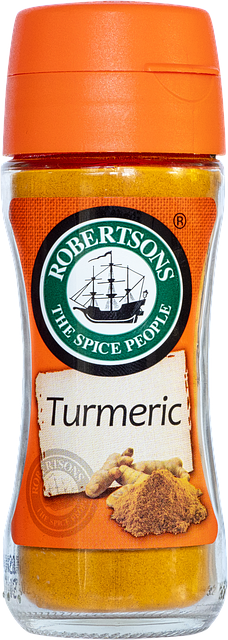
While turmeric and its active compound, curcumin, are generally well-tolerated in culinary amounts, concentrated supplementation for therapeutic purposes carries specific risks and is not appropriate for everyone. A clinically responsible approach requires understanding these contraindications.
Primary Safety Concerns and Drug Interactions
The most significant risk associated with high-dose turmeric/curcumin supplements is their potential to interact with medications. Strong evidence indicates that curcumin can inhibit platelet aggregation and may potentiate the effects of anticoagulant and antiplatelet drugs (e.g., warfarin, clopidogrel, aspirin), increasing the risk of bleeding. Furthermore, preliminary data suggest it may affect the metabolism of drugs processed by certain liver enzymes (e.g., CYP450), potentially altering the efficacy of medications for conditions like diabetes, hypertension, or depression.
- Anticoagulant/Antiplatelet Therapy: Individuals on blood thinners must avoid supplementation unless explicitly approved by their physician.
- Upcoming Surgery: Discontinuation is typically advised at least 2 weeks prior to any surgical procedure to mitigate bleeding risk.
- Gallbladder Disease: Turmeric may stimulate bile production, which could provoke symptoms in individuals with bile duct obstruction or gallstones.
Populations to Exercise Caution or Avoid
Certain individuals should either avoid supplementation entirely or proceed only under direct medical supervision.
- Individuals with Iron Deficiency or Risk: Some evidence suggests curcumin can chelate iron and may interfere with iron absorption, which could exacerbate anemia.
- Those with Kidney Disease: High oxalate content in turmeric may contribute to kidney stone formation in susceptible individuals. Those with compromised kidney function should consult a nephrologist.
- Pregnancy and Lactation: While culinary use is considered safe, the safety of high-dose supplements during pregnancy and breastfeeding is not established. Avoidance is the prudent course.
- Gastrointestinal Conditions: High doses can cause GI upset, including nausea, diarrhea, or acid reflux. Individuals with GERD or active ulcers may experience worsened symptoms.
Clinical Perspective: In practice, the adage "it's natural, therefore it's safe" is a dangerous misconception. Turmeric supplements are pharmacologically active agents. A thorough medication reconciliation is essential before recommending them. The risk-benefit ratio is often unfavorable for patients on complex drug regimens, where the potential for interaction outweighs the uncertain anti-inflammatory benefit.
The most common side effects of supplementation are mild and gastrointestinal in nature. However, the possibility of allergic reactions exists. Anyone considering turmeric supplements for inflammation should discuss their full health history and current medication list with a physician or a clinical pharmacist to assess personal suitability and safe dosing.
4. Practical Guidelines for Safe and Effective Use
To translate the potential anti-inflammatory benefits of turmeric into a safe and effective personal strategy, a nuanced approach is required. The key active compound, curcumin, has notoriously poor bioavailability when consumed alone. Therefore, formulation and dosage are critical considerations.
Optimizing Absorption and Dosage
Most clinical trials demonstrating anti-inflammatory effects use standardized curcumin extracts paired with absorption enhancers. Common strategies include:
- Piperine: A compound from black pepper (Bioperine®) that can increase curcumin absorption by up to 2000%. This is the most common and evidence-supported combination.
- Liposomal or Phytosomal Forms: Curcumin bound to phospholipids (e.g., Meriva®) or enclosed in lipid particles significantly enhances bioavailability and is well-studied.
- Dosage Range: Effective doses in studies typically range from 500 mg to 1,000 mg of a bioavailable curcumin extract, taken once or twice daily. Always start at the lower end of any product's recommended range.
Clinical Insight: In practice, we view turmeric supplements as a potential adjunct, not a replacement, for foundational anti-inflammatory therapies like diet, exercise, and prescribed medications. The choice between a piperine or phospholipid formulation often comes down to individual tolerance and concurrent medications, as piperine can affect drug metabolism.
Culinary Use and Whole Root
While consuming turmeric as a spice is safe and contributes beneficial compounds, the curcumin content in culinary amounts (typically 1–3 grams of powder daily) is too low to produce the systemic anti-inflammatory effects seen in trials. Its value lies in long-term dietary patterning, not acute therapeutic dosing.
Essential Safety and Contraindications
Turmeric and curcumin are generally well-tolerated but are not risk-free. Key precautions include:
- Drug Interactions: High-dose or piperine-enhanced curcumin may interact with anticoagulants (e.g., warfarin), antiplatelet drugs, and some chemotherapy agents. It can also affect the metabolism of certain prescription medications.
- Medical Conditions: Individuals with gallbladder disease, bile duct obstruction, gastroesophageal reflux disease (GERD), or those preparing for surgery should use caution and consult a physician.
- Pregnancy and Lactation: Culinary use is considered safe, but high-dose supplemental curcumin is not recommended due to insufficient safety data.
- Side Effects: High doses may cause gastrointestinal upset, including nausea or diarrhea, in some individuals.
The most prudent approach is to discuss integrating a turmeric supplement with your healthcare provider, especially if you have a chronic health condition or take regular medications. Consistency with a well-formulated product, paired with realistic expectations, offers the most responsible path to harnessing its potential benefits.
5. Safety Considerations and When to Seek Medical Advice
While turmeric and its active compound, curcumin, are generally well-tolerated, they are not without potential risks. A responsible approach requires understanding these safety considerations and knowing when professional medical guidance is essential.
Common Side Effects and Interactions
At typical dietary and moderate supplemental doses, side effects are often mild and may include gastrointestinal upset, nausea, or diarrhea. The most significant safety concern involves drug interactions, primarily due to curcumin's potential to affect liver enzymes involved in drug metabolism.
- Blood Thinners: Turmeric may have mild antiplatelet effects. Concurrent use with anticoagulants (e.g., warfarin, clopidogrel) or NSAIDs (e.g., aspirin, ibuprofen) could theoretically increase bleeding risk, though strong clinical evidence is limited.
- Diabetes Medications: As curcumin may lower blood glucose, combining it with antidiabetic drugs could potentiate hypoglycemia, requiring careful monitoring.
- Chemotherapy Drugs: Due to its complex biological activity, curcumin could potentially interfere with certain chemotherapeutic agents. Oncologist consultation is mandatory before use.
Clinical Insight: The interaction risk is often dose-dependent. Culinary use is rarely a concern, but high-potency extracts (often paired with piperine for absorption) pose a greater theoretical risk for altering drug pharmacokinetics. Patients on medications with a narrow therapeutic index should be particularly cautious.
Who Should Exercise Caution or Avoid Use?
Certain populations should avoid turmeric supplements or use them only under direct medical supervision:
- Individuals with Gallbladder Disease: Turmeric may stimulate bile production, potentially triggering gallstone pain or complications.
- Those with Iron Deficiency: Some evidence suggests curcumin can chelate iron and may inhibit absorption, which could exacerbate anemia.
- People with Known Kidney Stones: Turmeric is high in oxalates, which can contribute to the formation of calcium oxalate stones in susceptible individuals.
- Pre- and Post-Operative Patients: Discontinuation is typically advised at least two weeks before scheduled surgery due to the potential bleeding risk.
- Pregnant and Breastfeeding Women: While culinary amounts are considered safe, there is insufficient safety data for high-dose supplements during these periods.
When to Seek Medical Advice
Consult a physician or a qualified healthcare provider (e.g., pharmacist, registered dietitian) before starting turmeric supplements if you:
- Are currently taking any prescription or over-the-counter medications.
- Have a diagnosed medical condition, particularly liver disease, bile duct obstruction, or a bleeding disorder.
- Are planning surgery or an invasive medical procedure.
- Experience symptoms like unusual bruising, bleeding, severe abdominal pain, or jaundice after beginning supplementation.
Ultimately, turmeric is a potent bioactive compound, not merely a kitchen spice, when used in supplemental form. Integrating it into a health regimen warrants the same prudent consideration as any other therapeutic agent.
6. Questions & Expert Insights
How much turmeric should I take daily to reduce inflammation?
There is no single, universally recommended dose for turmeric or its active compound, curcumin, as optimal intake depends on the formulation and the individual's health status. Clinical trials investigating anti-inflammatory effects typically use standardized curcumin extracts in doses ranging from 500 mg to 2,000 mg per day, often divided into two doses. It is crucial to understand that the curcumin content in common culinary turmeric powder is very low (around 2-5% by weight), and its absorption is poor. Supplements often include bioavailability enhancers like piperine (from black pepper). A practical, evidence-informed approach is to start at the lower end of the studied range (e.g., 500 mg of a well-absorbed curcumin extract) and only consider increasing after discussing with a healthcare provider, as more is not always better and can increase the risk of side effects.
What are the main risks or side effects, and who should avoid turmeric supplements?
Turmeric is generally well-tolerated but is not risk-free. Common side effects at high doses can include gastrointestinal upset, nausea, diarrhea, and a risk of kidney stones in susceptible individuals due to its oxalate content. The most significant risks involve drug interactions and specific health conditions. Turmeric/curcumin has antiplatelet properties and may increase the risk of bleeding, especially when combined with blood thinners like warfarin, clopidogrel, or aspirin. It can also interact with medications metabolized by the liver. Specific groups who should avoid supplements or use them only under direct medical supervision include: individuals with gallbladder disease or bile duct obstruction, those with iron deficiency (it may chelate iron), people with bleeding disorders or preparing for surgery, and individuals with hormone-sensitive conditions (due to weak estrogenic effects).
When should I talk to my doctor about taking turmeric, and how should I prepare for that conversation?
You should consult your doctor or a specialist (e.g., a rheumatologist, gastroenterologist, or cardiologist) before starting turmeric supplements if you have a diagnosed medical condition, are taking any prescription medications, are pregnant or breastfeeding, or are planning surgery. To make the conversation productive, come prepared. Bring a list of all your medications and supplements, including dosages. Have the specific turmeric or curcumin product label available, noting the dose, type (e.g., "curcumin with piperine"), and suggested serving size. Clearly state your primary goal (e.g., "to help manage knee osteoarthritis pain alongside my current treatment"). This allows your doctor to assess potential interactions, contraindications, and whether the supplement aligns with your overall care plan, ensuring a coordinated and safe approach.
Is the evidence for turmeric's anti-inflammatory benefits strong enough to replace my prescription medication?
No, turmeric or curcumin supplements should not be used to replace prescription anti-inflammatory or disease-modifying medications without explicit guidance from your treating physician. While numerous studies, including randomized controlled trials, show that curcumin can reduce inflammatory markers and improve symptoms in conditions like osteoarthritis and rheumatoid arthritis, the evidence is not yet sufficient to position it as a standalone first-line treatment for most serious inflammatory diseases. The long-term effects and disease-modifying impact compared to conventional drugs are not fully established. Abruptly stopping prescribed medication can lead to disease flare-ups, progression, and serious health consequences. Think of turmeric as a potential adjunctive or supportive therapy within a broader management plan that includes medication, diet, exercise, and physical therapy, all overseen by your healthcare team.
7. In-site article recommendations
8. External article recommendations
9. External resources
The links below point to reputable medical and evidence-based resources that can be used for further reading. Always interpret them in the context of your own situation and your clinician’s advice.
-
drugs drugs.comturmeric – Drugs.com (search)
-
mayoclinic mayoclinic.orgturmeric – Mayo Clinic (search)
-
healthline healthline.comturmeric – Healthline (search)
These external resources are maintained by third-party organisations. Their content does not represent the editorial position of this site and is provided solely to support readers in accessing additional professional information.