
1. Introduction to Ginger and Intermittent Fasting Context
Intermittent fasting (IF) has gained significant attention as a dietary pattern focused on the timing of eating rather than solely on food composition. Common protocols, such as the 16:8 method, involve daily fasting windows of 16 hours followed by an 8-hour eating period. A primary challenge reported by individuals practicing IF is managing appetite and sensations of hunger during the fasting window, which can impact adherence and long-term sustainability.
This guide explores the potential role of ginger (Zingiber officinale) as a supportive, non-caloric agent for appetite modulation within an IF framework. Ginger is a rhizome with a long history of use in traditional medicine systems for digestive complaints. Its bioactive compounds, primarily gingerols and shogaols, are the subject of modern scientific inquiry for their effects on gastrointestinal motility, inflammation, and metabolic processes.
The theoretical intersection of ginger and intermittent fasting rests on several physiological pathways:
- Gastrointestinal Effects: Ginger may promote gastric emptying and exert carminative properties, which could influence sensations of fullness and bloating.
- Potential Appetite Modulation: Some preliminary research suggests ginger may influence hormones like leptin and ghrelin, which regulate hunger and satiety, though this evidence is not yet conclusive.
- Anti-inflammatory Action: Chronic, low-grade inflammation is linked to metabolic dysregulation. Ginger's anti-inflammatory properties could theoretically support metabolic health during fasting states.
Clinical Perspective: It is crucial to distinguish between mechanistic hypotheses and proven outcomes. While ginger's safety profile is generally favorable for culinary use, its efficacy as a specific appetite suppressant for intermittent fasters is not definitively established by large-scale, long-term human trials. Most evidence comes from short-term studies or research not specifically designed within an IF protocol.
This chapter establishes the context for a balanced, evidence-based discussion. We will examine the current state of research, separating robust findings from preliminary data, and provide practical, clinically cautious guidance on how ginger might be integrated into an intermittent fasting regimen.
Who should exercise caution: Individuals with gallstone disease, those on anticoagulant/antiplatelet medications (e.g., warfarin, aspirin), or with a history of gastroesophageal reflux disease (GERD) should consult a healthcare provider before significantly increasing ginger intake. Pregnant or breastfeeding individuals should also seek medical advice.
2. Evidence Base and Physiological Mechanisms
The potential role of ginger in appetite management during intermittent fasting (IF) is grounded in its known bioactive compounds, primarily gingerols and shogaols. These compounds interact with several physiological pathways relevant to hunger, satiety, and metabolism. The evidence supporting its use is promising but requires careful contextualization, as much of it is derived from studies not specifically designed within an IF protocol.
The most robust evidence for ginger's effects relates to gastrointestinal motility and thermogenesis. Clinical trials have demonstrated that ginger supplementation can accelerate gastric emptying, which may contribute to a prolonged feeling of fullness. Furthermore, ginger exhibits a mild thermogenic effect, slightly increasing energy expenditure and fat oxidation. For individuals practicing IF, these mechanisms could theoretically help manage the hunger signals that arise during the fasting window.
Evidence directly linking ginger to appetite suppression is more preliminary. Some human studies report reduced feelings of hunger and increased satiety following ginger consumption, while others show no significant effect. The variability may be due to differences in ginger dosage, form (fresh, powdered, extract), and individual metabolic responses.
Key physiological mechanisms under investigation include:
- Modulation of Gut Hormones: Ginger may influence the release of hormones like serotonin and CCK (cholecystokinin), which are involved in signaling satiety to the brain.
- Anti-inflammatory Action: Chronic low-grade inflammation can disrupt metabolic and appetite regulation. Ginger's well-established anti-inflammatory properties may indirectly support a healthier appetite set point.
- Blood Sugar Regulation: By improving insulin sensitivity and moderating postprandial glucose spikes, ginger could help prevent the rapid blood sugar dips that often trigger hunger.
Limitations and Cautions: The existing body of research often involves small sample sizes or animal models. Long-term studies on ginger's specific use for appetite control in IF are lacking. Individuals with gallstone disease, those on anticoagulant/antiplatelet medications (e.g., warfarin, aspirin), or with a history of gastroesophageal reflux disease (GERD) should exercise caution and consult a physician, as ginger can interact with these conditions and drugs. It is generally not recommended in high doses during pregnancy.
3. Risks, Contraindications, and Populations to Avoid
While ginger is generally recognized as safe (GRAS) by food safety authorities, its use as a concentrated supplement for appetite control during intermittent fasting (IF) is not without potential risks. A balanced, evidence-based approach requires understanding these contraindications to ensure safety.
Primary Medical Contraindications
Ginger possesses anticoagulant (blood-thinning) and hypoglycemic (blood sugar-lowering) properties. Individuals with the following conditions should exercise extreme caution and consult a healthcare provider before use:
- Bleeding Disorders or Upcoming Surgery: Ginger may potentiate the effects of anticoagulant medications (e.g., warfarin, aspirin, clopidogrel) and increase bleeding risk. Discontinuation is typically advised 1-2 weeks prior to surgical procedures.
- Diabetes or Hypoglycemia: When combined with IF and/or diabetes medications (insulin, sulfonylureas), ginger may increase the risk of hypoglycemia. Blood glucose monitoring is essential.
- Gallstone Disease: Ginger is a cholagogue, meaning it stimulates bile flow. This can precipitate gallbladder contractions and pain in individuals with gallstones.
- Gastroesophageal Reflux Disease (GERD) or Peptic Ulcers: In some individuals, ginger can irritate the gastrointestinal mucosa, potentially worsening heartburn or ulcer symptoms, especially when consumed on an empty stomach during fasting windows.
Clinical Insight: The interaction between ginger's pharmacologic effects and the metabolic state of fasting is under-researched. In a fasted state, drug and supplement pharmacokinetics can change. A dose considered safe with food may have a more pronounced effect during a fast, increasing the risk of heartburn, dizziness from low blood pressure, or hypoglycemia. Always start with the lowest possible dose.
Populations to Avoid or Use with Extreme Caution
- Pregnancy: While small culinary amounts are likely safe, concentrated ginger supplements are not recommended for appetite control during pregnancy due to limited safety data and theoretical risks of affecting fetal sex hormones or bleeding.
- Individuals with Low Blood Pressure: Ginger may have hypotensive effects, which could be exacerbated during fasting, leading to dizziness or lightheadedness.
- Those on Multiple Medications (Polypharmacy): Ginger can interact with antihypertensives, anti-diabetics, and antacids. A pharmacist or physician should review your full medication list.
- History of Eating Disorders: Using any supplement, including ginger, specifically to suppress appetite can reinforce disordered eating patterns and is strongly discouraged.
Common Adverse Effects and Dosage Considerations
At typical doses (1-3 grams daily), side effects are usually mild and gastrointestinal, including heartburn, gas, and mouth irritation. High doses (>5 grams daily) significantly increase the risk of adverse effects. The evidence for ginger's efficacy in appetite suppression is preliminary and based on short-term studies; its long-term safety profile for daily use in a fasting context is not established.
Key Takeaway: Ginger is not a benign intervention for everyone. Its use within an IF regimen should be personalized. If you have a pre-existing medical condition or take regular medications, a discussion with your doctor is a necessary prerequisite.
4. Practical Guidelines and Application Strategies
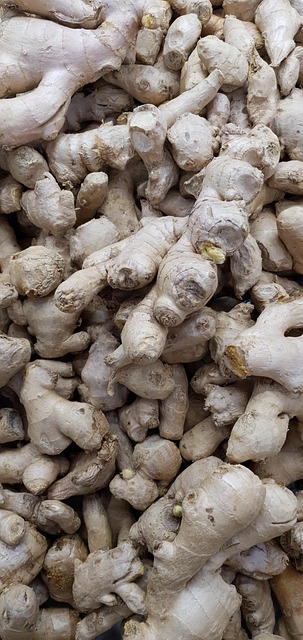
Integrating ginger into an intermittent fasting (IF) regimen requires a strategic approach to maximize potential benefits for appetite modulation while respecting the fasting window. The primary goal is to use ginger in a way that supports satiety and digestive comfort without significantly disrupting the metabolic state of fasting.
Optimal Timing and Forms
Consuming ginger during the eating window is the most straightforward application. Adding fresh grated ginger to meals, sipping ginger tea with food, or using it as a spice can aid digestion and promote a feeling of fullness, potentially reducing overall caloric intake.
For use during the fasting window, the evidence is more nuanced. Consuming plain ginger tea or chewing on a small, thin slice of fresh ginger is generally considered a minimal-calorie intervention that is unlikely to break a fast for most individuals. However, this is based on practical consensus rather than robust clinical trials. The following protocol is commonly suggested:
- Morning or Pre-Meal Tea: Steep 1-2 thin slices of fresh ginger (or ½ tsp grated) in hot water for 5-10 minutes. Drink it plain, without sweeteners, milk, or honey, during your fasting period.
- Pre-Meal Appetite Signal: Chew a small slice of fresh ginger 15-30 minutes before your first meal of the eating window. This may leverage ginger's potential to stimulate digestive enzymes and promote early satiety.
- Consistency: Effects may be cumulative. Consistent daily use, rather than sporadic consumption, is more likely to yield noticeable effects on digestive comfort.
Clinical Insight: From a physiological standpoint, the bitter and pungent compounds in ginger can act as a mild digestive stimulant and satiety signal. The key during fasting is to avoid any form that provides meaningful calories (e.g., ginger candies, sugary ginger ale, or tea with honey), as this can trigger an insulin response and break the fast. For individuals practicing strict autophagy-focused fasts, even zero-calorie ginger tea might be considered an interruption, and pure water fasting remains the gold standard.
Dosage and Precautions
A daily dose of 1-3 grams of fresh ginger is commonly cited in research for digestive benefits. This translates roughly to a 1-inch (2.5 cm) piece of fresh root, sliced or grated. High doses (exceeding 4-5 grams daily) are not recommended and may cause heartburn, mouth irritation, or gas.
Individuals who should exercise caution or consult a physician first include: those with gallstone disease, as ginger may increase bile flow; individuals on anticoagulant medications (e.g., warfarin) due to ginger's mild antiplatelet potential; those with a history of gastroesophageal reflux disease (GERD), as it can exacerbate symptoms; and pregnant women, who should limit intake and discuss use with their obstetrician.
The evidence for ginger as a specific appetite suppressant during IF is preliminary, largely extrapolated from its general effects on digestion and nausea. It should be viewed as a supportive, complementary tool within a broader strategy of mindful eating, adequate hydration, and balanced nutrition during feeding windows.
5. Safety Protocols and Indications for Medical Consultation
While ginger is generally recognized as safe (GRAS) by food safety authorities, its use as an adjunct for appetite control during intermittent fasting (IF) requires a measured, safety-first approach. The primary risks stem from its potent bioactive compounds, like gingerols, which have significant physiological effects. A standard protocol is to start with a low dose, such as 1 gram of fresh ginger or 250-500 mg of a standardized extract, consumed with a large glass of water during the fasting window. This should be done to assess individual tolerance before any gradual increase, with a typical upper limit of 3-4 grams of fresh ginger per day.
It is critical to distinguish between the strong evidence for ginger's general safety in culinary amounts and the more limited, mixed evidence regarding its specific efficacy and long-term safety for appetite suppression in a fasted state. Most human studies on ginger's metabolic effects are of short duration and not specifically designed within an IF protocol.
Clinical Insight: In practice, ginger's blood-thinning (antiplatelet) and blood pressure-lowering effects, while often mild, are pharmacologically relevant. Clinicians advise viewing ginger not just as a food but as an active agent that can interact with medications and underlying conditions. Discontinuing use at least one week prior to elective surgery is a standard precaution.
The following individuals should exercise particular caution and consult a physician or relevant specialist before incorporating ginger for appetite control:
- Individuals on anticoagulant or antiplatelet therapy (e.g., warfarin, aspirin, clopidogrel) due to a potential increased risk of bleeding.
- Those with gallstone disease, as ginger may stimulate bile production.
- Individuals with a history of gastroesophageal reflux disease (GERD) or peptic ulcers, as ginger can exacerbate heartburn or irritation in some cases.
- People scheduled for surgery in the near term.
- Pregnant women, especially in high doses, should seek obstetric guidance, as ginger's effects on pregnancy are nuanced.
Immediate medical consultation is indicated if you experience symptoms of an adverse reaction, such as heart palpitations, unusual dizziness, severe gastrointestinal distress, or signs of an allergic reaction (rash, itching, swelling). Furthermore, if appetite suppression becomes severe, leads to an inability to meet nutritional needs during eating windows, or triggers disordered eating thoughts, discontinuing use and speaking with a healthcare provider is essential. Ginger is a tool, not a substitute for a balanced, medically-sound approach to intermittent fasting.
6. Questions & Expert Insights
Does ginger scientifically suppress appetite, or is this just anecdotal?
Current evidence suggests ginger may influence appetite through several physiological pathways, but the data is not definitive. Some small, short-term human studies indicate that ginger supplementation can increase feelings of satiety and reduce hunger. The proposed mechanisms include delayed gastric emptying, modulation of blood sugar levels, and influence on certain appetite-regulating hormones like serotonin. However, many of these studies are preliminary, involve specific populations (e.g., individuals with overweight or diabetes), or use concentrated extracts. The effect from consuming culinary amounts of fresh or dried ginger in tea or food is likely more subtle and variable between individuals. While not merely anecdotal, the appetite-suppressing effect should be viewed as a potential supportive benefit rather than a guaranteed or powerful outcome.
What are the risks or side effects of using ginger for appetite control?
While generally recognized as safe by food authorities, ginger is not without potential adverse effects, especially at high doses or for specific individuals. Common side effects include heartburn, gas, bloating, and mouth irritation. Ginger has mild antiplatelet (blood-thinning) properties, which poses a risk for individuals on anticoagulant medications like warfarin, clopidogrel, or aspirin, potentially increasing bleeding risk. It may also lower blood pressure and blood sugar, requiring caution for those on related medications. Individuals who should avoid or use extreme caution include: those with gallstone disease (ginger may increase bile flow), a history of bleeding disorders, scheduled surgery, or gastroesophageal reflux disease (GERD). Pregnant women should consult their doctor, as high doses may be contraindicated.
When should I talk to my doctor about using ginger during my fasting protocol?
Consult a physician or a registered dietitian before integrating ginger strategically for appetite control if you have any pre-existing medical condition or are taking medications. This is non-negotiable if you have diabetes, hypertension, a bleeding disorder, or are on blood thinners, blood pressure medications, or diabetes drugs. Before your appointment, prepare to discuss: 1) Your complete fasting schedule and dietary intake, 2) The form and daily dose of ginger you plan to use (e.g., 1 gram of powdered ginger in tea twice daily), 3) A full list of your medications and supplements, and 4) Your specific health goals. This allows your provider to assess potential interactions and advise on safe, monitored integration tailored to your health profile.
Is there a "best" type or dose of ginger to use for this purpose?
There is no universally established "best" type or dose, as robust comparative clinical trials are lacking. Most research on appetite uses standardized ginger extracts in doses ranging from 1 to 2 grams per day. For culinary use, 1-2 teaspoons (2-4 grams) of freshly grated ginger or a similar amount in powder form, steeped in hot water as a tea, is a common and likely safe starting point for most healthy adults. Fresh ginger may offer a broader spectrum of compounds, while standardized extracts provide a consistent dose of active constituents like gingerols. The "best" type is often the one you will use consistently. It is critical to start low (e.g., 1 gram/day) and assess tolerance, as higher doses significantly increase the risk of side effects and interactions.
7. In-site article recommendations
8. External article recommendations
9. External resources
The links below point to reputable medical and evidence-based resources that can be used for further reading. Always interpret them in the context of your own situation and your clinician’s advice.
-
mayoclinic mayoclinic.orgginger – Mayo Clinic (search)
-
wikipedia wikipedia.orgginger – Wikipedia (search)
-
healthline healthline.comginger – Healthline (search)
These external resources are maintained by third-party organisations. Their content does not represent the editorial position of this site and is provided solely to support readers in accessing additional professional information.