
1. Introduction to Chia Seeds and Short-Term Energy Protocols

Chia seeds (Salvia hispanica L.) are a nutrient-dense food with a long history of traditional use. In contemporary nutrition, they are recognized for their high content of soluble fiber, plant-based omega-3 fatty acids (alpha-linolenic acid), protein, and various minerals like magnesium and calcium. The concept of a short-term, focused dietary protocol—such as a three-day plan—is to intentionally incorporate a specific, nutrient-rich food to potentially influence physiological markers of energy and satiety in a condensed timeframe.
The proposed mechanism for chia seeds influencing energy levels is multifaceted and supported by varying degrees of evidence:
- Sustained Energy Release: The soluble fiber in chia seeds forms a gel when mixed with liquid, which can slow the digestion and absorption of carbohydrates. This may help moderate blood sugar levels, potentially preventing the sharp spikes and crashes associated with fatigue. This effect is supported by clinical studies on postprandial glycemia.
- Hydration Support: The gel-forming property can also help retain water and electrolytes in the digestive tract, which may contribute to hydration status—a key factor in physical and cognitive energy.
- Nutrient Density: Providing essential micronutrients involved in cellular energy production (e.g., magnesium for ATP metabolism) can support baseline metabolic function, especially if one's prior diet was lacking in these nutrients.
It is crucial to distinguish between the well-established nutritional profile of chia seeds and the more limited evidence for specific short-term "protocols." While the individual components (fiber, hydration, nutrients) are scientifically supported for general health, data from controlled trials examining a precise 3-day chia seed regimen for energy transformation are not extensive. Most research evaluates long-term incorporation into the diet.
Clinical Perspective: From a medical standpoint, a short-term protocol is best viewed as a structured dietary reset or a practical experiment in mindful eating, rather than a permanent metabolic solution. The observed benefits often stem from displacing less nutritious foods, increasing fiber and fluid intake, and creating a heightened awareness of dietary choices. It is a tool for observation, not a cure-all.
Individuals with certain health conditions should exercise caution and consult a physician before significantly increasing chia seed intake. This includes those with a history of swallowing difficulties, esophageal strictures, or significant gastrointestinal disorders like Crohn's disease or ulcerative colitis. Due to their high fiber content, a gradual introduction is always recommended to minimize bloating or discomfort. Those on medication for diabetes or blood pressure should also consult a doctor, as chia seeds may potentiate the effects of these drugs.
2. Evidence and Mechanisms Behind Chia Seeds for Energy

The proposed benefits of chia seeds for sustained energy are grounded in their well-documented nutritional composition. The primary mechanisms involve their high fiber content, favorable macronutrient profile, and hydration properties, which collectively support stable blood glucose levels and metabolic function.
Core Nutritional Mechanisms
Chia seeds are approximately 34% fiber by weight, most of which is soluble fiber. When mixed with liquid, this fiber forms a gel that slows the digestion and absorption of carbohydrates. This mechanism can help prevent rapid spikes and subsequent crashes in blood sugar, a common contributor to feelings of fatigue. Furthermore, chia seeds contain a balanced ratio of protein (about 17%) and healthy fats, primarily alpha-linolenic acid (ALA), an omega-3 fatty acid. This macronutrient combination promotes satiety and provides a steady release of energy.
- Soluble Fiber & Glycemic Control: The gel-forming property moderates glucose absorption, supporting more consistent energy levels.
- Protein & Fat Content: Contributes to prolonged satiety and reduces the likelihood of energy dips between meals.
- Hydration Support: The seeds' ability to absorb up to 10-12 times their weight in water may aid in maintaining hydration status, which is critical for cellular energy production.
Evaluating the Evidence
It is important to distinguish between the mechanistic plausibility of chia's nutrients and direct clinical evidence for an "energy boost." Research strongly supports the benefits of high-fiber, protein-rich foods for glycemic management and satiety. Specific studies on chia seeds have shown modest benefits for postprandial blood glucose in some trials.
However, direct, high-quality evidence from large, long-term human trials demonstrating that chia seeds uniquely "transform" energy levels is limited. Many studies are small, short-term, or conducted in specific populations (e.g., individuals with type 2 diabetes). The overall energy benefit is likely indirect, stemming from improved dietary patterns—replacing refined carbohydrates with nutrient-dense seeds—rather than a direct stimulant effect.
Clinical Perspective: From a nutritional standpoint, incorporating chia seeds as part of a balanced diet is a sound strategy for promoting metabolic steadiness. They are not a stimulant like caffeine. The perceived improvement in energy is most credible when it results from better blood sugar stability and reduced consumption of ultra-processed foods. It is not a standalone solution for underlying medical causes of fatigue, such as sleep disorders, anemia, or thyroid dysfunction.
Who Should Exercise Caution: Individuals with swallowing difficulties, a history of bowel obstruction, or significant gastrointestinal disorders should introduce chia seeds cautiously with ample fluid. Those on blood-thinning medications or with upcoming surgeries should consult a doctor due to chia's ALA content, which may have mild anticoagulant effects. As with any significant dietary change, individuals with chronic health conditions should discuss it with their physician.
3. Risks and Contraindications for the Chia Seed Protocol
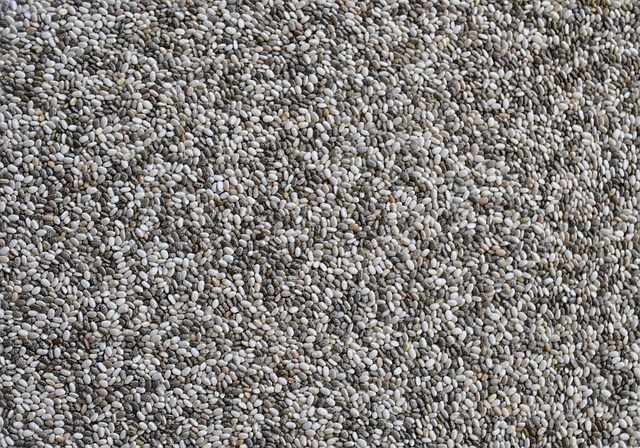
While chia seeds are generally considered safe for most people when consumed in typical food amounts, a concentrated, short-term protocol introduces specific considerations. A responsible approach requires acknowledging these potential risks and identifying individuals for whom this protocol is not appropriate.
Primary Gastrointestinal and Hydration Risks
The most common adverse effects are gastrointestinal, stemming from the seeds' exceptionally high soluble fiber content. A rapid increase in fiber intake can overwhelm the digestive system.
- Bloating, Gas, and Abdominal Discomfort: This is a well-documented, evidence-based effect when fiber intake escalates quickly. The gut microbiota ferments the soluble fiber, producing gas.
- Constipation or Diarrhea: Paradoxically, both can occur. Without adequate fluid, chia seeds can form a dense gel that may obstruct the GI tract, leading to constipation. Conversely, the sudden fiber influx can accelerate motility in some individuals, causing diarrhea.
- Hydration Imperative: Chia seeds absorb 10–12 times their weight in water. Insufficient fluid intake is the single greatest risk, potentially leading to severe esophageal or intestinal blockage, a rare but serious medical event.
Clinical Insight: From a gastroenterology perspective, the key is gradual introduction and aggressive hydration. We advise patients to start with one tablespoon daily with a full glass of water, then increase slowly over a week or more. The "3-day" aspect of this protocol contradicts standard clinical guidance for fiber adaptation and should be approached with extreme caution regarding fluid intake.
Specific Contraindications and Populations for Caution
Certain medical conditions and medications create significant contraindications for high-dose chia seed consumption.
- Swallowing Disorders or Esophageal Strictures: Individuals with dysphagia or a history of strictures must avoid dry or inadequately soaked chia seeds due to a high aspiration or obstruction risk.
- Diverticulitis: During an active flare, high-fiber foods are contraindicated. Those with a history of diverticular disease should consult a physician.
- Blood Pressure and Anticoagulant Medications: Preliminary in-vitro and animal studies suggest chia seeds may have mild blood-thinning and hypotensive effects. While evidence in humans is limited, individuals on anticoagulants (e.g., warfarin), antiplatelets (e.g., aspirin, clopidogrel), or blood pressure medications should consult their doctor to monitor for potential interactions.
- Pre-operative Patients: Given the theoretical bleeding risk, it is prudent to discontinue high-dose chia seed intake at least two weeks before elective surgery.
- Allergies: Though rare, allergic reactions to chia seeds, particularly in individuals allergic to mustard or sesame seeds, have been reported.
Essential Takeaway: This protocol is not suitable for everyone. If you have a chronic gastrointestinal condition, are on regular medication (especially for blood thinning or hypertension), or have difficulty swallowing, you must seek personalized advice from a healthcare professional before beginning any intensive dietary protocol.
4. Practical Implementation of the 3-Day Protocol

This chapter provides a structured, practical guide for implementing the three-day dietary protocol. The goal is to integrate chia seeds into your meals in a way that supports stable energy levels, primarily through their high soluble fiber and nutrient content. Consistency and proper preparation are key to the intended effect.
Daily Protocol Structure
Each day follows the same core pattern, designed to promote hydration and sustained nutrient release. The evidence for chia's role in blood sugar modulation and satiety is promising, though most studies are short-term and involve specific populations.
- Morning (Upon Waking): Consume one tablespoon (approximately 12 grams) of chia seeds soaked overnight in at least one cup (240ml) of water. This pre-hydrated gel aids digestion and provides a base of fiber and omega-3 fatty acids.
- Midday (With Lunch): Incorporate another tablespoon of pre-soaked chia seeds into a meal. They can be mixed into yogurt, sprinkled on a salad, or blended into a smoothie.
- Evening (Optional, 2-3 hours before bed): A third serving can be consumed, but it is not mandatory. Some individuals may find it supports overnight satiety.
Essential Preparation and Hydration Notes
Chia seeds absorb 10-12 times their weight in liquid. Improper preparation can pose a choking hazard or cause gastrointestinal discomfort.
- Always soak seeds for a minimum of 15-30 minutes, or ideally overnight, until a gel forms.
- Increase your total water intake by at least 500ml (about 2 cups) throughout the day beyond your normal consumption to support the extra fiber.
- Start with one tablespoon per serving if you are new to high-fiber foods to assess tolerance.
Integrating with Meals
The protocol is not a fast or a replacement for balanced nutrition. It is designed to be an addition to your regular diet.
- Maintain your usual intake of vegetables, lean proteins, and healthy fats.
- Avoid compensating for the added chia by reducing other nutrient-dense foods.
- Be mindful of overall calorie intake if adding chia to calorie-dense foods like nut butters or sweetened yogurts.
Clinical Consideration: While generally safe for most, this protocol requires caution for certain individuals. Those with a history of swallowing difficulties, esophageal strictures, or significant gastrointestinal disorders like inflammatory bowel disease (IBD) should avoid it or consult a gastroenterologist first. Individuals on medication for diabetes or blood pressure should monitor their levels closely, as chia may have additive effects. Pregnant or breastfeeding women should discuss any significant dietary change with their physician.
The three-day period allows you to systematically observe any subjective changes in energy, digestion, and satiety. It is a short-term observational tool, not a long-term therapeutic plan. Discontinue use if you experience significant bloating, pain, or allergic reactions.
5. Safety Considerations and When to Seek Medical Advice

While chia seeds are generally recognized as safe for most people when consumed in typical food amounts, a concentrated, short-term protocol requires specific safety considerations. The primary evidence for chia seeds' benefits, such as improved satiety and blood sugar modulation, comes from studies incorporating them into a regular diet, not from intensive three-day protocols. The safety profile for such a focused regimen is less established.
Key Safety Considerations
The most common adverse effects are gastrointestinal. Due to their exceptional soluble fiber content, a sudden, significant increase in chia seed intake can cause:
- Bloating, gas, and abdominal discomfort
- Constipation, particularly if fluid intake is not substantially increased alongside consumption.
- Diarrhea in some individuals, as the fiber acts as a bulking agent.
To mitigate these effects, it is crucial to consume chia seeds only after they have been fully soaked in plenty of liquid (water, milk, or plant-based milk) for at least 10-15 minutes, allowing them to form a gel. Consuming dry seeds can pose a risk of esophageal blockage, especially for individuals with swallowing difficulties.
Clinical Insight: From a gastroenterology perspective, the rapid introduction of high-fiber foods is a common trigger for functional GI symptoms. While not dangerous, it can be uncomfortable and is often the reason people abandon such protocols. Gradually increasing chia seed quantity over a few days prior to starting the full protocol may improve tolerance.
Who Should Exercise Caution or Consult a Physician First?
Certain individuals should seek medical advice before beginning any new dietary protocol, including this one:
- Individuals with a history of swallowing disorders or esophageal strictures.
- Those with diagnosed gastrointestinal conditions like Crohn's disease, ulcerative colitis, or a history of bowel obstructions.
- People with kidney disease. Chia seeds are high in phosphorus, which can accumulate in individuals with compromised kidney function.
- Individuals on medication for diabetes or high blood pressure. Chia seeds may have additive effects on lowering blood sugar and blood pressure, potentially requiring medication adjustment.
- Those on blood-thinning medications (e.g., warfarin). While evidence is not conclusive, chia seeds contain omega-3 fatty acids (ALA), which in very high doses may have mild anticoagulant properties.
- People with seed allergies, though rare.
If you experience severe abdominal pain, vomiting, or signs of an allergic reaction (hives, swelling, difficulty breathing) during the protocol, discontinue use immediately and seek medical attention. For most, this protocol is likely low-risk, but proceeding with awareness of these considerations and in consultation with a healthcare provider for any pre-existing conditions is the most responsible approach.
6. Questions & Expert Insights
Is the 3-day chia seed protocol scientifically proven to boost energy?
While chia seeds are a nutritious food, the specific claim of a "3-day protocol" transforming energy is not supported by robust, long-term clinical trials. The potential energy benefits are likely indirect and multifactorial. Chia seeds are rich in soluble fiber, which promotes stable blood sugar levels, potentially preventing the mid-afternoon energy crashes associated with refined carbohydrates. Their high content of alpha-linolenic acid (an omega-3 fatty acid) and minerals like magnesium may support cellular energy production and neuromuscular function. However, any perceived energy surge is more likely the result of improved hydration (due to the seeds' water-absorbing properties), a brief shift to a more nutrient-dense diet, and the placebo effect of undertaking a structured wellness activity. The evidence is strongest for chia seeds as part of a consistent, balanced diet, not as a short-term "fix."
What are the risks or side effects, and who should avoid this approach?
This protocol carries several important considerations. The most common side effects are gastrointestinal: bloating, gas, and abdominal discomfort due to the rapid introduction of high fiber. There is also a risk of esophageal obstruction if dry chia seeds are consumed without sufficient liquid, as they expand rapidly. Individuals with the following conditions should exercise extreme caution or avoid it entirely:
- Dysphagia or esophageal strictures: High risk of choking or blockage.
- Inflammatory bowel disease (IBD) or a history of bowel obstructions: The high fiber load may trigger flares or blockages.
- Diverticulitis: Should avoid during active inflammation.
- Kidney disease: Chia seeds are high in phosphorus and potassium, which can accumulate in renal impairment.
- Those on blood-thinning medications (e.g., warfarin) or with bleeding disorders: High omega-3 intake may have an additive anticoagulant effect.
- Individuals with a history of eating disorders: Any restrictive or "transformative" short-term protocol can be triggering.
When should I talk to a doctor before trying this, and what should I discuss?
Consult a physician or a registered dietitian before starting if you have any chronic health condition, are pregnant or breastfeeding, take regular medications, or have unexplained, persistent fatigue. This is non-negotiable for individuals with the conditions listed above. Prepare for the conversation by bringing:
- A clear description of the protocol, including daily chia seed quantities and other dietary restrictions it suggests.
- Your complete medication and supplement list.
- A summary of your specific health goals (e.g., "less afternoon sluggishness").
Can I sustain the energy benefits after the 3 days, or is this just a short-term effect?
Sustaining any benefits requires integrating the principles—not the protocol itself—into a long-term lifestyle. The temporary "boost" may fade if you revert to previous dietary patterns. For lasting effects, consider adopting these evidence-based habits:
- Consistent Fiber Intake: Incorporate diverse fiber sources (vegetables, fruits, legumes, whole grains) regularly, not just from chia seeds.
- Prioritize Hydration: Adequate fluid intake is essential for fiber to function properly and for overall cellular energy.
- Balanced Meals: Pair complex carbohydrates with protein and healthy fats at each meal to maintain steady blood glucose.
- Address Root Causes: Energy is multifaceted. Prioritize sleep quality, manage chronic stress, and engage in regular physical activity alongside nutrition.
7. In-site article recommendations
8. External article recommendations
9. External resources
The links below point to reputable medical and evidence-based resources that can be used for further reading. Always interpret them in the context of your own situation and your clinician’s advice.
-
mayoclinic mayoclinic.orgchia seeds – Mayo Clinic (search)
-
healthline healthline.comchia seeds – Healthline (search)
-
wikipedia wikipedia.orgchia seeds – Wikipedia (search)
These external resources are maintained by third-party organisations. Their content does not represent the editorial position of this site and is provided solely to support readers in accessing additional professional information.