
1. Introduction to 3-Day Juice Cleanses and Digestive Context

The 3-day juice cleanse is a popular dietary intervention where an individual consumes only fruit and vegetable juices, while abstaining from solid food, for a 72-hour period. Proponents often cite goals such as "detoxification," "resting" the digestive system, and initiating weight loss. This chapter provides a foundational, evidence-based context for understanding the physiological impact of such a cleanse, with a specific focus on digestive function.
From a clinical perspective, the human digestive system is a complex, continuously active organ system. It does not require "rest" in the way a muscle does; its lining regenerates rapidly, and processes like peristalsis (the muscular contractions that move food) are ongoing. A sudden shift to an exclusively liquid, low-residue diet represents a significant change in substrate, which can have several immediate effects:
- Reduced Fiber Intake: Juicing removes most insoluble fiber. This can lead to a decrease in stool bulk and frequency, which some may misinterpret as the digestive system being "cleaned" or "empty."
- Altered Gut Motility: Without solid food to process, the rhythmic contractions of the intestines may slow, potentially causing temporary constipation for some individuals.
- Microbiome Shift: The gut microbiota, which relies heavily on dietary fiber for fuel, may experience a rapid change in bacterial populations during a low-fiber period.
It is crucial to distinguish between anecdotal reports of improved digestion and robust scientific evidence. High-quality, long-term studies on the specific benefits of short-term juice cleanses are limited. Much of the available data is preliminary, involves small sample sizes, or is funded by entities with a commercial interest. Claims of systemic "detoxification" are not supported by physiology; the liver and kidneys are the body's primary and highly efficient detoxification organs.
Clinical Insight: While a short-term juice cleanse may lead to subjective feelings of lightness or reduced bloating—often due to lower salt, processed food, and overall calorie intake—these are typically transient effects. Clinicians caution against viewing such protocols as a solution for chronic digestive issues like irritable bowel syndrome (IBS) or inflammatory bowel disease (IBD), where they could be detrimental.
Who should exercise caution or avoid a juice cleanse without medical consultation? This includes individuals with diabetes or blood sugar dysregulation, kidney disease, liver conditions, a history of eating disorders, those who are pregnant or breastfeeding, and anyone on medications that require food for absorption or affect electrolyte balance. The drastic reduction in protein, fat, and key micronutrients can pose risks for these populations.
2. Evidence and Mechanisms of Juice Cleanses on Digestion
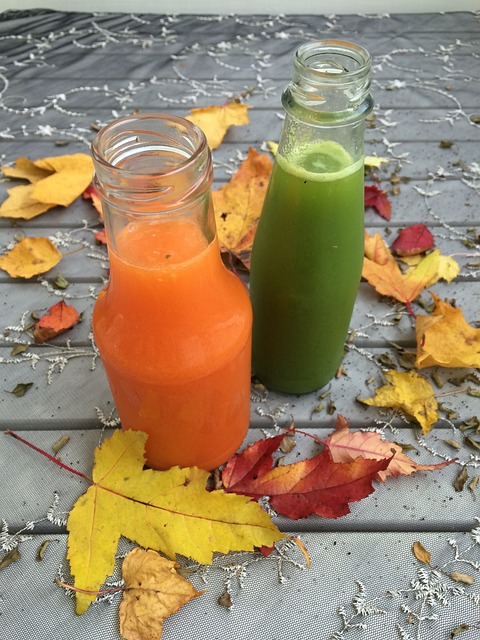
The physiological impact of a short-term juice cleanse on digestion is a subject of both anecdotal reports and scientific inquiry. The mechanisms are multifaceted, involving changes in nutrient delivery, gut motility, and the gut microbiome. It is crucial to separate the immediate, short-term effects from claims of long-term "detoxification" or "reset," which lack robust clinical evidence.
Proposed Mechanisms and Short-Term Effects
The primary digestive changes during a juice-only regimen are driven by the absence of solid food and the altered macronutrient profile.
- Reduced Digestive Load: Eliminating fiber and solid food provides a mechanical rest for the stomach and small intestine, which may temporarily reduce bloating and feelings of fullness in some individuals.
- Altered Gut Motility: The lack of dietary fiber, which adds bulk to stool, typically slows colonic transit. This can lead to constipation during the cleanse. Conversely, certain fruit juices high in fructose or sorbitol (e.g., pear, apple) may have an osmotic effect, potentially causing loose stools or diarrhea.
- Nutrient Delivery: Juices deliver a concentrated dose of simple sugars, vitamins, and phytonutrients in a pre-digested form, allowing for rapid absorption. This can cause a sharp rise in blood glucose and insulin levels.
Evidence and Clinical Perspective
The evidence for purported benefits like "flushing toxins" or "healing the gut" is not supported by high-quality human trials. The body's liver and kidneys are highly efficient at endogenous detoxification regardless of dietary intake.
There is preliminary and mixed evidence regarding the gut microbiome. A sudden, drastic reduction in prebiotic fiber—which feeds beneficial gut bacteria—may negatively alter microbial diversity within days. Any perceived "cleansing" is more likely a result of a very low-residue diet, not an improvement in gut health.
Clinical Insight: From a gastroenterology standpoint, the digestive system is designed for regular intake of varied foods. While a short break from processing solids is not harmful for most healthy adults, the extreme sugar load and nutrient imbalances of a juice cleanse can be problematic. The reported "light" feeling often stems from low calorie intake and glycogen depletion, not from an improved digestive state.
Who Should Exercise Caution: Individuals with diabetes, insulin resistance, kidney disease, a history of eating disorders, or those on certain medications should avoid juice cleanses. The drastic change in diet can disrupt metabolic control and electrolyte balance. Anyone with chronic digestive conditions like IBS should consult a gastroenterologist first, as the high FODMAP content of many juices may trigger symptoms.
3. Risks and Populations to Avoid Juice Cleanses

While some individuals report short-term subjective benefits from juice cleanses, the practice carries significant, well-documented risks. The primary concern is the severe caloric and nutrient restriction inherent in consuming only fruit and vegetable juices for multiple days. This can lead to a state of semi-starvation, with predictable physiological consequences.
The most common immediate adverse effects include:
- Hypoglycemia: Juices, particularly fruit-based ones, cause rapid spikes and subsequent crashes in blood sugar, leading to fatigue, dizziness, irritability, and brain fog.
- Muscle Catabolism: With inadequate protein and calorie intake, the body breaks down muscle tissue for energy, which can lower metabolic rate.
- Electrolyte Imbalances: The diuretic effect of high fluid and low sodium intake can flush out essential electrolytes like potassium and sodium, potentially causing heart palpitations, weakness, and headaches.
- Digestive Disruption: The absence of fiber can paradoxically worsen constipation after an initial flush, and the high fructose load may cause bloating, gas, and diarrhea in some individuals.
Clinical Perspective: From a medical standpoint, the liver and kidneys are designed to detoxify the body continuously. There is no high-quality evidence that a juice cleanse enhances this process. Instead, the sudden influx of concentrated sugars and oxalates (from greens like spinach and kale) can place an unnecessary strain on these organs, particularly in susceptible individuals.
Populations Who Should Strictly Avoid Juice Cleanses
Certain groups are at high risk for serious complications and must avoid restrictive cleanses unless under direct, specific medical supervision (which is exceedingly rare).
- Individuals with Diabetes or Prediabetes: The uncontrolled blood sugar swings are dangerous and can lead to hyperglycemia or severe hypoglycemia.
- Those with Kidney Disease: High potassium levels from juices (like orange, tomato, or green juices) can cause hyperkalemia, a life-threatening condition for those with compromised kidney function.
- Pregnant or Breastfeeding Individuals: Caloric and nutrient restriction is contraindicated, as it can jeopardize fetal development and milk production.
- People with a History of Eating Disorders: Cleanses can trigger restrictive behaviors and relapse.
- Individuals on Certain Medications: Those on diuretics, blood pressure medications, diabetes drugs, or blood thinners (like warfarin) risk dangerous interactions from nutrient shifts and altered metabolism.
The evidence supporting the purported "detox" benefits of juice cleanses is extremely limited and largely anecdotal. In contrast, the risks of nutrient deficiencies, metabolic disruption, and organ strain are physiologically well-understood. Anyone considering a significant dietary change, especially one involving extreme restriction, should consult a physician or a registered dietitian to assess personal risk factors.
4. Practical Takeaways for Digestive Health Management
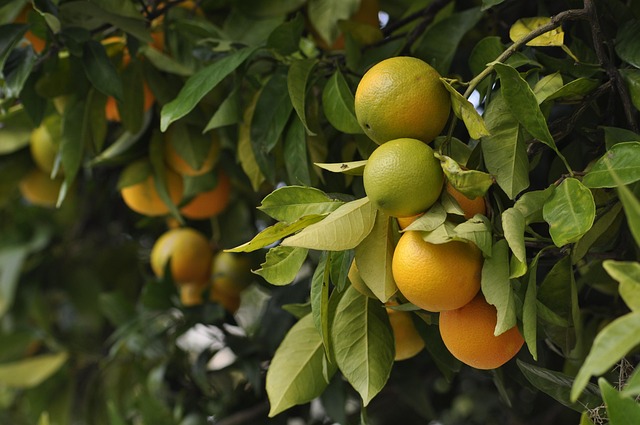
While a short-term juice cleanse may offer a temporary reset in digestive perception, its principles do not translate into a sustainable or evidence-based strategy for long-term gut health. The observed effects, such as reduced bloating, are often due to the elimination of solid foods and specific food groups rather than a "detoxification" process. Sustainable management focuses on consistent, balanced dietary patterns and lifestyle habits supported by robust clinical evidence.
Evidence-Based Dietary Foundations
The core of digestive wellness lies in a high-fiber, diverse, and predominantly plant-based diet. Strong evidence supports the following approaches:
- Prioritize Fiber: Aim for 25-38 grams daily from whole foods like vegetables, fruits, legumes, and whole grains. Soluble fiber (oats, apples, beans) can help regulate bowel movements, while insoluble fiber (leafy greens, nuts) adds bulk.
- Emphasize Food Diversity: Consuming a wide variety of plant foods supports a diverse gut microbiome, which is linked to better digestive and immune function.
- Mindful Hydration: Adequate water intake is essential for fiber to function properly. Insufficient fluid with high fiber can lead to constipation.
- Identify Personal Triggers: Systematically noting foods that cause discomfort (e.g., high-FODMAP items, dairy, gluten for some) can be more effective than broad elimination.
Clinical Perspective: From a gastroenterology standpoint, extreme dietary interventions like cleanses can disrupt normal gut motility and microbiome balance. The goal is to nourish the gut ecosystem consistently, not to periodically starve it. Long-term digestive resilience is built on dietary adequacy and regularity, not restriction.
Integrating Lifestyle Factors
Digestion is not solely about food intake. Preliminary and observational data suggest these factors play a significant supporting role:
- Stress Management: The gut-brain axis is well-established. Chronic stress can exacerbate conditions like IBS. Practices such as mindful eating, meditation, and regular exercise can modulate digestive symptoms.
- Regular Physical Activity: Exercise promotes healthy gut motility and can alleviate constipation.
- Prioritizing Sleep: Poor sleep patterns are associated with worsened gastrointestinal symptoms, likely through stress and inflammatory pathways.
Important Cautions and Contraindications
Before making significant dietary changes, certain individuals must exercise caution and consult a healthcare provider:
- Those with known kidney disease, diabetes, or liver conditions.
- Individuals with a history of eating disorders or disordered eating patterns.
- People on medications, especially those affecting blood sugar, blood pressure, or potassium levels.
- Pregnant or breastfeeding individuals.
If you experience persistent symptoms like abdominal pain, significant changes in bowel habits, or unexplained weight loss, a consultation with a physician or registered dietitian is essential to rule out underlying conditions.
5. Safety Considerations and When to Consult a Healthcare Provider

While short-term juice cleanses are popular, they are not without potential risks. A clinically responsible approach requires understanding these risks and identifying individuals for whom this practice is contraindicated. The primary safety concerns stem from the regimen's severe caloric restriction, lack of solid food, and high concentration of simple sugars.
The most common adverse effects include fatigue, headaches, dizziness, and irritability, often due to low blood sugar and electrolyte shifts. More significant risks involve:
- Nutrient Deficiencies: Even over three days, the absence of protein, healthy fats, and key micronutrients can be problematic for some individuals.
- Blood Sugar Dysregulation: The high fructose load from fruit juices can cause rapid spikes and crashes in blood glucose, which is particularly concerning for individuals with insulin resistance, prediabetes, or diabetes.
- Electrolyte Imbalances: Juices are poor sources of sodium and can be high in potassium. This imbalance, coupled with increased fluid intake, can disrupt electrolyte homeostasis.
- Gastrointestinal Distress: The sudden high influx of fructose and lack of fiber can lead to bloating, gas, and diarrhea in those with fructose malabsorption or sensitive guts.
Clinical Perspective: From a medical standpoint, the human body has sophisticated, built-in detoxification systems (liver, kidneys, gastrointestinal tract). There is no high-quality evidence that a juice cleanse enhances these processes. The perceived "cleanse" effects are more likely due to the elimination of processed foods and a drastic reduction in calorie intake, not a specific detoxifying action of the juice itself.
You should consult a healthcare provider before attempting a juice cleanse if you have any of the following conditions or circumstances:
- Diabetes, hypoglycemia, or other metabolic disorders.
- Kidney disease (due to potential potassium overload).
- A history of eating disorders.
- Pregnancy or breastfeeding.
- You are taking medications, especially for diabetes, blood pressure, or blood thinners (dietary changes can alter their efficacy).
- You have a compromised immune system or are recovering from illness/surgery.
Furthermore, anyone experiencing severe dizziness, fainting, palpitations, extreme weakness, or persistent nausea during a cleanse should stop immediately and seek medical advice. The decision to undertake a restrictive dietary protocol should be made with caution and, for many, in consultation with a physician or a registered dietitian to ensure it does not compromise your individual health status.
6. Questions & Expert Insights
Will a 3-day juice cleanse "reset" or "detox" my digestive system?
The concept of a "reset" or "detox" is not a recognized medical or physiological process. Your liver, kidneys, colon, and lymphatic system are continuously and efficiently processing and eliminating metabolic waste. A short-term juice cleanse does not enhance this intrinsic function. What you may experience is a temporary reduction in the workload of your digestive tract due to the absence of solid food and complex macronutrients like fiber and protein. This can feel like a "break," but it is not a reset of the system's underlying function. The perceived benefits, such as reduced bloating, are often due to a lower intake of fermentable fibers (FODMAPs) or food intolerances, not the removal of toxins. The effect is transient and does not confer long-term digestive health benefits.
What are the most common side effects and risks of a juice cleanse?
Common side effects stem from the drastic reduction in calories, fiber, protein, and fat. These include fatigue, headaches, dizziness, irritability ("hanger"), and intense hunger. Digestively, the high fructose load from fruit juices can cause bloating, gas, and diarrhea in some individuals, while the lack of fiber can paradoxically lead to constipation once solid food is reintroduced. More significant risks involve nutrient deficiencies if prolonged, electrolyte imbalances, and a precipitous drop in blood sugar (hypoglycemia), especially for those with metabolic conditions. The regimen can also disrupt normal hunger and satiety cues and may trigger disordered eating patterns in susceptible individuals.
Who should absolutely avoid attempting a juice cleanse?
Several populations should avoid juice cleanses due to potential health hazards. This includes individuals with diabetes or prediabetes (due to uncontrolled blood sugar spikes), those with kidney disease (risk of hyperkalemia from high potassium juices), and anyone with a history of eating disorders. Pregnant or breastfeeding individuals require steady nutrient intake and should not restrict calories in this manner. People with gastroesophageal reflux disease (GERD) may find symptoms worsen due to acidic juices. Those on certain medications, especially diuretics, blood pressure, or diabetes drugs, risk dangerous interactions. If you have any chronic health condition, consulting a physician before any significant dietary change is non-negotiable.
When should I talk to a doctor about my digestion, and how should I prepare for that appointment?
Consult a doctor or a gastroenterologist if you experience persistent symptoms like abdominal pain, significant changes in bowel habits (constipation or diarrhea lasting more than a few weeks), unexplained weight loss, blood in stool, or severe bloating that impacts your quality of life. Do not assume a cleanse will address these. For the appointment, preparation is key. Bring a detailed symptom journal noting timing, frequency, and triggers. List all medications and supplements. Be ready to discuss your diet history honestly, including any cleanses or restrictive diets you've tried. Most importantly, come with specific questions about evidence-based diagnostic steps (like tests for food intolerances, SIBO, or celiac disease) and sustainable management strategies, rather than seeking validation for extreme dietary interventions.
7. In-site article recommendations
8. External article recommendations
9. External resources
The links below point to reputable medical and evidence-based resources that can be used for further reading. Always interpret them in the context of your own situation and your clinician’s advice.
-
healthline healthline.com3-day juice cleanse – Healthline (search)
-
mayoclinic mayoclinic.org3-day juice cleanse – Mayo Clinic (search)
-
examine examine.com3-day juice cleanse – Examine.com (search)
These external resources are maintained by third-party organisations. Their content does not represent the editorial position of this site and is provided solely to support readers in accessing additional professional information.