
1. Foundations of Functional Movement for Joint Health
Functional movement refers to exercises and patterns that mimic or directly train the multi-planar, multi-joint actions we perform in daily life—such as squatting, lunging, pushing, pulling, and rotating. The primary objective for joint health is not to isolate a single muscle or joint, but to improve the integrated, coordinated function of the entire kinetic chain. This approach is grounded in the principle that optimal joint health depends on balanced strength, adequate mobility, and neuromuscular control around the joint.
Strong evidence from sports medicine and rehabilitation sciences supports the use of functional training to reduce pain and improve function in conditions like knee osteoarthritis and chronic low back pain. The rationale is that training movement patterns, rather than muscles in isolation, enhances joint stability through co-contraction of agonist and antagonist muscle groups, distributes load more effectively, and can correct compensatory movement strategies that lead to overuse injuries.
However, the application must be individualized. The evidence is strongest for supervised, progressive programs. The benefits of short-term, unsupervised "kickstart" programs are less clear and typically depend on a participant's baseline fitness and existing movement quality.
Clinical Perspective: In practice, we assess fundamental movement patterns before loading them. A dysfunctional squat pattern, for instance, may exacerbate knee or hip pain if loaded prematurely. The foundation is always quality of movement over quantity or intensity. This initial phase is about motor re-education, not fitness conditioning.
Key foundational principles include:
- Movement Before Load: Master bodyweight patterns with proper form before adding external resistance.
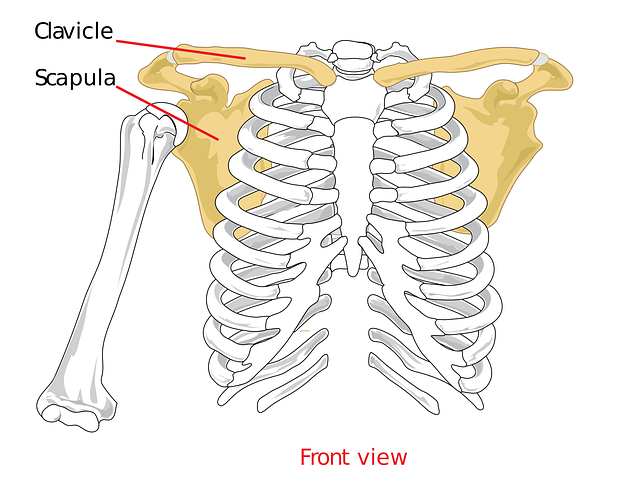
- Proximal Stability for Distal Mobility: A stable core and scapulae are prerequisites for safe and effective limb movement.
- Tri-Plane Awareness: Life happens in three planes (sagittal, frontal, transverse). Foundations should include gentle movements in all planes to maintain joint capsule health and proprioception.
Who should proceed with caution? Individuals with acute joint injury, inflammation, or pain, those with diagnosed osteoporosis (especially spinal), or anyone with significant balance deficits should consult a physician or physical therapist before beginning. Those with a history of joint instability or recent surgery require professional guidance to ensure exercises are appropriately modified.
The following days will build upon these foundations, applying them to specific patterns. It is critical to listen to your body; joint discomfort during movement should be distinguished from sharp or radiating pain, which is a signal to stop and seek professional evaluation.
2. Scientific Insights: How Movement Supports Joint Integrity
Joint health is not a static state but a dynamic process of maintenance and repair, fundamentally supported by appropriate movement. The scientific rationale for this is multi-faceted, involving biomechanical, biochemical, and physiological mechanisms.
From a structural perspective, movement is essential for the health of articular cartilage, the smooth tissue covering the ends of bones. Cartilage is avascular, meaning it lacks its own blood supply. It relies on the compression and decompression of joint movement to circulate synovial fluid, which delivers nutrients and removes metabolic waste. This "joint lubrication" process is critical for maintaining cartilage integrity and preventing the degenerative changes associated with osteoarthritis.
Beyond lubrication, movement supports joint integrity through several key mechanisms:
- Muscle Strength and Neuromuscular Control: Strong, balanced muscles act as dynamic stabilizers, absorbing forces that would otherwise stress passive joint structures like ligaments and the joint capsule. This reduces sheer and rotational loads on the joint.
- Proprioception Enhancement: Movement stimulates mechanoreceptors within joints, muscles, and tendons, improving the body's sense of joint position in space. Enhanced proprioception leads to better movement coordination and protective reflexes, reducing injury risk.
- Inflammatory Modulation: Regular, moderate physical activity has a well-documented anti-inflammatory effect, helping to regulate systemic levels of cytokines like TNF-α and IL-6. This creates a more favorable biochemical environment for joint tissues.
Clinical Perspective: While the benefits of movement for joint health are strongly supported by evidence, the prescription is critical. The dose (intensity, volume, frequency) and type of movement must be individualized. "Motion is lotion" is a useful adage, but it assumes the motion is appropriate and pain-free. Loading a joint through its full, available range of motion is the goal; forcing a joint into a painful range can be counterproductive and inflammatory.
It is important to note that while the general principles are robust, evidence for specific "functional movement pattern" protocols is often based on smaller, shorter-term studies or extrapolated from broader exercise science. The long-term superiority of one movement system over another for joint health remains an area of active research.
Who should proceed with caution? Individuals with acute joint injury, unexplained joint pain, swelling, or instability, or those with diagnosed conditions like rheumatoid arthritis, should consult a physician or physical therapist before beginning any new movement regimen. Similarly, those with severe osteoporosis or recent surgery require tailored medical guidance.
3. Identifying Risks and Contraindications for Safe Participation
Before initiating any new movement program, a thorough self-assessment is a critical first step for safety and efficacy. The foundational movements in this kickstart are generally low-impact, but they are not universally appropriate. The primary goal is to improve joint health, not to exacerbate underlying conditions.
Certain medical situations necessitate consultation with a qualified healthcare professional—such as a physician, physical therapist, or sports medicine doctor—before participation. You should seek personalized medical advice if you have:
- An acute injury (e.g., recent sprain, strain, fracture, or dislocation).
- A diagnosed chronic joint condition (e.g., rheumatoid arthritis, gout, or advanced osteoarthritis) that is currently flaring.
- Significant instability in a major joint (e.g., shoulder dislocation history, chronic ankle instability).
- Recent surgery (typically within the last 3-6 months, depending on the procedure).
- Cardiovascular, respiratory, or metabolic conditions that limit physical activity.
Clinical Insight: In practice, the line between "movement as medicine" and "movement as stressor" is individual. Pain is a key indicator. Sharp, shooting, or joint-line pain is a clear signal to stop and reassess. A low-level muscular ache or stiffness during new movement patterns may be expected, but joint pain, swelling, or a feeling of instability are contraindications that require professional evaluation. The principle of "start low and go slow" is paramount.
For individuals with no diagnosed conditions but who are deconditioned or have been largely sedentary, participation requires a modified approach. The evidence strongly supports graded exposure to movement for improving joint health in this population, but the risk of overuse injury is higher. It is essential to respect current mobility limits and not force range of motion.
Furthermore, be cautious with any movement that provokes dizziness, lightheadedness, or shortness of breath disproportionate to the effort. These are not typical responses to gentle functional patterns and warrant immediate cessation and medical review.
This 3-day protocol is designed as an educational introduction. It is not a substitute for rehabilitation or a tailored exercise prescription from a clinician. By identifying these risks upfront, you can engage with the material more safely and effectively, laying a responsible foundation for long-term joint health.
4. Implementing the 3-Day Functional Movement Kickstart
This three-day protocol is designed to systematically reintroduce foundational movement patterns with a focus on quality, control, and joint proprioception. The goal is not to build strength or endurance, but to re-establish neuromuscular connections and movement confidence. The evidence supporting the benefits of movement re-education for joint health and pain reduction is robust, particularly for conditions like knee osteoarthritis and chronic low back pain.
Each day follows a consistent structure: a dynamic warm-up, focused practice of two primary movement patterns, and a cool-down. Adherence to this sequence is critical for preparing the tissues and central nervous system for the work ahead.
Daily Protocol Structure
- Warm-up (5-7 minutes): Gentle, rhythmic movements to increase blood flow and synovial fluid production. Examples include cat-cow stretches, leg swings (forward/side), arm circles, and torso rotations. The focus is on pain-free range of motion.
- Movement Pattern Practice (15-20 minutes): Perform 2-3 sets of 8-12 slow, controlled repetitions for each of the day's two featured patterns. Use a "stop-and-hold" technique at the most challenging point of the movement to enhance motor control.
- Cool-down (5 minutes): Static stretching for the major muscle groups worked, holding each stretch for 20-30 seconds without bouncing. Deep, diaphragmatic breathing is encouraged to downregulate the nervous system.
Three-Day Movement Sequence
The patterns progress from stability-focused to more integrated movements.
- Day 1: Hinge & Squat. Practice the hip hinge (e.g., deadlift pattern with no weight) and a bodyweight squat to a comfortable depth. Prioritize spinal neutrality and knee tracking over depth.
- Day 2: Lunge & Push. Perform stationary split squats or reverse lunges, followed by a vertical push pattern like wall push-ups or scapular wall slides. Emphasize balance and controlled descent.
- Day 3: Pull & Carry. Practice a horizontal pull (e.g., standing row with a resistance band) and a unilateral carry (walking while holding a light weight in one hand). Focus on scapular retraction and core bracing to resist lateral flexion.
Clinical Perspective: This kickstart is a diagnostic tool as much as an intervention. Pay close attention to which movements feel stiff, unstable, or provoke discomfort (not sharp pain). This feedback is valuable information for you and, if needed, a healthcare provider. The evidence for such brief interventions is strongest for improving movement awareness and reducing kinesiophobia (fear of movement). Long-term joint health requires consistent practice beyond these three days.
Important Precautions: Individuals with acute joint injury, unexplained pain, significant balance issues, or cardiovascular conditions should consult a physician or physical therapist before beginning. If any movement causes sharp, shooting, or increasing pain, stop immediately. This program is a re-education template, not a substitute for personalized rehabilitation.
5. Ensuring Safety: Red Flags and Professional Consultation
Any physical activity program, including a functional movement kickstart, must be approached with an emphasis on safety and self-awareness. The goal is to build resilience, not to push through pain or ignore your body's warning signals. Understanding the difference between normal muscular discomfort and signs of potential injury is a critical component of a responsible practice.
Recognizing "Red Flag" Symptoms
Certain sensations during or after movement warrant immediate cessation of the activity and likely require professional evaluation. These are not to be worked through or ignored.
- Sharp, Stabbing, or Shooting Pain: This is distinct from a dull muscular ache or fatigue. Pain that is localized, sharp, or travels down a limb (e.g., sciatica-like symptoms) is a clear stop signal.
- Joint Pain: Aching or pain within a joint (shoulder, knee, hip, ankle) during movement, especially if accompanied by clicking, locking, or a feeling of instability.
- Neurological Symptoms: Numbness, tingling (paresthesia), or a loss of strength or coordination in a limb.
- Pain That Persists or Worsens: Discomfort that does not subside with rest within 24-48 hours, or pain that intensifies with each repetition or session.
- Swelling or Significant Inflammation: Visible swelling, redness, or warmth in a joint or muscle group post-activity.
Clinical Insight: In practice, we distinguish "good pain" (delayed onset muscle soreness or DOMS, which is diffuse and peaks 24-72 hours after novel activity) from "bad pain" (often acute, specific, and related to joints or connective tissue). The latter requires assessment. Furthermore, pain that changes the way you move—causing you to limp or compensate—is a definitive red flag that risks creating secondary injuries.
When Professional Consultation is Essential
This 3-day guide is designed as an educational introduction. It is not a substitute for personalized medical or therapeutic advice. Certain individuals should consult a physician, physical therapist, or other qualified healthcare provider before beginning any new movement regimen:
- Those with a known diagnosis of osteoarthritis, rheumatoid arthritis, or other inflammatory joint disease.
- Individuals with a history of significant musculoskeletal injury (e.g., ligament tears, disc herniation, fractures) or recent surgery.
- Anyone experiencing chronic or unexplained pain.
- People with cardiovascular, respiratory, or metabolic conditions (e.g., uncontrolled hypertension, diabetes).
- Those who are pregnant or postpartum.
A professional can provide modifications, identify movement compensations, and ensure the program aligns with your specific health status and goals. Starting a dialogue with a healthcare provider is a proactive step in ensuring your joint health journey is both safe and effective.
6. Questions & Expert Insights
Can a 3-day program really improve my joint health?
While a 3-day program can be an effective educational and motivational kickstart, it is important to frame expectations realistically. The primary goal of such a short-term intervention is to introduce and practice fundamental movement patterns—like the hip hinge, squat, and lunge—with proper technique. This can create immediate improvements in body awareness and may reduce acute joint strain. However, sustainable improvements in joint health, such as increased synovial fluid production, ligament and tendon resilience, and muscular support, require consistent practice over weeks and months. The evidence for long-term joint health is built on habitual movement, not short bursts. View this 3-day period as a focused learning phase to establish a foundation for a lasting routine, not as a cure-all.
Who should avoid or be extremely cautious with this type of movement kickstart?
Individuals with certain pre-existing conditions should consult a healthcare provider before beginning any new movement program. This includes anyone with: acute joint injury (e.g., recent sprain, fracture, or flare-up of inflammatory arthritis); diagnosed joint instability (like shoulder dislocation or ACL deficiency); severe, unmanaged osteoporosis; or active neurological conditions affecting balance. Furthermore, those with chronic pain conditions should proceed only under guidance, as overly aggressive loading can exacerbate symptoms. If you experience sharp, shooting, or increasing pain during any movement, stop immediately. The "no pain, no gain" axiom is dangerous and incorrect for joint health.
What are the most common mistakes or side effects, and how can I avoid them?
The most frequent issues are "too much, too soon" and prioritizing range of motion over control. Common side effects include delayed onset muscle soreness (DOMS) and, if form is poor, joint irritation. To mitigate this: 1) Focus on Quality: Perform fewer repetitions with perfect form rather than many sloppy ones. 2) Respect Pain vs. Discomfort: Aching muscles are normal; sharp or pinching joint pain is a signal to stop. 3) Manage Volume: The urge to do multiple daily sessions can lead to overuse. Stick to the prescribed frequency. 4) Warm Up: Spend 5-10 minutes on dynamic movements (like leg swings, cat-cow) to prepare tissues. Remember, the goal is to educate your movement system, not to exhaust it.
When should I talk to a doctor or physical therapist, and what should I bring to that conversation?
Consult a physician or physical therapist before starting if you have any of the contraindications listed above. You should also seek professional advice if you experience persistent pain (>48 hours), swelling, locking, or giving way of a joint during or after the activities. For the conversation, come prepared with specific information: 1) Your Goals: "I want to move pain-free and build foundational strength for joint health." 2) A Movement Log: Note which specific movements (e.g., "bodyweight squat") cause what type of pain and where. 3) Your History: Be ready to discuss past injuries, surgeries, and current diagnoses. 4) The Program: Bring a copy of the kickstart protocol. This allows the clinician to give you tailored, safe modifications rather than a simple "yes" or "no."
7. In-site article recommendations
8. External article recommendations
9. External resources
The links below point to reputable medical and evidence-based resources that can be used for further reading. Always interpret them in the context of your own situation and your clinician’s advice.
-
examine examine.comfunctional movement patterns – Examine.com (search)
-
mayoclinic mayoclinic.orgfunctional movement patterns – Mayo Clinic (search)
-
healthline healthline.comfunctional movement patterns – Healthline (search)
These external resources are maintained by third-party organisations. Their content does not represent the editorial position of this site and is provided solely to support readers in accessing additional professional information.