
1. Introduction to Emotional Eating and Low-Carb Dietary Strategies

Emotional eating is a common pattern of using food to manage, soothe, or distract from difficult emotions such as stress, boredom, sadness, or anxiety. It is distinct from physiological hunger and is often characterized by sudden, specific cravings, a lack of satiety awareness, and feelings of guilt or shame afterward. While occasional emotional eating is a normal human experience, a persistent pattern can interfere with metabolic health, weight management goals, and overall psychological well-being.
From a physiological perspective, emotional eating often involves a preference for highly palatable, ultra-processed foods that are rich in refined carbohydrates and sugars. These foods can trigger a rapid release of dopamine in the brain's reward centers, providing temporary relief. However, the subsequent blood sugar spike and crash can exacerbate mood instability and perpetuate a cycle of craving.
Clinical Insight: It is crucial to distinguish between emotional eating and clinical conditions like binge eating disorder (BED). While the strategies discussed here may be helpful for general patterns of emotional eating, individuals experiencing frequent, distressing episodes of loss-of-control eating should seek evaluation and support from a mental health professional specializing in eating disorders.
Low-carbohydrate dietary strategies aim to modulate this cycle by focusing on foods that promote metabolic stability. The core principle is to reduce intake of refined sugars and starches, which are primary drivers of blood glucose volatility and insulin secretion. By prioritizing proteins, healthy fats, and fiber-rich, non-starchy vegetables, a low-carb approach seeks to:
- Stabilize blood glucose and insulin levels, reducing the physiological triggers for cravings.
- Enhance satiety through the higher intake of protein and fat, which are more slowly digested.
- Shift the body's primary fuel source, which may help regulate appetite hormones like ghrelin and leptin.
Evidence for the efficacy of low-carb diets for weight management and improving metabolic markers like insulin resistance is robust. However, research specifically linking a low-carb diet to a reduction in emotional eating episodes is more preliminary. The proposed mechanism is indirect, relying on improved metabolic and appetite regulation to reduce the physiological vulnerability that can make emotional eating more likely.
Who should proceed with caution? Individuals with pancreatic conditions, kidney disease, or those taking medications for diabetes or hypertension must consult their physician before making significant dietary changes, as medication adjustments may be necessary. Furthermore, an overly restrictive approach can itself become a source of stress; the goal is strategic nourishment, not deprivation.
2. Evidence-Based Mechanisms of Low-Carb Snacks in Curbing Emotional Eating

Emotional eating, the tendency to consume food in response to feelings rather than hunger, is a complex behavior influenced by psychological, hormonal, and metabolic factors. A strategic shift to low-carbohydrate snacks can influence several of these pathways, offering a more stable physiological environment that may reduce the urge to eat for comfort.
Stabilizing Blood Glucose and Insulin
The most robustly supported mechanism is the stabilization of blood glucose. High-carbohydrate snacks, especially those rich in refined sugars, cause rapid spikes and subsequent crashes in blood glucose. This hypoglycemic dip can trigger hunger, irritability, and cravings—creating a cycle that mimics and exacerbates emotional eating urges. Low-carb snacks, by definition, minimize this glycemic response.
- Reduced Cravings: Stable blood sugar helps regulate appetite hormones like ghrelin (hunger) and leptin (satiety), potentially diminishing the intense, sudden cravings often acted upon during emotional distress.
- Sustained Energy: By promoting a steady release of energy from fats and proteins, these snacks can improve mood stability and cognitive function, which may reduce the perceived need for a food-based emotional "quick fix."
Enhancing Satiety and Reward Signaling
Protein and healthy fats, the cornerstones of low-carb snacks, are highly satiating. They slow gastric emptying and stimulate the release of gut peptides like peptide YY (PYY) and glucagon-like peptide-1 (GLP-1), which signal fullness to the brain. Furthermore, some evidence suggests that a very low-carbohydrate, high-fat dietary pattern may influence brain reward pathways differently than high-sugar foods, potentially reducing the hedonic drive to overeat palatable snacks in response to stress.
Clinical Insight: It is crucial to distinguish between a helpful tool and a cure. While low-carb snacks can create a more favorable metabolic state, they do not address the root psychological or situational triggers of emotional eating. This approach is most effective as part of a broader strategy that includes mindfulness, stress management, and, when necessary, professional psychological support. The evidence for direct impact on mood disorders is more limited and mixed.
Cautions and Considerations
This nutritional strategy is not universally appropriate. Individuals with certain medical conditions, including pancreatic disorders, severe kidney disease, or a history of eating disorders, should consult a physician or registered dietitian before significantly altering their macronutrient intake. Furthermore, the long-term sustainability and psychosocial impact of restrictive diets must be considered on an individual basis.
In summary, low-carb snacks may curb emotional eating by promoting metabolic stability, enhancing physiological satiety, and potentially modulating reward signals. The evidence for the blood-sugar mechanism is strong, while the direct neurochemical effects require more research. This approach should be applied thoughtfully and as one component of a comprehensive plan for managing emotional eating.
3. Risks and Populations to Avoid Low-Carb Dietary Interventions
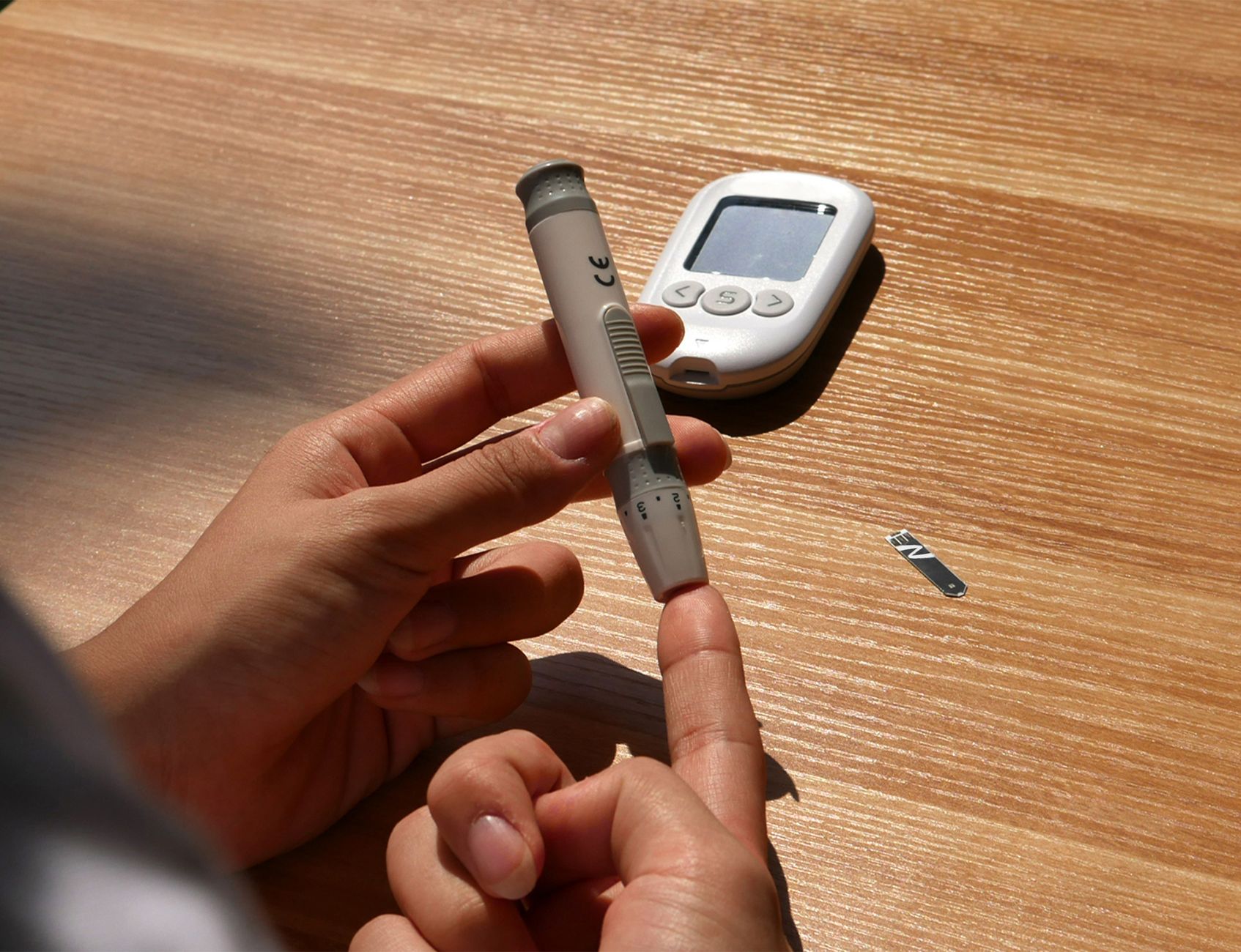
While low-carbohydrate dietary patterns can be effective for certain health goals, they are not universally appropriate or risk-free. A clinically responsible approach requires understanding the potential adverse effects and identifying populations for whom such an intervention may be contraindicated.
Potential Risks and Adverse Effects
In the initial adaptation phase, often called the "keto flu," individuals may experience fatigue, headache, dizziness, constipation, and irritability due to fluid and electrolyte shifts. These symptoms are typically transient but can be mitigated with adequate hydration and electrolyte intake.
More sustained concerns, supported by clinical observation and some research, include:
- Nutrient Deficiencies: Severely restricting carbohydrate-rich foods like fruits, whole grains, and legumes can reduce intake of fiber, certain vitamins (e.g., B vitamins, vitamin C), and minerals (e.g., magnesium, potassium).
- Gastrointestinal Issues: A sudden, significant increase in dietary fat can cause digestive discomfort, while low fiber intake may exacerbate constipation.
- Impact on Lipid Profile: Evidence is mixed. Some individuals may experience a rise in LDL cholesterol levels, a potential concern for cardiovascular risk, though others may see improvements in triglycerides and HDL cholesterol.
- Social and Psychological Burden: Highly restrictive diets can be difficult to maintain long-term and may contribute to an unhealthy relationship with food or social isolation.
Clinical Insight: The variability in individual response—particularly regarding lipid changes and renal stress—underscores why medical supervision is crucial. A diet that produces excellent metabolic results for one person may pose significant risks for another. Baseline labs and periodic monitoring are key components of a safe low-carb protocol.
Populations Requiring Caution or Avoidance
Certain individuals should avoid initiating a low-carb diet without direct medical supervision, or avoid it altogether. Key groups include:
- Individuals with Pancreatic or Liver Disease: Impaired fat metabolism can place undue stress on these organs.
- Individuals with Kidney Disease: High protein intake (common in some low-carb diets) may exacerbate renal impairment. Those with a history of kidney stones should also exercise caution.
- Pregnant or Breastfeeding Women: Carbohydrates are critical for fetal development and milk production. Dietary changes during this period require specialist guidance.
- Those with a History of Eating Disorders: Restrictive dieting can trigger relapse.
- Individuals on Specific Medications: Notably, those taking medications for diabetes (especially insulin or SGLT2 inhibitors) or hypertension, as a low-carb diet can drastically alter medication requirements and risk hypoglycemia or hypotension.
- Children and Adolescents: Their high energy and nutrient needs for growth are not typically compatible with highly restrictive diets.
Before adopting any significant dietary change, particularly one that restricts a major macronutrient, consultation with a physician or a registered dietitian is strongly advised. This is essential for assessing personal risk factors, ensuring nutritional adequacy, and coordinating with any existing health conditions or medications.
4. Practical Implementation of Low-Carb Snacks for Emotional Eating Management
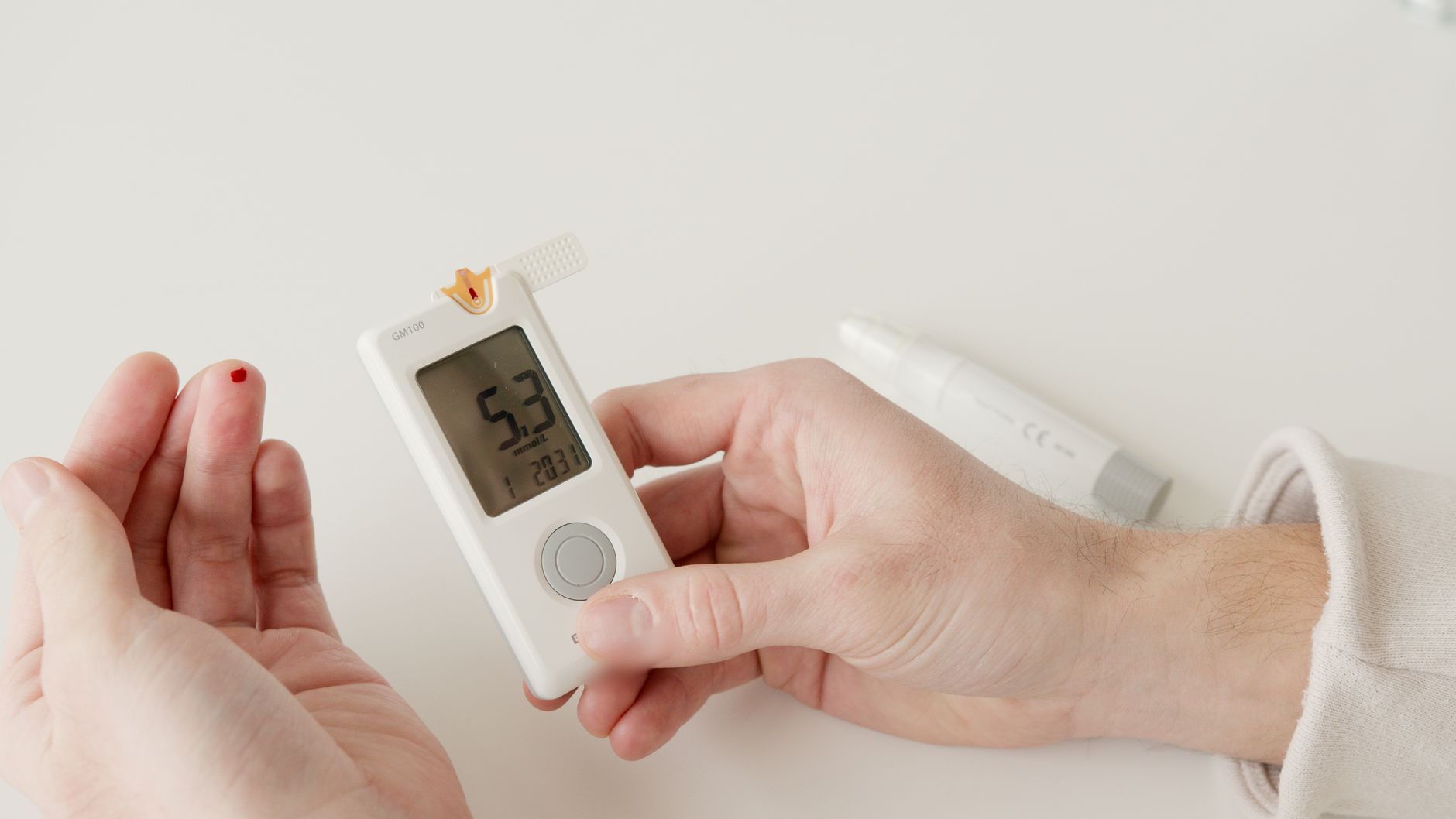
Successfully integrating low-carb snacks to manage emotional eating requires a structured, mindful approach. The goal is not simply to replace high-carb foods, but to use these snacks as a tool to interrupt the automatic cycle of stress-induced eating and build new, healthier habits.
Begin by establishing a clear distinction between physical hunger and emotional cravings. Before reaching for a snack, pause for a brief self-assessment. Ask yourself if you are experiencing physical symptoms of hunger (e.g., stomach growling, low energy) or if the urge is triggered by an emotion like boredom, stress, or sadness. This moment of mindfulness is a critical first step supported by behavioral therapy principles.
When an emotional craving is identified, implement the following practical steps:
- Choose a Pre-Planned Option: Have your low-carb snacks prepared and readily accessible. This removes decision fatigue and prevents impulsive choices. The recipes provided in this article serve this purpose.
- Engage the Senses: Eat slowly and without distraction. Pay attention to the texture, flavor, and aroma of the food. This practice, often called mindful eating, can enhance satiety signals and provide a more satisfying experience that addresses the emotional need for comfort.
- Pair with a Non-Food Activity: After the snack, immediately engage in a brief, positive activity such as a five-minute walk, deep breathing, or drinking a glass of water. This helps dissociate the emotional trigger from the act of eating alone.
Clinical Perspective: While low-carb diets have robust evidence for improving metabolic markers like blood glucose and insulin sensitivity, their specific efficacy for emotional eating is more nuanced. The structure and satiety they provide can be highly effective for some individuals by stabilizing energy and reducing cravings driven by blood sugar fluctuations. However, for others, particularly those with a history of disordered eating, restrictive dieting patterns can exacerbate psychological distress. This approach should be part of a broader strategy that may include cognitive-behavioral techniques.
It is important to recognize that this is a management strategy, not a cure. Emotional eating often has deep-rooted psychological components. Individuals with diagnosed eating disorders, such as binge eating disorder, or those with significant psychological distress should seek guidance from a healthcare professional, such as a therapist or registered dietitian, before implementing any structured dietary plan. Furthermore, those with medical conditions like kidney disease or diabetes should consult their physician to ensure a low-carb approach is safe and appropriately tailored for them.
5. Safety Monitoring and Indications for Medical Consultation
While low-carb snacking can be a useful tool for managing appetite and emotional eating patterns, it is not a neutral intervention. A proactive approach to safety monitoring and knowing when to consult a healthcare professional is essential for responsible implementation.
Key Parameters for Self-Monitoring
If you are consistently incorporating low-carb snacks into your routine, pay attention to the following signals from your body:
- Energy and Mood: Note any persistent fatigue, brain fog, irritability, or significant changes in exercise performance. Initial adaptation can cause temporary symptoms, but they should not be severe or prolonged.
- Digestive Health: Monitor for constipation, which can occur with reduced fiber intake if vegetable sources are neglected in main meals.
- Cravings and Relationship with Food: Observe whether the strategy is reducing obsessive thoughts about food or inadvertently creating a new cycle of restriction and guilt. The goal is behavioral flexibility, not a different form of dietary rigidity.
Clinical Insight: From a medical perspective, the primary concern with any restrictive dietary pattern is nutritional adequacy and its impact on pre-existing conditions. We assess not just macronutrient distribution, but also micronutrient intake (e.g., electrolytes like potassium and magnesium, which can be affected), renal solute load, and long-term sustainability. Snacking strategies should integrate seamlessly into an overall balanced diet.
Clear Indications for Medical Consultation
You should consult a physician or a registered dietitian before and during this dietary change if you have:
- Pre-existing Medical Conditions: This is non-negotiable for individuals with diabetes (especially on insulin or sulfonylureas), kidney disease, liver disease, or a history of disordered eating.
- Medication Use: Diuretics, blood pressure medications, and diabetes drugs may require adjustment as carbohydrate intake changes, to prevent hypoglycemia or electrolyte imbalances.
- Pregnancy or Lactation: Nutritional needs are heightened and specialized; do not undertake significant dietary changes without obstetric guidance.
- Persistent Adverse Symptoms: If you experience severe headaches, heart palpitations, dizziness, or nausea that does not resolve within the first week or two, seek professional advice.
Evidence strongly supports individualized nutrition. While low-carb approaches can be effective for appetite control, the evidence for their universal superiority in managing emotional eating is more nuanced and person-dependent. A healthcare provider can help determine if this strategy aligns with your complete health profile and goals, ensuring it supports both physical and psychological well-being.
6. Questions & Expert Insights
Can low-carb snacks really help with emotional eating, or is this just a fad?
The connection is supported by physiology, but it is not a universal solution. Emotional eating often stems from psychological triggers, but the physiological state of blood sugar plays a significant role. Consuming high-carb, sugary snacks can cause rapid spikes and subsequent crashes in blood glucose, which can intensify feelings of irritability, anxiety, and hunger, potentially triggering further emotional eating. Low-carb snacks, rich in protein, healthy fats, and fiber, promote more stable blood sugar levels. This stability can help mitigate the physical "crash" that exacerbates emotional cravings, creating a more stable foundation from which to address the psychological components. It is a supportive tool, not a cure, and works best when integrated with mindful eating practices and, if needed, psychological support.
What are the potential risks or side effects of switching to low-carb snacks, and who should be cautious?
While generally safe for many, a sudden shift to very low-carb eating can cause temporary "keto flu" symptoms like headache, fatigue, and irritability as the body adapts. More importantly, specific populations should exercise extreme caution or avoid this approach without medical supervision. This includes individuals with pancreatic conditions, kidney disease, or severe liver disease, as metabolizing higher protein and fat can strain these organs. Those taking medications for diabetes or hypertension may require dosage adjustments, as improved blood sugar and weight loss can lower medication needs, risking hypoglycemia or hypotension. People with a history of eating disorders should also avoid restrictive dietary labeling, as it can trigger disordered patterns.
When should I talk to a doctor or a specialist about emotional eating and dietary changes?
Consult a healthcare professional if emotional eating causes significant distress, impairs daily functioning, or leads to weight changes that concern you. It is also critical to speak with a doctor before starting a low-carb plan if you have any chronic health conditions (like those mentioned above) or take regular medications. For the conversation, come prepared. Bring a food and mood journal for a few days, noting what you ate, when, and what emotions or stressors preceded it. List all your current medications and supplements. Be ready to discuss your overall health goals—not just weight, but energy, mood, and metabolic health (e.g., blood sugar, cholesterol). This data helps your provider give personalized, safe guidance, potentially involving a registered dietitian or mental health professional.
Is there strong scientific evidence that low-carb diets directly improve emotional eating long-term?
The evidence is promising but nuanced and not definitive for long-term psychological change. Robust evidence confirms that low-carb and ketogenic diets can improve glycemic control, reduce hunger hormones like ghrelin, and increase satiety—all factors that can reduce the physiological urge to eat impulsively. Several studies note improvements in mood and reduced symptoms of depression and anxiety in some individuals, which could indirectly impact emotional eating. However, high-quality, long-term randomized controlled trials specifically measuring "emotional eating" as a primary outcome are limited. Most research focuses on weight loss and metabolic markers. The long-term sustainability of any restrictive diet is also a known challenge. Therefore, while low-carb snacks can be a powerful tool for stabilizing appetite, they should be viewed as one component of a broader, sustainable strategy for well-being.
7. In-site article recommendations
8. External article recommendations
9. External resources
The links below point to reputable medical and evidence-based resources that can be used for further reading. Always interpret them in the context of your own situation and your clinician’s advice.
-
healthline healthline.comlow-carb snacks – Healthline (search)
-
wikipedia wikipedia.orglow-carb snacks – Wikipedia (search)
-
mayoclinic mayoclinic.orglow-carb snacks – Mayo Clinic (search)
These external resources are maintained by third-party organisations. Their content does not represent the editorial position of this site and is provided solely to support readers in accessing additional professional information.