
1. Introduction to Chia Seeds and Metabolic Health
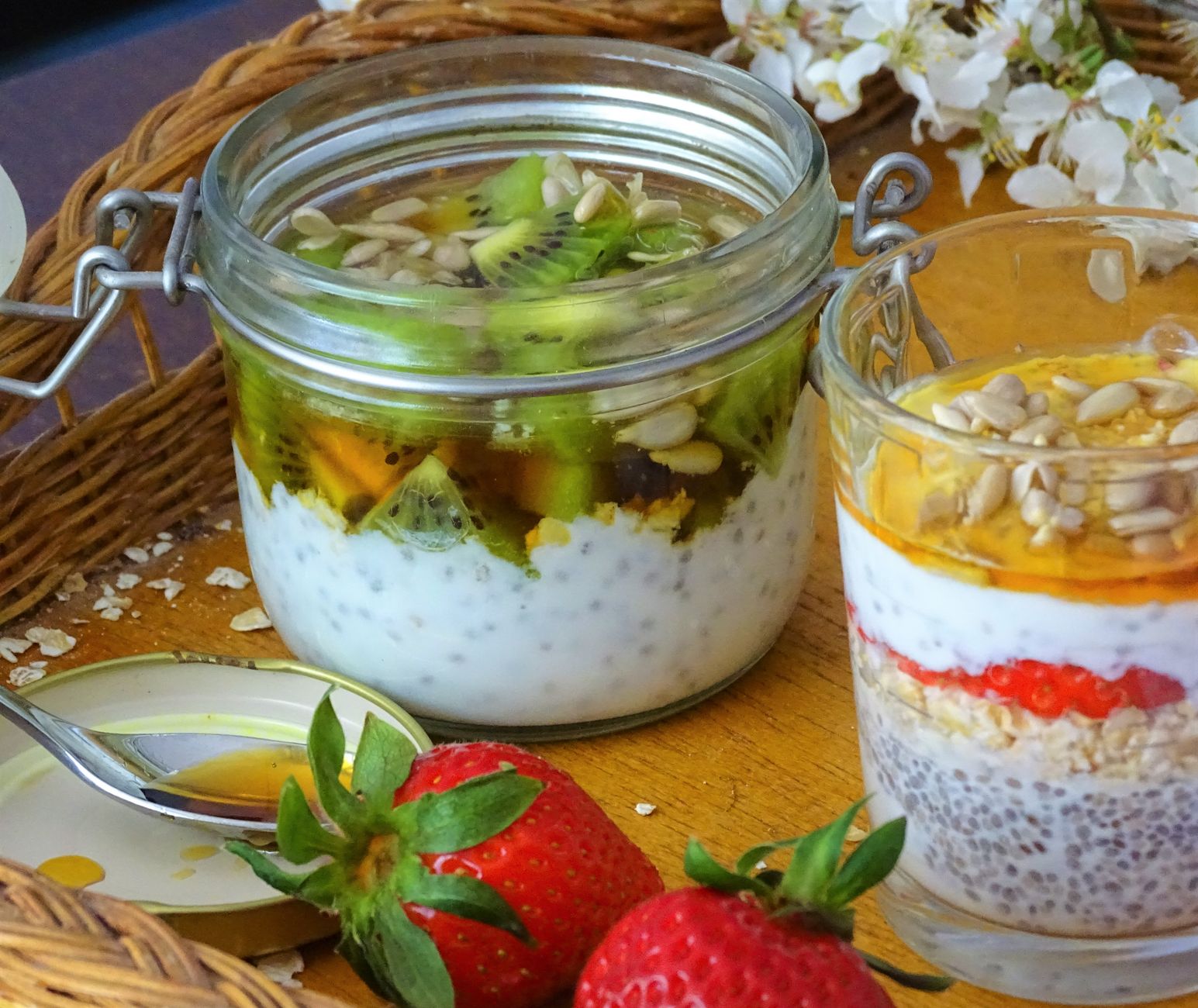
Chia seeds (Salvia hispanica L.) have garnered significant attention in nutritional science for their dense profile of bioactive compounds. Their potential role in supporting metabolic health is primarily attributed to their unique macronutrient composition, which may influence key physiological pathways related to blood sugar regulation, satiety, and lipid metabolism.
The primary mechanisms through which chia seeds may exert metabolic effects include:
- High Soluble Fiber Content: Chia seeds are exceptionally rich in soluble fiber, which forms a gel-like substance when mixed with fluids. This gel can slow gastric emptying and the digestion of carbohydrates, potentially leading to a more gradual rise in postprandial blood glucose levels.
- Alpha-Linolenic Acid (ALA): As one of the richest plant sources of the omega-3 fatty acid ALA, chia seeds may contribute to an anti-inflammatory environment. Chronic, low-grade inflammation is a recognized contributor to insulin resistance and metabolic dysfunction.
- Protein and Micronutrients: They provide a complete plant-based protein and minerals like magnesium, which is involved in over 300 enzymatic reactions, including those related to glucose metabolism.
Current evidence supporting these mechanisms is promising but nuanced. Several randomized controlled trials have demonstrated that incorporating chia seeds into the diet can improve glycemic control in individuals with type 2 diabetes and reduce cardiovascular risk factors like systolic blood pressure and inflammatory markers. However, results are not uniform across all studies, and the magnitude of effect can vary based on dosage, dietary context, and individual health status. The evidence is stronger for short- to medium-term improvements in specific biomarkers than for long-term clinical outcomes like reduced cardiovascular events.
Clinical Perspective: From a dietary management standpoint, chia seeds are best viewed as a functional food component within a broader, balanced diet. Their high fiber and fluid-absorbing properties are well-established. While they show promise for metabolic parameters, they are not a standalone treatment. Their efficacy is contingent on consistent consumption as part of an overall healthy eating pattern, not as an occasional supplement.
It is important for certain individuals to exercise caution. Those with a history of dysphagia (difficulty swallowing), gastrointestinal strictures, or significant irritable bowel syndrome (IBS) should introduce chia seeds cautiously and ensure they are always consumed fully hydrated to avoid a risk of obstruction. Individuals on blood-thinning medications or with upcoming surgical procedures should discuss significant increases in ALA intake with their physician due to its mild antiplatelet potential. As with any dietary change, individuals with diagnosed metabolic conditions like diabetes should consult with a healthcare provider or registered dietitian to integrate chia seeds appropriately into their management plan.
2. Evidence and Mechanisms of Chia Seeds on Metabolic Parameters
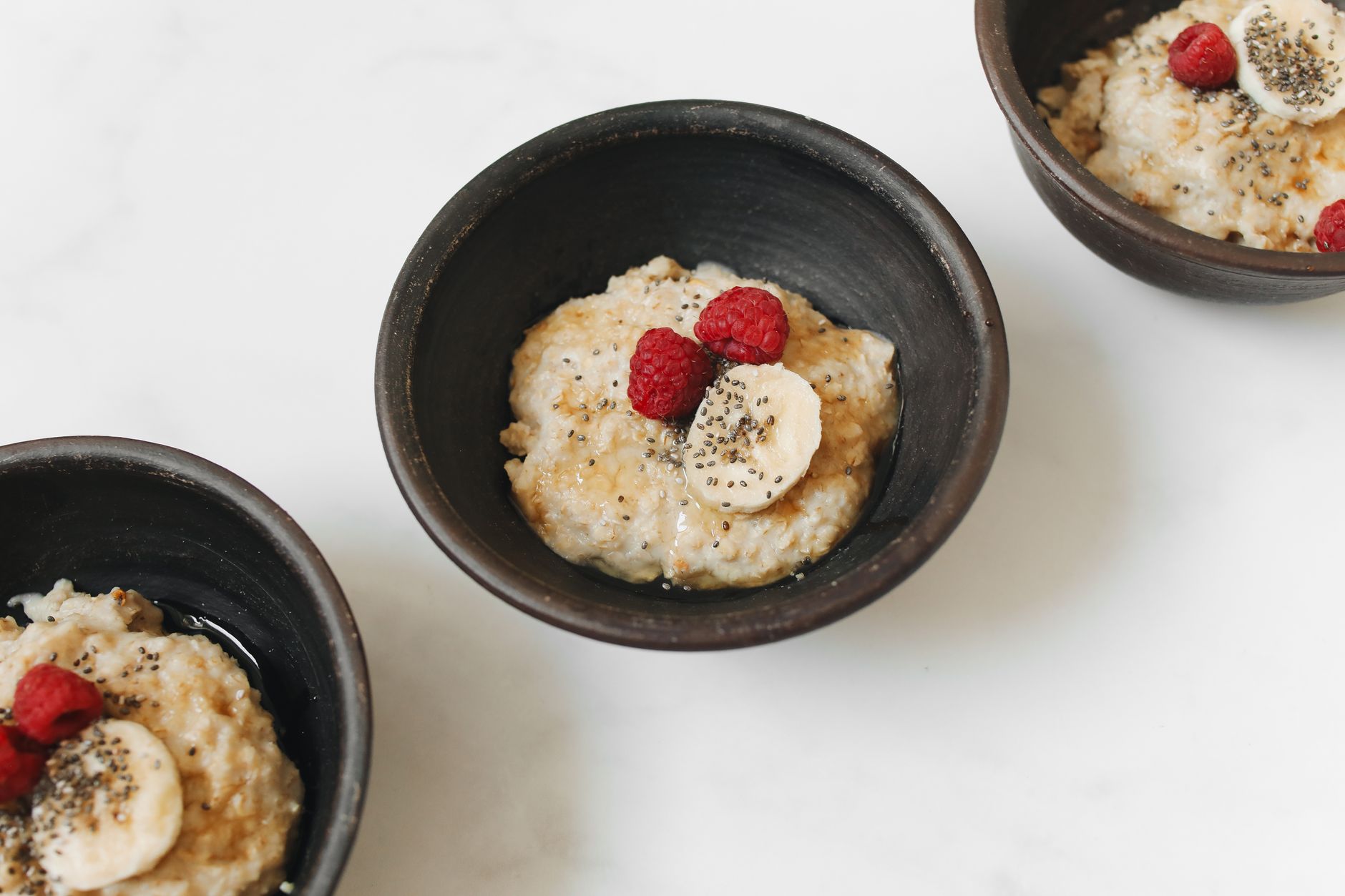
The potential metabolic benefits of chia seeds are primarily attributed to their unique nutritional composition. A single ounce (about 28 grams) provides approximately 10 grams of fiber, 5 grams of protein, and 9 grams of fat—of which the majority is the plant-based omega-3 fatty acid, alpha-linolenic acid (ALA). This macronutrient profile underpins several proposed physiological mechanisms.
Proposed Mechanisms of Action
Chia seeds may influence metabolic parameters through the following pathways:
- Glycemic Control: The high soluble fiber content, particularly mucilage, forms a gel when mixed with liquids. This gel can slow the digestion and absorption of carbohydrates, potentially leading to a more gradual rise in postprandial blood glucose and insulin levels.
- Satiety and Weight Management: The combination of fiber, protein, and the gel-forming property can increase feelings of fullness, which may support reduced caloric intake.
- Lipid Metabolism: The soluble fiber can bind to bile acids, promoting their excretion. This may lead the liver to use more circulating cholesterol to produce new bile acids, potentially lowering serum LDL cholesterol. The ALA content may also contribute to favorable lipid profiles.
Review of the Clinical Evidence
The evidence supporting these mechanisms is promising but mixed, with variations based on study design, population, and dosage.
Stronger evidence exists for chia seeds' effect on postprandial glycemia. Several randomized controlled trials (RCTs) have demonstrated that consuming chia seeds with a carbohydrate-rich meal can significantly blunt the blood glucose spike compared to a control meal.
Evidence for direct impacts on fasting blood glucose, insulin sensitivity (HOMA-IR), and long-term lipid markers like HbA1c is more limited and inconsistent. Some studies in individuals with type 2 diabetes or metabolic syndrome show modest improvements, while others in healthy or overweight populations show no significant effect. Larger, longer-duration trials are needed to draw definitive conclusions.
Clinical Perspective: From a dietary standpoint, chia seeds are a nutrient-dense food that can be a valuable component of a balanced diet for metabolic health. Their primary clinical utility likely lies in their ability to improve meal-time glycemic responses and enhance satiety. They should be viewed as a supportive dietary tool, not a standalone treatment for metabolic conditions.
Important Cautions: Individuals with swallowing difficulties, esophageal strictures, or significant gastrointestinal disorders should use caution due to the gel-forming nature of chia seeds and ensure they are consumed with ample fluid. Those on blood-thinning medications or with upcoming surgery should consult their physician due to the theoretical anticoagulant effect of high ALA intake. As with any significant dietary change, individuals with diagnosed diabetes, dyslipidemia, or other metabolic conditions should discuss incorporating chia seeds with their healthcare provider.
3. Risks and Contraindications for Chia Seed Consumption

While chia seeds are a nutrient-dense food with a strong safety profile for most people, their unique physical and chemical properties necessitate a discussion of potential risks and contraindications. A responsible approach to incorporating them into your diet involves understanding these considerations.
Gastrointestinal and Mechanical Risks
The high soluble fiber content of chia seeds, primarily in the form of mucilage, is responsible for their gelling property. While beneficial for satiety and blood sugar regulation, a sudden, large increase in fiber intake can cause significant gastrointestinal distress. This includes bloating, gas, abdominal cramping, and constipation or diarrhea. The risk is heightened if the seeds are consumed dry without adequate hydration, as they can absorb fluid in the esophagus and potentially cause an obstruction.
- Prevention Strategy: Always consume chia seeds that have been pre-soaked in liquid for at least 10-15 minutes, allowing them to fully expand before ingestion. Start with a small serving (e.g., one teaspoon daily) and increase gradually over weeks to allow your gut microbiota to adapt.
Medication Interactions and Medical Conditions
Chia seeds may interact with certain medications and medical conditions, primarily due to their fiber and blood-thinning potential.
- Blood Pressure and Blood-Thinning Medications: Preliminary in vitro and animal studies suggest chia seeds may have mild antiplatelet and hypotensive effects. While human data is limited, individuals on anticoagulants (e.g., warfarin), antiplatelet drugs (e.g., aspirin, clopidogrel), or blood pressure medications should consult their physician before making chia seeds a dietary staple to monitor for potential additive effects.
- Diabetes Medications: Due to their demonstrated effect on slowing carbohydrate absorption and reducing postprandial blood glucose, chia seeds may enhance the effect of insulin or oral hypoglycemic agents. Patients with diabetes should monitor their blood sugar closely when adding chia seeds to their regimen and discuss potential medication adjustments with their healthcare provider.
- Prostate Cancer (A Theoretical Concern): Chia seeds contain alpha-linolenic acid (ALA), an omega-3 fat. Some older, observational studies have linked high ALA intake with an increased risk of prostate cancer, but the evidence is inconsistent and not causative. Men with a history of prostate cancer or those at high risk may wish to discuss this with their oncologist or urologist.
Clinical Insight: In practice, the most common adverse events I see are related to improper preparation and rapid fiber introduction. The medication interaction risk, while biologically plausible, is generally considered low with typical dietary amounts (1-2 tablespoons daily). However, the principle of caution applies: any significant dietary change should be communicated to your healthcare team, especially if you have a chronic condition or take regular medications.
Allergic Reactions
True allergy to chia seeds is rare but possible. They belong to the mint family (Lamiaceae), and cross-reactivity with other seeds like sesame or mustard has been reported. Symptoms can range from oral allergy syndrome (itching in the mouth) to hives, gastrointestinal upset, or, in extremely rare cases, anaphylaxis. Individuals with known seed allergies should exercise caution and consider allergy testing before consumption.
In summary, chia seeds are safe for the vast majority of the population when prepared correctly and introduced gradually. The key contraindications involve specific medical therapies and conditions, underscoring the importance of personalized medical advice.
4. Practical Takeaways: Incorporating Chia Seeds into Recipes
Incorporating chia seeds into your diet can be a practical strategy to enhance dietary fiber and healthy fat intake, both of which are associated with improved metabolic markers. The key is to integrate them in a way that is sustainable and mindful of individual health contexts.
General Principles for Use
Chia seeds are versatile and can be used in two primary forms: whole or ground, and as a pre-soaked gel. Their high soluble fiber content allows them to absorb 10–12 times their weight in water, forming a gel. This property is useful for creating texture in recipes without altering flavor significantly.
- Hydration is Crucial: Always consume chia seeds with ample fluids. Consuming dry seeds without sufficient liquid poses a risk of esophageal obstruction, particularly for individuals with swallowing difficulties.
- Start Slowly: To minimize potential gastrointestinal discomfort like bloating or gas, begin with one teaspoon (approx. 5 grams) daily and gradually increase intake.
- Soaking for Digestibility: Soaking seeds for 15–30 minutes before consumption may improve digestibility and nutrient absorption for some individuals, though evidence on this is primarily anecdotal.
Evidence-Based Integration into Meals
The strongest evidence for chia seeds supports their role as a source of alpha-linolenic acid (ALA) and dietary fiber. Clinical trials, though sometimes mixed, suggest benefits for satiety and modest improvements in postprandial blood glucose levels when chia is consumed with a carbohydrate-rich meal.
Consider these evidence-informed applications:
- As a Thickening Agent: Use the gel to replace up to 25% of eggs or oil in baking, or to thicken sauces, soups, and gravies. This can modestly reduce calorie density.
- For Texture and Nutrient Density: Sprinkle a tablespoon of whole or ground seeds onto oatmeal, yogurt, or salads to add fiber, protein, and healthy fats.
- In Prepared Foods: Incorporate into homemade energy bars, whole-grain bread dough, or smoothies to increase the nutrient profile of these items.
Clinical Consideration: While chia seeds are generally safe for most people, specific populations should exercise caution. Individuals with a history of dysphagia, gastrointestinal strictures, or active inflammatory bowel disease should avoid whole dry seeds. Those on blood-thinning medications like warfarin or with a known allergy to mustard or sesame seeds should consult a physician before regular consumption, due to potential interactions or cross-reactivity. There is no strong evidence that chia seeds alone can "reverse" metabolic conditions; they should be viewed as one component of a comprehensive dietary pattern.
Ultimately, the most significant metabolic benefits are likely achieved when chia seeds are used to displace less nutritious, highly processed ingredients within an overall balanced diet rich in vegetables, lean proteins, and whole grains.
5. Safety Considerations and When to Consult a Healthcare Provider
While chia seeds are generally recognized as safe for most people when consumed in typical food amounts, integrating them into a diet for metabolic health requires a measured and individualized approach. Their high fiber and specific nutrient profile, while beneficial, can pose risks for certain individuals or when consumed inappropriately.
Key Safety Considerations
The primary considerations involve digestive tolerance, medication interactions, and pre-existing medical conditions.
- Digestive Distress: A sudden, significant increase in dietary fiber—from chia or any source—can cause bloating, gas, and abdominal discomfort. It is crucial to start with a small serving (e.g., one teaspoon) and increase gradually while ensuring adequate fluid intake. Consuming dry chia seeds without sufficient liquid is a choking hazard and can cause severe esophageal blockage.
- Blood Pressure and Blood Thinners: Chia seeds contain omega-3 fatty acids (ALA), which have mild antiplatelet effects. The evidence for a clinically significant interaction is limited, but individuals on anticoagulant or antiplatelet medications (e.g., warfarin, aspirin, clopidogrel) should discuss regular chia consumption with their doctor to monitor for potential additive effects.
- Blood Sugar Management: While the soluble fiber in chia can help moderate postprandial glucose spikes, this effect is synergistic with medication. Individuals with diabetes, especially those on insulin or hypoglycemic drugs, should monitor their blood glucose closely when adding chia to their routine, as medication dosages may need adjustment.
Clinical Perspective: From a clinical standpoint, chia seeds are a food, not a medication. Their metabolic benefits are supportive and modest, not curative. The most common issues I see are gastrointestinal upset from rapid fiber increase and patient expectations that overestimate the impact of a single "superfood" on complex metabolic conditions like insulin resistance or dyslipidemia.
Who Should Consult a Healthcare Provider First?
It is strongly advised to seek personalized medical advice before making significant dietary changes if you have:
- A history of swallowing disorders, esophageal strictures, or inflammatory bowel disease (e.g., Crohn's, ulcerative colitis).
- Diagnosed kidney disease, due to the non-negligible phosphorus and potassium content in chia seeds.
- Prostate cancer or a high risk thereof, due to ongoing but inconclusive research on the effects of high ALA intake.
- Planned surgery, due to the theoretical increased bleeding risk; discontinuation 1-2 weeks prior may be recommended.
- Any condition requiring a strict, medically supervised diet.
Finally, while the evidence for chia seeds improving lipid profiles and glycemic control is promising, it is primarily based on short-to-medium-term studies. Long-term data is more limited. They should be incorporated as one component of a broader, evidence-based lifestyle approach that includes balanced nutrition and regular physical activity.
6. Questions & Expert Insights
Can chia seeds really improve metabolic health, or is this just another health fad?
The interest in chia seeds is supported by a body of scientific evidence, though it's important to contextualize the findings. Chia seeds are a concentrated source of soluble fiber, specifically mucilage, which forms a gel in the gut. This can slow carbohydrate digestion and absorption, potentially leading to more stable post-meal blood glucose levels. Their high alpha-linolenic acid (ALA) content, an omega-3 fatty acid, is linked to anti-inflammatory effects, which is a relevant factor in metabolic syndrome. However, the term "revolutionary" is often overused. The evidence, while promising, primarily comes from animal studies and relatively small, short-term human trials. They are not a standalone treatment but can be a valuable component of a broader dietary pattern rich in whole foods, healthy fats, and fiber. Their benefit is likely additive and synergistic with other lifestyle factors.
What are the potential side effects or risks of adding chia seeds to my diet?
While generally safe for most people, chia seeds are not without potential adverse effects, primarily related to their extreme fiber content. A sudden, significant increase in dietary fiber can cause considerable gastrointestinal distress, including bloating, gas, and abdominal cramping. It is crucial to start with a small dose (e.g., one teaspoon daily) and increase gradually while drinking plenty of water. There is also a rare but serious risk of esophageal obstruction if dry chia seeds are consumed without sufficient liquid, as they can expand and form a gel block in the throat. Individuals with a history of swallowing difficulties (dysphagia) or certain gastrointestinal disorders like Crohn's disease, ulcerative colitis, or severe irritable bowel syndrome (IBS) should exercise particular caution and consult a gastroenterologist before regular consumption.
Who should avoid these recipes or be especially cautious?
Several specific populations should seek medical advice before incorporating high-dose chia seed regimens. Individuals with kidney disease need to be mindful of the phosphorus content, as impaired kidneys cannot excrete excess phosphorus effectively, leading to potential complications. Those on blood-thinning medications (anticoagulants) like warfarin should be aware that the high vitamin K content in chia seeds can interfere with the medication's efficacy, requiring careful monitoring of INR levels. People with low blood pressure or those taking antihypertensive drugs should monitor their blood pressure, as some preliminary data suggests chia may have a mild blood pressure-lowering effect. Lastly, individuals with a history of eating disorders should approach any food touted as a "superfood" with care, as it can inadvertently reinforce restrictive or obsessive dietary patterns.
When should I talk to my doctor about using diet for metabolic health, and what should I bring to the appointment?
You should consult your primary care physician or a registered dietitian if you have a diagnosed metabolic condition (e.g., type 2 diabetes, NAFLD, hypertriglyceridemia), are on any long-term medications, or have the specific health concerns mentioned above. To make the conversation productive, come prepared. Bring a list of all medications and supplements you currently take, including dosages. Keep a brief 3-day food diary to illustrate your typical eating patterns. Have a clear list of your health goals (e.g., "lower my fasting blood sugar," "reduce triglycerides"). Specifically, ask: "Based on my latest lab work and medications, are there any components in chia seeds (like fiber, phosphorus, or vitamin K) I need to be cautious with, and is there a safe daily amount you would recommend for my situation?" This focused approach allows for personalized, clinically sound advice.
7. In-site article recommendations
8. External article recommendations
9. External resources
The links below point to reputable medical and evidence-based resources that can be used for further reading. Always interpret them in the context of your own situation and your clinician’s advice.
-
mayoclinic mayoclinic.orgchia seeds – Mayo Clinic (search)
-
healthline healthline.comchia seeds – Healthline (search)
-
examine examine.comchia seeds – Examine.com (search)
These external resources are maintained by third-party organisations. Their content does not represent the editorial position of this site and is provided solely to support readers in accessing additional professional information.