
1. Introduction to Juice Cleanses in Clinical Context
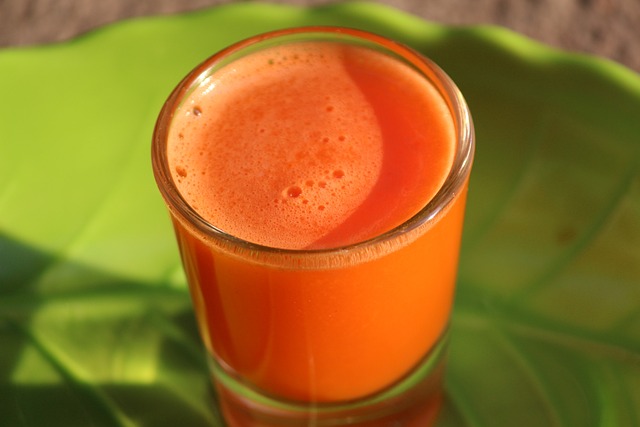
The concept of a "juice cleanse" or "juice fast" is a popular dietary practice where an individual consumes only fruit and vegetable juices, typically for a period of one to several days, while abstaining from solid foods. In a clinical and nutritional context, it is often framed as a method for "detoxification" or "resetting" the body's systems. It is crucial to examine this practice through an evidence-based lens, separating physiological facts from popular claims.
The human body possesses highly efficient, endogenous detoxification systems primarily involving the liver, kidneys, gastrointestinal tract, skin, and lungs. There is no robust clinical evidence that short-term juice fasting enhances the function of these organs beyond their normal capacity. Proponents often cite benefits such as improved energy, mental clarity, and weight loss. While some individuals may report subjective improvements, these effects are often attributable to:
- Reduced intake of processed foods, sodium, and saturated fats.
- Increased consumption of vitamins, minerals, and phytonutrients from produce.
- A temporary state of very low calorie intake, which leads to rapid fluid and glycogen loss (often mistaken for fat loss).
However, the evidence for sustained benefits is limited and mixed. Potential risks and limitations must be acknowledged. Juice cleanses are typically very low in protein, essential fatty acids, and fiber (especially if pulp is removed), which can lead to muscle catabolism, nutrient deficiencies if prolonged, and disruptions to normal digestion and blood sugar regulation.
Clinical Perspective: From a medical standpoint, a short-term juice regimen is not a substitute for a balanced, whole-foods diet. The temporary nature of most cleanses means any positive changes are often not maintained. Furthermore, the high sugar content of fruit-dominant juices, without the buffering effect of fiber, can cause significant blood glucose spikes and crashes, which is a particular concern for individuals with insulin resistance or diabetes.
Certain populations should exercise extreme caution or avoid juice cleanses entirely and must consult a physician before considering one. This includes individuals with:
- Diabetes or prediabetes
- Kidney disease
- Electrolyte imbalances
- A history of eating disorders
- Those who are pregnant or breastfeeding
- Individuals on certain medications, especially diuretics or diabetes medications
In summary, while incorporating fresh vegetable juices can be a way to increase micronutrient intake, the practice of a restrictive juice-only "cleanse" lacks strong scientific support for its purported detoxification claims. A more sustainable and evidence-based approach to health involves consistent consumption of whole fruits, vegetables, lean proteins, and whole grains.
2. Evidence and Mechanisms Behind Juice-Based Diets

The concept of "body cleansing" through juice-based diets is popular, but its scientific foundation requires careful examination. The proposed mechanisms are largely theoretical, with varying levels of evidence to support them.
Proposed Mechanisms and Supporting Evidence
Advocates suggest several pathways by which short-term juice consumption may influence physiology:
- Nutrient Bioavailability: Juicing removes fiber, potentially allowing for rapid absorption of vitamins, minerals, and phytonutrients like flavonoids and carotenoids. This can lead to a measurable, though transient, increase in plasma antioxidant levels. The clinical significance of this short-term spike is unclear.
- Reduction of Processed Foods: A juice regimen inherently eliminates solid foods, particularly ultra-processed items high in sodium, sugar, and saturated fats. This temporary shift can reduce overall caloric and inflammatory load, which may explain anecdotal reports of improved energy and digestion.
- Gut Rest Hypothesis: The theory that a liquid diet "rests" the digestive system lacks direct scientific validation. While a low-residue diet reduces bowel movement volume, the gut mucosa remains metabolically active.
Limitations, Gaps, and Risks
The evidence for sustained "detoxification" or long-term health benefits from juice cleanses is weak. Key limitations include:
- Most studies are small, short-term, or lack control groups.
- Any weight loss is primarily from water and severe calorie restriction, not "toxin" removal.
- The body's own detoxification systems (liver, kidneys, gastrointestinal tract) are highly efficient and do not require dietary "resets."
Clinical Perspective: From a medical standpoint, the primary value of incorporating vegetable-dominant juices may be as a short-term strategy to increase intake of micronutrients and phytonutrients for individuals with very poor dietary habits. It is not a substitute for a balanced, whole-food diet rich in fiber, which is essential for long-term gut health, glycemic control, and cardiovascular risk reduction.
Who Should Exercise Caution: Juice-based diets are not appropriate for everyone. Individuals with diabetes, kidney disease, eating disorders, those who are pregnant or breastfeeding, and anyone on medication (especially for diabetes or blood pressure) should avoid such regimens without direct medical supervision. The low protein and calorie content can lead to fatigue, nutrient deficiencies, and muscle loss if prolonged.
In summary, while juicing can increase micronutrient intake, its purported cleansing mechanisms are not strongly supported by robust evidence. It should be approached with realistic expectations and an understanding of the potential risks.
3. Risks and Contraindications for Juice Cleanses

While short-term juice consumption can be part of a balanced diet, extended juice-only cleanses carry significant risks that are not supported by robust clinical evidence. The human body possesses highly efficient, intrinsic detoxification systems primarily involving the liver, kidneys, and gastrointestinal tract. There is no high-quality scientific data to suggest that juice cleanses enhance these processes; conversely, they may introduce physiological stress.
Primary Medical and Nutritional Risks
The core risks of prolonged juice fasting stem from severe caloric and nutrient restriction, as well as the biochemical composition of juices themselves.
- Nutrient Deficiencies and Muscle Catabolism: Juices lack adequate protein, essential fatty acids, and often fiber. The body may begin breaking down muscle tissue for energy, which can lower metabolic rate.
- Blood Sugar Dysregulation: Even from natural sources, the high fructose and glucose load in fruit juices can cause rapid spikes and subsequent crashes in blood sugar, leading to irritability, fatigue, and headaches. This is particularly hazardous for individuals with insulin resistance, prediabetes, or diabetes.
- Gastrointestinal Disruption: The absence of solid food and insoluble fiber can disrupt normal bowel motility, potentially leading to constipation once the cleanse ends. Conversely, the high fructose content may cause bloating, cramping, or diarrhea in some individuals.
- Electrolyte Imbalances: Diuretic effects from consuming large volumes of liquid, coupled with low sodium intake, can disrupt electrolyte balance, posing risks for heart and kidney function.
Clinical Perspective: From a medical standpoint, the term "cleanse" or "detox" is problematic as it implies a clinical need that does not exist for healthy individuals. The most significant concern is the potential for these regimens to mask or exacerbate underlying health conditions, promote disordered eating patterns, or provide a false sense of security that displaces sustainable, evidence-based dietary habits.
Key Contraindications and Populations Requiring Caution
Juice cleanses are contraindicated for several groups and should only be considered, if at all, after consultation with a qualified healthcare provider. High-risk populations include:
- Individuals with diabetes, hypoglycemia, or significant insulin resistance.
- Those with chronic kidney disease, due to potential potassium overload from vegetable juices.
- Individuals with active liver disease.
- Pregnant or breastfeeding women.
- Individuals with a history of eating disorders.
- People on certain medications, especially diuretics, diabetes medications, or blood pressure drugs.
- Those with compromised immune systems or significant nutritional deficiencies.
In summary, the potential harms of juice cleanses often outweigh the unproven benefits. A more physiologically sound approach to supporting the body's natural detoxification pathways is to maintain adequate hydration and consume a balanced, whole-food diet rich in fiber, lean proteins, and essential micronutrients.
4. Practical Guidelines for Balanced Juice Consumption

While incorporating fresh juices can be part of a nutrient-dense diet, a balanced and evidence-based approach is essential to avoid potential nutritional pitfalls. The concept of "body cleansing" through juice is not strongly supported by clinical evidence; the human liver, kidneys, and gastrointestinal tract are highly effective detoxification systems. However, juices can serve as a convenient source of vitamins, minerals, and phytonutrients when consumed judiciously.
Key Principles for Integration
To maximize benefit and minimize risk, consider these guidelines:
- Prioritize Whole Foods: Juices should complement, not replace, whole fruits and vegetables. Juicing removes beneficial fiber, which is crucial for satiety, blood sugar regulation, and gut health.
- Mind the Sugar: Even without added sugar, fruit and some vegetable juices (e.g., carrot, beet) can be concentrated sources of natural sugars. Limit fruit-heavy blends and emphasize low-sugar vegetables like cucumber, celery, and leafy greens.
- Portion Control: Treat juice as a condiment or small snack, not a meal replacement. A typical serving should be limited to 4-8 ounces (120-240 ml) per day.
- Consume Promptly: Freshly made juice is perishable. Drink it soon after preparation to minimize nutrient degradation and microbial growth.
Clinical Perspective: From a nutritional standpoint, the primary value of homemade juices lies in increasing intake of a variety of vegetables. There is no high-quality evidence that short-term "juice cleanses" remove toxins or confer long-term health benefits beyond what a balanced whole-food diet provides. Prolonged juice-only regimens can lead to muscle loss, blood sugar dysregulation, and nutrient deficiencies.
Populations Requiring Caution
Certain individuals should exercise particular care or consult a healthcare provider before significantly increasing juice consumption:
- Individuals with diabetes or prediabetes, due to impacts on blood glucose.
- Those with kidney disease, especially if consuming juices high in potassium (e.g., spinach, kale).
- People on specific medications (e.g., blood thinners like warfarin) where vitamin K intake from leafy greens must be consistent.
- Individuals with a history of eating disorders or those prone to restrictive dietary patterns.
- Pregnant women, who should avoid unpasteurized juices and be mindful of blood sugar levels.
In summary, the most balanced approach is to view fresh vegetable-dominant juices as one component of a diverse diet. For sustainable health, focus on consuming a wide array of whole fruits, vegetables, lean proteins, healthy fats, and whole grains.
5. Safety Measures and When to Seek Medical Advice
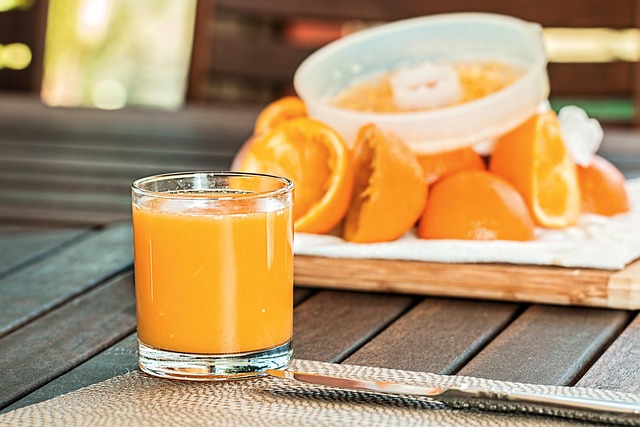
While incorporating fresh juices can be part of a balanced diet, the concept of "body cleansing" or "detoxification" through juice regimens requires a cautious, evidence-based approach. The human body possesses highly efficient, intrinsic detoxification systems primarily managed by the liver and kidneys. There is limited high-quality clinical evidence to support the claim that short-term juice consumption significantly enhances these natural processes beyond what a balanced, whole-food diet provides.
Before beginning any significant dietary change, including increased juice consumption, consider the following safety measures:
- Caloric and Nutrient Deficiency: Juice-only or juice-heavy cleanses can be extremely low in calories, protein, healthy fats, and fiber. This can lead to fatigue, dizziness, nutrient deficiencies, and muscle loss if sustained.
- Blood Sugar Management: Juices, especially fruit-based ones, are concentrated sources of sugar without the fiber that slows absorption. This can cause rapid spikes in blood glucose and insulin, which is a significant concern for individuals with diabetes, prediabetes, or insulin resistance.
- Medication Interactions: Certain juices, notably grapefruit juice, can interfere with the metabolism of numerous prescription medications (e.g., statins, some blood pressure drugs, immunosuppressants), altering their effectiveness or increasing side effects.
- Digestive Discomfort: A sudden high intake of fructose or certain compounds in raw vegetables (like oxalates) may cause bloating, gas, cramping, or diarrhea in some individuals.
Clinical Perspective: From a medical standpoint, "cleanses" are often unnecessary and can be counterproductive. A more sustainable and evidence-supported approach is to integrate nutrient-dense juices as occasional supplements to a diet rich in whole vegetables, fruits, lean proteins, and whole grains. This supports the body's inherent detoxification pathways without the risks of extreme restriction.
Consult a healthcare professional before making significant dietary changes if you have:
- Diabetes, kidney disease, or liver disease.
- Electrolyte imbalances or a history of eating disorders.
- Are pregnant, breastfeeding, or planning pregnancy.
- Take any regular prescription medications or supplements.
- Have underlying gastrointestinal conditions like IBS, Crohn's disease, or ulcerative colitis.
When to Seek Immediate Medical Advice: Discontinue any juice regimen and contact a doctor if you experience severe fatigue, fainting, palpitations, persistent nausea or vomiting, severe abdominal pain, or signs of dehydration (e.g., very dark urine, extreme thirst, confusion). These could indicate serious electrolyte disturbances or other complications requiring prompt evaluation.
6. Questions & Expert Insights
What does "body cleansing" actually mean from a medical perspective?
In clinical terms, the body has highly efficient, built-in detoxification systems primarily involving the liver, kidneys, gastrointestinal tract, skin, and lungs. These organs work continuously to neutralize and eliminate metabolic waste and environmental toxins. The concept of a "cleanse" or "detox" from a dietary perspective is not a recognized medical procedure. There is no high-quality evidence that specific juice combinations accelerate or enhance these innate processes beyond supporting general hydration and nutrient intake. When people report feeling "cleansed," the effects are often attributable to increased fluid consumption, reduced intake of processed foods, sugars, and alcohol, and a temporary increase in vitamins and minerals. It is important to distinguish this from the body's fundamental physiological detoxification pathways, which are not "reset" by short-term dietary changes.
Are there any risks or side effects associated with juice-based cleanses?
Yes, there are several important risks to consider. Juice diets are typically very low in protein, essential fatty acids, and fiber, which can lead to muscle loss, fatigue, headaches, and blood sugar dysregulation, especially in individuals with diabetes or insulin resistance. The high oxalate content in certain greens (like spinach and kale) can pose a risk for kidney stones in susceptible individuals. Furthermore, the drastic reduction in calories can slow metabolism and may trigger disordered eating patterns in those with a history of such conditions. Perhaps the most significant risk is the potential delay in seeking appropriate medical diagnosis and treatment for underlying health issues that might be mistakenly attributed to "toxins."
Who should definitely avoid or be extremely cautious with a juice cleanse?
Several populations should avoid this approach entirely or only attempt it under direct medical supervision. This includes individuals with:
- Diabetes or prediabetes: The high sugar load in fruit juices can cause dangerous blood sugar spikes and crashes.
- Kidney disease: Impaired kidneys may not handle high levels of potassium or oxalates from juices.
- Pregnant or breastfeeding women: They have increased caloric and nutrient needs that a juice cleanse cannot meet.
- Those with a history of eating disorders: Restrictive diets can trigger relapse.
- Individuals on certain medications: (e.g., blood thinners like warfarin) as drastic changes in vitamin K intake (from leafy greens) can interfere with medication efficacy.
- Anyone with active infections, undergoing cancer treatment, or with significant nutrient deficiencies.
When should I talk to my doctor about starting a cleanse, and what should I discuss?
You should consult your physician or a registered dietitian before starting any significant dietary change, especially one that involves restriction. This is crucial if you have any chronic health conditions or take regular medications. Come to the appointment prepared to discuss:
- Your specific health goals for the cleanse (e.g., "reset eating habits," "increase vegetable intake").
- A complete list of all medications and supplements you currently take.
- Your full medical history, including any history of kidney stones, diabetes, or gastrointestinal issues.
- The exact duration and composition of the planned regimen.
A healthcare professional can help you assess the potential risks versus benefits for your individual case, suggest safer alternatives to achieve your goals (like a whole-food-based dietary reset), and monitor for adverse effects. They can also help you interpret any "detox" symptoms, which may actually be signs of nutrient deficiency or metabolic stress.
7. In-site article recommendations
8. External article recommendations
9. External resources
The links below point to reputable medical and evidence-based resources that can be used for further reading. Always interpret them in the context of your own situation and your clinician’s advice.
-
mayoclinic mayoclinic.orgjuice cleanse – Mayo Clinic (search)
-
wikipedia wikipedia.orgjuice cleanse – Wikipedia (search)
-
healthline healthline.comjuice cleanse – Healthline (search)
These external resources are maintained by third-party organisations. Their content does not represent the editorial position of this site and is provided solely to support readers in accessing additional professional information.