
1. Introduction to Cravings and Dietary Strategies

Cravings are a complex physiological and psychological experience, often defined as an intense desire to consume a specific food. They are a common barrier to maintaining consistent dietary patterns and can be driven by a variety of factors, including hormonal fluctuations, stress, habitual behavior, and nutritional imbalances.
From a clinical perspective, not all cravings are equal. They can be broadly categorized:
- Physiological Cravings: Often linked to low blood sugar, inadequate protein or fiber intake, dehydration, or specific micronutrient deficiencies. The body may be signaling a need for energy or specific nutrients.
- Psychological/Habitual Cravings: Driven by emotions (stress, boredom), environmental cues, or learned associations. These are not tied to a physical need for nutrients.
Evidence-based dietary strategies to manage cravings focus on promoting satiety and stabilizing blood glucose levels. The most strongly supported approaches include:
- Increasing dietary fiber and protein, which slow gastric emptying and promote the release of satiety hormones like peptide YY and GLP-1.
- Choosing whole, nutrient-dense foods over highly processed options, which are engineered to override natural satiety signals.
- Maintaining consistent meal timing and adequate hydration.
Clinical Insight: While the general principles of macronutrient balance for satiety are well-established, the evidence for specific "superfoods" or formulas to eliminate cravings is more preliminary. Effective management typically requires a multi-faceted approach that addresses diet, sleep, stress, and behavioral patterns. It is also critical to rule out underlying medical conditions, such as insulin resistance or hormonal disorders, which can exacerbate cravings.
It is important to note that individuals with a history of eating disorders, diabetes, kidney disease, or those on complex medication regimens should consult a physician or a registered dietitian before making significant dietary changes to address cravings. Strategies that involve severe restriction or demonization of specific food groups can be counterproductive and potentially harmful.
The following sections explore how specific smoothie formulations can be strategically designed to incorporate these evidence-based principles—leveraging protein, fiber, and healthy fats—as one component of a broader, balanced approach to dietary management.
2. Evidence-Based Mechanisms for Appetite Regulation

Understanding how certain nutrients influence appetite is key to formulating effective dietary strategies. The mechanisms are complex, involving hormonal signals, gastric distension, and nutrient sensing in the gut and brain. The following evidence-based pathways explain how specific smoothie components may contribute to satiety and reduced cravings.
Key Hormonal and Physiological Pathways
Certain dietary components can modulate the release of gut hormones that signal fullness to the brain:
- Protein and Fiber: High-quality protein (e.g., from Greek yogurt, protein powder) and soluble fiber (e.g., from oats, chia seeds, berries) are strongly supported by evidence for promoting satiety. They slow gastric emptying, increase the release of hormones like peptide YY (PYY) and glucagon-like peptide-1 (GLP-1), and help stabilize blood glucose levels, reducing subsequent hunger pangs.
- Healthy Fats: Fats from sources like avocado, nuts, or nut butters trigger the release of cholecystokinin (CCK), another hormone that promotes feelings of fullness. The evidence for this mechanism is robust, though the effect size can vary individually.
Volume and Nutrient Density
Smoothies can leverage the concept of "energy density." By blending whole fruits and vegetables with water or ice, you create a high-volume, nutrient-dense beverage. This volume contributes to gastric distension—a direct physical signal of fullness to the brain—while providing essential vitamins, minerals, and phytonutrients with relatively moderate calories.
Clinical Perspective: While the individual mechanisms are well-established, the net effect of a blended beverage versus consuming its ingredients whole is an area of ongoing research. Some studies suggest liquids may be less satiating than solid foods, but incorporating ample protein, fiber, and healthy fats into a smoothie can help mitigate this. The overall composition is more critical than the form.
Caveats and Considerations
The evidence for these mechanisms is derived from studies on individual nutrients and whole foods. Applying them to a blended smoothie formula is logical but should be viewed as a practical application of nutritional science, not a guaranteed outcome for every individual.
Who should exercise caution: Individuals with diabetes must carefully account for the carbohydrate content, especially from fruits, to manage blood sugar. Those with kidney disease may need to monitor protein and potassium intake. Anyone with a history of disordered eating should consult a healthcare provider, as focusing intensely on appetite suppression can be problematic. As with any significant dietary change, consulting a physician or registered dietitian is advisable to ensure it aligns with your personal health profile.
3. Potential Risks and Contraindications

While incorporating nutrient-dense smoothies can be a positive dietary strategy, it is clinically essential to recognize that no single food or formula is universally safe or appropriate. A balanced assessment must include potential risks, contraindications, and the importance of individual context.
Specific Medical Conditions Requiring Caution
Individuals with certain chronic health conditions should consult a healthcare provider before significantly altering their diet with smoothie formulas.
- Kidney Disease: Smoothies high in potassium (e.g., from spinach, bananas) or phosphorus (e.g., from nuts, seeds) can pose risks for those with impaired kidney function, potentially leading to dangerous electrolyte imbalances.
- Diabetes or Prediabetes: Even without added sugar, the natural sugars from multiple servings of fruit and high-glycemic ingredients can cause significant blood glucose spikes. Careful carbohydrate counting and pairing with protein/fat is crucial.
- Gastrointestinal Disorders: For individuals with conditions like irritable bowel syndrome (IBS), Crohn's disease, or ulcerative colitis, high-fiber ingredients and certain fermentable carbohydrates (FODMAPs) common in smoothies may exacerbate symptoms like bloating, gas, and abdominal pain.
Medication Interactions and Nutrient Overload
Smoothies concentrated with specific nutrients can interfere with medications. For example, high doses of vitamin K from leafy greens can antagonize the effects of blood-thinning medications like warfarin. Furthermore, "over-fortifying" smoothies with multiple supplements (e.g., protein powders, green powders, fiber supplements) can lead to excessive intake of certain vitamins and minerals, potentially causing toxicity or gastrointestinal distress.
Clinical Perspective: From a medical standpoint, a smoothie is not inherently a "health food"; it is a vehicle for nutrients. The risk lies in the cumulative dose. Consuming a large, nutrient-dense smoothie in addition to regular meals can lead to unintended caloric surplus and weight gain, counteracting goals for weight management. It is often more prudent to view a smoothie as a replacement for a meal or snack, not an addition.
Psychological and Behavioral Considerations
For individuals with a history of or susceptibility to disordered eating patterns, an intense focus on "perfect" formulas to "curb cravings" can inadvertently reinforce restrictive or obsessive food behaviors. The promise of a singular solution may detract from addressing the complex psychological, hormonal, and environmental factors that drive appetite and cravings.
In summary, the most evidence-based approach is one of individualization. The potential benefits of these formulas are best realized when they are integrated thoughtfully into an overall dietary pattern, with consideration for personal health status, medications, and nutritional needs. Anyone with pre-existing medical conditions or concerns should seek guidance from a physician or a registered dietitian before making significant dietary changes.
4. Actionable Recommendations for Dietary Integration
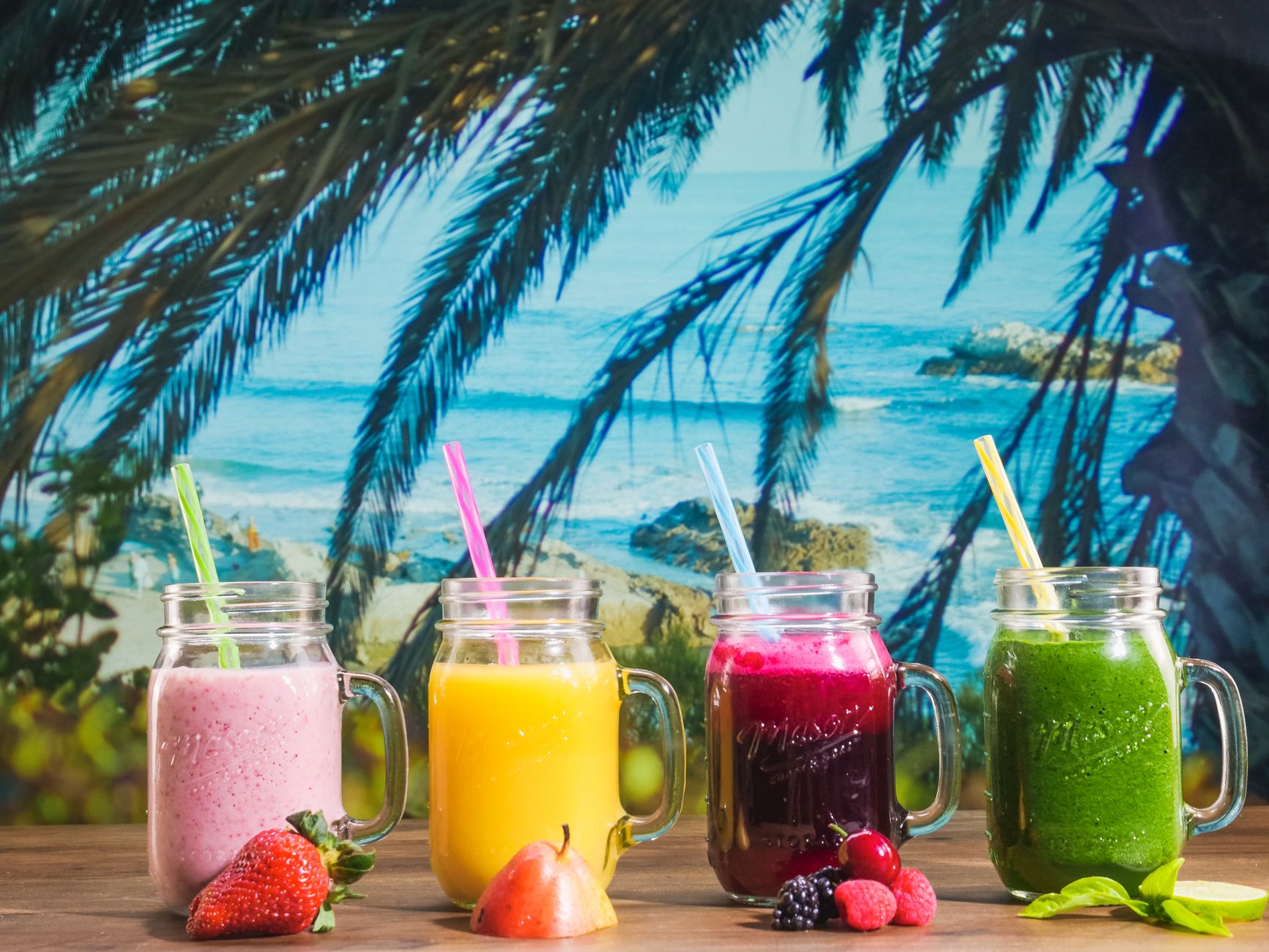
Integrating smoothies into your dietary pattern requires a strategic approach to ensure they complement, rather than disrupt, nutritional balance and satiety. The goal is to use them as a tool for structured nourishment, not as an unstructured snack.
Optimal Timing and Context
Evidence suggests that consuming nutrient-dense, protein- and fiber-rich liquids can promote satiety. For craving management, consider these contexts:
- As a Meal Replacement: Most suitable for breakfast or lunch. To qualify as a balanced meal, the smoothie must contain a complete source of protein (e.g., Greek yogurt, protein powder), healthy fats (e.g., nut butter, avocado), fiber (from whole fruits, vegetables, chia seeds), and complex carbohydrates.
- As a Pre-emptive Snack: Consuming a small, protein-focused smoothie 1-2 hours before a typical craving window (e.g., mid-afternoon) can help modulate appetite hormones and reduce impulsive eating.
Using smoothies as indiscriminate snacks between meals may simply add excess calories without triggering adequate satiety signals.
Portion and Caloric Awareness
Even healthy ingredients contain calories. A smoothie intended for craving control should be part of your total daily energy intake. Be mindful of portion sizes, especially with high-calorie add-ins like nuts, seeds, and nut butters. Using a standard blender cup (approx. 16-24 oz) as a single serving can help maintain consistency.
Clinical Perspective: From a dietary adherence standpoint, consistency is more impactful than perfection. Designating 2-3 specific days per week for a smoothie meal can create a sustainable habit. Pay attention to your body's hunger and fullness cues in the hours following consumption to assess its effectiveness for you personally.
Important Cautions and Contraindications
While generally safe for most, certain individuals should exercise caution or consult a healthcare provider:
- Diabetes or Prediabetes: Monitor the total carbohydrate and sugar content (even from natural sources) closely, as liquid carbohydrates can spike blood glucose. Always pair with protein and fat.
- Kidney Disease: Those on potassium- or phosphorus-restricted diets must be cautious with ingredients like bananas, spinach, and certain seeds/nuts.
- History of Eating Disorders: Liquid meals can sometimes disrupt normal hunger/fullness mechanisms and should be integrated only under the guidance of a registered dietitian or therapist.
- Dental or Swallowing Issues: Ensure the consistency is safe to consume.
Ultimately, smoothies are one tool among many. Their efficacy for curbing cravings is not universally guaranteed and depends heavily on individual composition, timing, and the overall quality of your total diet.
5. Indications for Professional Medical Consultation

While dietary strategies like smoothies can be part of a balanced nutrition plan, they are not a substitute for professional medical diagnosis or treatment. It is crucial to recognize when cravings or eating patterns may signal an underlying health condition requiring expert intervention. Consulting a healthcare provider is strongly advised in the following scenarios.
When Cravings Signal a Medical Condition
Persistent, intense cravings can sometimes be a symptom of a physiological imbalance. Self-managing with dietary changes alone may delay necessary care. Professional evaluation is indicated if cravings are accompanied by:
- Unexplained changes in weight: Significant, unintentional weight loss or gain.
- Metabolic symptoms: Excessive thirst, frequent urination, or extreme fatigue, which could suggest blood sugar dysregulation or diabetes.
- Signs of nutritional deficiency: Such as persistent fatigue, hair loss, brittle nails, or unusual food aversions (e.g., craving ice, which may indicate iron deficiency).
- Digestive issues: Bloating, pain, or bowel changes after consuming certain smoothie ingredients like high-FODMAP fruits, dairy, or fiber.
Clinical Insight: In practice, we distinguish between habitual snacking and pathological cravings. The latter are often relentless and specific (e.g., craving salt, not just "something savory"). They can be linked to electrolyte imbalances, hormonal shifts (like in pregnancy or thyroid disorders), or medication side effects. A detailed history and basic labs are often the first step in ruling out organic causes before focusing on behavioral nutrition strategies.
Pre-Existing Conditions Requiring Caution
Individuals with certain chronic conditions should consult their doctor or a registered dietitian before significantly altering their diet with smoothie protocols.
- Kidney Disease: High-potassium ingredients (e.g., bananas, spinach, avocado) common in smoothies can be dangerous if kidney function is impaired.
- Diabetes or Prediabetes: Smoothies can concentrate natural sugars, leading to rapid blood glucose spikes. Careful carbohydrate counting and ingredient selection are essential.
- Gastrointestinal Disorders: (e.g., IBS, IBD, gastroparesis). High-fiber blends or specific ingredients may exacerbate symptoms.
- History of Eating Disorders: Any protocol focused on "curbing cravings" or restrictive meal replacement can trigger disordered eating patterns and requires supervision from a mental health professional specialized in eating disorders.
Medication and Supplement Interactions
Smoothies often contain bioactive compounds that can interact with medications. For example, high amounts of vitamin K-rich leafy greens can interfere with blood thinners like warfarin. Similarly, certain citrus fruits can affect the metabolism of some medications. A review of your current medications with a pharmacist or physician is a prudent step.
In summary, while nutritional approaches have their place, they exist within a broader healthcare context. Seeking professional guidance ensures that dietary changes are safe, appropriate, and effectively integrated into your overall health management plan.
6. Questions & Expert Insights
Can a smoothie truly "revolutionize" my appetite control?
While the term "revolutionize" is often used in marketing, the evidence for smoothies as a tool for appetite management is more nuanced. Research suggests that the macronutrient composition of a smoothie—specifically its protein, fiber, and healthy fat content—can promote satiety. For instance, whey or plant-based protein can stimulate gut hormones that signal fullness, and soluble fiber from ingredients like chia seeds or oats slows gastric emptying. However, the effect is not universal and depends heavily on the individual's overall diet, metabolism, and the specific ingredients used. A smoothie is not a magic bullet; it is a dietary strategy that can be effective when integrated into a balanced eating pattern. The key is viewing these formulas as potential supports for healthy habits, not as standalone solutions that override fundamental nutritional principles.
What are the potential risks or side effects of using smoothies for craving control?
Several important risks must be considered. First, smoothies can be deceptively high in calories, sugars, and carbohydrates, especially when made with large amounts of fruit, sweetened yogurts, or juices. This can lead to unintended weight gain and blood sugar spikes, counteracting the goal of appetite control. Second, relying heavily on liquid meals may disrupt normal hunger and fullness cues over time. Third, specific ingredients pose risks for certain populations: high-oxalate greens (like spinach) can contribute to kidney stones in susceptible individuals; high-fiber additions can cause gastrointestinal distress or interfere with medication absorption; and protein powders may contain heavy metals or allergens. Individuals with diabetes, kidney disease, gastrointestinal disorders, or food allergies should exercise particular caution and likely modify standard recipes.
When should I talk to my doctor or a dietitian about this approach?
Consult a healthcare professional before making significant dietary changes if you have any chronic medical condition, including diabetes, kidney disease, heart disease, or gastrointestinal issues like IBS. You should also seek guidance if you are pregnant, breastfeeding, managing polypharmacy (multiple medications), or have a history of disordered eating. Come to the appointment prepared to discuss: 1) Your specific health goals, 2) A sample recipe with exact ingredients and quantities, 3) A list of your current medications and supplements, and 4) Any past adverse reactions to foods. This information allows your provider to assess nutrient interactions, appropriateness of ingredients for your condition, and ensure the strategy aligns safely with your overall health plan. A registered dietitian can provide personalized macronutrient adjustments.
How strong is the scientific evidence behind these "formulas"?
The evidence is supportive but not definitive. Numerous studies confirm the satiating effects of individual components like protein (especially casein and whey), soluble fiber (e.g., beta-glucan from oats, pectin), and healthy fats. However, most research examines these nutrients in isolation or within controlled meals, not specifically in blended smoothie formats. There is a lack of large, long-term randomized controlled trials testing specific "smoothie formulas" for sustained craving reduction or weight management. The existing body of evidence is best described as applying established nutritional principles (increased protein/fiber intake promotes satiety) to a convenient food medium. The effectiveness for any individual will depend on the quality of ingredients, portion size, and what the smoothie replaces in the diet (e.g., replacing a sugary breakfast pastry is likely beneficial; replacing a balanced solid meal may be less so).
7. In-site article recommendations
8. External article recommendations
9. External resources
The links below point to reputable medical and evidence-based resources that can be used for further reading. Always interpret them in the context of your own situation and your clinician’s advice.
-
wikipedia wikipedia.orgsmoothie formulas – Wikipedia (search)
-
mayoclinic mayoclinic.orgsmoothie formulas – Mayo Clinic (search)
-
healthline healthline.comsmoothie formulas – Healthline (search)
These external resources are maintained by third-party organisations. Their content does not represent the editorial position of this site and is provided solely to support readers in accessing additional professional information.