
1. Introduction to Detoxification and Nutritional Support

The term "detoxification" is widely used in wellness circles, but its meaning can vary significantly. In a clinical context, detoxification refers to the body's innate, continuous physiological processes for neutralizing and eliminating potentially harmful substances. These processes occur primarily in the liver, but also involve the kidneys, gastrointestinal tract, lungs, and skin.
Nutritional support aims to provide the essential vitamins, minerals, antioxidants, and phytonutrients that serve as cofactors and substrates for these enzymatic pathways. The goal is not to "force" or "overhaul" the system, but to support its inherent efficiency through evidence-based dietary choices.
Understanding the Body's Natural Detox Pathways
The liver's detoxification occurs in two main phases:
- Phase I (Functionalization): Enzymes, primarily from the cytochrome P450 family, use oxidation, reduction, and hydrolysis to make fat-soluble compounds more water-soluble. This process can sometimes create intermediate metabolites that are more reactive.
- Phase II (Conjugation): These reactive intermediates are bound (conjugated) with molecules like glutathione, glycine, or sulfate, rendering them less toxic and more easily excreted in bile or urine.
A balanced nutritional approach supports both phases simultaneously, as supporting one phase without the other could theoretically lead to a buildup of reactive intermediates.
Clinical Perspective: The concept of "detoxing" through extreme diets or restrictive cleanses is not supported by robust clinical evidence and can be counterproductive, potentially leading to nutrient deficiencies, electrolyte imbalances, and metabolic stress. The most effective strategy is consistent, long-term dietary patterns rich in whole foods that provide the raw materials the body's detoxification systems require to function optimally.
Evidence and Considerations for Nutritional Support
Research strongly supports the role of certain nutrients in liver health and detoxification enzyme function. For instance, cruciferous vegetables contain sulforaphane, which can upregulate Phase II enzymes. Foods rich in glutathione precursors (e.g., avocado, spinach) and antioxidants (e.g., berries, citrus) help combat oxidative stress associated with metabolic processes.
However, evidence for specific "detox smoothie" formulas producing dramatic cleansing effects is often preliminary, based on animal studies, or extrapolated from the known benefits of individual ingredients. The overall benefit likely stems from increasing intake of fruits, vegetables, and fiber while displacing less nutritious options.
Important Precautions: Individuals with kidney disease, liver disease, diabetes, or those who are pregnant or breastfeeding should consult a physician before significantly altering their diet. Those with a history of eating disorders should avoid any protocol framed as a "cleanse" or "detox."
2. Scientific Evidence and Mechanisms of Action

The concept of "detoxification" in popular health culture often lacks scientific rigor. However, the underlying premise of supporting the body's intrinsic detoxification pathways with nutrient-dense foods is grounded in established biochemistry. The proposed mechanisms of action for smoothie ingredients typically center on three core physiological functions: enhancing antioxidant status, supporting phase I and II liver detoxification enzymes, and promoting healthy elimination.
Key Mechanisms of Action
Specific nutrients in fruits and vegetables can support the body's natural detoxification processes through several well-documented pathways:
- Antioxidant Provision: Compounds like vitamin C (citrus, berries), vitamin E (spinach, avocado), and polyphenols (berries, green tea) neutralize reactive oxygen species generated during normal metabolism and toxin processing, protecting cellular integrity.
- Enzyme Cofactor Support: B-vitamins (abundant in leafy greens) and minerals like selenium and zinc (found in seeds) act as essential cofactors for the cytochrome P450 enzymes (Phase I) and conjugation enzymes like glutathione S-transferases (Phase II) in the liver.
- Fiber-Mediated Elimination: Soluble fiber (from fruits like apples and pears) can bind to certain bile acids and metabolic waste products, while insoluble fiber (from greens and celery) adds bulk to stool, promoting regular bowel movements and reducing the reabsorption of toxins from the gut.
Clinical Perspective: It is crucial to distinguish between supporting baseline physiological function and a "detox cleanse." The evidence strongly supports the general health benefits of a diet rich in the phytochemicals and fiber found in these smoothie ingredients. However, claims that specific combinations "flush toxins" or "reset" organs are not supported by high-quality human trials. The benefit is in consistent dietary patterns, not acute, short-term interventions.
Evidence Quality and Considerations
The evidence is robust for the individual biochemical roles of these nutrients. For instance, the function of glutathione as a master antioxidant and phase II conjugate is well-established. The evidence for synergistic effects of specific smoothie "formulas," however, is more preliminary, often based on in vitro or animal studies.
Who should exercise caution? Individuals with kidney disease must be mindful of high-potassium ingredients like spinach and bananas. Those on blood thinners (e.g., warfarin) should maintain consistent vitamin K intake (from leafy greens) to avoid medication interference. Anyone with a history of oxalate kidney stones may need to moderate high-oxalate greens like spinach. Consulting a physician or dietitian before making significant dietary changes is always advised.
3. Potential Risks and Contraindications
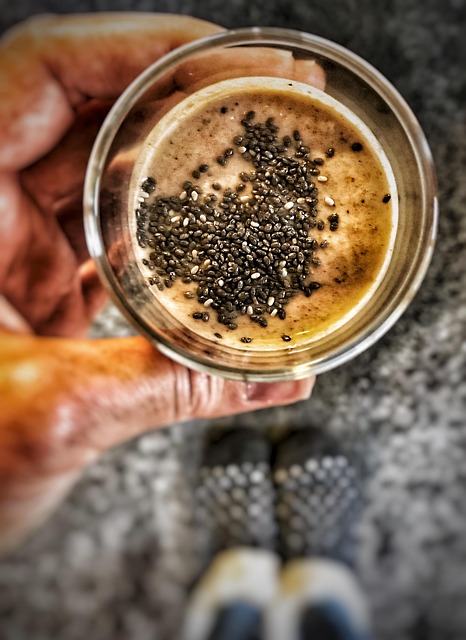
While incorporating nutrient-dense smoothies can be a positive dietary addition, it is crucial to approach any regimen framed as "detox support" with clinical awareness. The concept of "detoxing" the body is often overstated in popular wellness culture; the liver, kidneys, and gastrointestinal tract are highly efficient at metabolic clearance. The primary risk lies not in the ingredients themselves, but in how they are used, the potential for nutrient-drug interactions, and the displacement of a balanced diet.
Key Considerations for Specific Populations
Certain individuals should exercise particular caution or consult a healthcare provider before significantly altering their diet with concentrated smoothie formulas.
- Kidney Impairment: Smoothies high in potassium (e.g., from spinach, bananas) or oxalates (e.g., from raw beet greens, Swiss chard) can pose risks for those with chronic kidney disease, potentially leading to hyperkalemia or kidney stone formation.
- Medication Interactions: High doses of vitamin K from leafy greens can interfere with anticoagulants like warfarin. Certain citrus components may affect the metabolism of medications processed by the CYP450 enzyme system.
- Gastrointestinal Conditions: The high fiber and FODMAP content in ingredients like apples, mangoes, or cruciferous vegetables can exacerbate symptoms in individuals with irritable bowel syndrome (IBS), inflammatory bowel disease (IBD), or other functional gut disorders.
- Pregnancy and Lactation: While generally safe, the use of medicinal herbs, adaptogens, or excessive amounts of certain vitamins (like vitamin A) should be reviewed with an obstetrician.
Broader Risks of "Detox" Framing
The emphasis on "detox phases" can inadvertently promote unhealthy patterns. Replacing meals exclusively with liquids may lead to inadequate calorie, protein, and fat intake, resulting in fatigue, muscle loss, and nutrient deficiencies if sustained. For individuals with a history of or predisposition to eating disorders, this focus can trigger or reinforce restrictive behaviors.
Clinical Perspective: From a medical standpoint, the body's detoxification pathways are continuous and require adequate macronutrients and co-factors to function optimally. A sudden, extreme influx of micronutrients and phytochemicals does not "boost" these systems in a linear way. The most significant risk is often the substitution of a varied, whole-foods diet with a limited range of blended ingredients, which can create nutritional imbalances. Always prioritize dietary changes that are sustainable and integrated into a long-term pattern of eating.
In summary, while the ingredients in supportive smoothies are typically wholesome, their application within a "detox" context requires nuance. The strongest evidence supports their role as a component of a balanced diet, not as a standalone purification protocol. Individuals with pre-existing medical conditions, those on medications, or anyone considering a significant dietary shift should discuss it with a physician or a registered dietitian to ensure safety and appropriateness.
4. Balanced Recommendations for Implementation

Integrating nutrient-dense smoothies into a dietary pattern requires a measured, evidence-informed approach. The goal is to support the body's intrinsic physiological processes, such as hepatic biotransformation and renal filtration, without promoting restrictive or extreme "detox" practices. The following recommendations are designed for safe and sustainable implementation.
Practical Implementation Guidelines
To derive benefit while minimizing potential for nutritional imbalance, consider these principles:
- Frequency and Timing: Use a smoothie as a single meal replacement, typically for breakfast or lunch, no more than once per day. This prevents excessive caloric displacement of whole foods essential for a varied diet.
- Complement, Don't Replace: A smoothie should be part of a broader diet rich in whole vegetables, fruits, lean proteins, healthy fats, and fiber. It is not a standalone solution for health or detoxification.
- Mindful Ingredient Rotation: Vary the leafy greens, fruits, and add-ins (like seeds or spices) weekly to ensure a broad spectrum of phytonutrients and avoid potential overconsumption of any single compound.
- Hydration is Foundational: Smoothies contribute to fluid intake, but they do not replace the need for adequate water consumption throughout the day, which is critical for all eliminatory pathways.
Clinical Perspective: From a medical standpoint, "supporting detox phases" is best understood as reducing the functional burden on the liver and kidneys by limiting processed foods, alcohol, and environmental toxins where possible, while providing nutrients that act as cofactors for enzymatic processes. The evidence for specific "detox smoothies" is largely extrapolated from studies on individual food components (e.g., sulforaphane in cruciferous vegetables). There is a lack of high-quality, long-term clinical trials on smoothie regimens themselves.
Important Cautions and Contraindications
These recommendations are not suitable for everyone. Medical consultation is strongly advised prior to significant dietary change for individuals with:
- Chronic kidney disease (due to potential high potassium/oxalate content).
- Diabetes or severe insulin resistance (requires careful monitoring of carbohydrate and fruit sugar load).
- Active gastrointestinal conditions like IBD or gastroparesis.
- History of eating disorders or those on very restrictive diets.
- Individuals on medications such as blood thinners (e.g., warfarin), where sudden increases in vitamin K-rich greens can interfere with therapy.
In summary, a balanced approach views these smoothie formulas as tools to enhance dietary quality, not as curative or purifying protocols. Their value lies in their concentration of vitamins, minerals, and antioxidants, which may aid the body's natural resilience when used judiciously within a comprehensive lifestyle framework.
5. Safety Guidelines and When to Seek Medical Advice

While incorporating nutrient-dense smoothies can be a supportive dietary strategy, it is essential to approach any "detox" or dietary modification with clinical caution. The term "detox" in popular wellness often lacks a standard medical definition and is not synonymous with the body's intrinsic, continuous processes of hepatic and renal clearance.
Before integrating new formulas, consider these safety guidelines:
- Context is Everything: Smoothies should complement, not replace, a balanced diet. Extreme or prolonged "cleanses" that severely restrict calories or macronutrient groups can lead to nutrient deficiencies, fatigue, and metabolic disruption.
- Ingredient Awareness: Be mindful of individual components. High-oxalate greens (like spinach), large quantities of certain herbs, or very high doses of vitamin C or potassium can pose risks for susceptible individuals.
- Start Gradually: Introduce one new ingredient at a time to monitor for any gastrointestinal discomfort or allergic reactions.
Clinical Perspective: From a medical standpoint, the liver and kidneys are highly efficient detoxification organs. The primary goal of dietary support should be to reduce the functional burden on these systems—by limiting processed foods, alcohol, and excess sugar—rather than attempting to "force" or "accelerate" detox phases, a concept not strongly supported by robust clinical trials.
Who Should Exercise Particular Caution or Consult a Physician First?
- Individuals with Chronic Conditions: Those with kidney disease (especially needing potassium/oxalate restriction), liver disease, diabetes (due to sugar content from fruit), or gastrointestinal disorders like IBS.
- People on Medications: Certain ingredients (e.g., grapefruit, high-dose vitamin K from leafy greens, St. John's Wort) can interact with prescription drugs, including blood thinners, statins, and immunosuppressants.
- Pregnant or Breastfeeding Women: Needs are specific, and some herbal ingredients are contraindicated.
- Individuals with a History of Eating Disorders: Any regimen focused on "cleansing" or strict dietary rules can be triggering and is not recommended.
When to Seek Medical Advice
Discontinue use and consult a healthcare professional if you experience persistent symptoms such as severe abdominal pain, nausea, vomiting, diarrhea, unusual fatigue, or signs of an allergic reaction (rash, swelling, difficulty breathing). Furthermore, a consultation is prudent before beginning if you have any underlying health conditions or take regular medications, to ensure the ingredients are safe and appropriate for your personal health profile.
The evidence supporting specific "detox smoothie" protocols is often preliminary, relying on the known benefits of individual whole-food ingredients rather than the combined formula itself. A sustainable, evidence-based approach focuses on long-term dietary patterns rich in fiber, antioxidants, and phytonutrients to support overall organ function.
6. Questions & Expert Insights
What does "detox" actually mean in a clinical context, and can a smoothie really do it?
In clinical medicine, "detoxification" refers to specific medical processes, such as the liver metabolizing toxins or treatments for substance withdrawal. The popular wellness concept of a "detox" is not a medically defined process. The body's hepatic, renal, and gastrointestinal systems perform detoxification continuously. Smoothies rich in certain nutrients may support these innate functions but do not replace or perform them. For instance, ingredients like cruciferous vegetables provide glucosinolates, which support phase II liver enzyme pathways, and fiber aids regular bowel elimination. The benefit lies in providing supportive nutrients, not in initiating a novel "detox phase." The evidence for specific "detox" diets is generally of low quality, with many perceived benefits attributable to increased hydration, reduced intake of processed foods, and higher micronutrient consumption.
Who should be cautious or avoid these detox-supporting smoothies?
Several groups should exercise significant caution or avoid such dietary modifications without medical consultation. Individuals with kidney disease must be wary of high-potassium ingredients like spinach, bananas, and coconut water. Those with oxalate-sensitive kidney stones should limit high-oxalate greens like spinach and beet greens. People on blood-thinning medications (e.g., warfarin) need consistent vitamin K intake; large, variable amounts of leafy greens can disrupt therapeutic INR levels. Anyone with a history of eating disorders or restrictive dieting should avoid protocols labeled as "cleanses," which can trigger harmful patterns. Lastly, individuals with fructose malabsorption or severe IBS may experience bloating and discomfort from high-FODMAP fruits and certain fibers.
When should I talk to my doctor about starting a "detox-support" nutrition plan?
Consult a physician or a registered dietitian before starting if you have any chronic health condition (e.g., diabetes, autoimmune disease, gastrointestinal disorders), are taking any prescription medications, are pregnant or breastfeeding, or have a history of nutritional deficiencies. For the conversation, come prepared with a list of the specific ingredients and their quantities you plan to use regularly. Mention any supplements you take. Be clear about your goals (e.g., "improve energy," "support digestion") rather than using vague terms like "detox." This allows your provider to assess for potential nutrient-drug interactions, electrolyte imbalances, or unsustainable calorie restrictions, and to help you integrate supportive foods safely into your overall health plan.
How long should I follow such a regimen, and what are the risks of over-reliance?
These formulas are best framed as occasional dietary enhancements, not long-term meal replacements. Relying on smoothies for multiple meals daily can lead to inadequate intake of essential nutrients not abundant in blended produce, such as essential fatty acids, complete proteins, and certain fat-soluble vitamins. Excessive consumption may also contribute to dental erosion due to acidity and natural sugars, even without added sweeteners. Furthermore, the body adapts to a consistent calorie and macronutrient profile; sudden, significant changes can disrupt metabolism and energy levels. A balanced approach is to use such smoothies as one component—perhaps a nutrient-dense breakfast or snack—within a varied diet that includes whole foods requiring chewing, which is important for satiety signals and oral health.
7. In-site article recommendations
8. External article recommendations
9. External resources
The links below point to reputable medical and evidence-based resources that can be used for further reading. Always interpret them in the context of your own situation and your clinician’s advice.
-
mayoclinic mayoclinic.orgdetox smoothies – Mayo Clinic (search)
-
drugs drugs.comdetox smoothies – Drugs.com (search)
-
wikipedia wikipedia.orgdetox smoothies – Wikipedia (search)
These external resources are maintained by third-party organisations. Their content does not represent the editorial position of this site and is provided solely to support readers in accessing additional professional information.