
1. Introduction to Morning Energy and Nutritional Context

Sustained morning energy is a complex physiological state influenced by sleep quality, circadian rhythms, and, critically, nutritional intake. The concept of a "smoothie for energy" is not about a single "superfood" but about strategically combining macronutrients and micronutrients to support stable blood glucose, mitochondrial function, and neurotransmitter synthesis.
From a nutritional perspective, the goal is to avoid the rapid spike and subsequent crash in blood sugar associated with high-glycemic, refined-carbohydrate breakfasts. Evidence strongly supports that meals containing a balance of protein, dietary fiber, and healthy fats promote greater satiety and more gradual energy release compared to carbohydrate-dominant meals.
- Protein & Fiber: These components slow gastric emptying and carbohydrate absorption, moderating the postprandial glucose and insulin response. This is a well-established mechanism for preventing mid-morning fatigue.
- Healthy Fats: Fats provide a dense, slow-burning energy source and are essential for the absorption of fat-soluble vitamins (A, D, E, K) often found in smoothie ingredients like leafy greens.
- Complex Carbohydrates: Found in whole fruits, vegetables, and oats, they offer glucose—the brain's primary fuel—alongside fiber and phytonutrients.
It is important to distinguish between strong evidence for these general nutritional principles and the more limited evidence for specific "energy-boosting" claims of individual ingredients like maca or certain adaptogens. While some preliminary studies and traditional use suggest potential benefits, robust, large-scale human trials are often lacking.
Clinical Consideration: A smoothie is a delivery method, not a panacea. Its nutritional value is entirely dependent on its ingredients and proportions. Clinically, we view it as a tool to efficiently increase intake of whole foods, fiber, and fluids. However, it can also concentrate sugars and calories, which requires mindful formulation.
Individuals with specific health conditions should exercise caution. Those with diabetes or prediabetes must carefully account for the total carbohydrate and sugar content. People with kidney disease may need to monitor potassium and phosphorus levels from certain fruits, nuts, and seeds. Anyone with a history of eating disorders or who is under medical supervision for weight management should consult their care team, as liquid calories can affect satiety signals differently than solid food.
Consulting a physician or a registered dietitian is advisable before making significant dietary changes, especially for individuals with chronic health conditions or those taking medications that may interact with dietary components (e.g., blood thinners and vitamin K-rich greens).
2. Evidence and Mechanisms Behind Smoothie Ingredients for Energy

The perceived energy boost from a well-constructed smoothie is not merely anecdotal; it is supported by established nutritional science. The primary mechanisms involve the provision of sustained fuel, modulation of blood glucose, and support for cellular energy production.
Key Mechanisms for Sustained Energy
Ingredients commonly found in energy-focused smoothies contribute through several pathways:
- Complex Carbohydrates & Fiber: Whole fruits (e.g., berries, bananas), oats, and leafy greens provide soluble fiber. This slows gastric emptying and the absorption of sugars, helping to prevent the rapid spikes and subsequent crashes in blood glucose associated with refined sugars.
- Protein and Healthy Fats: Adding ingredients like Greek yogurt, nut butters, chia seeds, or hemp seeds increases satiety and further slows digestion. This macronutrient combination promotes a more gradual and stable release of energy.
- Micronutrient Cofactors: Many fruits and vegetables are rich in B vitamins (e.g., B6, folate) and minerals like magnesium and iron, which are essential cofactors in the mitochondrial pathways that convert food into cellular energy (ATP).
Clinical Perspective: From a physiological standpoint, the goal is glycemic control and nutrient density. A smoothie that is predominantly fruit-based without balancing fiber, protein, or fat may lead to a rapid glucose influx, which can be counterproductive for energy stability, particularly for individuals with insulin resistance or diabetes.
Evaluating the Evidence
The evidence for individual components is strong, but practical application requires nuance.
Well-Supported Evidence: The benefits of dietary fiber for glycemic control and satiety are extensively documented. Similarly, the role of B vitamins and magnesium in energy metabolism is well-established in nutritional biochemistry.
Areas of More Limited or Mixed Evidence: Claims about specific "superfood" blends or the superiority of one fruit over another for energy are often overstated. While antioxidant-rich berries may support reduction of oxidative stress, which can impair mitochondrial function, direct, measurable impacts on daily energy levels in healthy individuals from single ingredients are less clear-cut.
Important Considerations and Cautions
While generally safe, certain individuals should exercise caution:
- Those with diabetes, prediabetes, or insulin resistance should be mindful of total carbohydrate and sugar content, potentially prioritizing lower-glycemic fruits and vegetables.
- Individuals with kidney disease may need to monitor potassium and phosphorus intake from ingredients like bananas, spinach, and nuts.
- People with specific food allergies (e.g., to nuts, dairy) or on blood thinners (e.g., warfarin) who must monitor vitamin K intake from leafy greens should modify recipes accordingly.
Consulting a physician or registered dietitian is advisable for those with chronic health conditions before making significant dietary changes.
3. Risks, Contraindications, and Populations to Avoid

While nutrient-dense smoothies can be a convenient component of a balanced diet, they are not universally appropriate. A clinically responsible approach requires acknowledging potential risks, contraindications, and specific populations for whom such recipes may be unsuitable without professional guidance.
Key Medical Considerations
The primary concerns often relate to the concentrated sources of sugars, potassium, oxalates, and fiber, as well as potential interactions with medications.
- Glycemic Impact: Even smoothies made with whole fruits and no added sugar deliver a significant fructose and glucose load in liquid form, which can cause rapid spikes in blood glucose. This is a critical consideration for individuals with diabetes, prediabetes, or insulin resistance.
- Renal Function: Recipes high in spinach, kale, or bananas are also high in potassium. For individuals with chronic kidney disease (CKD) or on certain medications (e.g., ACE inhibitors, potassium-sparing diuretics), this can precipitate dangerous hyperkalemia.
- Oxalate Content: Leafy greens like spinach are high in oxalates. Regular consumption of high-oxalate smoothies can increase the risk of kidney stone formation in susceptible individuals.
Clinical Insight: From a dietary perspective, blending does not inherently make a food "healthier." The mechanical breakdown of fiber can reduce its satiating effect and moderate its impact on blood sugar compared to eating whole fruits and vegetables. For blood sugar management, the order of consumption—having protein or fat first—can be more important than the smoothie's ingredients alone.
Populations Advised to Exercise Caution or Avoid
The following groups should consult a physician or registered dietitian before incorporating high-nutrient smoothies into their routine:
- Individuals with Kidney Disease: As noted, due to potassium and oxalate content.
- Those with Diabetes or Severe Insulin Resistance: Requires careful carbohydrate counting and potentially significant recipe modification.
- People on Blood-Thinning Medications (e.g., Warfarin): Sudden, large increases in vitamin K from leafy greens can interfere with medication efficacy. Consistency is key, and any dietary change must be coordinated with a healthcare provider.
- Individuals with Active Gastrointestinal Disorders: The high fiber load, particularly from ingredients like chia seeds or flax, may exacerbate symptoms in those with IBS, IBD, or gastroparesis.
- Those with a History of Eating Disorders: Calorie-dense liquid meals can sometimes disrupt hunger cues and a healthy relationship with food.
- People with Specific Food Allergies or Sensitivities: Always check ingredients for potential allergens like nuts, seeds, or dairy.
In summary, the "one-size-fits-all" approach does not apply to nutrition. What fuels one person effectively may pose a significant health risk to another. Professional medical or nutritional advice is essential for individuals with pre-existing health conditions.
4. Practical Evidence-Based Takeaways for Smoothie Integration
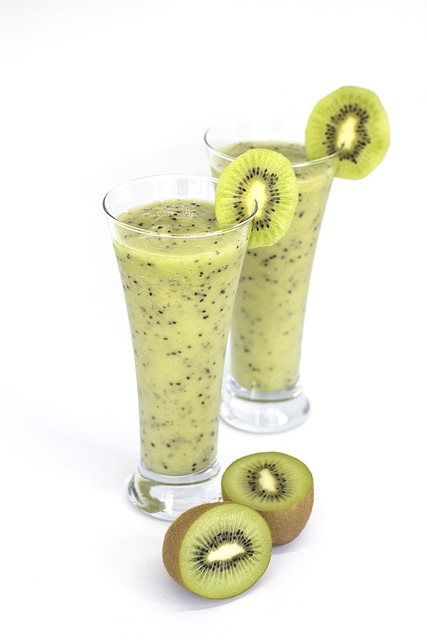
Integrating smoothies into a morning routine can be a practical strategy for nutrient intake, but its efficacy for sustained energy is highly dependent on composition and context. The goal is to create a balanced, nutrient-dense beverage that supports stable blood glucose and satiety, rather than a simple sugar bolus.
Core Principles for Evidence-Based Formulation
Adherence to these principles can help translate general nutrition science into a functional meal replacement or supplement.
- Prioritize Protein and Fiber: Strong evidence supports the inclusion of protein (e.g., Greek yogurt, protein powder, nut butter) and soluble fiber (e.g., oats, chia seeds, psyllium husk) to slow gastric emptying and carbohydrate absorption. This moderates the postprandial glycemic response, which is a key factor in preventing mid-morning energy crashes.
- Manage Fruit Portions: While fruits provide vitamins and phytonutrients, their natural sugars (fructose) can contribute to a high glycemic load if used excessively. Evidence suggests limiting fruit to one serving (e.g., one cup of berries or half a banana) per smoothie and pairing it with the aforementioned protein and fiber sources.
- Incorporate Healthy Fats: Data from studies on meal composition indicate that fats from sources like avocado, flaxseed, or nuts further enhance satiety and provide a sustained energy substrate. The evidence for their direct impact on "hours" of energy is observational but physiologically plausible.
Integration and Cautions
Smoothies are a tool, not a universal solution. Their appropriateness varies by individual health status and goals.
- Not a Substitute for Whole Foods: While convenient, smoothies should not consistently replace meals that include whole, solid foods requiring mastication, which may impact satiety signals and oral health.
- Monitor Total Energy Intake: It is easy to create a high-calorie beverage. For weight management goals, calculate ingredients to align with daily energy needs.
- Specific Populations Should Exercise Caution: Individuals with diabetes, prediabetes, or insulin resistance must carefully account for carbohydrates and monitor blood glucose responses. Those with kidney disease should consult a physician regarding high-potassium ingredients (e.g., spinach, banana). People with swallowing difficulties (dysphagia) should seek advice from a speech-language pathologist. Anyone with a history of eating disorders should be mindful that liquid calories can sometimes bypass normal hunger cues.
Clinical Perspective: From a dietary counseling standpoint, the most significant evidence-based takeaway is the structural composition of the smoothie. The promise of "hours of energy" is not inherent to the smoothie format itself but is a direct result of balancing macronutrients to create a low-glycemic, satiating meal. Always contextualize this advice within an individual's complete dietary pattern and health objectives.
Before making significant dietary changes, particularly for those with chronic medical conditions or on medication, a consultation with a registered dietitian or physician is recommended to ensure personal suitability and safety.
5. Safety Considerations and When to Consult a Healthcare Professional

While incorporating nutrient-dense smoothies can be a positive dietary choice, it is essential to approach them with clinical awareness. The term "revolutionary" should not override fundamental principles of safety, individualization, and medical supervision. These beverages are dietary supplements, not substitutes for professional medical advice or treatment.
Key Populations Requiring Caution
Certain individuals should exercise particular caution or consult a healthcare provider before making significant changes to their diet, including the regular consumption of high-nutrient smoothies.
- Individuals with Kidney Disease: Smoothies high in potassium (e.g., from spinach, bananas) or added protein powders can pose risks for those with compromised kidney function, potentially leading to dangerous electrolyte imbalances.
- Those on Specific Medications: High vitamin K content from leafy greens can interfere with blood-thinning medications like warfarin. High-fiber ingredients may also affect the absorption of certain drugs.
- People with Diabetes or Prediabetes: Even without added sugar, the natural sugars from multiple servings of fruit and some vegetables can significantly impact blood glucose. Careful carbohydrate counting and monitoring are crucial.
- Individuals with Digestive Disorders: For those with conditions like IBS, Crohn's disease, or gastroparesis, a high-fiber, high-FODMAP, or high-volume smoothie can exacerbate symptoms like bloating, gas, and abdominal pain.
- Those with a History of Eating Disorders: Focusing intensely on "clean" or "perfect" ingredients can reinforce disordered eating patterns. Any major dietary change should be discussed with a treatment team.
Clinical Perspective: From a medical standpoint, the primary risk of any dietary trend is the potential for nutrient excess or imbalance, not just deficiency. A smoothie is a concentrated source of nutrients. For example, routinely consuming very high doses of oxalates (from spinach), vitamin A (from carrots, mango), or certain herbal additives can lead to toxicity over time. Always consider the smoothie as part of your total daily dietary intake, not in isolation.
When to Consult a Healthcare Professional
It is prudent to seek guidance from a physician or a registered dietitian in the following scenarios:
- Before starting any new dietary regimen if you have a chronic health condition (e.g., heart disease, liver disease, autoimmune disorders).
- If you experience any adverse reactions such as persistent digestive upset, allergic symptoms, headaches, or unusual changes in energy levels after consumption.
- If you are pregnant, breastfeeding, or planning for pregnancy, to ensure nutrient levels are safe and appropriate.
- If you are considering using the smoothie as a meal replacement for weight management, to ensure you are meeting all nutritional needs without creating deficits.
Ultimately, the evidence supporting the long-term, unique benefits of specific "revolutionary" smoothie blends over a general balanced diet is limited. The strongest evidence supports the consumption of whole fruits, vegetables, and adequate fiber. Use these recipes as one component of a varied diet, prioritized under the guidance of your personal health context.
6. Questions & Expert Insights
Can a morning smoothie really provide sustained energy for hours?
The concept is plausible, but the evidence is nuanced. A smoothie's ability to sustain energy depends heavily on its macronutrient composition. Recipes that are high in simple sugars from fruit juices or sweeteners can cause a rapid spike and subsequent crash in blood glucose. The "revolutionary" aspect often cited involves a deliberate balance: combining fiber (from whole fruits, vegetables, or seeds), healthy fats (from nuts, avocado, or nut butters), and protein (from Greek yogurt, protein powder, or hemp seeds). This combination slows gastric emptying and the absorption of sugars, leading to a more gradual and sustained release of energy. While individual studies on specific smoothie formulations are limited, the underlying principle of balanced macronutrients for glycemic control is well-supported. The effect is highly individual and also depends on a person's overall diet, activity level, and metabolic health.
What are the potential risks or downsides of relying on morning smoothies?
While nutritious, smoothies carry several often-overlooked risks. First, they can be deceptively high in calories and natural sugars, potentially contributing to weight gain or blood sugar dysregulation if not accounted for within one's total daily intake. Second, the act of blending breaks down fiber, which may reduce its satiating effect compared to eating whole fruits and vegetables. For individuals with kidney disease, smoothies with high potassium (spinach, bananas) or phosphorus (dairy, nuts) content can be dangerous. Those with fructose malabsorption or IBS may experience significant bloating and discomfort from high-fructose fruits. Furthermore, for individuals with a history of or predisposition to eating disorders, the focus on "perfect" or "clean" ingredients can exacerbate unhealthy fixations. It's crucial to view smoothies as a component of a diet, not a singular solution.
When should I talk to my doctor before changing my morning routine with these recipes?
Consult a physician or a registered dietitian before starting if you have any chronic medical condition, take medications, or have specific dietary restrictions. This is particularly critical for individuals with diabetes (to manage carbohydrate impact), kidney disease (to monitor potassium/phosphorus), liver conditions, or gastrointestinal disorders like IBS or IBD. If you are on blood thinners like warfarin, drastic changes in vitamin K intake (from leafy greens) can interfere with medication efficacy. Before your appointment, bring a list of the specific ingredients you plan to use regularly. Also, note any medications and supplements you take, and be prepared to discuss your typical daily diet and any symptoms (like bloating, energy crashes, or hunger) you hope to address. This allows for personalized, safe guidance.
Is the "alkalizing" or "detox" claim associated with green smoothies supported by evidence?
No, these claims are not supported by robust clinical evidence. The human body tightly regulates its blood pH through the lungs and kidneys; dietary intake cannot meaningfully "alkalize" it. The term "detox" is a marketing concept, not a medical one. Your liver and kidneys are highly efficient detoxification organs. While smoothies rich in spinach, kale, and other vegetables provide excellent vitamins, minerals, and antioxidants that support overall organ function, they do not perform a unique detoxifying process. The perceived benefits—like improved energy or clearer skin—are likely due to increased hydration, higher intake of essential nutrients, and the displacement of less nutritious breakfast options, not a proprietary cleansing action. It is more accurate and responsible to frame these recipes as nutrient-dense dietary additions rather than as detoxifying treatments.
7. In-site article recommendations
8. External article recommendations
9. External resources
The links below point to reputable medical and evidence-based resources that can be used for further reading. Always interpret them in the context of your own situation and your clinician’s advice.
-
wikipedia wikipedia.orgsmoothie recipes – Wikipedia (search)
-
examine examine.comsmoothie recipes – Examine.com (search)
-
mayoclinic mayoclinic.orgsmoothie recipes – Mayo Clinic (search)
These external resources are maintained by third-party organisations. Their content does not represent the editorial position of this site and is provided solely to support readers in accessing additional professional information.