
1. Introduction to Gentle Detoxification and Smoothie Nutrition
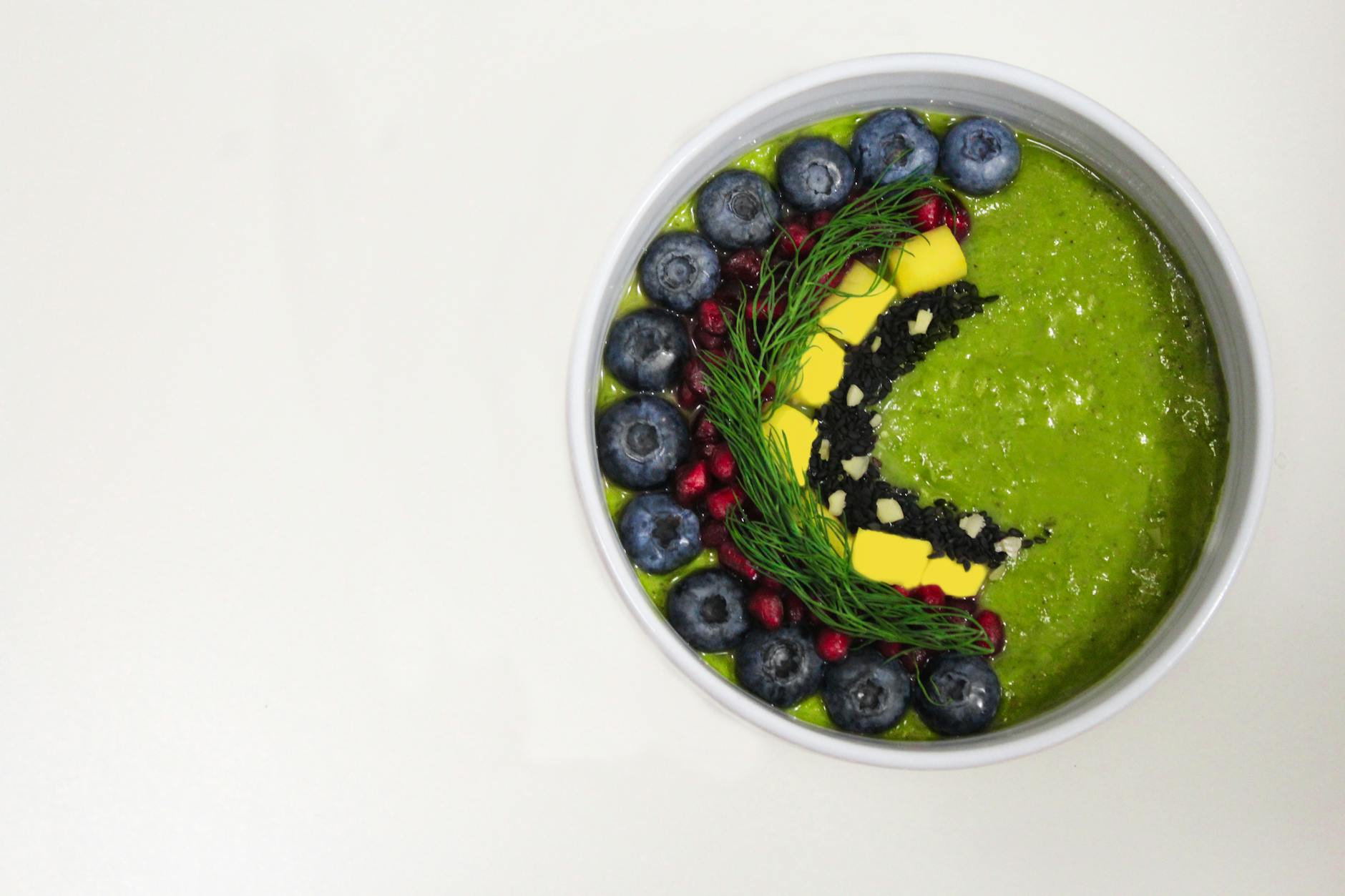
The term "detox" is often associated with extreme cleanses or restrictive fasts. In a clinical context, however, the body's primary detoxification systems—the liver, kidneys, gastrointestinal tract, skin, and lungs—function continuously without the need for drastic interventions. The concept of a "gentle detox" shifts the focus from deprivation to nutritional support, aiming to provide these intrinsic systems with the micronutrients and fiber they require to function optimally.
From an evidence-based perspective, no specific food or diet can "detoxify" the body in a way that these organs do not already manage. However, a diet rich in certain nutrients can support metabolic and enzymatic pathways involved in processing and eliminating metabolic byproducts and environmental toxins. The goal is not to "cleanse" but to reduce the intake of processed foods, added sugars, and unhealthy fats while increasing the density of supportive nutrients.
Nutrient-dense smoothies can be a practical tool in this supportive approach. When formulated thoughtfully, they offer:
- Bioavailable Micronutrients: Blending can increase the bioavailability of certain antioxidants and phytonutrients from fruits and vegetables, such as carotenoids and flavonoids.
- Dietary Fiber: Ingredients like leafy greens, chia seeds, and berries provide soluble and insoluble fiber, which supports gut motility and healthy elimination.
- Hydration: The liquid base contributes to daily fluid intake, supporting kidney function.
- Satiety: When containing protein, healthy fats, and fiber, smoothies can promote fullness, helping to avoid the hunger associated with extreme cleanses.
Clinical Perspective: It is crucial to distinguish between nutritional support and unsubstantiated claims. High-quality evidence supports the general health benefits of a diet rich in fruits, vegetables, and fiber. However, evidence for specific "detox" effects of particular food combinations is often preliminary or based on animal studies. A balanced smoothie is best viewed as one component of an overall healthy dietary pattern, not a standalone solution.
Individuals with certain medical conditions should exercise caution and consult a physician or registered dietitian before making significant dietary changes. This includes those with kidney disease (who may need to monitor potassium and oxalate intake), diabetes (who must account for carbohydrate content), a history of eating disorders, or those on medications affected by dietary changes, such as blood thinners.
2. Scientific Evidence and Mechanisms Behind Detox Smoothies

The term "detox" is often used loosely in wellness circles, but from a clinical perspective, the body's primary detoxification systems—the liver, kidneys, gastrointestinal tract, and skin—are highly efficient. The premise of a "detox smoothie" is not to replace these organs, but to provide concentrated nutrients that may support their natural physiological functions and promote overall metabolic health.
The proposed mechanisms by which smoothie ingredients may offer support are grounded in nutritional biochemistry. The evidence for these mechanisms varies in strength:
- Enhanced Antioxidant and Anti-inflammatory Activity: Ingredients like berries, leafy greens, and citrus are rich in polyphenols, flavonoids, and vitamins C and E. These compounds have well-documented antioxidant properties, helping to neutralize reactive oxygen species. Chronic, low-grade inflammation is implicated in numerous disease states, and a diet high in these phytonutrients is consistently associated with reduced inflammatory markers in observational studies.
- Support for Hepatic Detoxification Pathways: Cruciferous vegetables (e.g., kale, broccoli) contain glucosinolates, which are metabolized into compounds like sulforaphane. Laboratory and some human studies suggest these compounds may upregulate phase II liver detoxification enzymes, enhancing the body's ability to process and excrete certain toxins.
- Improved Gastrointestinal Motility and Microbiome Health: Smoothies high in fiber from fruits, vegetables, and seeds like flax or chia can promote regular bowel movements, which is a primary route of excretion for waste products. Furthermore, certain fibers act as prebiotics, fostering a healthier gut microbiota, which itself plays a role in metabolizing compounds and maintaining gut barrier integrity.
Clinical Perspective: It is crucial to distinguish between the general health benefits of a nutrient-dense diet and the specific, often overstated claims of "detoxification." The evidence is strongest for the anti-inflammatory and antioxidant effects. Claims about "flushing toxins" or "cleansing organs" are not supported by robust clinical trials. A smoothie is best viewed as a convenient vehicle for increasing intake of whole-food nutrients that support systemic health, rather than a standalone therapeutic intervention.
Important Considerations & Cautions: Individuals with kidney disease, particularly those on potassium or phosphorus restrictions, should be cautious with smoothies high in certain fruits and leafy greens. Those with diabetes must account for the carbohydrate and sugar content, even from natural sources. Anyone with a history of eating disorders, gastrointestinal disorders like FODMAP intolerance, or who is taking blood-thinning medications (e.g., warfarin) should consult a physician or registered dietitian before making significant dietary changes.
In summary, the scientific rationale focuses on nutrient provision to support the body's inherent systems. The benefits are derived from the individual food components, not from a novel "detox" process.
3. Potential Risks and Populations to Exercise Caution

While incorporating nutrient-dense smoothies can be a positive dietary addition, the concept of "gentle detox" requires careful contextualization. The human body possesses highly efficient, intrinsic detoxification systems primarily involving the liver, kidneys, and gastrointestinal tract. The evidence supporting the need for or efficacy of specific "detox" diets beyond supporting these organs with good nutrition is limited and often mixed. The primary risk lies not in the ingredients themselves, but in the potential for these practices to replace a balanced diet, lead to nutrient imbalances, or be pursued by individuals for whom they are inappropriate.
Certain populations should exercise particular caution or avoid dietary modifications centered on smoothie-based regimens without prior medical consultation:
- Individuals with Kidney Disease: Smoothies high in potassium (e.g., from spinach, bananas) or oxalates (e.g., from spinach, beet greens) can pose risks for those with compromised renal function.
- Those with Diabetes or Prediabetes: Even natural fruit sugars can significantly impact blood glucose. Smoothies combining multiple fruits, especially without protein, fat, or fiber to blunt the glycemic response, require careful carbohydrate counting and monitoring.
- People with Gastrointestinal Sensitivities: High-fiber blends, cruciferous vegetables, or certain raw ingredients may exacerbate symptoms of IBS, IBD, or other digestive conditions.
- Individuals on Specific Medications: High vitamin K content (from leafy greens) can interfere with anticoagulants like warfarin. Grapefruit and its juice, a common ingredient, can inhibit enzymes critical for the metabolism of numerous prescription drugs.
- Those with a History of or Susceptibility to Eating Disorders: Framing foods around "detox" or "cleansing" can reinforce harmful, restrictive patterns and should be avoided.
- Pregnant or Breastfeeding Individuals: Nutritional needs are highly specific during these periods. Any significant dietary change, including the use of herbal additions sometimes found in "detox" recipes, requires approval from an obstetrician or midwife.
Clinical Perspective: From a medical standpoint, the greatest concern is the substitution of meals with liquid-only regimens for extended periods, which can lead to inadequate calorie, protein, and essential fatty acid intake. This is not supportive of metabolic health or sustainable energy. A balanced approach is key: view these smoothies as one component of a varied diet, not a wholesale replacement for solid meals. Always prioritize hydration with water and consume adequate protein from whole food sources throughout the day.
Before embarking on any new dietary pattern, it is prudent to discuss it with a physician or a registered dietitian. This is especially important for individuals with chronic health conditions, those taking medications, or anyone considering replacing multiple meals per day with liquid alternatives. The goal should always be to support the body's innate systems through consistent, balanced nutrition, not to seek a short-term "fix."
4. Practical Guidelines and Recipe Insights

Integrating nutrient-dense smoothies into a dietary pattern requires a balanced, evidence-informed approach. The primary goal is to support the body's intrinsic detoxification pathways—primarily the liver, kidneys, and gastrointestinal system—through adequate hydration, fiber, and phytonutrients, not to promote extreme restriction or "cleansing."
To maximize benefit and ensure safety, consider these practical guidelines:
- Timing and Frequency: Use a smoothie as a meal replacement for one meal per day, typically breakfast or lunch, rather than consuming multiple smoothies in lieu of all solid foods. This helps maintain stable energy levels and prevents significant calorie deficits that can trigger hunger and metabolic slowdown.
- Balance is Key: Each recipe should contain a balance of macronutrients: fiber from vegetables and fruits, healthy fats (e.g., avocado, chia seeds, nut butter), and a source of protein (e.g., Greek yogurt, plant-based protein powder, hemp seeds). This combination promotes satiety and provides sustained energy.
- Mindful Preparation: Use whole, unprocessed ingredients. Wash all produce thoroughly. If using greens like spinach or kale, consider lightly steaming them to improve digestibility and nutrient absorption for some individuals, though this is not strictly necessary.
- Hydration Support: Smoothies contribute to fluid intake, but continue to drink water throughout the day. Adequate hydration is essential for kidney function and the elimination of water-soluble metabolites.
Clinical Insight: The term "gentle detox" in nutritional context refers to reducing the intake of processed foods, added sugars, and saturated fats while increasing foods rich in antioxidants and fiber. There is strong evidence that such a dietary pattern supports overall metabolic health. However, evidence for specific "detox" effects of singular recipes is limited. The benefit lies in the cumulative pattern, not in any acute "cleansing" action. Individuals with kidney disease, diabetes, or those on blood-thinning medications (e.g., warfarin) should consult a physician, as high potassium from greens or vitamin K interactions may be a concern.
When following recipes, view them as flexible templates. You can substitute ingredients based on preference, tolerance, or availability—for example, swapping almond milk for oat milk, or blueberries for strawberries. The objective is to increase your daily intake of vitamins, minerals, and antioxidants from whole food sources in a sustainable way.
Finally, these smoothies are intended as a component of a balanced lifestyle. They are not a substitute for medical treatment or a long-term solution for weight management. If you have a history of eating disorders, gastrointestinal conditions like IBS, or are pregnant or breastfeeding, it is prudent to discuss dietary changes with a healthcare provider or registered dietitian before proceeding.
5. Safety Measures and When to Seek Medical Advice

Incorporating nutrient-dense smoothies into a balanced diet is generally safe for most healthy adults. However, the concept of "gentle detox" requires careful consideration. The human body possesses highly efficient, intrinsic detoxification systems primarily involving the liver, kidneys, and gastrointestinal tract. The evidence supporting the need for specific dietary "detox" protocols beyond supporting these organs with good nutrition is limited and often mixed. The primary benefit of these recipes likely stems from increased intake of vitamins, minerals, fiber, and phytonutrients, not from a novel detoxifying process.
To integrate these smoothies safely, adhere to the following measures:
- View as a Supplement, Not a Substitute: These smoothies should complement, not replace, balanced meals. Relying on them exclusively can lead to nutrient deficiencies, excessive sugar intake from fruit, and significant calorie restriction.
- Mind the Ingredients: Be aware of potential interactions. For example, high doses of vitamin K from leafy greens like kale or spinach can interfere with blood-thinning medications like warfarin.
- Prioritize Food Safety: Wash all produce thoroughly. If using powders (e.g., spirulina, protein powders), ensure they are from reputable sources to minimize contamination risks.
- Listen to Your Body: Discontinue use if you experience adverse gastrointestinal symptoms like bloating, cramping, or diarrhea, which may indicate an intolerance to specific ingredients like certain fibers or FODMAPs.
Clinical Perspective: From a medical standpoint, the term "detox" is often a misnomer in nutrition. A clinically indicated detoxification process, such as for substance withdrawal or poisoning, is a serious medical intervention. The recipes discussed here are better framed as tools for dietary improvement. The most significant "detox" action you can support is sustained hydration and consistent consumption of whole foods rich in fiber to promote regular bowel function and liver enzyme support.
Consult a physician or a registered dietitian before proceeding if you have:
- Chronic kidney disease (concerns with potassium or oxalate content).
- Diabetes or prediabetes (need to manage carbohydrate and sugar load).
- Active gastrointestinal conditions (e.g., IBS, IBD, gastroparesis).
- Known food allergies or sensitivities.
- Are pregnant, breastfeeding, or planning pregnancy.
- Are on prescription medications, especially diuretics, diabetes medications, or blood thinners.
- A history of or current eating disorder.
Immediately seek medical advice if you experience symptoms of severe dehydration, hypoglycemia (dizziness, confusion, sweating), or an allergic reaction after consuming any new food item. Responsible health practices emphasize enhancement of overall diet quality within a framework of individual medical safety.
6. Questions & Expert Insights
What does "gentle detox" actually mean in a medical context?
In clinical terms, "detox" refers to the medical management of substance withdrawal. In the wellness context, it often describes a short-term dietary pattern aimed at reducing exposure to processed foods and supporting the body's intrinsic detoxification systems. The liver, kidneys, digestive tract, skin, and lungs are the primary organs responsible for neutralizing and eliminating metabolic waste and environmental toxins. A "gentle" approach, as implied by these smoothies, focuses on providing nutrient-dense, whole-food ingredients that supply vitamins, minerals, antioxidants, and fiber. These nutrients act as cofactors for liver enzymes (e.g., in Phase I and II detoxification pathways) and support regular bowel movements and kidney filtration. It is not a process of "flushing" toxins but rather of reducing dietary burdens and optimizing the body's own, continuous physiological processes.
Who should avoid or be extremely cautious with detox-style smoothie plans?
Several populations should avoid restrictive dietary changes or consult a physician first. This includes individuals with diabetes or prediabetes, as high fruit content can significantly impact blood glucose levels. Those with kidney disease must be cautious with potassium-rich ingredients like spinach, bananas, and avocado. People with active gastrointestinal conditions (e.g., IBS, IBD, gastroparesis) may experience bloating or discomfort from high-fiber ingredients or certain raw vegetables. Individuals with a history of eating disorders should avoid any protocol that labels foods as "cleansing" or restrictive. Pregnant or breastfeeding women have elevated nutritional needs and should not undertake calorie-restricted plans. Finally, anyone on medication, especially blood thinners (like warfarin) affected by vitamin K in leafy greens, or diuretics, must discuss dietary changes with their doctor to avoid interactions.
When should I talk to my doctor about starting a new dietary regimen, and what should I bring to that conversation?
You should consult a physician or a registered dietitian before starting if you have any chronic health condition (e.g., diabetes, kidney disease, heart disease, autoimmune disorders), are on prescription medications, are pregnant, or have a history of disordered eating. For the conversation, come prepared with specific details: a list of the smoothie recipes and their key ingredients, your planned duration and frequency (e.g., "one meal replacement daily for five days"), and your overall health goals. Bring a complete list of your medications and supplements. This allows your doctor to assess risks for nutrient-drug interactions, electrolyte imbalances, or inadequate calorie/protein intake. Ask specific questions like, "Given my [condition/medication], are there ingredients here I should modify or avoid?" This collaborative approach ensures safety and personalization.
Is there strong scientific evidence that smoothies "detox" the body?
The direct evidence for smoothies performing a unique "detox" function is limited and largely extrapolated from studies on individual food components. High-quality research demonstrates that diets rich in fruits and vegetables (often blended in smoothies) are associated with improved antioxidant status, reduced inflammation, and better metabolic health markers—outcomes consistent with supporting the body's natural detoxification capacity. However, most studies investigate whole dietary patterns over the long term, not short-term smoothie protocols. There is a lack of robust, controlled trials specifically on "detox smoothies" measuring clinical endpoints like toxin elimination. The benefits likely stem from the cumulative effect of replacing processed foods with nutrient-dense whole foods, increasing hydration and fiber, rather than from a novel "detox" mechanism. The evidence supports their role as part of a balanced diet, not as a standalone therapeutic intervention.
7. In-site article recommendations
8. External article recommendations
9. External resources
The links below point to reputable medical and evidence-based resources that can be used for further reading. Always interpret them in the context of your own situation and your clinician’s advice.
-
healthline healthline.comgentle detox smoothies – Healthline (search)
-
examine examine.comgentle detox smoothies – Examine.com (search)
-
wikipedia wikipedia.orggentle detox smoothies – Wikipedia (search)
These external resources are maintained by third-party organisations. Their content does not represent the editorial position of this site and is provided solely to support readers in accessing additional professional information.