
1. Introduction to Hormonal Balance and Dietary Approaches

Hormonal balance refers to the complex, dynamic equilibrium of signaling molecules—such as estrogen, progesterone, testosterone, insulin, and cortisol—that regulate nearly every bodily function. This system is inherently sensitive, influenced by genetics, age, stress, sleep, and notably, nutrition. While the term "hormone balance" is often used in wellness contexts, it is a clinical reality that significant imbalances can manifest as specific conditions like polycystic ovary syndrome (PCOS), thyroid disorders, or insulin resistance.
Dietary approaches aim to provide foundational support to the endocrine system. The evidence for this is strongest in areas where diet directly impacts metabolic hormones. For example:
- Blood Sugar Regulation: Consuming high-fiber, low-glycemic foods helps modulate insulin secretion. Stable insulin levels can positively influence other hormones, particularly androgens in conditions like PCOS.
- Nutrient Provision: Certain nutrients are essential cofactors for hormone synthesis and metabolism. For instance, magnesium is involved in hundreds of enzymatic processes, including those related to cortisol and insulin.
- Gut Health: Emerging research suggests the gut microbiome plays a role in metabolizing and recycling hormones like estrogen, though this area requires more human trials to establish firm clinical guidelines.
It is crucial to distinguish between dietary support and medical treatment. A balanced diet rich in whole foods can create a favorable physiological environment, but it is not a substitute for diagnosis or therapy for a diagnosed hormonal disorder.
Clinical Perspective: When evaluating dietary strategies for hormonal health, clinicians look for patterns that address root metabolic issues—like inflammation or insulin dysregulation—rather than targeting a single hormone in isolation. The focus is on overall dietary quality, not "superfoods." Individuals with existing conditions (e.g., kidney disease, diabetes, history of eating disorders) or those on medication (e.g., blood thinners, thyroid hormone) should consult their physician before making significant dietary changes, as interactions and individual contraindications are possible.
With this foundational understanding, the following sections will explore specific recipes designed to integrate these principles. These are presented as examples of how to incorporate evidence-supported nutrients into a practical format, acknowledging that individual needs and responses will vary.
2. Evidence and Mechanisms Behind Smoothie Ingredients

The potential for specific foods to support hormonal health is grounded in their nutrient and phytochemical profiles. While no single food is a cure-all, incorporating ingredients with evidence-based properties can be a supportive component of a broader health strategy. The mechanisms generally involve providing essential cofactors for hormone synthesis, modulating inflammation, and supporting detoxification pathways.
Key Ingredients and Their Proposed Roles
Several common smoothie components are studied for their endocrine-related effects:
- Flaxseed: A rich source of lignans, which are phytoestrogens. These compounds can exert a mild estrogenic or anti-estrogenic effect depending on the body's hormonal milieu, potentially helping to modulate estrogen levels. The high fiber content also supports healthy estrogen metabolism and excretion.
- Leafy Greens (e.g., Spinach, Kale): Provide magnesium and B vitamins, which are crucial cofactors in the production and regulation of stress and sex hormones. Their high antioxidant content helps combat oxidative stress, a contributor to hormonal dysfunction.
- Berries: Contain potent antioxidants like anthocyanins. Chronic inflammation can disrupt hormonal signaling; the anti-inflammatory properties of berries may help create a more favorable environment for hormonal balance.
- Healthy Fats (e.g., Avocado, Chia Seeds): Essential for the synthesis of steroid hormones, including cortisol and sex hormones. They also aid in the absorption of fat-soluble vitamins (A, D, E, K) critical for endocrine function.
Clinical Perspective: It is important to contextualize this evidence. Many studies on these mechanisms are preclinical (in cells or animals) or observational in humans, demonstrating association, not causation. The effect of any single ingredient within a complex diet is likely modest. Furthermore, the concept of "balancing" hormones is non-specific; clinical practice addresses defined conditions like hypothyroidism or PCOS with targeted interventions, where diet plays a supportive, not primary, role.
Evidence Strength and Cautions
The evidence supporting these mechanisms varies. The role of essential nutrients (e.g., magnesium, healthy fats) in hormone production is well-established in nutritional biochemistry. The data on phytoestrogens and specific antioxidants modulating hormone activity in otherwise healthy individuals is more preliminary and mixed, with effects that can be highly individual.
Individuals who should exercise caution or consult a healthcare provider before making significant dietary changes include: those with estrogen-sensitive conditions (e.g., certain cancers), kidney disease (regarding high-potassium greens), individuals on blood-thinning medications (regarding vitamin K-rich greens), or those with a history of disordered eating. Anyone with a diagnosed endocrine condition should discuss dietary strategies with their endocrinologist or registered dietitian.
3. Risks and Contraindications for Specific Populations

While incorporating nutrient-dense smoothies can be a supportive dietary strategy, it is clinically imperative to recognize that certain ingredients may pose risks or require modification for specific populations. The general principle of "food as medicine" must be balanced with individual medical history and current health status.
Populations Requiring Specific Caution
The following groups should consult a healthcare provider, such as a physician or registered dietitian, before making significant dietary changes, including the regular use of functional smoothies.
- Individuals with Kidney Disease: Smoothies high in potassium (e.g., from spinach, bananas) or phosphorus (e.g., from chia seeds, nuts) can be dangerous for those with impaired renal function, potentially leading to hyperkalemia or hyperphosphatemia.
- Those on Anticoagulant Therapy (e.g., Warfarin): Large, consistent amounts of vitamin K-rich leafy greens (like kale or spinach) can interfere with medication efficacy. Consistency in vitamin K intake is key, and changes should be discussed with a doctor.
- People with Thyroid Conditions: Raw cruciferous vegetables (e.g., kale, broccoli) contain goitrogens, which may interfere with thyroid hormone synthesis in susceptible individuals, particularly those with iodine deficiency or untreated hypothyroidism. Light cooking or steaming these ingredients can mitigate this effect.
- Individuals with Diabetes or Prediabetes: Even "healthy" smoothies can be high in natural sugars from fruits and sweeteners like honey or dates. This can cause significant blood glucose spikes. Careful carbohydrate counting and inclusion of protein, healthy fats, and fiber is essential.
Clinical Insight: In practice, we see the most issues arise not from the foods themselves, but from their interaction with medications or pre-existing metabolic conditions. A smoothie is a concentrated source of nutrients and phytochemicals. What is a benefit for one person—like the phytoestrogens in flaxseed—could be a concern for another, such as someone with a hormone-sensitive cancer history. Always contextualize dietary interventions within the full clinical picture.
General Considerations and Allergies
Beyond specific medical conditions, general precautions apply:
- Food Allergies and Intolerances: Common smoothie ingredients like nuts, seeds, soy (tofu, soy milk), and dairy are frequent allergens. Always verify ingredients.
- Gastrointestinal Sensitivities: High-fiber ingredients (flax, chia, inulin) or certain raw vegetables can cause bloating, gas, or discomfort in individuals with IBS or similar conditions. Introduce new ingredients gradually.
- Caloric Density: Smoothies can be calorie-dense. For individuals focusing on weight management, they should be considered a meal replacement, not a low-calorie beverage, to avoid unintentional caloric surplus.
The evidence supporting the benefits of individual nutrients for hormonal health is robust in an isolated, research context. However, the evidence for specific "hormone-balancing" smoothie recipes as a whole is preliminary and largely extrapolated. The safest approach is to view these recipes as templates for nutrient inclusion, to be personalized under professional guidance to avoid contraindications.
4. Practical Recommendations for Smoothie Integration
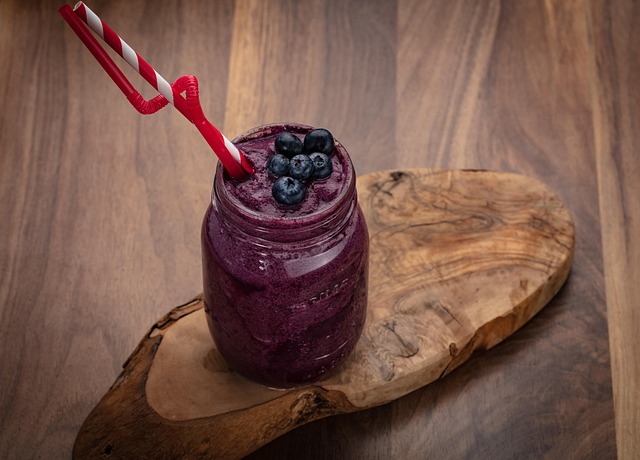
Integrating smoothies into a dietary pattern requires a thoughtful approach to ensure they complement, rather than disrupt, overall nutritional and hormonal health. The goal is to use them as a tool for nutrient density, not as a standalone solution.
Strategic Timing and Frequency
For most individuals, consuming a nutrient-dense smoothie as a component of breakfast or as a post-exercise recovery meal can be practical. This timing can help stabilize morning blood sugar and replenish glycogen stores. However, relying on smoothies to replace multiple solid meals is not generally recommended, as it may reduce dietary variety, fiber from whole foods, and the mindful eating experience.
- Frequency: Consider starting with 3-4 times per week, observing how your energy and satiety respond.
- Portion: Treat a smoothie as a meal (approx. 400-500 kcal with balanced macros) or a substantial snack (approx. 200-300 kcal).
Balancing Macronutrients
A smoothie supportive of hormonal balance should contain a balance of macronutrients to avoid rapid spikes in blood glucose and support sustained energy. The evidence for this balanced approach in managing insulin sensitivity is strong.
- Protein: Include 20-30 grams from sources like Greek yogurt, protein powder, or silken tofu to promote satiety and provide amino acids for hormone synthesis.
- Healthy Fats: Add 1-2 tablespoons of fats like avocado, nut butter, or flaxseed to aid in the absorption of fat-soluble vitamins and support steroid hormone production.
- Fiber-Rich Carbohydrates: Use whole fruits (e.g., berries, half a banana) and vegetables (e.g., spinach, kale) over juices to provide phytonutrients and fiber, which can modulate estrogen metabolism and support gut health.
Clinical Consideration: While the individual nutrients in these smoothies (fiber, omega-3s, antioxidants) have evidence for supporting metabolic and inflammatory pathways, direct high-quality evidence linking specific smoothie recipes to measurable hormonal "balancing" in a clinical setting is limited. Effects are likely modest and synergistic with an overall healthy lifestyle.
Important Precautions and Contraindications
Certain individuals should exercise caution or consult a healthcare provider before making significant dietary changes.
- Kidney Disease: Those with impaired kidney function need to monitor potassium and phosphorus intake, which can be high in smoothies with spinach, banana, and nuts/seeds.
- Blood Sugar Disorders: Individuals with diabetes or prediabetes should carefully account for the total carbohydrate content and may need to adjust medication.
- Digestive Issues: For some with IBS or sensitive guts, large volumes of raw greens or high-FODMAP ingredients (e.g., mango, apple) may trigger symptoms.
- Pregnancy/Nursing: Ensure all ingredients are safe; for example, limit very high-vitamin A sources like excessive carrot juice.
Finally, view these smoothies as one element within a broader context of adequate sleep, stress management, and regular physical activity—all of which have a more profound and well-established impact on endocrine function.
5. Safety Considerations and When to Seek Medical Advice

While incorporating nutrient-dense smoothies can be a supportive part of a healthy lifestyle, it is essential to approach them with a clear understanding of their limitations and potential risks. Dietary changes, even seemingly benign ones, can have significant interactions with underlying health conditions and medications.
Key Safety Considerations
The evidence supporting specific foods for hormonal balance is often preliminary, based on observational studies, or derived from small clinical trials. While the individual ingredients (e.g., flaxseed, leafy greens, berries) are generally recognized as safe foods, claims about their direct, measurable impact on complex hormonal pathways like estrogen metabolism or cortisol regulation should be viewed as suggestive, not conclusive.
Primary safety concerns include:
- Drug-Nutrient Interactions: Ingredients like flaxseed (high in fiber) can alter the absorption of oral medications. Cruciferous vegetables (e.g., kale, broccoli) contain compounds that may affect the metabolism of certain drugs processed by the cytochrome P450 system.
- Underlying Medical Conditions: Individuals with kidney disease must be cautious with high-potassium ingredients like spinach and bananas. Those with estrogen-sensitive conditions (e.g., certain cancers, endometriosis) should discuss phytoestrogen-rich foods like flaxseed with their oncologist or gynecologist.
- Caloric and Sugar Content: Smoothies can be calorie-dense. Adding multiple servings of fruit, nut butters, or sweeteners may contribute to unintended weight gain or blood sugar spikes, which can themselves disrupt hormonal balance.
Clinical Perspective: From a medical standpoint, a smoothie is not a treatment. It is a dietary vehicle. We assess its safety profile by evaluating its ingredients against a patient's full clinical picture—their diagnoses, medication list, and nutritional status. What is supportive for one person may be contraindicated for another.
When to Consult a Healthcare Professional
You should seek personalized medical advice before making significant dietary changes if you:
- Are pregnant, breastfeeding, or trying to conceive.
- Have a diagnosed hormonal disorder (e.g., PCOS, thyroid disease, adrenal insufficiency), diabetes, or kidney disease.
- Are taking any prescription medications, especially for blood thinning, thyroid replacement, diabetes, or hormone therapy.
- Have a history of eating disorders or are undergoing active treatment for cancer.
- Experience new or worsening symptoms such as digestive distress, allergic reactions, or changes in your menstrual cycle after introducing new foods.
Ultimately, these recipes are intended as general nutritional guidance. A registered dietitian or your physician can help you integrate such options safely and effectively into a plan tailored to your specific health needs and goals.
6. Questions & Expert Insights
Can a smoothie really "balance" my hormones?
The term "balance" is often used loosely in wellness contexts. From a clinical perspective, hormones are complex signaling molecules regulated by intricate feedback loops involving the brain, glands, and organs. No single food or smoothie can "reset" this entire system. However, the ingredients in these recipes—like flaxseeds for lignans, leafy greens for magnesium, and berries for antioxidants—can provide specific nutrients that support the body's natural hormonal function. For example, adequate fiber from fruits and vegetables aids in the excretion of used estrogen. Think of these smoothies not as a cure, but as one component of a holistic lifestyle strategy that includes stress management, sleep, and regular exercise, all of which have a more profound evidence base for influencing hormonal health.
Who should be cautious or avoid trying these smoothie recipes?
While generally safe for most, certain individuals should exercise caution or seek medical advice first. Those with kidney disease need to monitor potassium and phosphorus intake; high-potassium ingredients like spinach and bananas could be problematic. Individuals with known estrogen-sensitive conditions (e.g., certain breast cancers, endometriosis) should discuss phytoestrogen-rich foods like flaxseeds and soy with their oncologist or gynecologist, as their effects can be complex. People with blood sugar disorders should be mindful of the fruit content and may need to adjust recipes. Anyone with a history of restrictive eating disorders should approach any "health-focused" recipe with care, as it can inadvertently reinforce problematic food rules.
How long before I might notice any effects, and what should I realistically expect?
It is crucial to set realistic, non-clinical expectations. You are unlikely to notice dramatic shifts in hormonal symptoms like mood swings, fatigue, or cycle regularity from dietary changes alone in a short timeframe. Nutritional biochemistry works on a cellular level over weeks and months. You might notice improved digestion, more stable energy, or better skin within a few weeks due to better hydration and nutrient intake. Significant changes in hormonal biomarkers or symptom profiles typically require consistent, long-term adherence to a comprehensive healthy lifestyle—often 3 to 6 months—and even then, individual variability is immense. The evidence for smoothies specifically is largely extrapolated from studies on their individual ingredients.
When should I talk to a doctor about hormonal concerns, and how can I prepare for that conversation?
You should consult a healthcare professional if you experience persistent, disruptive symptoms such as irregular menstrual cycles, unexplained weight changes, severe fatigue, mood disturbances, or changes in hair and skin. Do not use dietary strategies as a substitute for medical evaluation. To prepare, keep a symptom journal for 1-2 cycles, noting the timing, severity, and triggers of your symptoms. Bring a list of all supplements and dietary changes you've tried, including these smoothies. Be prepared to discuss your full medical history. This data helps your doctor differentiate between lifestyle-modifiable issues and conditions requiring diagnostic testing (e.g., thyroid panels, cortisol tests) or specialist referral (e.g., to an endocrinologist or gynecologist).
7. In-site article recommendations
8. External article recommendations
9. External resources
The links below point to reputable medical and evidence-based resources that can be used for further reading. Always interpret them in the context of your own situation and your clinician’s advice.
-
drugs drugs.comsmoothie recipes hormonal balance – Drugs.com (search)
-
wikipedia wikipedia.orgsmoothie recipes hormonal balance – Wikipedia (search)
-
examine examine.comsmoothie recipes hormonal balance – Examine.com (search)
These external resources are maintained by third-party organisations. Their content does not represent the editorial position of this site and is provided solely to support readers in accessing additional professional information.