
1. Introduction to Gentle Daily Cleansing with Smoothies

The concept of "gentle daily cleansing" refers to a dietary pattern that supports the body's intrinsic detoxification and elimination pathways through consistent, nutrient-dense food choices. It is not a short-term, restrictive detox or fast. Instead, it focuses on incorporating foods that provide the vitamins, minerals, fiber, and phytonutrients necessary for optimal liver, kidney, and digestive function.
Smoothies can be a practical and efficient vehicle for this approach. When formulated with evidence-based ingredients, they offer a concentrated source of supportive nutrients. The key is to view them as a component of a balanced diet, not a standalone solution.
Current evidence supports the role of specific nutrients in phase I and II liver detoxification enzymes and antioxidant defense. For instance:
- Dietary Fiber (from fruits, vegetables, flax, chia): Strong evidence links adequate fiber intake to regular bowel elimination, which is crucial for excreting metabolized waste products.
- Sulfur-containing compounds (from cruciferous vegetables like kale): Preliminary and mechanistic studies suggest they may support glutathione production, a key antioxidant for liver detoxification pathways.
- Antioxidants & Phytonutrients (from berries, citrus, leafy greens): A robust body of evidence confirms their role in reducing oxidative stress, a process linked to toxin exposure and inflammation.
It is important to distinguish this from claims of "flushing toxins" or "resetting" the body, which often lack scientific rigor. The goal is nutritional support for systems that are always working, not an acute "cleanse."
Clinical Perspective: From a medical standpoint, the most effective "cleansing" is the ongoing maintenance of healthy liver and kidney function through diet and lifestyle. Smoothies rich in whole foods can contribute meaningfully to this, but they cannot compensate for an otherwise poor diet or override the need for medical treatment in cases of organ dysfunction.
Certain individuals should exercise caution or consult a healthcare provider before significantly altering their diet, including those with:
- Kidney disease (due to potential potassium/oxalate load).
- Diabetes or severe insulin resistance (due to carbohydrate content).
- History of eating disorders.
- Those on specific medications (e.g., blood thinners like warfarin, where vitamin K intake must be consistent).
The following chapters provide specific, science-backed recipes designed to integrate seamlessly into a daily routine, offering a gentle, sustainable way to nourish the body's natural cleansing capacities.
2. Mechanisms and Evidence Supporting Smoothie Ingredients
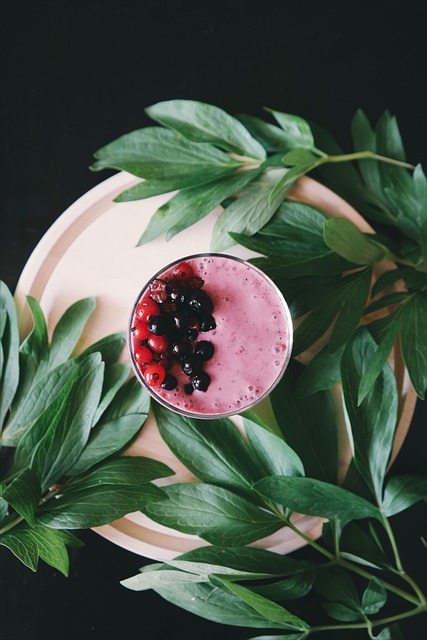
The concept of a "gentle daily cleanse" through smoothies is not about extreme detoxification, but rather about supporting the body's intrinsic physiological processes with nutrient-dense, fiber-rich foods. The proposed benefits are grounded in the established functions of specific food components, though the evidence for their combined effect in a smoothie format is often extrapolated from broader dietary studies.
Core Mechanisms of Action
The primary mechanisms by which smoothie ingredients may support systemic function include:
- Dietary Fiber: Soluble fiber (e.g., from oats, chia seeds, apples) forms a gel, slowing gastric emptying and moderating blood sugar response. Insoluble fiber (e.g., from leafy greens, celery) adds bulk to stool, supporting regular bowel motility. This is the most robustly supported mechanism.
- Phytonutrients & Antioxidants: Compounds like flavonoids in berries and polyphenols in spinach and kale help mitigate oxidative stress, a contributor to cellular aging and inflammation. Evidence for this is strong at the cellular and observational dietary level.
- Enzyme & Prebiotic Support: Ingredients like pineapple (bromelain) and ginger (gingerol) possess natural enzymes and bioactive compounds that may aid digestion and have anti-inflammatory properties. Raw greens provide prebiotic fibers that nourish beneficial gut microbiota.
Evaluating the Evidence
It is crucial to distinguish between the proven benefits of individual nutrients and the specific claim of a "cleansing" smoothie. High-quality evidence consistently supports diets rich in fruits, vegetables, and whole grains for improved metabolic health, gut function, and reduced inflammation. Smoothies can be an efficient vehicle for these foods.
However, direct, long-term randomized controlled trials on "cleansing smoothies" are limited. Most supportive data comes from short-term studies on increased fruit/vegetable intake or specific ingredients. The synergistic effect of combined ingredients in a blended form is plausible but not conclusively proven to be superior to consuming the same foods whole.
Important Cautions: Individuals with kidney disease need to be mindful of high-potassium ingredients like spinach and bananas. Those with fructose malabsorption or IBS may need to moderate high-FODMAP fruits. Anyone with a history of eating disorders, diabetes, or on blood-thinning medication (due to vitamin K in greens) should consult a physician or dietitian before making significant dietary changes.
3. Potential Risks and Contraindications

While incorporating nutrient-dense smoothies can be a positive dietary addition, it is essential to approach the concept of "gentle daily cleansing" with clinical caution. The term "cleansing" is not a recognized medical concept for individuals with healthy, functioning organs. The body's liver, kidneys, and gastrointestinal tract are highly efficient at detoxification and elimination. Viewing smoothies as a supportive part of a balanced diet, rather than a standalone "cleanse," is a more evidence-based and safer perspective.
Several specific risks and contraindications must be considered:
- Nutrient and Caloric Inadequacy: Replacing multiple meals with smoothies can lead to insufficient intake of calories, protein, fiber, and essential fats, potentially causing fatigue, muscle loss, and nutrient deficiencies.
- Blood Sugar Management: Recipes high in fruit and fruit juices can cause significant spikes in blood glucose. Individuals with insulin resistance, prediabetes, or diabetes should consult a healthcare provider or dietitian to modify recipes appropriately, prioritizing non-starchy vegetables and healthy fats and proteins.
- Gastrointestinal Distress: A sudden, large increase in dietary fiber from ingredients like leafy greens, chia seeds, or flaxseeds can cause bloating, gas, and abdominal discomfort. It is advisable to increase fiber intake gradually and ensure adequate water consumption.
- Drug-Nutrient Interactions: High-vitamin K foods like spinach and kale can interfere with the efficacy of blood-thinning medications like warfarin. Individuals on such medications require consistent vitamin K intake and must discuss dietary changes with their physician.
- Kidney Function: Smoothies with high levels of potassium (from bananas, leafy greens) or oxalates (from spinach, beet greens) may need to be limited or avoided by individuals with chronic kidney disease.
Clinical Insight: From a medical standpoint, the greatest risk often lies in the potential for these practices to mask or exacerbate underlying conditions. For individuals with a history of disordered eating, focusing on "cleansing" can trigger harmful patterns. Furthermore, relying on smoothies for perceived detoxification may delay the diagnosis and treatment of legitimate medical issues like food intolerances, SIBO, or hormonal imbalances. Always prioritize whole foods and dietary patterns over isolated "cleansing" protocols.
Who Should Exercise Particular Caution or Seek Advice First? It is strongly recommended that the following individuals consult a qualified healthcare professional—such as a physician or registered dietitian—before making significant dietary changes:
- Pregnant or breastfeeding women.
- Individuals with known chronic conditions (e.g., diabetes, kidney disease, liver disease, gastrointestinal disorders).
- Those taking prescription medications, especially blood thinners, diuretics, or drugs for blood pressure and diabetes.
- Anyone with a history of eating disorders.
- Individuals preparing for or recovering from surgery.
In summary, while the recipes may offer nutritional benefits, they are not without potential drawbacks. A balanced, individualized approach, guided by professional advice when needed, is the safest path to incorporating them into a health-supportive lifestyle.
4. Practical Application and Recipe Integration
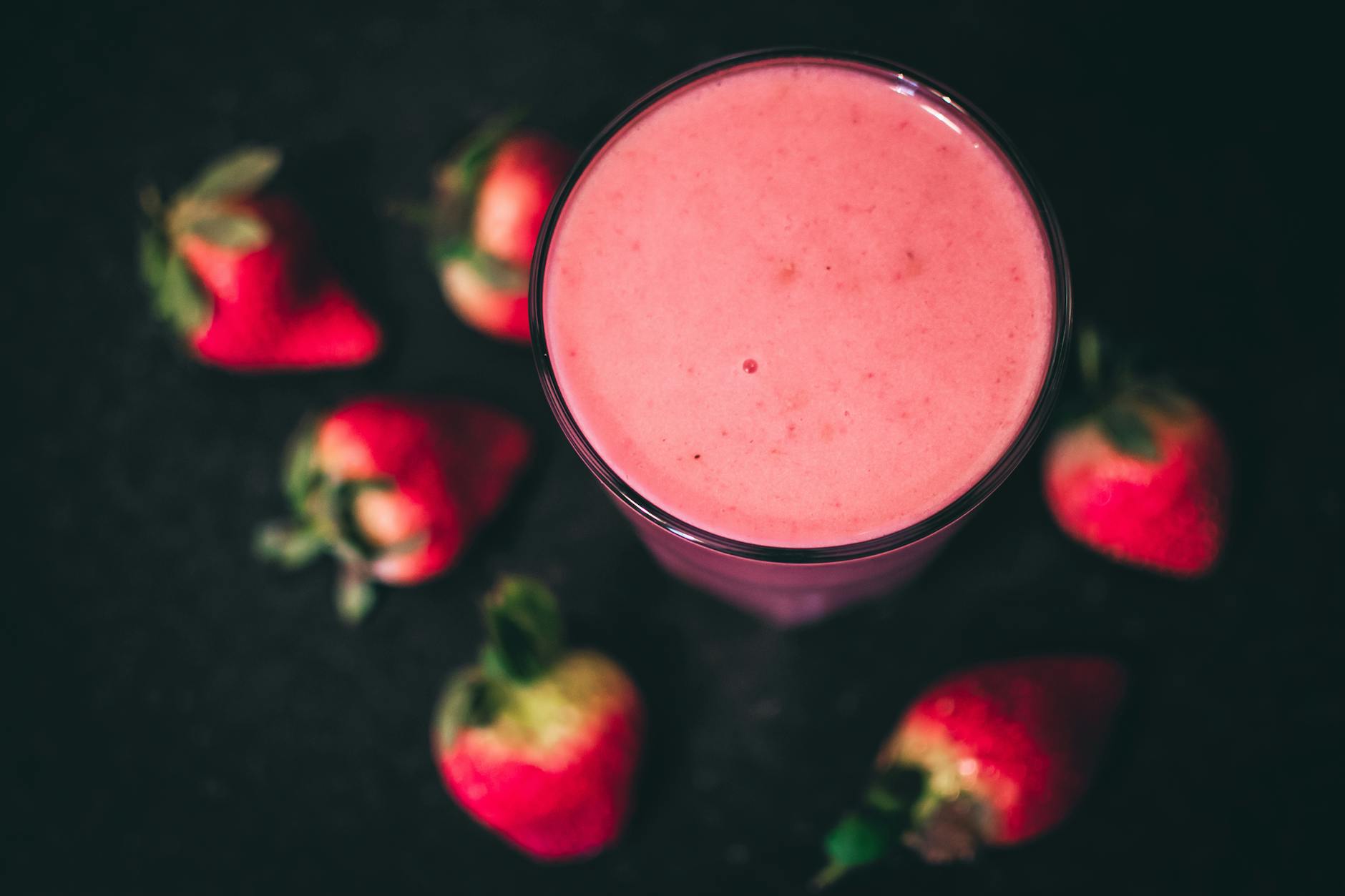
Integrating smoothies into a daily routine requires a practical, evidence-based approach. The goal is to use them as a nutrient-dense component of a balanced diet, not as a sole source of nutrition or a rapid "detox." The recipes provided in this article are designed to be gentle, focusing on hydration, fiber, and phytonutrients.
For optimal integration, consider these principles:
- Timing: A smoothie can serve as a convenient breakfast or a satisfying snack. Consuming it with a meal can help modulate blood sugar response due to the combined fiber, fat, and protein.
- Hydration: Use these recipes as part of your daily fluid intake. The high water content from fruits, vegetables, and liquids contributes to hydration, which is fundamental for all bodily processes.
- Listen to Your Body: Introduce one new recipe at a time and observe your digestive response, especially when increasing fiber intake.
Clinical Perspective: From a nutritional standpoint, these smoothies are best viewed as a tool to increase intake of whole fruits, vegetables, and other functional foods. The evidence for "cleansing" is largely indirect, stemming from the benefits of adequate fiber for gut motility and antioxidants for reducing oxidative stress. They are not a substitute for medical treatment for any condition.
It is crucial to acknowledge who should exercise caution. Individuals with kidney disease, particularly those on potassium-restricted diets, should consult a doctor or renal dietitian before using recipes high in bananas, spinach, or other high-potassium ingredients. Those with fructose malabsorption or irritable bowel syndrome (IBS) may need to modify recipes to avoid high-FODMAP ingredients. Anyone with a history of eating disorders should approach any structured dietary plan under professional guidance.
Finally, view these recipes as templates. If a specific ingredient is not tolerated or unavailable, substitutions can be made while maintaining the core nutritional principles—swap spinach for kale, almond milk for oat milk, or chia seeds for ground flaxseed. The objective is sustainable, enjoyable nutrition that supports overall well-being without extreme restriction.
5. When to Consult a Healthcare Professional

While incorporating nutrient-dense smoothies can be a positive dietary choice, it is crucial to approach any dietary change, even one framed as "gentle cleansing," with clinical awareness. The concept of "cleansing" is not a recognized medical term and can sometimes be associated with restrictive or extreme dietary practices lacking robust scientific support. Therefore, consulting a healthcare professional is a prudent step for many individuals.
You should consider scheduling a consultation with your physician or a registered dietitian in the following circumstances:
- Pre-existing Medical Conditions: If you have kidney disease, liver disease, diabetes, gastrointestinal disorders (like IBS or Crohn's), or a history of eating disorders. Dietary shifts in potassium, fiber, or sugar content can significantly impact these conditions.
- Medication Use: If you are on prescription medications, especially blood thinners (like warfarin), certain heart medications, or drugs for diabetes or thyroid conditions. Some ingredients, particularly leafy greens high in vitamin K or fruits like grapefruit, can interact with medications.
- Pregnancy or Breastfeeding: Nutritional needs are specific during these periods. Some herbal additions or high-dose supplements sometimes included in "cleansing" protocols are contraindicated.
- Experiencing Adverse Symptoms: If you develop persistent bloating, abdominal pain, diarrhea, constipation, headaches, or fatigue after starting new dietary routines.
- Intent for Weight Loss or Detoxification: If your primary goal is significant weight loss or "detoxing," a professional can provide evidence-based guidance. The body's liver and kidneys are highly efficient natural detoxification systems; extreme diets are unnecessary and can be harmful.
Clinical Perspective: From a medical standpoint, the most sustainable "cleansing" is supporting the body's innate systems through consistent, balanced nutrition and hydration. Smoothies can be a convenient vehicle for fruits, vegetables, and fiber, but they should complement, not replace, whole foods in a varied diet. Be wary of plans that promote prolonged fasting, excessive laxative use, or the elimination of entire food groups without medical cause.
In summary, while the recipes discussed may offer a healthful boost, they are not a substitute for professional medical advice. A healthcare provider can help you contextualize these dietary tools within your personal health profile, ensuring any changes are safe, appropriate, and effective for your individual needs.
6. Questions & Expert Insights
Can a daily "cleansing" smoothie truly detoxify my body?
The term "detoxify" is often used loosely in wellness circles. From a clinical perspective, your liver, kidneys, lungs, and gastrointestinal tract are your body's sophisticated, built-in detoxification systems. No single food or drink can enhance their function beyond their normal, optimal capacity. The value of nutrient-dense smoothies lies in supporting these organs by providing essential vitamins, minerals, antioxidants, and fiber, which may reduce the overall toxic burden from processed foods and environmental exposures. Think of these recipes not as a "cleanse" but as a dietary pattern that supports systemic health by increasing intake of whole foods and phytonutrients. The evidence for specific "detox" claims is generally weak, but the evidence for the health benefits of a diet rich in fruits, vegetables, and fiber is robust.
What are the potential risks or side effects of daily cleansing smoothies?
While generally safe for most people, there are important considerations. High-oxalate greens like spinach or Swiss chard, when consumed in very large, concentrated quantities daily, can contribute to kidney stone formation in susceptible individuals. Sudden, large increases in fiber can cause significant bloating, gas, or abdominal discomfort. For those with blood sugar dysregulation, smoothies can cause a rapid glucose spike if they are fruit-heavy and lack protein, fat, or fiber to slow absorption. Most critically, relying on liquid meals can be psychologically and physically problematic for individuals with or at risk for disordered eating patterns, as it can promote an unhealthy relationship with solid food.
Who should avoid or be very cautious with this approach?
Several groups should consult a healthcare provider before making significant dietary changes. This includes individuals with chronic kidney disease (due to potassium and oxalate content), those on blood thinners like warfarin (due to variable vitamin K levels in leafy greens affecting INR), and people with fructose malabsorption or IBS (who may react to high-FODMAP fruits). Those with diabetes or prediabetes need to carefully manage carbohydrate content. Pregnant or breastfeeding individuals should ensure the recipes meet their specific caloric and nutrient needs. Anyone with a history of an eating disorder should avoid regimens labeled "cleansing," as they can trigger relapse.
When should I talk to my doctor, and what should I discuss?
You should schedule a conversation with your doctor or a registered dietitian before starting if you have any chronic health condition (e.g., diabetes, kidney disease, GI disorders) or are on regular medication. Come prepared to discuss: 1) Your complete medical history and current medications/supplements, 2) The specific ingredients and approximate quantities you plan to use regularly, and 3) Your goals (e.g., "increase vegetable intake," "improve digestion"). This allows your provider to assess for nutrient-drug interactions (e.g., vitamin K and warfarin, high potassium with certain blood pressure medications) and tailor advice to your health status. They can help you frame this as part of a sustainable eating pattern, not a short-term cleanse.
7. In-site article recommendations
8. External article recommendations
9. External resources
The links below point to reputable medical and evidence-based resources that can be used for further reading. Always interpret them in the context of your own situation and your clinician’s advice.
-
mayoclinic mayoclinic.orgsmoothie recipes – Mayo Clinic (search)
-
examine examine.comsmoothie recipes – Examine.com (search)
-
healthline healthline.comsmoothie recipes – Healthline (search)
These external resources are maintained by third-party organisations. Their content does not represent the editorial position of this site and is provided solely to support readers in accessing additional professional information.