
1. Introduction to Natural Detoxification in Clinical Context
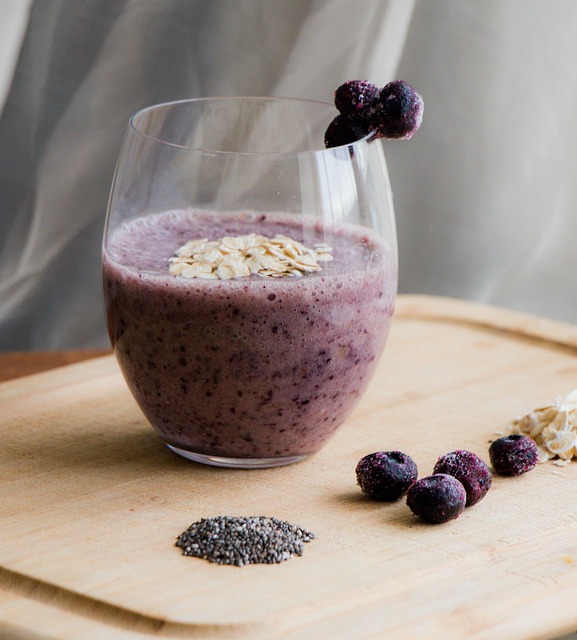
In clinical and physiological terms, "detoxification" refers to the body's innate, continuous biochemical processes for neutralizing and eliminating metabolic waste products, environmental toxins, and exogenous compounds. This complex work is performed primarily by the liver, kidneys, gastrointestinal tract, skin, and lungs. The goal of a "natural detox" approach, therefore, is not to replace these systems but to support their optimal function through evidence-based nutrition and lifestyle choices.
The concept of dietary detoxification is often surrounded by commercial claims that lack scientific rigor. It is crucial to distinguish between:
- Strongly Supported Physiology: The liver's phase I and II enzymatic pathways that process toxins for excretion, and the role of antioxidants from whole foods in mitigating oxidative stress—a byproduct of these processes.
- Areas of Mixed or Preliminary Evidence: The specific efficacy of certain "detox" diets or juices for removing stored environmental toxins in humans. While some ingredients show promise in cell or animal studies, robust, long-term human clinical trials are often lacking.
A clinically responsible approach focuses on providing the organs with the nutrients they require to function efficiently. This includes adequate hydration, dietary fiber for regular bowel elimination, and phytonutrients that may upregulate the body's own detoxification enzymes. The smoothie recipes discussed in subsequent chapters are formulated with this supportive principle in mind, featuring ingredients like cruciferous vegetables, citrus, and herbs with documented bioactive compounds.
Clinical Perspective: From a medical standpoint, supporting detoxification is synonymous with supporting foundational health. It is not an acute "cleanse" but a sustained practice. We prioritize foods rich in sulfur-containing amino acids (e.g., from kale), flavonoids (e.g., from berries), and adequate protein, which is essential for producing the enzymes that drive detoxification pathways. Extreme fasting or restrictive juice cleanses can be counterproductive and are not recommended.
Important Considerations & Cautions: Individuals with pre-existing kidney or liver disease, those who are pregnant or breastfeeding, people with a history of eating disorders, or anyone on multiple medications should consult their physician or a registered dietitian before significantly altering their diet. "Detox" regimens are not substitutes for medical treatment for toxicity or organ dysfunction.
This chapter establishes the scientific framework for understanding how targeted nutrition can play a role in maintaining the body's intrinsic detoxification capacity, setting the stage for practical, recipe-based applications.
2. Mechanisms and Evidence for Detox-Enhancing Ingredients

The term "detox" in popular health culture often lacks scientific precision. In a clinical context, it refers to the body's intrinsic, continuous processes for neutralizing and eliminating metabolic waste, environmental toxins, and dietary byproducts. The liver, kidneys, gastrointestinal tract, and skin perform these functions. The goal of including specific ingredients in a dietary regimen is not to "force" a detox but to provide nutritional substrates that support the efficiency and resilience of these endogenous systems.
Key ingredients in detox-focused smoothies are typically selected for their roles in two primary physiological pathways:
- Phase I and II Liver Detoxification: This enzymatic process converts fat-soluble toxins into water-soluble compounds for excretion. Cruciferous vegetables (e.g., kale, broccoli) contain glucosinolates, which are metabolized into compounds like sulforaphane. Human and animal studies suggest sulforaphane may upregulate Phase II detoxification enzymes, enhancing the elimination of certain carcinogens.
- Antioxidant and Anti-inflammatory Support: Toxin exposure can increase oxidative stress. Ingredients rich in antioxidants, such as berries (anthocyanins) and citrus fruits (vitamin C, flavonoids), help neutralize free radicals, potentially reducing cellular damage and supporting overall organ function.
The evidence for these mechanisms varies in strength. Support for sulforaphane is relatively robust within cell and animal models, with promising but more limited data from human trials. The antioxidant benefits of fruits are well-established for general health, though direct evidence linking a single smoothie to measurable "detox" outcomes in healthy individuals is sparse. Fiber from ingredients like chia seeds or leafy greens supports the gastrointestinal component of detoxification by promoting regular bowel movements and binding to certain waste products for excretion.
Clinical Perspective: It is crucial to frame these ingredients as part of a supportive, nutrient-dense diet, not as a standalone "cleanse." The body's detoxification systems are always active. There is no high-quality evidence that short-term "detox" regimens remove accumulated toxins more effectively than the body's own processes supported by consistent healthy habits. The value lies in the cumulative benefit of regular consumption.
Who Should Exercise Caution: Individuals with kidney disease must be mindful of high-potassium ingredients like spinach and bananas. Those on blood thinners (e.g., warfarin) should maintain consistent vitamin K intake (found in leafy greens) to avoid interfering with medication efficacy. Anyone with a history of oxalate kidney stones should moderate high-oxalate greens like spinach. As always, significant dietary changes should be discussed with a physician or a registered dietitian.
3. Contraindications and Populations at Risk

While incorporating nutrient-dense smoothies can be a positive dietary choice, it is clinically essential to recognize that certain ingredients and dietary patterns may pose risks for specific populations. The concept of "detoxification" is often overstated in popular media; the body's hepatic and renal systems are primarily responsible for this function. However, the concentrated nutrients, bioactive compounds, and potential for significant caloric or sugar intake in smoothies require careful consideration.
Specific Medical Conditions Requiring Caution
Individuals with the following conditions should consult a physician or registered dietitian before significantly altering their diet with high-nutrient smoothies:
- Chronic Kidney Disease (CKD): Smoothies high in potassium (e.g., from spinach, bananas) or phosphorus (e.g., from nuts, seeds) can be dangerous for those with impaired renal function, potentially leading to hyperkalemia or hyperphosphatemia.
- Diabetes or Prediabetes: Even smoothies made from whole fruits contain a concentrated dose of natural sugars (fructose), which can cause rapid spikes in blood glucose. Careful carbohydrate counting and ingredient selection are crucial.
- Gastrointestinal Disorders: For those with IBS, IBD, or gastroparesis, high-fiber ingredients (e.g., cruciferous vegetables, flaxseeds) and certain FODMAPs (e.g., mango, apple) can exacerbate symptoms like bloating, gas, and abdominal pain.
- Liver Disease: While often marketed for "liver support," the metabolic load of certain compounds in large quantities may be poorly tolerated by a compromised liver. Medical supervision is advised.
Medication Interactions and Nutritional Risks
Certain smoothie ingredients can interfere with medication efficacy. For example, high amounts of vitamin K-rich leafy greens (kale, spinach) can antagonize the anticoagulant effect of warfarin. Furthermore, using smoothies as meal replacements without proper nutritional balance can lead to deficiencies in protein, essential fats, or other micronutrients not present in the recipe.
Clinical Perspective: From a medical standpoint, the greatest risk often lies not in the smoothie itself, but in the potential for it to displace a more balanced meal or to create a false sense of "cleansing" that leads individuals to delay necessary medical care. There is no high-quality evidence that smoothies "enhance detox" beyond supporting general nutrition. The priority should always be on how these recipes fit into an individual's complete dietary pattern and health status.
Populations Needing Special Consideration
- Pregnant and Breastfeeding Women: Needs for specific nutrients increase, but so do vulnerabilities. Certain herbs or high-dose supplements sometimes added to "detox" blends may be contraindicated. Food safety (e.g., washing produce thoroughly) is paramount.
- Individuals with a History of Eating Disorders: An intense focus on "clean" ingredients and detoxification can trigger or exacerbate disordered eating patterns.
- Those on Multiple Medications (Polypharmacy): The bioactive phytochemicals in many fruits and vegetables have drug-like properties and may alter the metabolism of prescription drugs.
The most evidence-based approach is to view these smoothie recipes as potential components of a varied diet, not as therapeutic interventions. Anyone with a diagnosed medical condition or taking regular medication should seek personalized advice from a healthcare provider before making significant dietary changes.
4. Practical Implementation and Dietary Integration

Integrating smoothies into your dietary pattern requires a thoughtful approach to ensure they complement, rather than disrupt, overall nutritional balance. The goal is to use these recipes as nutrient-dense additions or replacements for less optimal choices, not as a sole source of nutrition.
For sustainable implementation, consider the following strategies:
- Timing: A smoothie can serve as a convenient breakfast or a post-exercise recovery meal. Its liquid form may lead to quicker satiety dissipation, so pairing it with a source of solid protein or fiber (e.g., a handful of nuts) can promote longer-lasting fullness.
- Portion Control: Be mindful of total caloric and sugar intake. While ingredients like fruits and greens are beneficial, large smoothies can contribute significant calories. Adhere to the recipe portions and consider them a meal, not a beverage alongside a meal.
- Dietary Context: These smoothies are most effective within a consistently healthy diet rich in whole foods, lean proteins, and healthy fats. They are not a substitute for a varied diet or a method to "compensate" for highly processed food intake.
Clinical Perspective: From a nutritional standpoint, "detox" is best understood as supporting the body's inherent hepatic and renal pathways through adequate hydration, fiber, and phytonutrients. The evidence for specific "detox smoothies" is largely extrapolated from studies on individual ingredients (e.g., cruciferous vegetables, berries) and their roles in antioxidant and phase II enzyme support. Direct, high-quality trials on smoothie formulations for "detox" outcomes in humans are limited.
Important Cautions and Contraindications:
Individuals with certain medical conditions should exercise caution or consult a healthcare provider before making significant dietary changes:
- Kidney Disease: Those with impaired kidney function, particularly on potassium-restricted diets, must be wary of high-potassium ingredients like spinach, bananas, and certain seeds.
- Blood Sugar Disorders: People with diabetes or insulin resistance should account for the carbohydrate and sugar content of smoothies, potentially reducing higher-glycemic fruits and including more protein, fat, and fiber to blunt glycemic response.
- Digestive Issues: The high fiber content, especially from ingredients like kale or flaxseed, may exacerbate symptoms in individuals with irritable bowel syndrome (IBS) or inflammatory bowel disease (IBD) during a flare.
- Medication Interactions: High-vitamin K foods (e.g., kale, spinach) can interfere with blood-thinning medications like warfarin. Consistency in intake is key; sudden large increases should be avoided.
Always discuss the incorporation of new dietary regimens with a physician or registered dietitian, particularly if you have pre-existing health conditions or are pregnant or breastfeeding.
5. Safety Protocols and Indications for Medical Consultation

While incorporating nutrient-dense smoothies can be a positive dietary choice, it is essential to approach the concept of "detoxification" with clinical precision. The human body possesses highly efficient, endogenous detoxification systems primarily involving the liver, kidneys, gastrointestinal tract, and skin. The evidence supporting specific food combinations to "enhance" this complex physiological process beyond normal nutritional support is often preliminary or mixed. Therefore, these recipes should be viewed as supportive components of a balanced diet, not as standalone therapeutic interventions.
Adhering to basic safety protocols is paramount for responsible use. Consider the following guidelines:
- Ingredient Awareness: Be mindful of potential allergies or intolerances to any component (e.g., nuts, dairy alternatives, specific fruits). Introduce new ingredients gradually.
- Sugar Content: Even natural sugars from fruit and juices can significantly impact blood glucose. Monitor total carbohydrate intake, especially if using multiple servings.
- Food Safety: Use fresh, properly washed produce and follow safe food handling practices to minimize the risk of foodborne illness.
- Supplement Caution: Do not add non-prescribed powders, herbs, or supplements to these recipes without consulting a healthcare provider, due to risks of contamination, dosage errors, and drug interactions.
Clinical Perspective: In practice, clinicians distinguish between supporting hepatic and renal function through nutrition and unsubstantiated "detox" claims. The former involves ensuring adequate protein, vitamins, and antioxidants for metabolic pathways. The latter often lacks rigorous evidence and can distract from proven health fundamentals. These smoothies are best framed as convenient vehicles for whole-food nutrients.
Certain individuals should consult a physician or a registered dietitian before making significant dietary changes, including the regular use of these smoothies. This is strongly advised for those with:
- Chronic kidney disease (concerns with potassium or oxalate load from leafy greens).
- Diabetes or prediabetes (requires careful carbohydrate management).
- Active gastrointestinal disorders (e.g., IBS, IBD, where high-FODMAP ingredients may trigger symptoms).
- Liver disease, to ensure dietary modifications align with their specific therapeutic plan.
- Pregnancy or lactation.
- Any condition requiring a therapeutic or restricted diet, or those taking medications with dietary interactions (e.g., warfarin and vitamin K).
Finally, these recipes are not intended to replace meals consistently without professional guidance, as they may lack complete macronutrient and caloric balance. If you experience any adverse symptoms such as digestive distress, allergic reactions, or unusual changes in energy levels, discontinue use and seek medical advice.
6. Questions & Expert Insights
What does "detox" actually mean in a scientific context?
In clinical terms, "detoxification" refers to the liver's continuous, complex biochemical processes of neutralizing and eliminating toxins and metabolic waste. The body's endogenous systems—primarily the liver, kidneys, skin, lungs, and gastrointestinal tract—perform this function efficiently without requiring special interventions. When used in nutritional science, "supporting natural detox" typically means providing nutrients that act as cofactors for these enzymatic pathways or that support the organs involved. For instance, cruciferous vegetables contain compounds like sulforaphane that may upregulate Phase II liver detoxification enzymes. The goal of these smoothies is not to "flush" toxins but to ensure the body has the nutritional building blocks it needs to perform its innate functions optimally. It's a supportive, not a replacement, strategy.
Are there any risks or people who should avoid these detox smoothies?
Yes, certain individuals should exercise caution or avoid these recipes without medical consultation. Key considerations include:
- Kidney Disease: Recipes high in potassium (e.g., from spinach, bananas) or oxalates (e.g., spinach, beet greens) can be problematic for those with impaired kidney function.
- Blood Thinners (e.g., Warfarin): Sudden, large increases in vitamin K from leafy greens can interfere with medication efficacy.
- Diabetes or Blood Sugar Dysregulation: The natural sugars in fruits, even when blended with fiber, can cause significant blood glucose spikes if portions are not carefully managed.
- Digestive Disorders (IBS, SIBO): High FODMAP ingredients like mango, apple, or certain fibers may trigger bloating, gas, and discomfort.
- History of Eating Disorders: Focusing on "cleansing" or "detox" can be triggering and may promote restrictive eating patterns.
For the general healthy population, these smoothies are likely safe when consumed as part of a balanced diet.
How strong is the evidence linking these specific ingredients to detoxification?
The evidence is layered and requires careful interpretation. Many ingredients have robust in vitro (test tube) and animal studies showing mechanisms that support detox pathways. For example, the compound allicin in garlic and the catechins in green tea have demonstrated hepatoprotective and enzyme-modulating effects in laboratory models. Human clinical trials, however, are more limited, often smaller in scale, short-term, or focused on specific disease states rather than general "detox" in healthy individuals. The overall benefit is likely synergistic—the combined effect of fiber promoting regular elimination, antioxidants reducing oxidative stress on organs, and phytonutrients supporting enzymatic activity. It is important to view these smoothies as one component of a healthful lifestyle, not as a standalone "detox" treatment with guaranteed, measurable outcomes in isolation.
When should I talk to my doctor, and what should I discuss?
Consult a physician or a registered dietitian before significantly changing your diet if you have any chronic health condition (e.g., kidney disease, diabetes, autoimmune disorders), are pregnant or breastfeeding, or take regular medications. Schedule the conversation specifically to discuss dietary modifications. Bring a list of the smoothie ingredients you plan to use and your current medications and supplements. Key questions to ask include:
- "Do any of these ingredients interact with my medications or condition?"
- "Are there specific nutrients in these recipes I need to monitor (e.g., potassium, vitamin K, sugar) given my health status?"
- "Is this approach appropriate as a complement to my current treatment plan?"
This proactive discussion ensures that a well-intentioned nutritional strategy does not inadvertently undermine your health or medical therapy. A doctor can help tailor the approach to your personal needs.
7. In-site article recommendations
8. External article recommendations
9. External resources
The links below point to reputable medical and evidence-based resources that can be used for further reading. Always interpret them in the context of your own situation and your clinician’s advice.
-
examine examine.comdetox smoothies – Examine.com (search)
-
healthline healthline.comdetox smoothies – Healthline (search)
-
mayoclinic mayoclinic.orgdetox smoothies – Mayo Clinic (search)
These external resources are maintained by third-party organisations. Their content does not represent the editorial position of this site and is provided solely to support readers in accessing additional professional information.