
1. Understanding the Lymphatic System and Exercise Context
The lymphatic system is a critical component of the body's circulatory and immune defenses. Unlike the cardiovascular system, which uses the heart as a central pump, the lymphatic system relies on the contraction of smooth muscle in vessel walls and external physical forces to propel its fluid, called lymph. This fluid carries waste products, cellular debris, excess proteins, and immune cells through a network of vessels and lymph nodes before returning to the venous bloodstream.
Key to its function is the one-way flow facilitated by valves within the lymphatic capillaries and collectors. Stagnation or impaired flow can contribute to tissue swelling (edema), a feeling of heaviness, and potentially compromise local immune surveillance.
Exercise influences this system through several well-understood physiological mechanisms:
- Muscle Pump Action: Rhythmic skeletal muscle contractions during movement compress nearby lymphatic vessels, mechanically pushing lymph toward the thoracic duct. This is considered the primary driver of enhanced lymphatic flow during activity.
- Increased Respiratory Rate: Deeper, more frequent breathing creates pressure changes in the thoracic cavity, which acts as a suction pump to draw lymph upward from the abdomen and limbs.
- Elevated Heart Rate and Circulation: While the lymphatic system is separate, improved overall blood circulation supports the fluid exchange that initially creates lymph in the interstitial spaces.
The evidence supporting the general benefit of physical activity for reducing edema and supporting immune function is robust. However, specific claims about "detoxification" or dramatic systemic cleansing through exercise often extrapolate beyond the data. The effect is primarily mechanical and supportive, not a cure-all.
Clinical Context: From a therapeutic standpoint, this understanding forms the basis for manual lymphatic drainage (MLD) and decongestive therapy in clinical settings for conditions like lymphedema. The strategic exercises discussed in subsequent chapters aim to safely harness these same physiological principles for general maintenance and mild symptomatic relief.
It is crucial to note that individuals with diagnosed lymphedema, congestive heart failure, active infection, acute deep vein thrombosis (DVT), or uncontrolled hypertension should consult their physician or a certified lymphedema therapist before beginning any new exercise regimen. Exercise is generally beneficial, but the type, intensity, and use of compression garments must be carefully tailored to these conditions to avoid harm.
2. Evidence-Based Mechanisms of Exercise on Lymphatic Flow
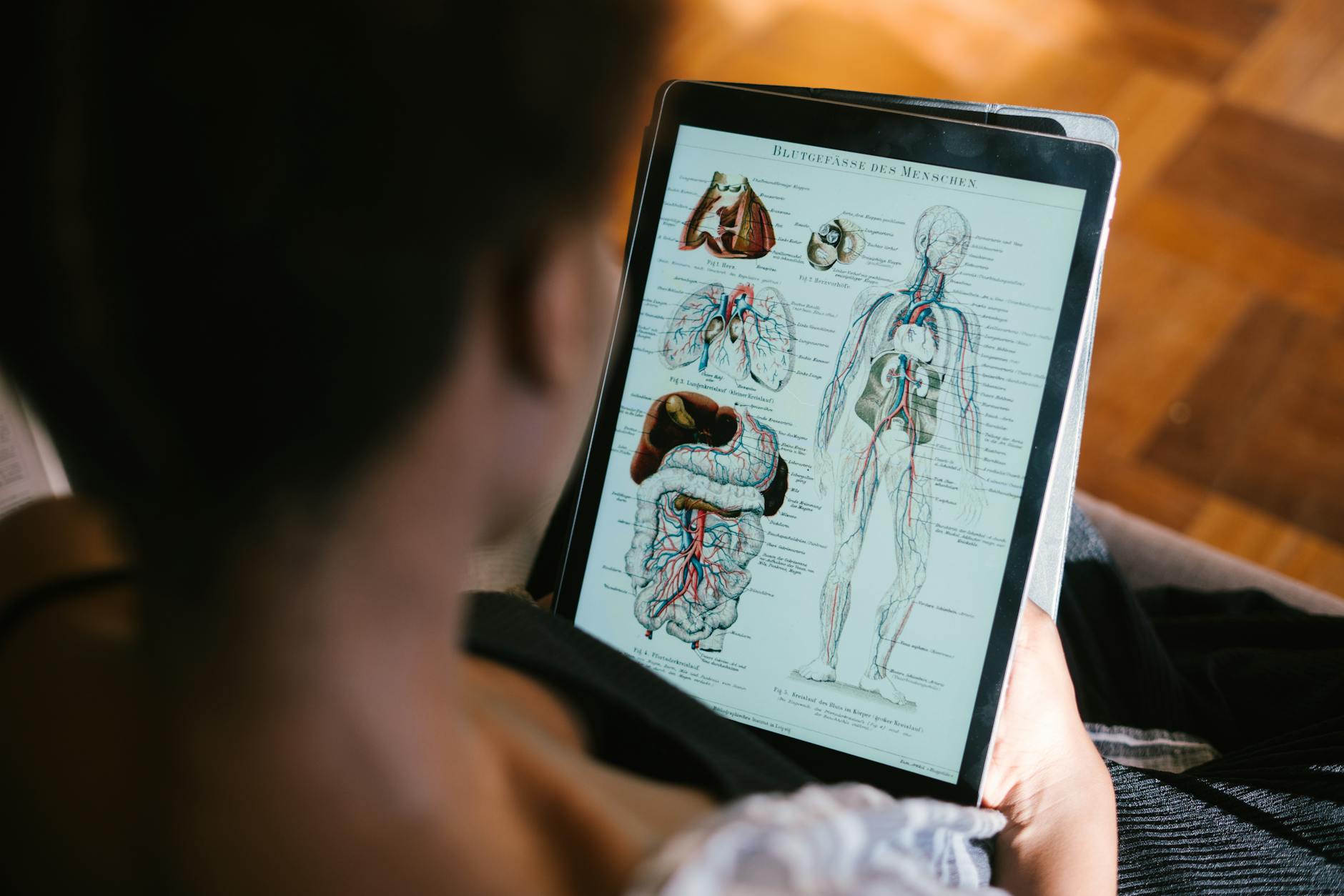
The lymphatic system, a critical component of immune function and fluid balance, lacks a central pump like the heart. Instead, it relies on intrinsic contractions of lymphatic vessels and extrinsic forces from surrounding muscle activity and respiration. Exercise is a primary extrinsic driver, enhancing lymph flow through several well-documented physiological mechanisms.
Primary Mechanical Drivers
The most direct evidence supports the role of skeletal muscle contraction. As muscles contract and relax during movement, they rhythmically compress nearby initial lymphatic vessels. This creates a pressure gradient that propels lymph into deeper collecting vessels, a process known as the "muscle pump" effect. This mechanism is particularly effective in the limbs.
Diaphragmatic breathing during exercise provides a second powerful pump. The descent of the diaphragm during inhalation increases intra-abdominal pressure while decreasing intrathoracic pressure, creating a suction effect that draws lymph upward from the abdomen into the thoracic duct and subsequently into the venous circulation.
Systemic and Circulatory Effects
Exercise also influences lymphatic function indirectly through systemic changes:
- Increased Cardiac Output and Blood Flow: Enhanced arterial circulation raises capillary filtration, slightly increasing the production of interstitial fluid, which is the precursor to lymph. This provides more volume for the lymphatic system to transport.
- Elevated Sympathetic Tone: Moderate exercise increases sympathetic nervous system activity, which can stimulate the rate of intrinsic contractions in lymphatic collecting vessels, potentially increasing flow.
Clinical Insight: While the mechanical "pump" mechanisms are strongly supported, evidence for the optimal type, intensity, and duration of exercise for maximal lymphatic benefit is more nuanced. Most research is based on acute studies in healthy individuals or those with mild lymphedema. The long-term adaptive benefits for chronic conditions require more robust, longitudinal data.
Evidence Considerations and Cautions
It is important to distinguish between established physiological principles and application-specific evidence. The mechanisms described are broadly accepted in physiology. However, translating this into therapeutic protocols for conditions like post-cancer lymphedema requires careful, individualized prescription.
Individuals with existing lymphatic dysfunction (e.g., diagnosed lymphedema), cardiovascular conditions, or who are new to exercise should consult a physician or a certified lymphedema therapist before beginning a new routine. Overly strenuous activity in susceptible individuals can potentially exacerbate fluid accumulation.
3. Contraindications and Populations Requiring Caution
While the strategic exercise routines discussed in this article are generally safe for most individuals, they are not universally appropriate. A foundational principle of clinical practice is to first do no harm, which necessitates identifying individuals for whom these activities may pose a risk. The following contraindications and populations require specific caution and, in most cases, direct medical clearance.
Absolute and Relative Contraindications
Certain medical conditions create a high-risk scenario where lymphatic-focused exercise should be avoided or significantly modified under specialist supervision.
- Active Infection or Fever: Exercise can temporarily increase circulation and potentially disseminate an active bacterial or viral infection. Rest is indicated until the acute phase has fully resolved.
- Acute Deep Vein Thrombosis (DVT) or Pulmonary Embolism (PE): Any form of exercise, particularly those involving muscle pumping, is contraindicated until a physician confirms the clot is stable or resolved, due to the risk of embolization.
- Uncontrolled Heart Failure: The fluid shifts encouraged by exercise can place excessive strain on a compromised cardiovascular system.
- Recent Surgery or Acute Injury: Exercise must be avoided in the affected area until cleared by a surgeon or physiotherapist to prevent disrupting healing, causing bleeding, or damaging surgical repairs like lymphatic anastomoses.
Populations Requiring Medical Consultation
For individuals with the following conditions, a pre-exercise evaluation with a relevant healthcare provider is essential to tailor activities and establish safe parameters.
- Established Lymphedema: While movement is a cornerstone of management, improper technique or excessive intensity can trigger swelling. Guidance from a certified lymphedema therapist is crucial.
- Chronic Kidney or Liver Disease: Impaired fluid and electrolyte balance requires careful monitoring. The type and intensity of exercise must be individually prescribed.
- Cancer Patients (Active Treatment or Recovery): Effects of surgery, radiation, chemotherapy, and fatigue levels vary greatly. Oncology rehabilitation specialists can design safe, effective routines.
- Severe Osteoarthritis or Osteoporosis: Impact or load-bearing exercises must be modified to protect vulnerable joints and bones.
- Pregnancy: While gentle movement is beneficial, positions that compress the abdomen or involve lying supine after the first trimester should be avoided. Obstetrician approval is recommended.
Clinical Perspective: The principle of individualization is paramount. A "one-size-fits-all" approach to exercise, even for lymphatic benefit, is clinically irresponsible. A thorough history is the first step. For patients with complex medical backgrounds, a referral to a physiatrist (physical medicine and rehabilitation physician) or a physical therapist with relevant expertise can ensure an exercise prescription that maximizes benefit while mitigating risk.
In summary, the decision to begin any new exercise regimen should be made in consultation with a qualified healthcare professional who understands your complete medical history. This step is not a barrier to wellness but a critical safeguard for it.
4. Strategic Exercise Routines for Lymphatic Drainage

Unlike the cardiovascular system, the lymphatic system lacks a central pump. It relies on the contraction of surrounding muscles and the movement of joints to propel lymph fluid. Therefore, strategic exercise is a foundational, evidence-supported method for supporting lymphatic function. The goal is to stimulate gentle, rhythmic contractions in major muscle groups, particularly those adjacent to key lymph node clusters.
Three core routines form a balanced, safe approach:
- Low-Impact Rhythmic Movement: Activities like brisk walking, swimming, stationary cycling, or using an elliptical trainer are highly effective. The consistent, rhythmic muscle contractions act as a pump for the superficial lymphatic vessels. Evidence strongly supports regular aerobic exercise for reducing lymphedema flare-ups and improving symptoms in individuals with compromised lymphatic systems.
- Dynamic Stretching and Mobility: Gentle, flowing movements that take joints through their full range of motion—such as in tai chi, yoga, or simple arm/leg circles—create pressure changes that facilitate lymph flow. This is particularly beneficial for areas like the axilla (armpit) and groin, where major lymph node groups reside. While clinical data is more preliminary for these specific modalities, the biomechanical principle is well-founded.
- Diaphragmatic Breathing: Often overlooked, deep breathing is a powerful lymphatic stimulant. The diaphragm acts as a primary pump for the thoracic duct, the largest lymphatic vessel in the body. Practicing slow, deep breaths creates a pressure gradient that draws lymph upward toward the venous system for return to circulation.
Clinical Perspective: The key is consistency and moderation. For individuals with existing lymphedema or at risk (e.g., post-cancer surgery), a gradual, supervised progression is critical. Overly strenuous or high-impact exercise can increase blood flow faster than the lymphatic system can manage, potentially worsening swelling. The principle of "start low, go slow" is paramount.
It is essential to note that while exercise is a cornerstone of lymphatic health management, it is not a standalone cure for medical conditions like chronic lymphedema. Individuals with known lymphatic disorders, cardiovascular issues, or who are recovering from surgery should consult their physician or a certified lymphedema therapist before beginning any new exercise regimen. A tailored plan that considers individual capacity and risk is the safest and most effective strategy.
5. Safety Monitoring and Indicators for Medical Consultation

While the exercise routines discussed are generally safe for healthy individuals, a proactive approach to safety monitoring is essential. The goal is to differentiate normal post-exercise sensations from potential signs of a problem. Listening to your body and understanding key indicators for medical consultation ensures that your efforts support, rather than compromise, your health.
During and after exercise, pay close attention to the following subjective and objective signs. Some are expected, while others warrant caution.
- Normal, Expected Responses: Mild muscle fatigue, a feeling of warmth, gentle stretching sensations in connective tissues, and a temporary increase in heart rate and breathing are typical and desirable.
- Yellow Flags – Proceed with Caution or Pause: Sharp, stabbing, or shooting pain (as opposed to a dull muscular ache), significant joint discomfort, dizziness, nausea, or sudden shortness of breath. Stop the activity immediately if these occur.
- Red Flags – Seek Medical Evaluation: Persistent or worsening pain 24-48 hours after exercise, visible and unusual swelling (especially if asymmetrical), redness, or warmth in a limb, chest pain, palpitations, or severe headache. These could indicate injury, infection, or cardiovascular issues.
Clinical Insight: From a medical perspective, the lymphatic system is often involved in edema management. While exercise can be therapeutic, new or unilateral swelling, particularly in a limb, must be evaluated to rule out underlying causes like deep vein thrombosis (DVT) or lymphedema, which require specific medical management. Exercise is an adjunct, not a substitute, for diagnosis.
Certain individuals should consult a healthcare provider—such as a primary care physician, cardiologist, or physical therapist—before beginning any new exercise regimen, including lymphatic-focused routines. This is strongly advised for those with:
- Known cardiovascular, respiratory, or kidney conditions.
- Diagnosed lymphedema, chronic venous insufficiency, or a history of blood clots.
- Active infections, fever, or unexplained systemic illness.
- Recent surgery or injury.
- Pregnancy, especially with any associated complications.
The evidence supporting specific exercises for "lymphatic drainage" in healthy individuals is primarily based on physiological principles and clinical observation in patient populations. High-quality, long-term trials in general wellness contexts are limited. Therefore, a safety-first, evidence-informed approach is paramount. Use these routines as a component of overall wellness, and prioritize professional guidance for any persistent or concerning symptoms.
6. Questions & Expert Insights
Can exercise really improve lymphatic drainage, or is this just a wellness trend?
The concept is grounded in physiology. The lymphatic system lacks a central pump like the heart; it relies on muscle contractions and body movement to propel fluid. Exercise, particularly rhythmic activities that engage large muscle groups, creates internal pressure changes that stimulate lymph flow. Evidence from studies on lymphedema management, particularly post-cancer treatment, strongly supports structured exercise as a key component of therapy to reduce swelling and improve function. For the general population without lymphatic issues, the benefit is more about supporting overall circulatory and immune system health rather than "detoxifying." It's a supportive practice, not a cure-all. The limitation in broader claims often lies in extrapolating robust data from clinical populations to general wellness, where measurable outcomes are harder to define.
What are the main risks or side effects, and who should avoid these routines?
The primary risk is exacerbating an underlying condition. Individuals with diagnosed lymphedema must consult a certified lymphedema therapist before starting any new exercise, as improper activity can increase swelling. Those with active infections (like cellulitis), congestive heart failure, acute deep vein thrombosis (DVT), or uncontrolled hypertension should avoid initiating exercise for lymphatic purposes without medical clearance, as fluid shifts could strain compromised systems. People with chronic kidney disease or on diuretics need physician guidance, as fluid balance is medically managed. The general side effect of overdoing it—muscle soreness or fatigue—applies here as with any exercise. The key is gradual progression and listening to your body.
When should I talk to a doctor about my lymphatic health, and how should I prepare?
Consult a physician if you notice persistent, unexplained swelling in a limb or body part, heaviness or tightness in the skin, reduced flexibility, or if you have a history of cancer surgery involving lymph node removal. Start with your primary care doctor, who may refer you to a vascular specialist, physiatrist, or a certified lymphedema therapist. For the appointment, prepare a concise history: note when the swelling started, what makes it better or worse, any associated pain, and your complete medical and surgical history. Bring a list of all medications and supplements. This information helps differentiate benign causes from conditions like primary or secondary lymphedema, venous insufficiency, or other systemic issues, ensuring you receive an accurate diagnosis and safe, tailored guidance.
How long does it take to see noticeable benefits from lymphatic exercise?
The timeline varies significantly based on individual health status and goals. For someone managing mild lymphedema in a maintenance phase, consistent daily movement may help reduce a slight increase in swelling within a few days. For general wellness goals like feeling less "puffy" or improving circulation, subjective benefits such as reduced stiffness or a feeling of lightness might be noticed within a few weeks of consistent practice. It's important to manage expectations: these routines are best viewed as a long-term health-supporting habit, like eating vegetables, not a quick fix. Objective, measurable changes in limb volume or immune markers in healthy individuals are not well-documented in short-term studies. Consistency over months is more impactful than intensity in a single session.
7. In-site article recommendations
8. External article recommendations
9. External resources
The links below point to reputable medical and evidence-based resources that can be used for further reading. Always interpret them in the context of your own situation and your clinician’s advice.
-
wikipedia wikipedia.orglymphatic drainage – Wikipedia (search)
-
drugs drugs.comlymphatic drainage – Drugs.com (search)
-
examine examine.comlymphatic drainage – Examine.com (search)
These external resources are maintained by third-party organisations. Their content does not represent the editorial position of this site and is provided solely to support readers in accessing additional professional information.