
1. Introduction to Strategic Meal Preparation for Health Optimization
Strategic meal preparation is a systematic approach to planning, preparing, and portioning meals in advance. From a clinical and public health perspective, this practice is recognized as a behavioral tool that can support dietary adherence, which is a cornerstone of managing chronic conditions and promoting overall wellness. The core premise is not merely about saving time but about creating a structured environment that makes consistent, healthful eating the default choice.
Evidence from behavioral nutrition research suggests that environmental cues and convenience significantly influence food choices. By reducing the daily cognitive load and effort required to make healthy decisions, strategic meal prep can help individuals align their eating patterns with nutritional guidelines. Studies, often observational in nature, link consistent home cooking and planned meals with improved diet quality, including higher intake of fruits, vegetables, and whole grains, and lower consumption of ultra-processed foods, sodium, and added sugars.
The potential benefits of a well-executed strategy may include:
- Improved Dietary Adherence: Supports consistent macronutrient and calorie intake, which is crucial for goals like glycemic control in diabetes or weight management.
- Reduced Reliance on Processed Foods: Minimizes impulsive decisions that often lead to less nutritious, convenient options.
- Portion Control: Pre-portioned meals can aid in calorie awareness and prevent unintentional overeating.
However, this approach is not universally suitable without consideration. Individuals with a history of or active eating disorders, particularly those with rigid or obsessive patterns, should approach structured meal preparation with caution and under the guidance of a mental health professional. Similarly, those with specific medical conditions requiring highly flexible or symptom-responsive diets (e.g., some gastrointestinal disorders) should consult a registered dietitian or physician to adapt these techniques safely.
The following chapters will detail three specific, evidence-informed techniques. The focus will be on practical application, balanced with an objective discussion of their strengths and limitations, to help you develop a sustainable and health-optimizing routine.
2. Evidence and Mechanisms Supporting Meal Prep Efficacy

The efficacy of structured meal preparation is supported by behavioral psychology and nutritional science, not merely anecdote. The primary mechanisms through which it confers benefit involve reducing cognitive load, improving dietary quality, and enhancing self-regulation.
From a behavioral standpoint, meal prep acts as a form of implementation intention, a well-researched strategy where planning a specific action (e.g., "I will eat this pre-portioned lunch") significantly increases the likelihood of following through. It reduces the frequency of high-stress, impulsive food decisions, which are often biased toward less nutritious, convenient options.
Nutritional outcomes are supported by observational and intervention studies. Research indicates that individuals who engage in home food preparation, including planning and batch cooking, tend to have:
- Higher diet quality scores, with increased intake of fruits, vegetables, and whole grains.
- Lower average daily energy intake and reduced consumption of ultra-processed foods.
- Better adherence to specific dietary patterns, such as the Mediterranean diet, over time.
However, it is important to contextualize this evidence. Many studies are observational, meaning they show association, not direct causation. The individuals who meal prep may also possess other health-promoting traits. Randomized controlled trials specifically on "meal prep" as a defined intervention are limited in number and scale.
Clinical Perspective: In practice, meal prep is a valuable tool for supporting dietary management in conditions like type 2 diabetes, hypertension, and hyperlipidemia. By controlling ingredients and portions, it facilitates adherence to therapeutic diets. However, clinicians note that an overly rigid approach can be counterproductive for some, potentially contributing to disordered eating patterns in susceptible individuals.
For those with specific health conditions, a tailored approach is essential. Individuals with kidney disease, severe food allergies, or those on highly restrictive therapeutic diets (e.g., for celiac disease or PKU) should ensure their meal plans are reviewed by a registered dietitian or physician. The technique is generally safe, but the nutritional content of the prepped meals must align with individual medical needs.
In summary, meal preparation is a pragmatic strategy supported by sound behavioral principles and correlated with positive dietary outcomes. Its strength lies in creating a structured environment that makes healthier choices the default, easier option.
3. Risks and Contraindications for Meal Prep Approaches

While meal prepping is a powerful tool for dietary consistency, it is not without potential risks. A strategic approach requires awareness of these pitfalls to ensure safety and nutritional adequacy. The primary concerns fall into three categories: food safety, nutritional balance, and psychological impact.
Food Safety and Storage Hazards
Improper handling or storage is the most immediate risk. The evidence for safe food handling times and temperatures is robust and should be strictly followed.
- Temperature Abuse: Allowing cooked food to cool at room temperature for extended periods (the "danger zone" of 40°F–140°F / 4°C–60°C) can promote rapid bacterial growth. Meals must be refrigerated or frozen promptly.
- Extended Storage: Consuming prepped meals beyond recommended safe storage times (typically 3-4 days in the refrigerator) increases the risk of foodborne illness, even if the food appears and smells normal.
- Reheating Inconsistencies: Reheating food to an internal temperature of at least 165°F (74°C) is critical to kill potential pathogens. Microwave "cold spots" can be a hazard.
Nutritional and Metabolic Considerations
Meal prepping can inadvertently lead to nutritional deficiencies or excesses if variety is not prioritized.
- Monotonous Diets: Preparing the same meals repeatedly for convenience can limit the intake of a diverse range of vitamins, minerals, and phytonutrients. Evidence suggests dietary diversity supports a healthier gut microbiome and overall nutrient status.
- Nutrient Degradation: Some water-soluble vitamins (like Vitamin C and some B vitamins) can degrade during cooking and further decline with prolonged storage. While the overall nutritional impact is often modest, it is a consideration for those with specific deficiencies.
- Portion Distortion: Prepping large batches can sometimes lead to oversized portions, potentially contributing to unintentional caloric surplus.
Clinical Insight: From a medical perspective, meal prepping requires particular caution for certain populations. Individuals with compromised immune systems, pregnant women, the elderly, and those with chronic liver or kidney disease must be exceptionally vigilant about food safety protocols. Furthermore, individuals with a history of or active eating disorders should approach rigid meal structuring with care, as it can potentially exacerbate obsessive patterns around food control. A consultation with a registered dietitian or physician is advisable in these cases.
Psychological and Behavioral Risks
The structure of meal prepping, while beneficial for many, can have unintended psychological consequences for some.
- Reduced Flexibility & Social Friction: An overly rigid plan may create stress when unplanned social dining occurs, potentially leading to social isolation or an unhealthy relationship with food.
- Perfectionism & All-or-Nothing Thinking: If a prepped meal is missed or the plan is disrupted, it may trigger feelings of failure, leading to the abandonment of healthy eating efforts altogether.
In summary, the efficacy of meal prepping is supported by its promotion of planning and consistency. However, its success is contingent on meticulous attention to safety, a commitment to nutritional variety, and an awareness of one's personal psychological relationship with food. For most, these risks are manageable with knowledge and moderation.
4. Practical Takeaways: Three Evidence-Based Meal Prep Strategies
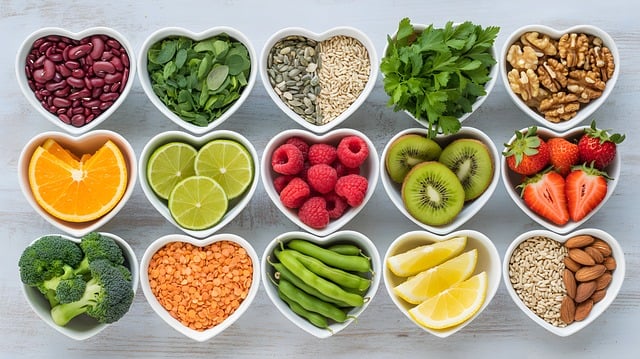
Implementing structured meal preparation can support dietary adherence and nutritional quality, which are linked to better long-term health outcomes. The following three strategies are grounded in behavioral science and nutrition principles, offering a practical framework for busy individuals.
1. The Batch-and-Base Method
This technique involves preparing large quantities of versatile, foundational components—often complex carbohydrates and lean proteins—to assemble varied meals throughout the week. Examples include roasting a tray of chicken breast, cooking a pot of quinoa or brown rice, and washing/chopping a variety of vegetables.
- Evidence Basis: Systematic reviews suggest that planning and preparing meals at home is associated with a higher diet quality score and lower body mass index. The cognitive ease of having pre-cooked components reduces reliance on ultra-processed convenience foods.
- Practical Takeaway: Dedicate 2–3 hours weekly to cook 2-3 core ingredients. Store them in clear, airtight containers for easy visibility and assembly.
2. Strategic Portioning & The "Plate Model"
After batch cooking, immediately portion meals into single-serving containers using the "Plate Model" as a visual guide: aim for half the plate non-starchy vegetables, one-quarter lean protein, and one-quarter complex carbohydrates.
- Evidence Basis: Portion control is a well-established strategy for weight management. The "Plate Model" is endorsed by public health authorities (e.g., USDA's MyPlate, Diabetes UK) as a simple tool for building balanced meals.
- Clinical Note: Individuals with specific medical conditions requiring precise macronutrient counting (e.g., type 1 diabetes, advanced kidney disease) should consult a dietitian to tailor portion sizes to their therapeutic needs.
3. The "Sauce & Seasoning" Library
Preparing a variety of sauces, dressings, and spice blends can transform basic components into distinct meals, preventing taste fatigue—a common reason for abandoning meal prep routines.
- Evidence Basis: While direct studies on "sauce libraries" are limited, research on dietary adherence consistently identifies flavor variety and palatability as key factors for sustaining healthy eating patterns.
- Practical Takeaway: Prepare 2-3 simple, nutrient-dense sauces (e.g., a yogurt-herb dressing, a tomato-based marinara, a peanut-lime sauce) and store them separately. Add them to pre-portioned bases just before eating to maintain texture.
Expert Insight: The primary clinical benefit of these strategies is the reduction of daily decision fatigue, which often leads to poorer food choices. However, individuals with a history of disordered eating or orthorexia should approach rigid meal prep systems with caution, as they can potentially exacerbate obsessive patterns. The goal is to create flexibility and reduce stress, not to instill a new source of anxiety. Always prioritize food safety: cool cooked foods rapidly and refrigerate within two hours.
These strategies are tools for efficiency, not rigid rules. Their success depends on personalization. Start with one method, assess its sustainability for your lifestyle, and adjust as needed. For those with complex health conditions, collaborating with a registered dietitian can help adapt these frameworks into a safe, effective nutrition plan.
5. Safety Considerations and When to Consult a Healthcare Provider
While strategic meal preparation is a powerful tool for improving dietary consistency, it is not without potential risks. A clinically responsible approach requires acknowledging these risks and understanding when professional guidance is essential. This chapter outlines key safety considerations to ensure your meal prep journey supports, rather than compromises, your health.
Key Safety and Nutritional Considerations
The primary risks associated with meal prepping often stem from improper food handling, nutritional imbalance, or the exacerbation of pre-existing health conditions. Key areas for vigilance include:
- Food Safety: Improper cooling, storage, or reheating can lead to foodborne illness. Adhere strictly to "danger zone" principles (keeping food out of 40°F–140°F), use shallow containers for rapid cooling, and reheat meals to an internal temperature of 165°F.
- Nutritional Adequacy: Repetitive meals can lead to micronutrient deficiencies if variety is lacking. Evidence strongly supports a diverse, colorful plate for optimal nutrient intake. A week of identical chicken, broccoli, and rice may lack sufficient fiber, healthy fats, or specific vitamins.
- Dietary Restrictiveness: For individuals with a history of or predisposition to disordered eating, rigid meal planning can sometimes reinforce unhealthy patterns. The psychological impact of highly controlled eating schedules warrants caution.
Clinical Perspective: From a medical standpoint, meal prep is a tool, not a treatment. Its safety profile is excellent for the general population when basic food hygiene is followed. However, clinicians are primarily concerned with its application in patients with chronic diseases where precise nutrient timing or macronutrient distribution is medically necessary, such as in diabetes or advanced kidney disease.
When to Consult a Healthcare Provider
You should consider consulting a physician, registered dietitian, or other relevant specialist before making significant dietary changes via meal prep if you have:
- Chronic Medical Conditions: Diabetes (types 1 and 2), kidney disease, liver disease, heart failure, or gastrointestinal disorders like IBD or celiac disease. Meal composition directly impacts these conditions.
- Specific Dietary Needs: Pregnancy, lactation, or known food allergies and intolerances.
- Polypharmacy: If you take multiple medications, especially blood thinners (e.g., warfarin) or drugs for diabetes or hypertension, as dietary changes can alter their efficacy.
- Unexplained Symptoms: If you experience fatigue, digestive distress, or other new symptoms after changing your diet, a professional can help rule out deficiencies or intolerances.
In summary, while the practical benefits of meal prepping are well-supported for improving dietary adherence, its implementation must be tailored and safe. Prioritizing food safety, nutritional diversity, and professional consultation for specific health contexts transforms this technique from a simple time-saver into a sustainable component of a responsible health strategy.
6. Questions & Expert Insights
Is meal prepping for the whole week safe from a food safety perspective?
When done correctly, meal prepping for a week is generally safe, but it requires strict adherence to food safety protocols. The primary risk is bacterial growth, particularly for cooked proteins, grains, and cut vegetables. The "danger zone" for bacterial proliferation is between 40°F (4°C) and 140°F (60°C). To mitigate risk, cooked food must be rapidly cooled and refrigerated within two hours of preparation. Use shallow, airtight containers to promote even cooling. Most cooked meals maintain optimal quality and safety for 3-4 days in the refrigerator; freezing portions intended for days 5-7 is a more evidence-based strategy for preventing spoilage and foodborne illness. Reheating must be thorough, bringing food to an internal temperature of 165°F (74°C).
Can strategic meal prep help with weight management or specific health conditions?
Yes, when used as a tool within a broader, individualized plan, meal prep can support weight and health goals. The primary benefit is increased dietary consistency and control over ingredients, which can help manage calorie intake, macronutrient balance, and sodium or sugar levels. For conditions like type 2 diabetes or hypertension, pre-portioning meals with measured carbohydrates or low sodium can aid in glycemic and blood pressure control. However, it is a behavioral tool, not a treatment itself. The evidence for its efficacy is largely based on its role in facilitating adherence to prescribed dietary patterns, such as the Mediterranean or DASH diets, rather than the act of prepping alone.
Who should be cautious or avoid a rigid weekly meal prep approach?
While beneficial for many, a highly structured meal prep system is not suitable for everyone. Key groups to exercise caution include:
- Individuals with a history of or active eating disorders: Rigid pre-portioning and advanced planning can exacerbate obsessive patterns and reduce flexibility, which is a core goal in recovery.
- Those with certain gastrointestinal conditions: People with conditions like gastroparesis or severe IBS may need to adjust meals based on daily symptoms, which a fixed weekly menu doesn't allow.
- People with unpredictable schedules or variable energy needs: Athletes in heavy training cycles or individuals with fluctuating physical demands may find pre-set meals don't match daily caloric requirements.
- Anyone new to dietary changes for a medical condition: Starting both a new diet and a prep system simultaneously can be overwhelming.
When should I talk to a doctor or dietitian about my meal prep plan, and what should I bring?
Consult a healthcare professional before starting if you have a chronic medical condition (e.g., kidney disease, heart failure, diabetes), are on multiple medications, or are making significant dietary changes for health reasons. A registered dietitian (RD/RDN) is the specialist best equipped to help you tailor a plan. For the conversation, come prepared with:
- A typical 2-3 day food log of what you currently eat.
- A sample menu of your intended prepped meals, including portion sizes.
- A list of your medications and supplements.
- Your specific health goals (e.g., "manage blood sugar," "reduce LDL cholesterol").
- Any known food allergies or intolerances.
7. In-site article recommendations
8. External article recommendations
9. External resources
The links below point to reputable medical and evidence-based resources that can be used for further reading. Always interpret them in the context of your own situation and your clinician’s advice.
-
healthline healthline.comstrategic meal prep – Healthline (search)
-
examine examine.comstrategic meal prep – Examine.com (search)
-
mayoclinic mayoclinic.orgstrategic meal prep – Mayo Clinic (search)
These external resources are maintained by third-party organisations. Their content does not represent the editorial position of this site and is provided solely to support readers in accessing additional professional information.