
1. Introduction to Tai Chi Walking and Its Role in Holistic Wellness

Tai Chi Walking, often referred to as mindful walking or moving meditation, is a practice that integrates the core principles of Tai Chi Chuan—slow, deliberate movement, breath awareness, and mental focus—into the fundamental act of walking. It is not a cardiovascular workout in the traditional sense but a form of meditative exercise designed to cultivate mind-body connection, improve balance, and reduce stress. This chapter introduces its foundational concepts and its potential role within a holistic wellness framework.
Holistic wellness emphasizes the interconnectedness of physical, mental, and emotional health. Tai Chi Walking aligns with this philosophy by engaging multiple systems simultaneously:
- Physical: Promotes postural alignment, gentle joint mobility, and lower-body strength through controlled weight shifting.
- Mental: Requires sustained attention to bodily sensations and movement patterns, acting as a form of moving mindfulness.
- Emotional/Stress-Related: The rhythmic, focused nature of the practice can downregulate the nervous system, potentially reducing feelings of anxiety.
Clinical Perspective: From a medical standpoint, the evidence for Tai Chi and its derivatives is strongest in the areas of fall prevention in older adults and improvements in balance and symptoms of osteoarthritis. Research on "Tai Chi Walking" as a distinct protocol is more limited, but it draws on these well-established mechanisms. The emphasis on slow, controlled movement makes it a particularly low-impact option for joint health and neurological conditioning.
The scientific evidence supporting Tai Chi's benefits is robust in specific domains. Numerous systematic reviews and meta-analyses published in reputable journals confirm its efficacy for improving balance, functional mobility, and managing chronic pain conditions like knee osteoarthritis. Evidence for reducing stress, depression, and improving sleep quality is promising but often comes from studies with smaller sample sizes or methodological limitations, indicating a need for more rigorous, long-term research.
While generally safe for most people, certain individuals should exercise caution or consult a healthcare provider before beginning:
- Those with significant balance disorders, vertigo, or uncontrolled hypotension.
- Individuals with acute joint injuries or severe, unstable osteoporosis.
- Anyone who is pregnant or has cardiovascular concerns should seek medical advice to ensure the practice is appropriately modified.
As a foundational practice, Tai Chi Walking offers a accessible entry point to mind-body exercise. The following chapters will detail specific routines, each designed to target different aspects of holistic wellness with a balanced view of their evidence-based benefits and practical applications.
2. Evidence-Based Mechanisms and Research on Tai Chi Walking Benefits
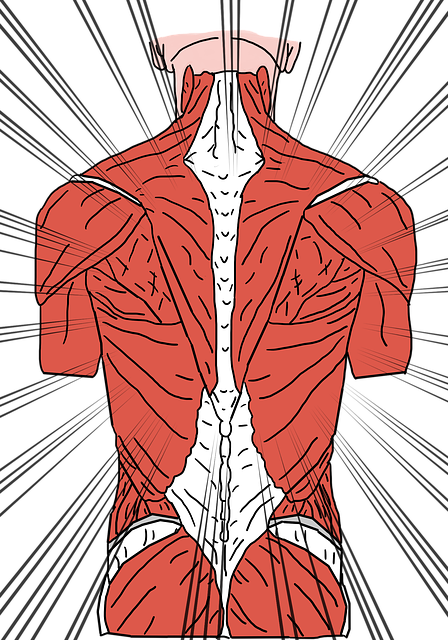
The therapeutic benefits of Tai Chi walking are not merely anecdotal; they are increasingly supported by a body of scientific research. The practice is understood to work through several interconnected physiological and psychological mechanisms.
Key Mechanisms of Action
From a clinical perspective, the benefits arise from the unique integration of its components:
- Mindful Movement & Proprioception: The slow, deliberate weight-shifting and postural awareness enhance proprioceptive feedback and neuromuscular coordination. This is foundational for improving balance and reducing fall risk.
- Gentle Cardiorespiratory Stimulation: The continuous, flowing movement provides low-impact aerobic activity, which can modestly improve cardiovascular fitness, particularly in sedentary or older populations.
- Stress Response Modulation: The meditative, breath-synchronized nature of the practice is associated with downregulation of the sympathetic nervous system ("fight-or-flight") and activation of the parasympathetic system ("rest-and-digest"), lowering cortisol levels and perceived stress.
Review of the Evidence
The evidence base is strongest in specific areas, though limitations exist. High-quality systematic reviews and randomized controlled trials (RCTs) consistently show:
- Strong Evidence: For significant improvements in balance, functional mobility, and reduction in fall incidence among older adults. This is one of the most well-documented outcomes.
- Good to Moderate Evidence: For reducing symptoms of depression, anxiety, and chronic pain (e.g., from knee osteoarthritis or fibromyalgia). Effects are often comparable to other exercise interventions.
- Preliminary or Mixed Evidence: For direct impacts on hard cardiovascular endpoints (e.g., myocardial infarction) or metabolic markers like HbA1c. While positive trends are noted, larger, longer-term studies are needed.
Clinical Perspective: In practice, we view Tai Chi walking as a form of "mindful exercise" rather than a high-intensity workout. Its greatest value often lies in its sustainability and multi-domain impact—addressing physical function and mental well-being simultaneously, which is crucial for holistic health management. The evidence strongly supports its use as a adjunctive therapy, not a replacement for standard medical care.
Important Considerations: Individuals with severe osteoporosis, acute joint injury, significant balance disorders, or uncontrolled cardiovascular disease should consult a physician or physical therapist before beginning. A qualified instructor can help adapt movements for safety.
3. Risks, Contraindications, and Populations to Avoid Tai Chi Walking

Tai Chi walking is generally considered a low-impact, safe form of exercise. However, like any physical activity, it is not without potential risks and is not universally appropriate. A responsible approach requires understanding contraindications and identifying populations who should proceed with caution or avoid the practice entirely.
Absolute Contraindications and High-Risk Scenarios
Certain medical conditions warrant avoiding Tai Chi walking unless explicitly cleared by a treating physician. These include:
- Acute, Uncontrolled Medical Issues: Unstable angina, uncontrolled hypertension, or acute vertigo. The shifting weight and mindful movements could exacerbate symptoms.
- Severe, Uncompensated Balance Disorders: Individuals with advanced vestibular disorders or severe neuropathy affecting proprioception may be at a high risk of falls, even during slow, deliberate walking.
- Recent Surgical Procedures: Particularly those involving joints, bones, or the abdomen (e.g., recent hip/knee replacement, abdominal surgery). The twisting and weight-bearing postures could disrupt healing.
- Acute Musculoskeletal Injury: Practicing with an acute sprain, strain, or fracture can delay recovery and cause further damage.
Populations Requiring Medical Consultation & Modified Practice
For many, Tai Chi walking can be beneficial with proper guidance and modifications. However, the following groups should consult a healthcare provider (e.g., physician, physical therapist) before starting:
- Individuals with Chronic Joint Disease: Those with moderate to severe osteoarthritis, rheumatoid arthritis, or osteoporosis must learn modifications to avoid excessive joint stress or torsion.
- People with Significant Cardiovascular or Respiratory Disease: While often recommended for cardiac rehab, those with heart failure or severe COPD need a tailored intensity level and medical supervision.
- Pregnant Individuals: Especially in the second and third trimesters, balance shifts and ligament laxity increase fall risk. Modifications are essential, and approval from an obstetrician is advised.
- Those with Active Inflammatory Conditions or Infections: Fever or systemic inflammation can be worsened by physical exertion.
Clinical Perspective: The primary risk in Tai Chi walking is not the practice itself, but its inappropriate application. A key principle is "listening to the body." Pain—especially sharp, shooting, or joint-specific pain—is a clear signal to stop. Dizziness, shortness of breath, or chest discomfort are also absolute indicators to cease activity and seek medical evaluation. A qualified instructor who understands medical modifications is a critical safety component for at-risk populations.
In summary, while the evidence strongly supports the safety of Tai Chi for most people, individual health status dictates the level of risk. A pre-activity discussion with a clinician is the most reliable method to ensure a safe and sustainable practice.
4. Three Practical Tai Chi Walking Routines for Holistic Wellness Integration

Integrating Tai Chi principles into walking creates a moving meditation that can enhance physical stability, mental focus, and stress resilience. The following three routines are structured to progressively build skill and awareness. It is important to note that while Tai Chi is generally safe for most people, evidence for its benefits in walking-specific contexts is often extrapolated from broader Tai Chi research, which is strong for balance and fall prevention in older adults but more limited for other specific wellness outcomes.
1. Foundational Mindful Stroll
This routine establishes the core mind-body connection. Begin by standing still, centering your weight evenly, and taking a few deep breaths to settle your awareness.
- Posture & Pace: Walk at a slow, deliberate pace. Maintain an upright spine, relaxed shoulders, and a slight bend in the knees. Imagine a string gently lifting the crown of your head.
- Movement Pattern: Focus on the sensation of weight transfer. Consciously shift your weight fully onto one foot before the other foot begins to lift. Move with smooth, continuous motion, avoiding any jerking.
- Breath & Attention: Coordinate your breath with your steps (e.g., inhale for two steps, exhale for two steps). Gently direct your attention to the soles of your feet and the rhythm of your movement.
Practice for 10-15 minutes. This foundation is crucial for developing the stability and mindfulness required for more advanced routines.
2. Integrated Arm Swing & Weight Shift
This routine incorporates the upper body, promoting whole-body coordination and joint mobility.
- Upper-Lower Integration: As you step forward with your right foot, allow your left arm to swing forward naturally and smoothly (opposite arm/leg coordination). Keep the arm swing relaxed and initiated from the torso, not the shoulder.
- Rooted Stepping: Emphasize the "rooting" of each foot as it makes contact with the ground. Visualize stability and connection with the earth before transferring weight.
- Circular Awareness: Introduce a subtle circularity to the movement—think of the arm swing as part of a gentle arc and the weight shift as a rolling, not a dropping, motion.
Practice for 15-20 minutes. This integration enhances proprioception and may improve gait efficiency.
3. The Flowing Figure-Eight Walk
This advanced routine challenges balance, coordination, and spatial awareness by incorporating directional changes.
- Pathway: Walk in a slow, continuous figure-eight pattern. The turns should be wide, gradual, and flowing.
- Core Engagement: Focus on engaging your lower abdominal muscles to initiate and control the direction changes. Your torso should lead the turn, with the feet and limbs following smoothly.
- Continuous Flow: The goal is unbroken, mindful movement. Maintain your breath rhythm and weight-transfer principles even as you change direction. Keep your gaze soft and ahead, aiding spatial orientation.
Practice for 10-15 minutes initially. This routine demands significant concentration and is excellent for dynamic balance training.
Clinical Consideration: While these routines are low-impact, individuals with significant balance disorders, severe osteoporosis, acute joint inflammation, or uncontrolled dizziness should consult a physician or a qualified Tai Chi therapist before attempting them, especially Routines 2 and 3. Begin on a flat, clear, non-slip surface. The evidence supporting Tai Chi for balance is robust, but claims for holistic "wellness" are broader and harder to quantify; benefits are often subjective and cumulative. Consistency in practice is typically more important than duration in a single session.
5. Safety Considerations and When to Consult a Healthcare Provider

While Tai Chi walking is a low-impact, gentle practice, its integration of mindful movement, weight shifting, and balance poses inherent considerations. A foundational principle is to listen to your body and avoid pushing into pain. Discomfort is a signal to modify or rest.
Certain individuals should exercise particular caution and consult a qualified healthcare professional—such as a physician, physical therapist, or cardiologist—before beginning a new routine. This is especially important for those with:
- Unstable or acute medical conditions: Uncontrolled hypertension, recent myocardial infarction, unstable angina, or acute vertigo.
- Significant musculoskeletal issues: Severe osteoporosis, acute joint inflammation (e.g., a recent flare of rheumatoid arthritis or gout), recent fractures, or unhealed surgical wounds.
- Major balance disorders or fall risk: Advanced Parkinson’s disease, significant peripheral neuropathy, or a history of frequent falls. In these cases, initial practice should be supervised, perhaps with a sturdy chair or railing for support.
- Pregnancy: While gentle movement is often encouraged, modifications are necessary, particularly regarding posture and balance as pregnancy progresses.
Clinical Perspective: From a rehabilitation standpoint, Tai Chi walking is an excellent tool for graded exposure. The key is to start well within a patient's capacity. For someone with knee osteoarthritis, for example, we might begin with very shallow steps and limited duration, focusing on smooth weight transfer rather than deep stances. The evidence for Tai Chi's safety in chronic conditions like OA and heart failure is robust, but initiation under professional guidance ensures the routine is appropriately tailored.
It is also prudent to seek advice if you are experiencing unexplained symptoms like dizziness, chest pain, or shortness of breath with minimal exertion. Furthermore, while the evidence strongly supports Tai Chi's benefits for mental well-being, it is not a substitute for professional mental healthcare in cases of clinical depression or anxiety disorders.
Begin each session with a mindful body scan. Start slowly, keep your movements small, and prioritize stability over range of motion. If any movement causes sharp or increasing pain, stop. The goal is sustainable practice, not strain. By respecting these parameters, you can safely integrate Tai Chi walking into a holistic wellness plan.
6. Questions & Expert Insights
Is Tai Chi walking truly effective for improving balance and preventing falls, or is it just gentle movement?
The evidence supporting Tai Chi for balance and fall prevention is among the strongest for any mind-body exercise. Systematic reviews and meta-analyses, including those published in journals like the Journal of the American Geriatrics Society, consistently show that regular Tai Chi practice can significantly improve postural stability, increase lower-body strength, and reduce the fear of falling, which is a major risk factor itself. The slow, controlled weight-shifting and single-leg stances inherent in Tai Chi walking routines directly challenge the proprioceptive and musculoskeletal systems. However, it's important to note that benefits are dose-dependent and skill-dependent. A few minutes once a week is unlikely to yield significant protective effects; most studies demonstrating results used structured programs of 60-minute sessions, 2-3 times per week for at least 12 weeks. The "gentle" nature is precisely what makes it accessible and sustainable for many, but it is a deliberate, skill-based training modality.
What are the potential risks or side effects of Tai Chi walking, and who should be particularly cautious?
While Tai Chi is low-impact and generally very safe, it is not without risks, primarily related to musculoskeletal strain and balance challenges. The most common issues are minor muscle soreness or joint discomfort, especially in the knees and ankles, if postures are too deep or misaligned. The risk of falling during practice, though the goal is prevention, is real if a routine is too advanced for an individual's current ability. Individuals who should exercise particular caution or consult a healthcare provider before starting include: those with severe osteoporosis (due to fracture risk from a stumble), acute vertigo or inner ear disorders, uncontrolled hypertension, significant joint instability (e.g., severe knee osteoarthritis or ligament tears), or anyone in the acute phase of an injury. People with visual impairments should practice in a very safe, familiar environment.
I have a chronic health condition. How do I know if Tai Chi walking is safe for me, and what should I discuss with my doctor?
If you have a diagnosed cardiac, pulmonary, neurological, or musculoskeletal condition, a pre-activity conversation with your doctor or specialist is a responsible step. This is not to seek "permission" but to collaboratively establish safe parameters. Come to the appointment prepared. Specifically, you should: 1) Describe the activity: Explain that Tai Chi involves slow walking, continuous movement, weight shifting, and deep breathing. 2) Share your goals: e.g., "I want to improve my balance to feel more confident at home" or "I'm looking for a gentle way to maintain joint mobility." 3) Ask specific questions: "Are there any movement restrictions I should follow (e.g., range of motion limits for my knee)?" "Are there any warning signs I should stop and report to you?" "Should I monitor my heart rate or blood pressure?" This dialogue ensures your practice is tailored and monitored appropriately, maximizing benefit and minimizing risk.
How does Tai Chi walking compare to standard brisk walking in terms of health benefits?
Tai Chi walking and brisk walking offer complementary, rather than identical, benefit profiles. Brisk walking is a gold-standard aerobic exercise, superior for improving cardiovascular fitness, VO2 max, and caloric expenditure. Tai Chi walking, while it can elevate heart rate, is primarily a neuromotor and mindfulness exercise. Its unique advantages lie in areas where standard walking has less impact: dynamic balance, proprioception, joint proprioception, stress reduction, and mind-body awareness. For holistic wellness, they can be an excellent combination. For an older adult or someone rehabilitating from an injury, Tai Chi walking may be a more accessible and specifically targeted starting point to build foundational stability and confidence before reintroducing longer-duration aerobic walking. The evidence suggests that for fall prevention and improving psychological well-being, Tai Chi often outperforms standard walking programs. For pure cardiovascular and metabolic health, brisk walking is more efficient.
7. In-site article recommendations
8. External article recommendations
9. External resources
The links below point to reputable medical and evidence-based resources that can be used for further reading. Always interpret them in the context of your own situation and your clinician’s advice.
-
mayoclinic mayoclinic.orgTai Chi walking – Mayo Clinic (search)
-
healthline healthline.comTai Chi walking – Healthline (search)
-
wikipedia wikipedia.orgTai Chi walking – Wikipedia (search)
These external resources are maintained by third-party organisations. Their content does not represent the editorial position of this site and is provided solely to support readers in accessing additional professional information.