
1. Introduction to Targeted Cardiovascular Exercise for Calorie Management

Effective weight management relies on a fundamental principle: creating a sustained calorie deficit, where energy expenditure exceeds intake. While nutrition is paramount, structured physical activity is a powerful, evidence-based tool for increasing daily energy expenditure and improving metabolic health. This chapter introduces the rationale for targeted cardiovascular exercise as a strategic component of a comprehensive calorie management plan.
Not all cardio is created equal. The total calories burned in a session is a product of intensity, duration, and the specific metabolic pathways engaged. The goal of a "targeted" approach is to design sessions that maximize caloric output within a constrained time frame—in this case, 45 minutes—by applying principles from exercise physiology. The strategies discussed are grounded in well-established concepts, though individual results will vary based on factors like age, weight, sex, genetics, and baseline fitness.
Key physiological mechanisms leveraged in targeted cardio include:
- Excess Post-Exercise Oxygen Consumption (EPOC): Higher-intensity intervals can elevate metabolic rate for hours after exercise, contributing to additional calorie burn beyond the session itself. The magnitude of this effect, while real, is often modest and should not be overestimated.
- Muscle Fiber Recruitment: Higher-intensity efforts engage more muscle fibers, including fast-twitch fibers, which demand more energy per unit of time.
- Metabolic Efficiency: Consistent training can improve the body's ability to utilize fat and carbohydrates for fuel, though this is a long-term adaptation.
Clinical Perspective: From a medical standpoint, the primary benefits of such exercise extend beyond calorie burn to include improved cardiorespiratory fitness, insulin sensitivity, and endothelial function. These are critical for long-term health. However, the pursuit of maximal calorie burn must be balanced with injury risk and sustainability. An approach that an individual can adhere to consistently will always outperform an overly aggressive protocol that leads to burnout or injury.
It is crucial to acknowledge that exercise alone, without dietary modification, often yields less weight loss than anticipated due to compensatory mechanisms like increased hunger or reduced non-exercise activity. Therefore, targeted cardio should be viewed as a synergistic component of a broader lifestyle strategy.
Who Should Proceed with Caution: Individuals with known or suspected cardiovascular disease, uncontrolled hypertension, significant orthopedic limitations, or who are pregnant should consult a physician before initiating any new high-intensity exercise program. Those new to exercise should prioritize building a base of moderate-intensity activity before attempting advanced interval protocols.
2. Evidence-Based Mechanisms for Maximizing Calorie Burn
Maximizing calorie expenditure in a limited timeframe is not about random effort, but about strategically leveraging well-understood physiological principles. The primary goal is to elevate total energy expenditure, which comprises three components: the basal metabolic rate, the thermic effect of food, and the energy cost of physical activity. Targeted cardio sessions aim to optimize the latter while favorably influencing the others.
Key Physiological Drivers
Two evidence-based mechanisms are central to effective calorie-burning protocols:
- Excess Post-Exercise Oxygen Consumption (EPOC): Often called the "afterburn" effect, EPOC refers to the elevated rate of oxygen intake following strenuous activity, used to restore the body to homeostasis. High-intensity interval training (HIIT) is particularly effective at elevating EPOC, leading to additional calorie burn for hours post-exercise. The magnitude and duration of EPOC are positively correlated with exercise intensity.
- Metabolic Adaptations & Mitochondrial Biogenesis: Consistent, challenging cardio stimulates cellular adaptations. This includes increased mitochondrial density and efficiency in muscle cells, enhancing the body's capacity to oxidize fats and carbohydrates. Over time, this can raise resting metabolic rate modestly, contributing to greater daily energy expenditure.
Balancing Intensity, Duration, and Modality
The interplay of these factors determines the session's efficacy. High-intensity intervals create a significant metabolic disturbance, driving EPOC. However, sustainable moderate-intensity steady-state (MISS) cardio allows for a longer total work duration within a 45-minute window, burning a substantial number of calories during the activity itself. The most efficient 45-minute sessions often blend these approaches, using phases of high intensity to spike EPOC, anchored by periods of moderate work to sustain total calorie output.
Clinical Perspective: While the mechanisms are sound, individual response varies based on fitness level, genetics, and body composition. The calorie burn from EPOC, while real, is often modest in absolute terms (e.g., an additional 50-150 calories over 24 hours) and should not be overstated. The primary benefit of high-intensity work remains the significant calorie burn during the session and the potent stimulus for cardiovascular and metabolic fitness.
Who Should Proceed with Caution: Individuals with pre-existing cardiovascular conditions, uncontrolled hypertension, orthopedic limitations, or who are new to exercise should consult a physician before initiating high-intensity interval training. Proper progression and technique are critical to mitigate injury risk and ensure the adaptations are beneficial, not detrimental.
3. Risks and Populations to Avoid Intensive Cardio
While high-intensity cardio is an efficient tool for fitness and calorie expenditure, it is not universally appropriate. A responsible approach requires acknowledging its inherent physiological demands and identifying individuals for whom such training may pose significant risks. The primary concerns are not the protocols themselves, but their application without proper screening and preparation.
The most immediate risks involve the cardiovascular and musculoskeletal systems. For individuals with undiagnosed heart conditions, the sudden, extreme demands can precipitate adverse cardiac events, including arrhythmias or, in rare cases, myocardial infarction. Orthopedic injuries—such as stress fractures, tendonitis, and joint damage—are common due to the repetitive, high-impact nature of many high-intensity interval training (HIIT) exercises, especially when performed with poor form or inadequate recovery.
Certain populations should either avoid intensive cardio or only undertake it under direct medical supervision. This is strongly supported by clinical guidelines and consensus statements.
- Individuals with Known Cardiovascular Disease: This includes those with coronary artery disease, heart failure, uncontrolled hypertension, or a history of arrhythmias. Exercise is often therapeutic, but the intensity must be carefully prescribed by a cardiologist or cardiac rehab specialist.
- Those with Significant Orthopedic Limitations: People with severe osteoarthritis, active inflammatory arthritis, or recent musculoskeletal surgery require modified, low-impact activities.
- Untrained or Sedentary Individuals: Jumping directly into high-intensity sessions drastically increases injury risk. A foundation of several weeks of moderate-intensity aerobic and strength training is essential.
- Pregnant Individuals: While exercise is generally encouraged, high-intensity exercise may pose risks such as hyperthermia or reduced blood flow to the uterus, particularly in the third trimester. Guidance from an obstetrician is mandatory.
- People with Certain Metabolic Conditions: Those with poorly controlled type 1 diabetes risk dangerous hypoglycemia during and after intense exertion. Individuals with kidney disease may need to avoid exercises that cause severe muscle breakdown (rhabdomyolysis).
Furthermore, the psychological aspect should not be overlooked. For individuals with a history of or active eating disorders, an intense focus on "calorie burn" can exacerbate disordered exercise patterns and unhealthy relationships with food and body image.
The evidence supporting the benefits of HIIT and similar protocols in controlled studies is robust. However, the evidence for its safety in unsupervised, general-population settings is more mixed, largely due to variability in individual health status and technique. The key takeaway is that maximizing calorie burn must be balanced with minimizing risk. Anyone with pre-existing health conditions, significant health risk factors (e.g., smoking, obesity, family history of early heart disease), or who is new to exercise should consult a physician or qualified exercise physiologist for personalized clearance and programming.
4. Practical Implementation of Three Targeted Cardio Sessions
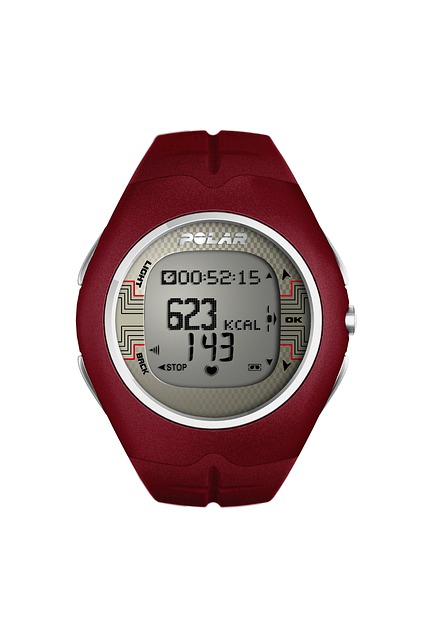
To translate the theoretical benefits of targeted cardio into safe and effective practice, a structured approach is essential. The following three 45-minute sessions are designed to maximize calorie burn through distinct physiological mechanisms. Each protocol should be preceded by a 5-minute dynamic warm-up and followed by a 5-minute cool-down with static stretching.
1. High-Intensity Interval Training (HIIT) Protocol
This session leverages the well-documented excess post-exercise oxygen consumption (EPOC) effect, which elevates metabolism for hours after the workout. The structure is as follows:
- Work Interval (30 seconds): Perform at 85-95% of your maximum perceived effort. Suitable modalities include sprinting, cycling, or rowing.
- Active Recovery (90 seconds): Reduce intensity to 50-60% effort to allow partial recovery.
- Structure: Repeat this 2-minute cycle for a total of 15 rounds, resulting in 30 minutes of interval work. The remaining time is allocated to warm-up and cool-down.
Clinical Insight: While HIIT is highly effective for improving cardiorespiratory fitness and insulin sensitivity, its high-impact nature poses risks. Individuals with uncontrolled hypertension, significant orthopedic limitations, or who are new to exercise should proceed with caution and consider a medically supervised graded introduction.
2. Steady-State Cardio with Incline/Resistance
This protocol focuses on sustained energy expenditure by increasing mechanical work, primarily targeting lower-body muscle groups. The evidence for its calorie-burning efficacy is strong and it is often better tolerated than HIIT.
- Select a treadmill, stair climber, or inclined elliptical.
- After warming up, maintain a challenging but sustainable pace (70-80% of max heart rate) for 35 minutes.
- The key is to use a significant incline or resistance level that makes conversation slightly difficult but allows you to complete the duration without form breakdown.
This method provides a robust cardiovascular stimulus with lower joint stress than running on flat ground, making it a viable option for many.
3. Mixed-Modal Circuit (Cardio + Strength)
This session incorporates metabolic conditioning by alternating cardio bursts with bodyweight or light resistance exercises. The variety can enhance adherence and provide a full-body stimulus, though direct calorie-burn comparisons to pure cardio are complex.
- Design a circuit of 5-6 stations (e.g., 1 minute of jump rope, 1 minute of push-ups, 1 minute of kettlebell swings, 1 minute of rest).
- Complete 5-6 rounds of the entire circuit.
- The goal is to maintain a high work rate with minimal rest between exercises within a round.
Important Precautions: Before initiating any of these protocols, individuals with known cardiovascular, metabolic (e.g., diabetes), or renal conditions, those who are pregnant, or anyone returning to exercise after a prolonged period should consult a physician. Listening to your body and prioritizing proper form over intensity is critical to prevent injury and ensure sustainable progress.
5. Safety Monitoring and When to Consult a Healthcare Provider
While the structured cardio sessions described in this article are designed for efficiency, they are also physiologically demanding. A foundational principle of exercise science is that the stimulus for adaptation must be balanced with appropriate recovery and safety monitoring. Ignoring this balance elevates the risk of injury, overtraining, and adverse cardiovascular events.
Effective safety monitoring involves both subjective awareness and objective metrics. Pay close attention to your body's signals beyond simple fatigue. Key warning signs that warrant immediate cessation of exercise and potentially medical evaluation include:
- Chest pain, pressure, tightness, or unusual discomfort.
- Severe shortness of breath disproportionate to the effort.
- Dizziness, lightheadedness, or near-fainting.
- Palpitations or an irregular, racing heartbeat that feels abnormal.
- Joint pain that is sharp or localized, as opposed to general muscular fatigue.
Objectively, using heart rate as a guide is well-supported by evidence for regulating intensity. However, its accuracy can be influenced by factors like medication, caffeine, and hydration. Perceived exertion (using the Borg Scale) is a highly reliable complementary tool, as it integrates multiple physiological signals.
Clinical Insight: In practice, we distinguish between "good pain" (muscular burn from lactate accumulation) and "bad pain" (indicative of structural damage). Pain in tendons or joints that worsens during or after a session is a red flag. Furthermore, a resting heart rate that remains elevated by 7-10 beats per minute over your normal baseline for several consecutive mornings can be an early sign of overtraining or insufficient recovery, suggesting a need to reduce intensity or volume.
Certain individuals should consult a physician or relevant specialist before embarking on high-intensity interval training (HIIT) or vigorous steady-state cardio protocols. This is a non-negotiable precaution for:
- Individuals with known or suspected cardiovascular disease, including hypertension.
- Those who are sedentary or have been inactive for a prolonged period.
- Individuals with musculoskeletal injuries, joint problems (e.g., significant osteoarthritis), or recent surgery.
- People with metabolic conditions like diabetes, especially if on medication that affects blood glucose.
- Pregnant individuals, particularly if new to vigorous exercise.
Finally, consider the context of your overall health. If you are experiencing undue fatigue, illness, or significant stress, a moderate-intensity session or complete rest may be a safer and more productive choice than forcing a high-calorie-burn workout. Sustainable progress is built on consistency, which requires listening to your body and integrating professional medical guidance when needed.
6. Questions & Expert Insights
Is it true that high-intensity interval training (HIIT) burns more calories than steady-state cardio, even after the workout?
The concept you're referring to is Excess Post-exercise Oxygen Consumption (EPOC), sometimes called the "afterburn" effect. It is true that high-intensity exercise, like the HIIT sessions described, can elevate metabolism for a period after the workout as the body works to restore homeostasis. However, the magnitude and practical significance of this effect are often overstated in popular media. While HIIT can create a higher EPOC than steady-state cardio, the total additional calories burned post-exercise typically ranges from 6% to 15% of the workout's total calorie cost, not a massive ongoing burn. The primary calorie advantage of HIIT comes from the sheer intensity during the session itself, allowing you to achieve a high energy expenditure in a condensed time. For sustainable fat loss, the consistency and total weekly calorie deficit created by all your activities (including diet) matter far more than optimizing for EPOC alone.
Who should be cautious or avoid these types of high-intensity cardio sessions?
While effective, targeted high-intensity cardio is not appropriate for everyone. Individuals should proceed with caution or seek medical clearance if they have: known or suspected cardiovascular disease (e.g., coronary artery disease, heart failure, uncontrolled hypertension), unmanaged metabolic conditions like diabetes, or significant orthopedic limitations (e.g., severe arthritis, acute injuries). Those who are new to exercise, are returning after a long hiatus, or have a history of exercise-induced complications should build a base of moderate-intensity fitness first. Importantly, individuals with a history of disordered eating should be wary of programs overly focused on "maximizing calorie burn," as this can reinforce unhealthy exercise compulsions. The high-stress nature of HIIT can also be counterproductive for those with unmanaged, high chronic stress levels.
If I want to try this, when should I talk to a doctor first, and what should I discuss?
Consulting a physician or a qualified exercise professional (like a clinical exercise physiologist) is strongly advised before starting any high-intensity program if you: are over 45 (men) or 55 (women) with no prior exercise history, have any of the risk factors mentioned above, take medications that affect heart rate or blood pressure, or experience symptoms like chest discomfort, dizziness, or severe shortness of breath with exertion. For the conversation, come prepared with specifics. Bring the workout description, note your current activity level and any symptoms, and list all medications and supplements. Ask: "Given my health history and medications, are there specific heart rate limits or exercise modifications I should follow? Are there warning signs I should stop immediately?" This allows for personalized, risk-stratified guidance.
Can I do these three 45-minute targeted cardio sessions every day for faster results?
No, performing high-intensity workouts daily is not recommended and is a direct path to overtraining, injury, and burnout. High-intensity exercise creates significant muscular and systemic stress that requires adequate recovery. The American College of Sports Medicine recommends that high-intensity interval training be limited to 2-3 non-consecutive days per week for most individuals. On other days, you should incorporate lower-intensity activities (like walking, yoga, or light cycling), strength training, and complete rest days. This approach, known as periodization, allows for physiological adaptation, reduces injury risk from repetitive strain, and supports long-term adherence. "Faster results" often come from smart, consistent programming that includes recovery, not from daily maximal effort, which can lead to hormonal disruption, suppressed immunity, and performance plateaus.
7. In-site article recommendations
8. External article recommendations
9. External resources
The links below point to reputable medical and evidence-based resources that can be used for further reading. Always interpret them in the context of your own situation and your clinician’s advice.
-
mayoclinic mayoclinic.orghigh-intensity interval training – Mayo Clinic (search)
-
examine examine.comhigh-intensity interval training – Examine.com (search)
-
drugs drugs.comhigh-intensity interval training – Drugs.com (search)
These external resources are maintained by third-party organisations. Their content does not represent the editorial position of this site and is provided solely to support readers in accessing additional professional information.