
1. Introduction to Short-term Cleanses and Supplement Roles

The term "cleanse" is widely used in wellness circles to describe a short-term dietary regimen, typically lasting from a few days to a few weeks, aimed at supporting the body's natural detoxification processes. It's crucial to clarify that the human body possesses highly efficient, intrinsic systems—primarily the liver, kidneys, gastrointestinal tract, skin, and lungs—that continuously neutralize and eliminate metabolic waste and environmental toxins. A short-term cleanse is not about "detoxing" in the sense of purging toxins the body cannot handle on its own, but rather about providing a period of dietary rest and nutritional support to potentially enhance these existing physiological functions.
Common characteristics of such protocols may include:
- Increased intake of water, fruits, and vegetables.
- Temporary reduction or elimination of processed foods, added sugars, alcohol, and caffeine.
- A focus on whole, nutrient-dense foods, sometimes in liquid or simplified forms.
This is where the role of specific supplements may be considered. When dietary intake is simplified or restricted, even briefly, there is a risk of micronutrient shortfalls. Furthermore, certain nutrients are co-factors for the enzymatic pathways in the liver responsible for biotransformation—the process of making compounds more water-soluble for excretion. Therefore, a rational approach to supplement use during a cleanse is not to seek "magic bullet" detoxifiers, but to:
- Fill potential nutritional gaps.
- Provide targeted support for the body's own detoxification organs.
- Mitigate oxidative stress that can accompany metabolic shifts.
Clinical Perspective: From an evidence-based standpoint, the concept of "cleansing" lacks a standardized medical definition, and robust clinical trials on multi-ingredient "detox" programs are limited. The perceived benefits, such as improved energy or digestion, are often attributable to the elimination of processed foods and increased hydration rather than a specific supplement regimen. Any supplement protocol should be viewed as an adjunct to, not a replacement for, a sound dietary foundation.
It is essential to approach any cleanse, especially one involving supplements, with caution. Individuals with pre-existing medical conditions (e.g., kidney or liver disease, diabetes), those who are pregnant or breastfeeding, individuals with a history of eating disorders, or anyone on prescription medications should consult a physician or a registered dietitian before beginning. The following chapters will explore specific supplements that may have a plausible, evidence-informed role in supporting a short-term, well-structured dietary reset.
2. Evidence and Mechanisms of Action for Key Supplements

Understanding the scientific rationale behind supplement use is crucial for a safe and informed approach. This chapter examines the proposed mechanisms and evidence for four supplements commonly associated with short-term dietary resets.
Milk Thistle (Silymarin)
The active compound complex, silymarin, is primarily studied for its potential hepatoprotective properties. Its proposed mechanisms include acting as an antioxidant, stabilizing liver cell membranes, and potentially supporting phase II detoxification enzyme activity. Clinical evidence for its use in healthy individuals during a short-term cleanse is limited. Most robust human trials focus on specific liver conditions like alcoholic liver disease or non-alcoholic fatty liver disease (NAFLD), showing some promise in improving liver enzyme levels.
N-Acetylcysteine (NAC)
NAC is a direct precursor to glutathione, the body's master antioxidant. By replenishing glutathione stores, NAC may help mitigate oxidative stress that can accompany metabolic shifts. It also helps break down mucus. Evidence for its use in general "cleansing" is not well-defined; however, its role in supporting antioxidant defenses is well-established in clinical contexts like acetaminophen overdose and chronic respiratory conditions. It is generally considered safe for short-term use in appropriate doses.
Probiotics
The rationale for probiotic supplementation during dietary changes centers on supporting gut microbiome diversity and barrier function. A healthy gut lining is integral to the body's natural detoxification processes. Evidence suggests specific strains can help manage occasional digestive discomfort. However, effects are highly strain-specific, and robust data on their direct role in "cleansing" protocols is lacking. They are widely considered safe for most, but those with severe immune compromise should use caution.
Magnesium
Magnesium is a cofactor in over 300 enzymatic reactions, including energy production and nerve function. During dietary modifications, ensuring adequate magnesium intake may support muscle relaxation, bowel regularity, and sleep quality—factors that contribute to overall well-being. The evidence here is not for "detoxification" per se, but for correcting a common nutritional deficiency that can exacerbate stress on the body. Forms like magnesium citrate are often used for their gentle osmotic effect in the gut.
Clinical Perspective: It is vital to frame these supplements as supportive agents, not as drivers of detoxification. The liver, kidneys, and gastrointestinal tract are the primary organs of elimination. The strongest evidence for these compounds often exists outside the context of commercial cleanse programs. Individuals with pre-existing liver or kidney conditions, those on multiple medications (especially NAC, which can interact with nitroglycerin and certain blood pressure drugs), or who are pregnant or breastfeeding should consult a physician before use.
3. Risks, Contraindications, and Populations to Avoid

While certain supplements can be used to support short-term dietary protocols, their use is not without potential risks. A foundational principle is that a "cleanse" or any supplement regimen is not a substitute for a balanced, long-term diet and lifestyle. The primary risks often stem from excessive dosing, pre-existing health conditions, and interactions with medications.
Key contraindications and populations who should exercise extreme caution or avoid such protocols altogether include:
- Individuals with Kidney or Liver Disease: Herbal supplements, particularly those containing concentrated extracts, can place additional metabolic stress on these organs. Milk thistle, for example, is often promoted for liver support, but its use in individuals with active liver disease requires direct medical supervision.
- Pregnant or Breastfeeding Women: The safety profiles of many herbal and detoxification-support supplements during pregnancy and lactation are not well-established. It is strongly advised to avoid such protocols unless explicitly recommended by an obstetrician.
- Individuals on Prescription Medications: Significant interactions are possible. For instance, fiber supplements like psyllium husk can interfere with the absorption of many drugs. N-acetylcysteine (NAC) may interact with nitroglycerin and certain blood pressure medications. A thorough medication review with a pharmacist or physician is essential.
- Those with a History of Eating Disorders: Protocols centered on "cleansing" or restriction can trigger unhealthy patterns and relapse. The focus should be on nourishing the body, not deprivation.
- People with Electrolyte Imbalances or Cardiovascular Conditions: Diuretic herbs or protocols that significantly alter fluid and food intake can disrupt electrolyte balance (potassium, sodium), which is critically important for heart function.
Clinical Perspective: From a medical standpoint, the concept of "detoxification" is often misunderstood. The human liver, kidneys, and gastrointestinal tract are highly efficient at this process daily. The goal of any short-term protocol should be to support these innate systems, not to aggressively "force" them, which can lead to adverse effects. We prioritize identifying and removing dietary and environmental burdens over adding complex supplement regimens.
The evidence supporting the safety and efficacy of many "cleanse-support" supplements is often preliminary, derived from small-scale studies, or based on traditional use rather than robust clinical trials. Therefore, any decision to use them should be made with a clear understanding of individual health status. It is a responsible practice to consult with a primary care physician or a relevant specialist (e.g., a gastroenterologist, nephrologist, or registered dietitian) before beginning any new supplement regimen, especially one intended to alter metabolic processes.
4. Practical and Balanced Takeaways for Supplement Use
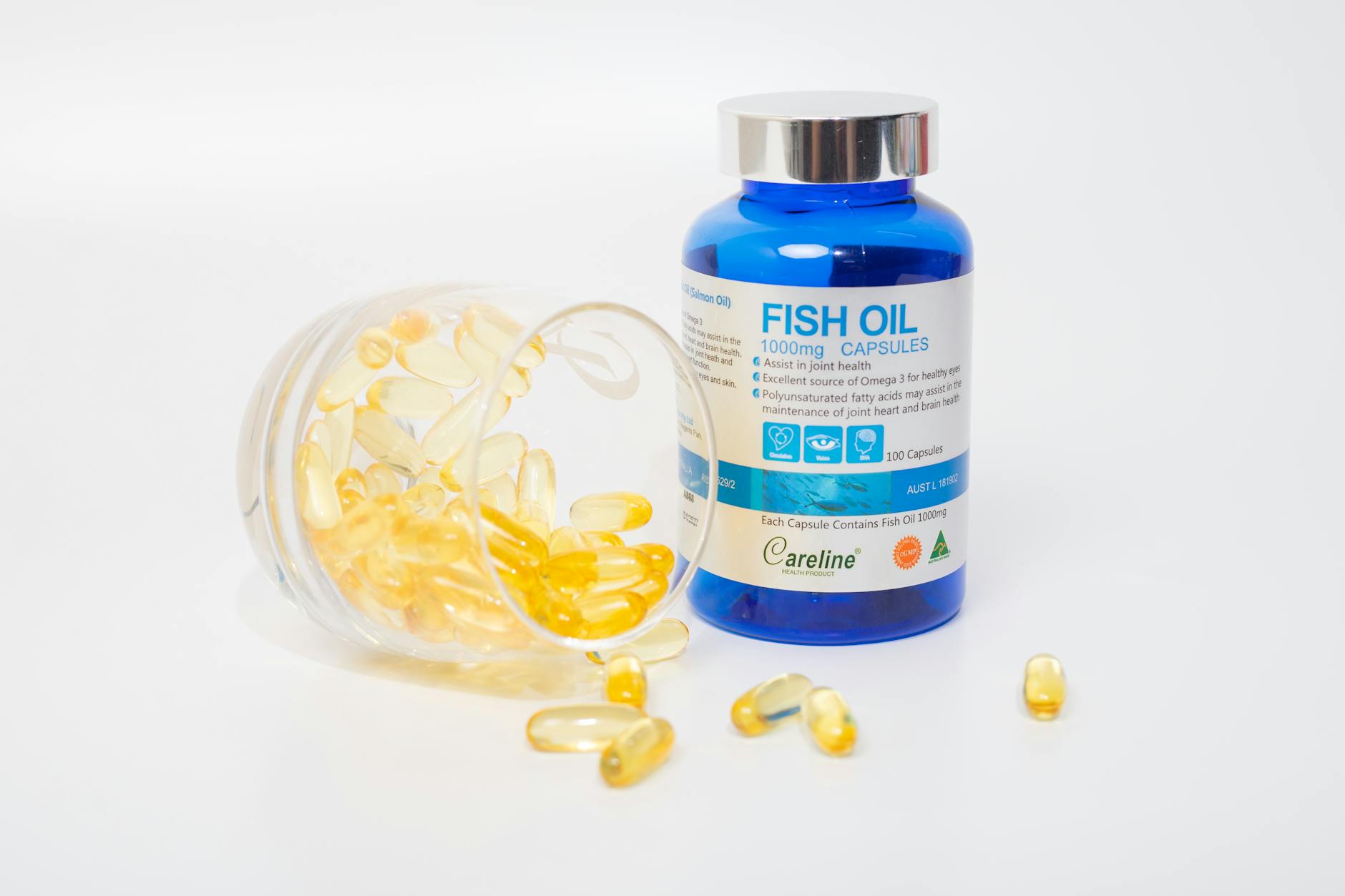
Incorporating supplements into a short-term dietary protocol requires a measured, evidence-based approach. The primary goal is to support physiological processes without introducing unnecessary risk or creating a false sense of security. The following takeaways provide a framework for responsible use.
Core Principles for Safe and Effective Use
Adherence to these principles can help mitigate potential downsides and align supplement use with a clinically responsible cleanse.
- Define "Short-term": Limit the use of targeted supplements to a defined period, typically 7 to 14 days. Prolonged use without medical supervision can lead to nutrient imbalances or other adverse effects.
- Prioritize Foundation First: Supplements are adjuncts, not substitutes. A cleanse should be built on a foundation of adequate hydration, consumption of whole foods (where applicable), and sufficient rest. No supplement can compensate for poor foundational habits.
- Respect Dosage and Form: Follow evidence-based dosing ranges, typically starting at the lower end. Be aware that the form of a supplement (e.g., citrate vs. oxide for magnesium) significantly impacts its bioavailability and intended effect.
Navigating Evidence and Uncertainty
It is crucial to maintain realistic expectations. For most supplements discussed in cleansing contexts, the evidence is supportive but not definitive.
Stronger evidence exists for their role in supporting general metabolic and detoxification pathways (e.g., magnesium for enzyme function, milk thistle for hepatocyte membrane stability). However, direct evidence for their efficacy within the specific context of a multi-day "cleanse" is often limited to smaller studies or traditional use. Acknowledge this gap and avoid attributing exaggerated outcomes to their use.
Clinical Insight: From a medical perspective, the greatest value of these supplements in a short-term protocol may be their role in mitigating common side effects of dietary changes, such as constipation or headaches, thereby improving adherence to a healthier overall pattern. They are tools for support, not primary drivers of detoxification, which is an ongoing endogenous process.
Essential Precautions and Contraindications
Safety must be paramount. Certain individuals should exercise extreme caution or avoid initiating supplement use without consulting a physician.
- Pre-existing Conditions: Individuals with kidney disease, liver disease, or electrolyte disorders require personalized medical guidance, as supplements can exacerbate these conditions.
- Medication Interactions: Those on prescription medications, especially blood thinners, immunosuppressants, or drugs for diabetes and hypertension, must check for potential interactions. Supplements like milk thistle can alter the metabolism of numerous pharmaceuticals.
- Special Populations: Pregnant or breastfeeding individuals and those with a history of eating disorders should not undertake cleanses or use supplements without direct supervision from their healthcare provider.
A practical approach views these supplements as temporary, supportive tools within a broader context of mindful dietary adjustment. Always discontinue use and consult a healthcare professional if you experience any adverse effects.
5. Safety Considerations and When to Consult a Physician

While the supplements discussed in this article are generally well-tolerated, the concept of a "cleanse" itself is not a medically defined practice. The primary safety principle is that a short-term dietary intervention should not cause harm, mask underlying conditions, or replace necessary medical care. The evidence supporting specific supplements for detoxification is often preliminary, derived from animal studies or small human trials with short follow-up periods.
It is critical to understand that the body's hepatic and renal systems are highly efficient at endogenous detoxification. The goal of any supportive protocol should be to avoid overburdening these systems, not to assume they require "resetting."
Key Populations for Caution
Certain individuals should exercise extreme caution or avoid short-term cleanse protocols and associated supplements altogether without direct medical supervision:
- Individuals with chronic medical conditions: Particularly those affecting the kidneys (e.g., chronic kidney disease), liver (e.g., cirrhosis, hepatitis), or gallbladder.
- Those taking prescription medications: The potential for supplement-drug interactions is a significant concern. For example, milk thistle may affect the metabolism of drugs processed by the CYP450 enzyme system.
- Pregnant or breastfeeding individuals: Safety data for many supplements in these populations is lacking.
- Individuals with a history of eating disorders: Restrictive protocols can trigger disordered eating patterns.
- The elderly and the very young: These groups may have altered metabolism and nutritional requirements.
Clinical Perspective: From a medical standpoint, the greatest risk of any cleanse is the delay in diagnosing or appropriately treating a serious health issue. Symptoms like persistent fatigue, digestive distress, or skin issues should be evaluated by a physician, not self-treated with supplements. Furthermore, high-dose or prolonged use of even "natural" compounds can lead to adverse effects, such as electrolyte imbalances from excessive dandelion root use or gastrointestinal upset from high-dose NAC.
When to Consult a Physician
You should consult a healthcare provider—such as a primary care physician, gastroenterologist, or a registered dietitian—before starting any new supplement regimen, especially in the context of a cleanse. A consultation is strongly advised if you:
- Have any of the pre-existing conditions listed above.
- Are currently taking any medications, including over-the-counter drugs.
- Experience any adverse symptoms during a protocol, such as severe headache, dizziness, nausea, abdominal pain, or changes in urine/output.
- Are considering a protocol that involves severe caloric restriction or the elimination of entire food groups.
A professional can help you assess potential risks, check for interactions, and ensure your approach is aligned with your overall health goals without compromising your well-being.
6. Questions & Expert Insights
What does "support a cleanse" actually mean in a clinical context?
In clinical terms, "supporting a cleanse" lacks a standard definition. From a medical perspective, the body's primary detoxification organs—the liver, kidneys, gastrointestinal tract, and skin—function continuously. The goal of a responsible short-term protocol is not to "detox" but to provide nutritional support that may enhance the body's inherent processes during a period of dietary change. This typically means ensuring adequate intake of micronutrients that serve as cofactors for hepatic phase I and II detoxification enzymes (like certain B vitamins) and antioxidants that help manage oxidative stress. The focus should be on supporting physiological function, not on purging "toxins," a vague and often misleading concept. The evidence for specific supplements in this role is often preliminary, derived from in vitro or animal studies, and should not be overstated.
Who should be especially cautious or avoid short-term cleanses with supplements?
Several populations should avoid or exercise extreme caution. Individuals with chronic kidney or liver disease must consult a specialist, as altered metabolism and excretion can lead to dangerous accumulation. Those who are pregnant, breastfeeding, or trying to conceive should avoid cleanses due to potential nutrient imbalances and unknown fetal effects. People with a history of eating disorders should steer clear, as restrictive protocols can trigger relapse. Individuals on prescription medications, especially blood thinners (e.g., warfarin), immunosuppressants, or drugs for diabetes and hypertension, risk dangerous interactions that can alter drug efficacy. Finally, anyone with active gastrointestinal conditions like IBD, gastritis, or pancreatitis may experience severe exacerbations from concentrated supplements or drastic dietary shifts.
When should I talk to my doctor, and what should I bring to that appointment?
You should consult a physician before starting any cleanse, especially if you have a pre-existing condition or take medications. Schedule the appointment specifically to discuss your plan. Bring a complete list of all supplements you're considering, including their specific dosages and brands. Have a detailed outline of the proposed dietary protocol (duration, foods allowed/restricted, calorie estimate). Most critically, provide your doctor with an updated list of all prescription medications, over-the-counter drugs, and any other supplements you currently take. This allows them to screen for pharmacokinetic interactions (e.g., St. John's Wort inducing cytochrome P450 enzymes) and assess nutritional adequacy. Be prepared to discuss your health goals openly so your doctor can help align them with safer, evidence-based strategies.
How strong is the evidence for common "cleanse-supporting" supplements like milk thistle or N-acetylcysteine (NAC)?
The evidence is mixed and context-dependent. For milk thistle (silymarin), meta-analyses show some benefit for liver function in specific conditions like alcoholic liver disease or non-alcoholic fatty liver disease (NAFLD), but evidence for its role in short-term cleanses in healthy individuals is lacking. For N-acetylcysteine (NAC), robust evidence supports its use as an antidote for acetaminophen overdose and as a mucolytic. Its role as a precursor to glutathione, a master antioxidant, is well-established biochemically, but clinical trials demonstrating clear "detox" benefits in healthy people are limited. Much of the support for these compounds comes from mechanistic studies and animal models. The effects are often modest, and high-quality, long-term human trials in a general wellness context are scarce. They should not be viewed as essential or miraculous.
7. In-site article recommendations
8. External article recommendations
9. External resources
The links below point to reputable medical and evidence-based resources that can be used for further reading. Always interpret them in the context of your own situation and your clinician’s advice.
-
healthline healthline.comshort-term cleanses – Healthline (search)
-
drugs drugs.comshort-term cleanses – Drugs.com (search)
-
mayoclinic mayoclinic.orgshort-term cleanses – Mayo Clinic (search)
These external resources are maintained by third-party organisations. Their content does not represent the editorial position of this site and is provided solely to support readers in accessing additional professional information.