
1. Introduction to Fiber's Role in Dieting and Digestive Health
Dietary fiber, a non-digestible carbohydrate found in plant foods, plays a uniquely dual role in health. It is a cornerstone of digestive function and a critical, evidence-based component of sustainable weight management strategies. Understanding this dual function is essential for anyone considering dietary changes, as it moves the focus from simple calorie restriction to nourishing the body and its systems.
From a digestive health perspective, fiber's mechanisms are well-established. Soluble fiber (found in oats, beans, and apples) absorbs water to form a gel, slowing gastric emptying and moderating blood sugar responses. Insoluble fiber (found in whole grains, nuts, and vegetables) adds bulk to stool and accelerates transit time, which can help prevent constipation. Furthermore, certain fibers act as prebiotics, fermenting in the colon to produce short-chain fatty acids that nourish the gut lining and support a healthy microbiome—a relationship supported by a robust body of research.
When dieting, these digestive benefits directly support weight management goals through several key pathways:
- Enhanced Satiety: High-fiber foods generally require more chewing, slow digestion, and promote the release of satiety hormones. This can lead to a natural reduction in overall calorie intake, a effect supported by numerous clinical trials.
- Nutrient Density: Fiber-rich foods like vegetables, fruits, and legumes are typically packed with essential vitamins, minerals, and phytonutrients, helping to prevent micronutrient deficiencies that can occur with restrictive diets.
- Metabolic Regulation: By blunting post-meal blood sugar and insulin spikes, a high-fiber diet may improve metabolic flexibility, making it easier for the body to access stored fat for energy.
Clinical Perspective: While the benefits of fiber are clear, a sudden, drastic increase in intake—common when starting a new diet—can lead to bloating, gas, and abdominal discomfort. The evidence strongly supports a gradual introduction paired with adequate hydration. Furthermore, individuals with certain pre-existing gastrointestinal conditions (such as Inflammatory Bowel Disease flare-ups, active diverticulitis, or a history of bowel obstructions) or those with significantly restricted kidney function should consult a gastroenterologist or dietitian before making major dietary changes. Fiber is a tool, not a universal prescription.
Therefore, strategically integrating high-fiber foods is not merely an add-on but a foundational practice for a diet that supports both gut health and sustainable weight management. The following chapters will translate this science into practical, evidence-based meal strategies.
2. Evidence and Mechanisms of Fiber for Digestive Support
The role of dietary fiber in supporting digestive health is one of the most robustly supported concepts in nutritional science. Its benefits are not merely anecdotal but are grounded in well-understood physiological mechanisms. Understanding these mechanisms is crucial for implementing effective dietary strategies, especially during caloric restriction when digestive function can be challenged.
Fiber is categorized into two primary types, each with distinct functions:
- Soluble Fiber (e.g., from oats, legumes, apples): Dissolves in water to form a gel-like substance. This slows gastric emptying, which can promote satiety during dieting, and acts as a prebiotic, fermenting in the colon to produce short-chain fatty acids (SCFAs) like butyrate. SCFAs are a primary energy source for colonocytes and help maintain the integrity of the gut barrier.
- Insoluble Fiber (e.g., from whole wheat, nuts, vegetables): Adds bulk to stool and accelerates transit through the digestive tract. This is a key mechanism for preventing constipation, a common complaint during dietary changes when food volume may decrease.
The evidence for fiber's impact on specific conditions varies in strength. There is strong, consistent evidence from numerous large-scale cohort studies and randomized controlled trials (RCTs) supporting high fiber intake for the prevention and management of constipation, diverticular disease, and hemorrhoids. The data supporting fiber's role in modulating the gut microbiome and reducing systemic inflammation through SCFA production is compelling, though still evolving from human intervention studies.
Clinical Perspective: In practice, we see the most consistent digestive benefit when patients increase fiber gradually with adequate hydration. A sudden, large increase can cause bloating and gas. The synergy of soluble and insoluble fibers from whole foods is generally more effective and better tolerated than relying on isolated fiber supplements for overall gut health.
It is important to note limitations and necessary cautions. While fiber is broadly beneficial, individuals with certain medical conditions, such as active inflammatory bowel disease (IBD), intestinal strictures, or a history of bowel obstruction, must consult a gastroenterologist before significantly increasing fiber intake. Those increasing fiber should also ensure concurrent adequate fluid intake to avoid exacerbating constipation.
In summary, the mechanisms by which fiber supports digestion—through bulking, fermentation, and microbiome modulation—are well-established. Incorporating a mix of both fiber types provides a multi-faceted approach to maintaining digestive regularity and gut ecosystem health during weight management.
3. Risks and Contraindications for High-Fiber Diets
While increasing dietary fiber is widely recommended for digestive and metabolic health, a rapid or poorly managed increase can lead to significant discomfort and, in specific clinical contexts, pose health risks. A responsible approach requires understanding these potential adverse effects and identifying individuals for whom caution is paramount.
Common Adverse Effects and Mitigation
The most frequently reported issues are gastrointestinal and are strongly supported by clinical evidence. A sudden, substantial increase in fiber intake—particularly insoluble fiber from sources like bran, nuts, and some raw vegetables—can overwhelm the digestive system. Common symptoms include:
- Bloating, gas, and abdominal cramping: This occurs as gut bacteria ferment the undigested fiber.
- Constipation: Ironically, increasing fiber without a concurrent significant increase in fluid intake can worsen constipation, as fiber absorbs water in the gut.
- Diarrhea or loose stools: An excess of certain soluble fibers (e.g., inulin, some supplements) can have a laxative effect.
These effects are typically transient. The evidence-based strategy to mitigate them is the "low and slow" principle: gradually increase fiber intake over several weeks while ensuring adequate hydration.
Important Contraindications and Precautions
Certain medical conditions necessitate medical supervision before significantly altering fiber intake. The evidence for caution here is strong and clinically well-established.
- Inflammatory Bowel Disease (IBD) Flares: During active Crohn's disease or ulcerative colitis flares, high-fiber foods can irritate the inflamed intestinal lining and exacerbate symptoms. A low-residue diet is often prescribed temporarily.
- History of Bowel Obstruction or Strictures: High fiber intake, especially insoluble fiber, can increase the risk of blockage in individuals with narrowed sections of the intestine.
- Certain Functional GI Disorders: Some individuals with severe Irritable Bowel Syndrome (IBS), particularly IBS-C (constipation-predominant) or IBS-M (mixed), may not tolerate high FODMAP fibers. A low-FODMAP diet, guided by a dietitian, is often the first-line dietary intervention.
Furthermore, individuals with chronic kidney disease requiring a low-potassium or low-phosphorus diet must choose fiber sources carefully, as many high-fiber foods (like beans, nuts, and certain whole grains) are also high in these minerals.
Medication Interactions
Fiber can bind to certain medications in the gut, potentially reducing their absorption and efficacy. This is a well-documented pharmacokinetic interaction. Key medications include:
- Some antidepressants (e.g., tricyclics)
- Thyroid hormone replacement (levothyroxine)
- Certain diabetes and cholesterol-lowering drugs
- Specific heart medications (e.g., digoxin)
The general recommendation is to take these medications at least 2-4 hours apart from fiber supplements or high-fiber meals. Anyone on regular medication should discuss dietary changes with their physician or pharmacist.
Takeaway: A high-fiber diet is not universally appropriate without consideration of individual health status. Increasing intake gradually with plenty of water is crucial for tolerance. Individuals with the conditions mentioned above, or those on long-term medications, should consult a healthcare provider or registered dietitian to develop a safe and personalized plan.
4. Four Practical High-Fiber Meal Strategies
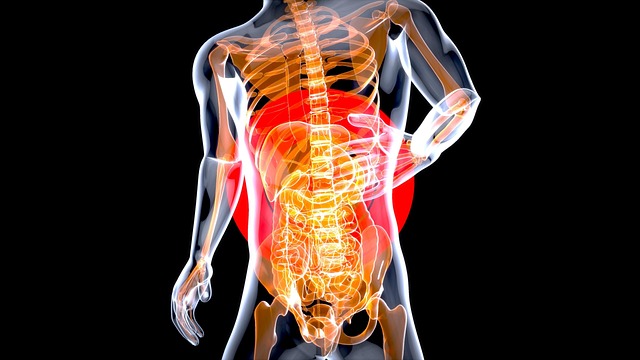
Integrating more fiber into a calorie-controlled diet requires strategic planning to avoid discomfort and ensure nutritional adequacy. The following evidence-based strategies are designed to support satiety, gut motility, and a healthy microbiome while adhering to dietary goals.
1. The "Fiber-First" Plate Method
Structure each main meal by filling half your plate with non-starchy vegetables (e.g., leafy greens, broccoli, peppers) and a quarter with legumes or whole grains. This visual guide ensures a consistent, substantial fiber intake. High-quality evidence consistently supports the role of dietary fiber from whole foods in promoting satiety and improving bowel function. This method naturally displaces more energy-dense, lower-fiber options.
2. Strategic Snacking with Soluble Fiber
Choose snacks that provide soluble fiber, which forms a gel in the gut, slowing digestion and promoting a prolonged feeling of fullness. Good options include a small apple with a tablespoon of almond butter, or a quarter cup of oats soaked in water. While the satiety effects of soluble fiber are well-documented, individual responses to specific foods can vary.
Clinical Insight: A sudden, large increase in fiber intake can cause bloating, gas, and abdominal cramps. The key is a gradual increase over several weeks, coupled with a significant increase in water intake. This allows the gastrointestinal tract and gut microbiota to adapt. Those with a history of irritable bowel syndrome (IBS) should introduce high-FODMAP fibers (like beans, lentils, certain fruits) with particular caution and may benefit from guidance from a registered dietitian.
3. Legume-Based Meal Swaps
Systematically replace refined grains or some animal protein with legumes. For example, use lentils as the base for a Bolognese sauce, add chickpeas to a salad instead of croutons, or blend white beans into a soup for creaminess. Legumes are exceptionally rich in both soluble and insoluble fiber and protein. Meta-analyses show regular legume consumption is associated with improved glycemic control and gut health.
4. Pre-Meal Hydration and Fiber Protocol
Drink a full glass of water 20-30 minutes before eating a fiber-rich meal. This practice hydrates the fiber, helping it swell and function more effectively in the stomach and intestines, which can enhance satiety signals. While the mechanistic rationale is sound, direct clinical trial evidence for this specific timing protocol is more limited compared to the general imperative of increasing both fiber and fluid intake together.
Important Considerations: Individuals with certain medical conditions, such as inflammatory bowel disease (IBD) in flare, gastroparesis, or significant kidney disease, should consult a physician or dietitian before making major dietary changes. Those on specific medications or with a history of disordered eating should also seek personalized advice to ensure dietary strategies are safe and appropriate for their situation.
5. Safety Considerations and When to Consult a Healthcare Provider
While increasing dietary fiber is a well-supported strategy for digestive health and weight management, it is not without potential risks, especially when implemented rapidly or without consideration of an individual's underlying health status. A responsible approach requires awareness of these safety considerations and clear guidance on when professional consultation is essential.
Key Safety Considerations
The primary risks associated with a rapid increase in fiber intake are gastrointestinal. Abruptly adding large amounts of fiber, particularly insoluble fiber, can lead to:
- Bloating, Gas, and Abdominal Cramping: This is a common, transient effect as the gut microbiota adjusts. The evidence for this is strong and based on extensive clinical observation.
- Constipation or Bowel Obstruction: This is a serious, though less common, risk. It occurs when high fiber intake is not accompanied by sufficient fluid consumption. Fiber absorbs water; without it, stool can become hard and impacted.
- Nutrient Malabsorption: Very high intakes of certain fibers, like phytates in whole grains and legumes, can bind to minerals such as iron, zinc, and calcium, potentially reducing their absorption. The clinical significance in generally healthy individuals with a balanced diet is considered low, but it is a documented mechanism.
Clinical Insight: In practice, the adage "start low and go slow" is paramount. We advise patients to increase fiber by 5-gram increments per week, ensuring consistent, adequate hydration (at least 2-2.5 liters of water daily). This gradual approach allows the gastrointestinal tract and microbiome to adapt, minimizing discomfort and improving long-term adherence.
Who Should Exercise Caution or Consult a Provider First?
Certain individuals should seek guidance from a physician or a registered dietitian before significantly altering their fiber intake. This is particularly crucial for those with:
- Diagnosed Digestive Disorders: Including inflammatory bowel disease (IBD—Crohn's disease, ulcerative colitis), diverticulitis (during an active flare), irritable bowel syndrome (IBS), or a history of bowel obstructions. Fiber recommendations can vary dramatically depending on the condition and phase.
- Chronic Kidney Disease (CKD): Patients with advanced CKD often need to restrict potassium and phosphorus. Many high-fiber foods (e.g., beans, nuts, certain vegetables) are also high in these minerals, requiring careful planning.
- Those Taking Specific Medications: High-fiber diets can interfere with the absorption of certain medications, including some thyroid medications (levothyroxine), certain antidepressants, and specific heart medications. A general rule is to take these medications at least 2-4 hours apart from a high-fiber meal.
- Individuals with a History of Eating Disorders: A focus on "clean" high-fiber foods can potentially trigger or exacerbate restrictive or orthorexic eating patterns.
If you experience severe or persistent abdominal pain, vomiting, an inability to pass stool or gas, or significant changes in bowel habits that do not resolve with adjustment, discontinue the regimen and consult a healthcare provider promptly. Integrating more fiber is a powerful tool for health, but its application must be personalized and medically informed.
6. Questions & Expert Insights
Can increasing fiber really help with weight loss, or is it just about feeling full?
The connection between dietary fiber and weight management is supported by a body of evidence, but the mechanisms extend beyond simple satiety. Soluble fiber, found in foods like oats and legumes, forms a gel in the gut that slows gastric emptying and nutrient absorption, which can promote a longer-lasting feeling of fullness and help moderate blood sugar spikes, reducing subsequent cravings. Furthermore, high-fiber foods are typically less energy-dense, allowing for satisfying portions with fewer calories. Some research also suggests dietary fiber can positively influence gut hormones involved in appetite regulation. However, it's crucial to frame this correctly: fiber is a supportive tool within a balanced diet, not a standalone weight loss solution. Individual responses vary, and the quality of the overall diet—not just fiber intake—remains paramount.
What are the potential side effects or risks of rapidly increasing my fiber intake?
A sudden, significant increase in dietary fiber—especially when dieting and potentially changing overall food volume—commonly leads to gastrointestinal discomfort. This can include bloating, gas, cramping, and either constipation or diarrhea. These effects occur as your gut microbiota adjusts to the new substrate. To mitigate this, increases should be gradual, over several weeks. A critical risk involves fluid intake: fiber absorbs water, so inadequate hydration can worsen constipation. Individuals with certain medical conditions must be particularly cautious. Those with active inflammatory bowel disease (IBD), intestinal strictures, or a history of bowel obstructions should consult a doctor before making major changes, as high fiber can exacerbate symptoms. Anyone with kidney disease may need to monitor specific high-fiber foods like nuts and legumes due to mineral content.
I'm experiencing bloating even with a slow increase in fiber. When should I talk to a doctor?
Persistent or severe bloating, abdominal pain, or a major change in bowel habits that doesn't resolve with gradual fiber introduction and proper hydration warrants a medical consultation. This is especially important if symptoms are accompanied by "red flag" signs such as unexplained weight loss, blood in the stool, fever, or persistent vomiting. Before your appointment, prepare a brief log detailing: 1) the specific high-fiber foods you've introduced and their quantities, 2) the timing of your symptoms relative to meals, 3) your daily water intake, and 4) any over-the-counter remedies you've tried. This data helps your doctor distinguish between normal dietary adjustment and a potential underlying condition like irritable bowel syndrome (IBS), small intestinal bacterial overgrowth (SIBO), or other gastrointestinal disorders that may require a different dietary approach, such as a low-FODMAP diet under supervision.
Is there a "best" type of fiber for digestive health while dieting, or should I just aim for total grams?
For optimal digestive and metabolic health, prioritizing a variety of fiber sources is more important than fixating on a single "best" type or just total grams. Different fibers serve different functions. Soluble fiber (from psyllium, apples, barley) supports healthy cholesterol and blood sugar levels. Insoluble fiber (from wheat bran, vegetables, whole grains) adds bulk to stool and promotes regularity. Furthermore, a diverse intake of fibers from whole plant foods (fruits, vegetables, legumes, whole grains, nuts, seeds) naturally provides a broader range of fermentable substrates for your gut microbiota, supporting a healthier microbial ecosystem linked to improved metabolic function. The current evidence suggests that the synergistic effects of various fibers in whole foods are superior to relying on isolated fiber supplements. Therefore, a strategy focused on food diversity is typically more beneficial and sustainable during dieting than supplementing with a single fiber type.
7. In-site article recommendations
8. External article recommendations
9. External resources
The links below point to reputable medical and evidence-based resources that can be used for further reading. Always interpret them in the context of your own situation and your clinician’s advice.
-
wikipedia wikipedia.orghigh-fiber meal strategies – Wikipedia (search)
-
examine examine.comhigh-fiber meal strategies – Examine.com (search)
-
healthline healthline.comhigh-fiber meal strategies – Healthline (search)
These external resources are maintained by third-party organisations. Their content does not represent the editorial position of this site and is provided solely to support readers in accessing additional professional information.