
1. Introduction to High-Protein Meal Prep for Busy Professionals
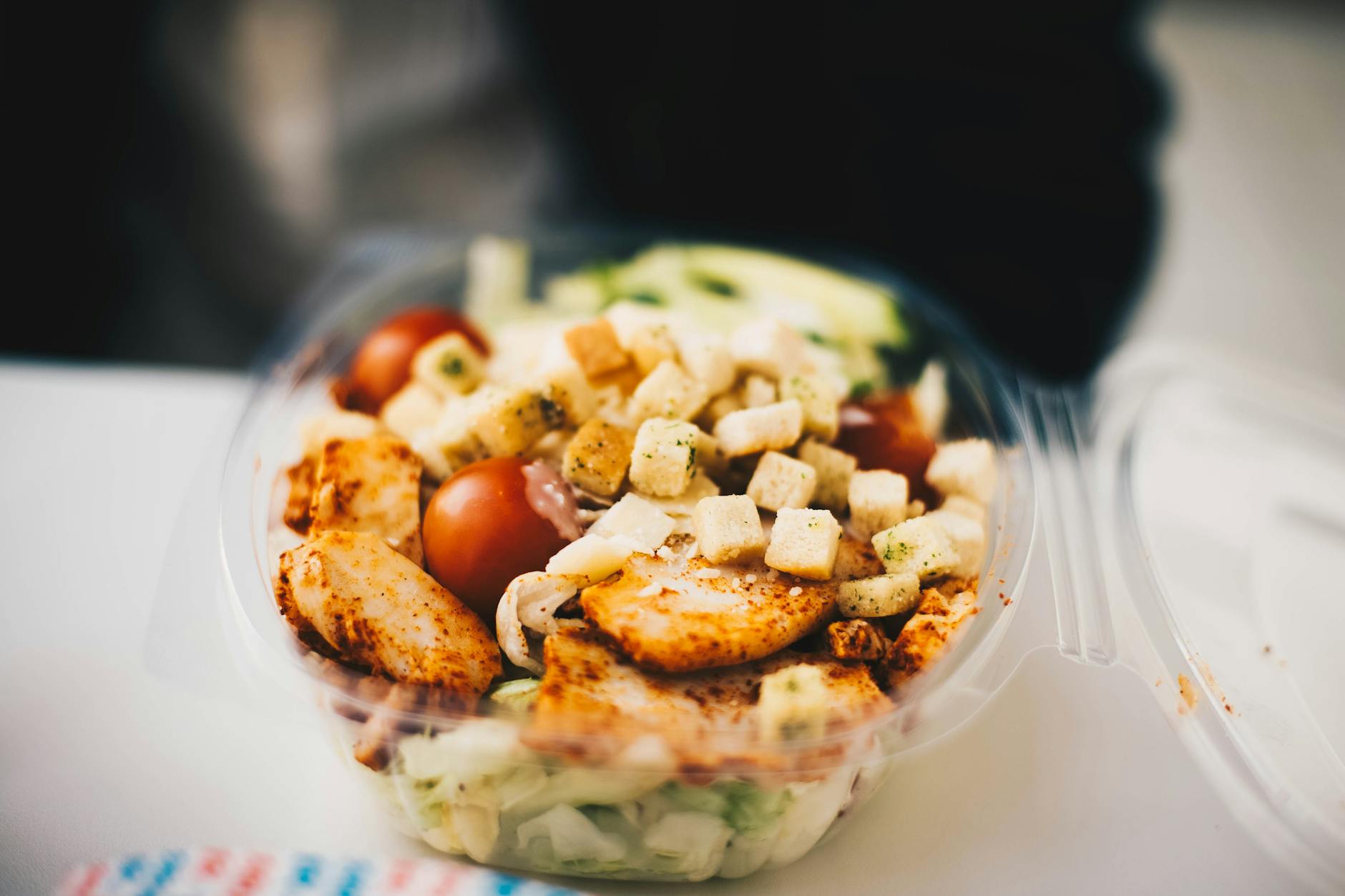
For busy professionals, maintaining a diet that supports sustained energy, cognitive function, and overall health can be a significant challenge. High-protein meal preparation, or "meal prep," is a practical strategy to address this. The principle involves dedicating a block of time to prepare and portion multiple meals in advance, ensuring access to nutritionally balanced options throughout a hectic week.
The emphasis on protein is supported by a robust body of evidence. Adequate protein intake is crucial for satiety, helping to regulate appetite and reduce impulsive snacking. It also supports the maintenance of lean muscle mass, which is metabolically active and important for long-term metabolic health. For individuals engaged in regular physical activity, protein is essential for muscle repair and recovery.
However, it is important to approach this strategy with balance and individualization. While high-protein diets are generally safe for healthy adults, certain populations should exercise caution or consult a healthcare provider before making significant dietary changes:
- Individuals with pre-existing kidney disease or impaired renal function.
- Those with certain metabolic disorders, such as phenylketonuria.
- People with a history of or predisposition to eating disorders.
Furthermore, the source and context of protein matter. A diet focusing solely on animal-based proteins, particularly processed meats, may carry different long-term health implications compared to a plan that incorporates plant-based proteins, lean meats, fish, and dairy. The evidence strongly supports a balanced approach that pairs protein with adequate fiber from vegetables, whole grains, and legumes, and healthy fats.
Clinical Perspective: From a nutritional standpoint, meal prep is less about a specific "diet" and more about a sustainable behavior that promotes dietary consistency. The primary clinical benefit for busy individuals is the reduction of dietary chaos—replacing last-minute, often less-nutritious choices with planned meals. Success hinges on creating a system that is realistic, varied, and aligned with an individual's health status, preferences, and schedule, not merely on maximizing protein grams.
The following chapters will outline four specific, evidence-informed strategies to implement high-protein meal prep. These are designed to be modular, allowing you to adapt principles based on your available time, cooking skill, and nutritional goals. The overarching aim is to provide a framework for making consistent, health-supportive choices within the constraints of a demanding professional life.
2. Evidence Supporting High-Protein Diets and Meal Preparation

The clinical rationale for increasing dietary protein intake, particularly within a structured meal plan, is supported by a substantial body of evidence. The benefits are most consistently demonstrated in specific physiological contexts, though the evidence for general health populations is more nuanced.
High-quality research strongly supports the role of adequate protein in:
- Muscle Protein Synthesis (MPS) and Sarcopenia Prevention: Protein, especially leucine-rich sources, is the primary driver of MPS. Consuming 25-40 grams of high-quality protein per meal appears to optimally stimulate MPS, which is critical for maintaining muscle mass—a key concern with aging (sarcopenia) and during weight loss.
- Weight Management and Satiety: Protein has a higher thermic effect of food (TEF) than carbohydrates or fats, meaning the body expends more energy digesting it. More significantly, protein promotes greater satiety, which can lead to a natural reduction in overall calorie intake, aiding in weight loss and maintenance.
- Metabolic Health: Diets with moderate to high protein can improve markers of metabolic syndrome, including supporting healthier blood sugar and insulin responses when they replace refined carbohydrates.
The practice of meal preparation amplifies these benefits by reducing decision fatigue and increasing dietary adherence. Pre-portioned, protein-forward meals make it easier to consistently hit daily targets, which is a common barrier for busy individuals.
Clinical Perspective: The evidence is strongest for individuals engaged in resistance training, those in a calorie deficit for weight loss, and older adults at risk of muscle loss. For sedentary individuals, excessive protein intake (e.g., consistently over 2g/kg of body weight) without need may offer diminishing returns and place unnecessary load on renal clearance mechanisms. The structure provided by meal prep is a recognized behavioral tool in nutritional counseling for improving compliance.
It is important to note limitations and areas of mixed evidence. While short-to-medium-term studies show clear benefits for body composition and satiety, very long-term outcomes (decades) of sustained high-protein intake in healthy people are less defined. Furthermore, the optimal protein distribution across meals is an active area of research, though the preponderance of data favors even distribution over skewed intake.
Who should exercise caution? Individuals with pre-existing chronic kidney disease (CKD) should not increase protein intake without nephrologist supervision. Those with liver disease or certain metabolic disorders (e.g., phenylketonuria) also require tailored medical guidance. A consultation with a physician or registered dietitian is advised before making significant dietary changes, particularly for those with any chronic health condition or who are pregnant.
3. Risks and Populations to Avoid High-Protein Meal Prep
While high-protein meal prep can be a practical strategy for many, it is not universally appropriate. A one-size-fits-all approach can pose significant health risks for specific individuals and those with pre-existing medical conditions. A responsible plan requires understanding these contraindications and proceeding with caution.
Key Populations Requiring Medical Consultation
Individuals with the following conditions should consult a physician or a registered dietitian before significantly increasing their protein intake:
- Chronic Kidney Disease (CKD): High protein intake increases the kidneys' workload to excrete urea, a byproduct of protein metabolism. In individuals with compromised kidney function, this can accelerate the progression of CKD. This is one of the most well-established contraindications.
- Liver Disease: Impaired liver function can hinder the metabolism of protein and ammonia. A protein load that is manageable for a healthy liver may be dangerous for someone with advanced liver disease.
- Certain Metabolic Disorders: Disorders like phenylketonuria (PKU) or other inborn errors of metabolism require strict, lifelong protein restriction and medical supervision.
Potential Risks and Considerations
Even for generally healthy individuals, certain risks merit consideration, particularly with long-term, very-high-protein diets (>2g/kg of body weight).
- Nutrient Imbalances: Focusing heavily on animal proteins can crowd out other essential food groups, potentially leading to deficiencies in fiber, certain vitamins, and phytonutrients found in fruits, vegetables, and whole grains.
- Dehydration and Electrolyte Shifts: Processing higher protein loads requires more water, increasing the risk of dehydration if fluid intake is not consciously increased. This can also affect electrolyte balance.
- Digestive Discomfort: A sudden, sharp increase in protein, especially from concentrated sources like powders, can cause bloating, constipation, or other gastrointestinal issues.
Clinical Perspective: In practice, we assess protein needs individually, factoring in age, lean body mass, activity level, and health status. The evidence for harm in healthy individuals with moderate high-protein intake is mixed and often conflated with poor overall diet quality. The greater concern is the unsupervised adoption of extreme diets by individuals with undiagnosed renal impairment. A basic metabolic panel, including a check of kidney function (eGFR, creatinine), is a prudent precursor for anyone with risk factors (e.g., hypertension, diabetes, family history) before making a major dietary shift.
In summary, high-protein meal prep is a tool, not a universal prescription. Its implementation must be tailored, and for those with existing health conditions, professional medical guidance is non-negotiable to ensure safety and appropriateness.
4. Four Practical High-Protein Meal Prep Strategies

Implementing a structured meal prep strategy is a well-supported method for improving dietary adherence and ensuring consistent, adequate protein intake. For busy professionals, this approach can help manage energy levels, support muscle maintenance, and reduce reliance on less nutritious convenience foods. The following four strategies are designed for efficiency and nutritional balance.
1. The Batch-Cook & Portion Method
This foundational strategy involves preparing large quantities of a few core protein sources and complex carbohydrates in a single weekly session. Grill or bake multiple chicken breasts, cook a batch of lentils or black beans, and prepare a grain like quinoa or brown rice. Portion these components into individual containers, allowing for easy mixing and matching with fresh vegetables or sauces throughout the week. This method is strongly supported by behavioral nutrition research for reducing daily decision fatigue and improving diet quality.
2. The "Assembly Line" Lunchbox
Focus on creating a week's worth of balanced lunches using a compartmentalized container system. Each day's box is built from pre-prepped components: a protein (e.g., hard-boiled eggs, canned tuna, cubed tofu), raw or lightly steamed vegetables, a healthy fat source like avocado or nuts, and a complex carb. The evidence for this approach is practical rather than clinical, but it effectively addresses portion control and ensures a balanced macronutrient profile with minimal daily effort.
3. Freezer-Friendly Protein Packs
Prepare and freeze individual servings of protein-rich dishes like chili, lentil soup, or turkey meatballs. Using a vacuum sealer or airtight containers minimizes freezer burn. This strategy is invaluable for managing unpredictable schedules, as it extends the shelf-life of prepped meals and provides a healthy safety net. Note that texture changes in some vegetables or dairy-based sauces upon thawing are a common limitation.
4. The "No-Cook" Protein Station
Dedicate a section of your refrigerator to ready-to-eat, high-protein foods that require no cooking. Examples include Greek yogurt, cottage cheese, pre-sliced roast beef or turkey, edamame, and hummus. Pair these with whole-grain crackers, baby carrots, or fruit for instant meals or snacks. This strategy is particularly useful for breakfasts, snacks, or supplementing lighter meals.
Clinical Consideration: While increasing protein intake can be beneficial for many, individuals with pre-existing kidney disease should not significantly alter their protein consumption without consulting their nephrologist. Those with a history of disordered eating should approach rigid meal prep structures with caution, as it may exacerbate unhealthy patterns. For most, aiming for 20-30 grams of protein per meal is a general evidence-based guideline to support muscle protein synthesis.
Consistency is more impactful than perfection. Start by mastering one strategy that fits your routine, and prioritize food safety by promptly refrigerating prepped meals and observing safe reheating practices.
5. Safety Considerations and Indications for Medical Consultation

While increasing protein intake through meal preparation is generally safe for healthy individuals, certain populations require specific precautions. A high-protein diet is not universally appropriate, and its implementation should be considered within the context of an individual's complete health profile.
Key Populations for Medical Consultation
Consulting a physician or a registered dietitian is strongly advised before significantly altering your protein intake if you have any of the following pre-existing conditions:
- Chronic Kidney Disease (CKD): Impaired kidneys may struggle to excrete the increased nitrogenous waste products from protein metabolism, potentially accelerating disease progression.
- Liver Disease: The liver processes ammonia, a byproduct of protein breakdown. Compromised liver function can lead to a dangerous buildup.
- History of Kidney Stones: High intake of certain animal proteins can increase urinary calcium and uric acid, raising the risk of stone formation in susceptible individuals.
- Gout: Diets high in purines (found in red meat, organ meats, and some seafood) can elevate serum uric acid levels and trigger painful gout flares.
Clinical Insight: In practice, we distinguish between adequate and excessive protein. For most sedentary to moderately active adults, 0.8-1.2 grams per kilogram of body weight is adequate. The higher ranges (1.6-2.2 g/kg) often promoted for muscle building are only necessary for individuals engaged in intense, regular resistance training. Exceeding protein needs consistently offers no additional benefit and simply adds caloric load.
General Safety and Balance Considerations
Even for those without the conditions above, a balanced approach is crucial. A diet disproportionately focused on protein can lead to:
- Nutrient Deficiencies: Crowding out fruits, vegetables, and whole grains may result in inadequate fiber, vitamins, and phytonutrients.
- Dehydration: Processing higher protein loads requires more water. Increased fluid intake is essential.
- Digestive Discomfort: A sudden, sharp increase in protein, especially from supplements like powders, can cause bloating, gas, or constipation.
The evidence supporting higher protein intakes for satiety and muscle preservation in healthy adults is robust. However, evidence for very high intakes (>2.5 g/kg/day) in the general population is limited and does not demonstrate clear benefits, while potential long-term risks remain uncertain. Always prioritize whole food sources (e.g., lean meats, legumes, dairy) over processed supplements. If you are pregnant, breastfeeding, managing a metabolic disorder, or have a history of disordered eating, a professional consultation is a necessary first step before changing your dietary pattern.
6. Questions & Expert Insights
Is there such a thing as too much protein, and what are the potential downsides?
Yes, there is a point of diminishing returns and potential harm. For most healthy adults, the Recommended Dietary Allowance (RDA) is 0.8 grams per kilogram of body weight, but higher intakes (1.2-2.0 g/kg) are common in active individuals. Chronic, excessive intake (consistently over 2.0-2.5 g/kg/day) can strain the kidneys in individuals with pre-existing kidney disease and may contribute to dehydration or mineral imbalances like calcium loss. High-protein diets often displace other vital food groups, potentially leading to fiber deficiency and constipation. It's also crucial to consider the source: diets heavy in processed red meats are associated with increased cardiovascular risk, whereas plant-based and lean animal proteins are generally safer. Moderation and balance within an overall nutritious diet are key.
How can I ensure my high-protein meal prep is nutritionally balanced?
A balanced plate framework is essential. Aim for each prepped meal to contain: 1) a lean protein source (chicken, fish, tofu, lentils), 2) a complex carbohydrate (quinoa, sweet potato, brown rice), and 3) a generous portion of non-starchy vegetables or a side salad. This ensures adequate fiber, vitamins, and minerals. Incorporate healthy fats from sources like avocado, nuts, seeds, or olive oil in dressings. A common pitfall is focusing solely on the protein component, leading to meals that are satiating but micronutrient-poor. Use meal prep as an opportunity to batch-cook a variety of colorful vegetables and whole grains to mix and match with your proteins throughout the week.
Who should be cautious or avoid a high-protein meal prep approach?
Individuals with diagnosed chronic kidney disease (CKD) or significantly reduced kidney function must consult a renal dietitian before increasing protein, as it can accelerate disease progression. Those with liver disease, certain metabolic disorders (like phenylketonuria), or a history of eating disorders should also exercise extreme caution. For individuals with gout, high intake of purine-rich proteins (organ meats, some seafood) may trigger flares. Furthermore, anyone with digestive issues like IBS may find a sudden increase in certain protein powders or legumes problematic. It is not a one-size-fits-all strategy, and underlying health conditions must be the primary consideration.
When should I talk to a doctor or dietitian about this, and how should I prepare?
Consult a healthcare professional before starting if you have any chronic health condition (kidney, liver, cardiac, metabolic) or are on medications. You should also seek guidance if you experience persistent negative symptoms like unusual fatigue, digestive distress, or changes in urination after increasing protein. Prepare for the appointment by bringing: 1) a typical 3-day food diary detailing what you eat and drink, 2) a list of all your medications and supplements, and 3) your specific health and fitness goals. This information allows the provider to give personalized, safe advice that aligns your dietary strategy with your overall health profile, rather than relying on generic recommendations.
7. In-site article recommendations
8. External article recommendations
9. External resources
The links below point to reputable medical and evidence-based resources that can be used for further reading. Always interpret them in the context of your own situation and your clinician’s advice.
-
mayoclinic mayoclinic.orghigh-protein meal prep – Mayo Clinic (search)
-
drugs drugs.comhigh-protein meal prep – Drugs.com (search)
-
wikipedia wikipedia.orghigh-protein meal prep – Wikipedia (search)
These external resources are maintained by third-party organisations. Their content does not represent the editorial position of this site and is provided solely to support readers in accessing additional professional information.