
1. Introduction to Natural Satiety and Smoothie Blends

Managing hunger and achieving a feeling of fullness, or satiety, is a central challenge in weight management and overall dietary health. The concept of natural satiety focuses on using whole-food ingredients to promote this feeling, which may help reduce overall calorie intake without relying on stimulants or severe restriction. This approach is grounded in understanding how different macronutrients—protein, fiber, and healthy fats—influence digestive hormones and gastric emptying to signal fullness to the brain.
Smoothies offer a practical vehicle for combining these satiety-promoting nutrients into a single, convenient meal or snack. When formulated deliberately, they can be more effective at controlling hunger than less nutrient-dense options. The key lies in their composition:
- Dietary Fiber: Soluble fibers, like those from oats, chia seeds, and certain fruits, form a gel in the gut, slowing digestion and promoting the release of satiety hormones like peptide YY (PYY) and glucagon-like peptide-1 (GLP-1).
- High-Quality Protein: Ingredients such as Greek yogurt, protein powder, or nut butters increase satiety significantly more than carbohydrates or fats alone, through mechanisms including increased thermogenesis and modulation of hunger hormones like ghrelin.
- Healthy Fats: Sources like avocado or flaxseed oil further delay gastric emptying, contributing to a prolonged feeling of fullness.
Clinical Perspective: While the individual mechanisms of fiber, protein, and fat on satiety are well-supported by evidence, the long-term efficacy of smoothies specifically for weight management is more nuanced. Success depends heavily on the smoothie being a replacement for a higher-calorie meal, not an addition to one's usual diet. Portion control and overall calorie balance remain paramount.
It is important to note that the evidence for smoothies is strongest in the context of short-term satiety and as part of a structured, balanced diet. Long-term outcomes can vary based on individual metabolism, adherence, and dietary context. Furthermore, individuals with certain medical conditions should exercise caution:
- Those with diabetes must carefully account for the carbohydrate and sugar content of smoothies to manage blood glucose levels.
- Individuals with kidney disease may need to monitor protein intake from added powders.
- Anyone with a history of swallowing difficulties or certain gastrointestinal disorders should consult a physician before significantly increasing fiber intake.
Consulting a registered dietitian or physician is advisable before making significant dietary changes, especially for individuals with chronic health conditions or those taking medications. The following chapters will explore specific evidence-based blends designed to leverage these principles of natural satiety.
2. Mechanisms and Evidence for Satiety-Promoting Ingredients
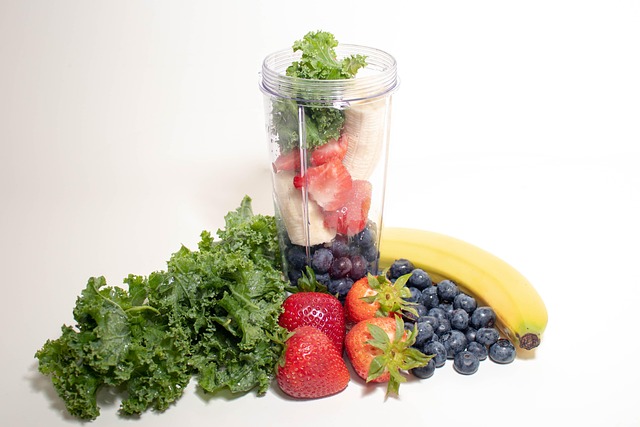
The ability of certain smoothie ingredients to promote a feeling of fullness, or satiety, is not based on a single mechanism but rather a combination of physiological effects. Understanding these mechanisms helps clarify which components are most likely to be effective and why.
Core Mechanisms of Action
Ingredients that enhance satiety typically work through one or more of the following pathways:
- Increased Viscosity and Gastric Distension: Soluble fibers like psyllium, chia seeds, and oats form a gel-like substance when mixed with liquid. This increases the volume and viscosity of stomach contents, slowing gastric emptying and stimulating stretch receptors that signal fullness to the brain.
- Hormonal Modulation: Protein and certain fats are potent stimulators of gut hormones like peptide YY (PYY) and glucagon-like peptide-1 (GLP-1), which directly reduce appetite and food intake. This effect is strongly supported by evidence, particularly for whey and pea protein.
- Nutrient Density and Low Energy Density: Blends rich in fiber, water, and micronutrients but relatively low in calories (e.g., leafy greens, berries) provide volume and nutrition with minimal energy intake, helping to manage overall calorie consumption.
Evaluating the Evidence
The strength of evidence varies by ingredient. High-quality systematic reviews and meta-analyses provide strong support for the satiating effects of:
- Dietary Fiber: Particularly viscous, soluble fibers.
- Protein: Both animal and plant-based sources.
Evidence for other common ingredients is more nuanced. For example, while medium-chain triglycerides (MCTs) from coconut may influence satiety hormones, the effects in typical dietary amounts are modest and short-term. The evidence for specific "superfoods" like maca or spirulina for satiety is preliminary and often based on small, short-duration studies.
Clinical Perspective: From a clinical standpoint, the most reliable approach is to focus on the foundational elements—protein, viscous fiber, and overall nutrient density. These have the most robust data for supporting weight management as part of a balanced diet. The synergistic effect of combining them in a single meal, like a smoothie, is logical but should be viewed as a supportive tool, not a standalone solution.
Important Considerations: Individuals with certain medical conditions should exercise caution. Those with kidney impairment should consult a doctor before significantly increasing protein intake. People with gastrointestinal disorders like IBS may need to introduce high-fiber ingredients gradually to avoid exacerbating symptoms. As with any dietary change, it is prudent to discuss significant modifications with a healthcare provider or registered dietitian.
3. Risks and Contraindications for Specific Populations

While incorporating nutrient-dense smoothies can be a beneficial dietary strategy, it is clinically imperative to recognize that certain ingredients and the overall approach may pose risks for specific populations. A one-size-fits-all application is not appropriate, and individual health status must be considered.
Individuals with Chronic Kidney Disease (CKD)
Smoothies rich in potassium (e.g., from bananas, spinach, avocado) and phosphorus (e.g., from nuts, seeds, dairy) can be problematic for those with impaired kidney function. In advanced CKD, the kidneys cannot effectively excrete these minerals, leading to a dangerous buildup in the blood (hyperkalemia, hyperphosphatemia), which can affect heart rhythm and bone health. Patients with CKD should consult a nephrologist or renal dietitian for personalized guidance on safe fruit and vegetable portions.
Those with Diabetes or Significant Insulin Resistance
Even "healthy" smoothies can be a concentrated source of carbohydrates and natural sugars. Consuming large, rapidly absorbed liquid calories can cause significant postprandial blood glucose spikes. Careful management is required:
- Portion Control: Treat the smoothie as a meal replacement, not an addition.
- Macronutrient Balance: Always include a source of protein (e.g., Greek yogurt, protein powder) and healthy fat (e.g., nut butter, chia seeds) to blunt the glycemic response.
- Monitoring: Individuals are advised to check their blood glucose after consumption to understand personal tolerance.
People with Gastrointestinal Sensitivities or FODMAP Intolerance
High-fiber ingredients like certain fruits, cruciferous vegetables, and inulin (a common prebiotic fiber additive) can exacerbate symptoms of irritable bowel syndrome (IBS), inflammatory bowel disease (IBD) flares, or other functional gut disorders. Those following a low-FODMAP diet for symptom management should be particularly cautious with ingredients like mango, apple, pear, and high-fiber greens.
Other Key Considerations
- Dental Health: Frequent consumption of acidic fruit blends can contribute to dental enamel erosion. Using a straw and rinsing with water afterward can mitigate risk.
- Medication Interactions: High vitamin K content from leafy greens (e.g., kale, spinach) can interfere with the anticoagulant effect of warfarin. Consistency in daily vitamin K intake is crucial for patients on this medication.
- History of Eating Disorders: For individuals in recovery, rigid focus on "clean" or restrictive meal-replacement formulas can potentially trigger disordered eating patterns. A healthcare team should guide any dietary changes.
In summary, while smoothies can be a convenient vehicle for nutrients, they are not universally benign. Individuals with the conditions mentioned above, those taking specific medications, or anyone with significant health concerns should seek personalized advice from a physician or registered dietitian before making them a dietary staple.
4. Practical Guidance for Incorporating Smoothies into Diet

To effectively incorporate smoothies into a dietary pattern for satiety, a strategic approach is required. The primary goal is to use them as a tool to support nutritional adequacy and fullness, not as a casual, unplanned addition that could inadvertently increase total caloric intake.
A smoothie designed to promote fullness should be considered a meal replacement, not a beverage alongside a meal. This distinction is critical for weight management. Construct your blend with a balance of macronutrients:
- Protein: Add 20-30 grams from sources like Greek yogurt, skyr, protein powder, silken tofu, or cottage cheese. Protein is strongly evidenced to be the most satiating macronutrient.
- Fiber: Include 8-12 grams from vegetables (spinach, kale), whole fruits (berries, pear with skin), chia seeds, flaxseed, or oat bran. Fiber adds bulk and slows gastric emptying.
- Healthy Fats: Incorporate 10-15 grams from avocado, nut butters, or seeds. Fats trigger satiety hormones and aid in the absorption of fat-soluble vitamins.
Consume your smoothie mindfully. Drink it slowly, ideally from a bowl with a spoon, rather than quickly through a straw. This practice aligns with behavioral research suggesting slower consumption can enhance satiety signals. Pairing it with a glass of water can also help increase gastric volume.
Clinical Consideration: While the individual components (protein, fiber, fat) have robust evidence for promoting satiety, high-quality long-term trials on smoothies specifically for weight management show mixed results. Success depends entirely on integration into a balanced diet. For individuals with diabetes, smoothies can cause a rapid glucose spike; using low-glycemic fruits and always including protein/fat is essential. Those with kidney disease should consult a clinician regarding high-potassium ingredients like bananas and spinach, and individuals with swallowing difficulties (dysphagia) must ensure the consistency is safe.
Finally, be cautious of calorie-dense add-ins like sweetened juices, honey, agave, or large amounts of dried fruit. These can transform a satiety-promoting meal into a high-sugar, high-calorie drink. Prioritize whole food ingredients and adjust portions based on your individual energy needs. As with any significant dietary change, individuals with chronic health conditions or those on medication should discuss this approach with a physician or registered dietitian.
5. Safety Considerations and When to Consult a Healthcare Professional

While incorporating nutrient-dense smoothies can be a positive dietary strategy, it is essential to approach them with clinical awareness. The evidence supporting specific ingredients for satiety, such as soluble fiber from psyllium or beta-glucans from oats, is relatively strong. However, the overall impact of a "smoothie blend" on long-term weight management or metabolic health is more nuanced and influenced by the complete diet and individual lifestyle factors.
Several key safety considerations must be acknowledged:
- Caloric Density: Smoothies can become high-calorie beverages if they include large amounts of nuts, seeds, nut butters, or sweeteners. Consuming them in addition to regular meals, rather than as a partial replacement, may lead to unintended weight gain.
- Blood Sugar Impact: Blending breaks down cellular structure, which can increase the glycemic index of fruits. Pairing fruits with protein, healthy fats, and fiber (as suggested in thoughtful blends) mitigates this, but individuals with insulin resistance, prediabetes, or diabetes should monitor their blood glucose response carefully.
- Digestive Sensitivity: A sudden, significant increase in dietary fiber—common when adding ingredients like chia seeds, flaxseeds, or high-fiber greens—can cause bloating, gas, or abdominal discomfort. It is advisable to increase fiber intake gradually and ensure adequate water consumption.
- Nutrient Interactions and Medical Conditions: Certain ingredients may interact with medications or be contraindicated in specific health conditions. For example, high levels of vitamin K from leafy greens can interfere with warfarin (a blood thinner), and high-oxalate greens like spinach may be problematic for individuals with a history of calcium-oxalate kidney stones.
Clinical Perspective: From a healthcare standpoint, smoothies are best viewed as a dietary tool, not a solution. Their effectiveness and safety are entirely context-dependent. A clinician would assess a patient's overall nutritional status, medical history, and medication regimen before endorsing a specific protocol. The risk lies in viewing these blends as isolated "health hacks" while neglecting the foundational principles of a balanced, whole-food diet.
Consult a healthcare professional before making significant dietary changes if you:
- Have a chronic medical condition (e.g., diabetes, kidney disease, liver disease, gastrointestinal disorders like IBS or IBD).
- Are taking prescription medications, especially for blood thinning, diabetes, blood pressure, or thyroid conditions.
- Are pregnant or breastfeeding.
- Have a history of or are in recovery from an eating disorder.
- Are considering replacing multiple meals per day with smoothies.
Ultimately, these blends can support satiety as part of a mindful eating pattern. However, individualization and professional guidance are paramount for ensuring they align safely with your unique health profile and goals.
6. Questions & Expert Insights
Can a smoothie truly keep me full longer than a solid meal?
The satiating power of a smoothie depends entirely on its composition. A smoothie high in refined sugars and low in fiber and protein will likely lead to a rapid blood sugar spike and crash, increasing hunger. However, blends designed for fullness strategically combine macronutrients: protein (from Greek yogurt, protein powder, or nut butter) and fiber (from whole fruits, vegetables, chia, or flaxseed) are key. These nutrients slow gastric emptying and trigger the release of satiety hormones like peptide YY and GLP-1. The physical volume and viscosity of a thick smoothie can also promote a feeling of fullness. While some studies suggest liquid calories may be less satiating than solid food, evidence indicates that nutrient-dense, high-protein/fiber beverages can be an effective tool for appetite control when used intentionally, not merely as a drink.
Are there any risks or people who should avoid these "fullness" smoothies?
Yes, certain individuals should exercise caution or avoid this approach. Those with chronic kidney disease need to be mindful of potassium and phosphorus levels, which can be high in smoothies with spinach, bananas, and chia seeds. Individuals with gastrointestinal disorders like IBS may experience bloating or discomfort from high-FODMAP ingredients (e.g., certain fruits, inulin fiber). For people with a history of eating disorders or disordered eating, focusing intensely on "fullness" and restrictive recipes can be triggering. Furthermore, smoothies can contribute to dental erosion due to acidity and sugar content—drinking through a straw and rinsing with water afterward is advised. Always consider individual allergies and intolerances to common ingredients like nuts, dairy, or soy.
When should I talk to my doctor or a dietitian about using these smoothies?
Consult a healthcare professional before making significant dietary changes if you have any underlying medical condition, take medications, or have specific health goals. This is crucial for individuals with diabetes (to manage carbohydrate impact), kidney disease, heart conditions requiring sodium/potassium management, or those on blood thinners (like warfarin) where vitamin K intake from leafy greens needs consistency. Prepare for the conversation by bringing a list of the specific ingredients and approximate amounts you plan to use. Discuss your overall goal (e.g., weight management, increased vegetable intake) so they can help integrate the smoothies safely into your broader nutritional and medical plan, ensuring no nutrient deficiencies or interactions.
How strong is the evidence behind "satiety smoothies"?
The evidence is promising but nuanced. Numerous studies robustly support the individual satiating effects of dietary fiber (especially viscous fibers like psyllium or beta-glucan) and high-protein intake. Research on specific whole-food combinations in smoothie form is more limited, often consisting of smaller, shorter-term studies. While these trials frequently show positive effects on appetite hormones and self-reported hunger, longer-term data on weight management and sustainability are less conclusive. The evidence is strongest for using such smoothies as a controlled replacement for a higher-calorie or less-balanced meal. It is weaker for claims that they "boost metabolism" or lead to dramatic weight loss without other lifestyle changes. The practical takeaway is that they are a useful tool within a balanced diet, not a standalone solution.
7. In-site article recommendations
8. External article recommendations
9. External resources
The links below point to reputable medical and evidence-based resources that can be used for further reading. Always interpret them in the context of your own situation and your clinician’s advice.
-
examine examine.comsmoothie blends – Examine.com (search)
-
wikipedia wikipedia.orgsmoothie blends – Wikipedia (search)
-
mayoclinic mayoclinic.orgsmoothie blends – Mayo Clinic (search)
These external resources are maintained by third-party organisations. Their content does not represent the editorial position of this site and is provided solely to support readers in accessing additional professional information.