
1. Introduction to Smoothie-Based Nutrition and Superfood Context

Incorporating blended beverages into a dietary pattern can be a practical strategy for increasing the intake of whole fruits, vegetables, and other nutrient-dense foods. This chapter provides a foundational, evidence-based context for understanding the potential role of smoothies and so-called "superfoods" within a balanced diet.
The primary nutritional advantage of a well-constructed smoothie is its ability to efficiently deliver a concentrated source of vitamins, minerals, fiber, and phytonutrients. From a clinical perspective, this format may support individuals who have difficulty meeting daily fruit and vegetable recommendations or who require higher caloric and nutrient density, such as some older adults or those with increased metabolic demands.
Expert Insight: Clinicians often view smoothies as a dietary tool with dual potential. When composed primarily of whole foods, they can enhance nutrient intake. However, they can also become a source of excessive free sugars and calories if over-reliant on fruit juices, sweeteners, or large portions. The evidence supporting smoothies for weight management is mixed and highly dependent on their composition and how they are integrated into the overall diet.
The term "superfood" is a popular, non-clinical label often applied to foods with high concentrations of specific bioactive compounds, such as antioxidants or anti-inflammatory agents. Examples commonly used in smoothies include:
- Leafy greens (e.g., kale, spinach): Strong evidence supports their high content of vitamins A, C, K, and folate.
- Berries: Robust data indicate they are rich in polyphenols and fiber, associated with cardiovascular and cognitive health benefits in observational studies.
- Seeds (e.g., chia, flax): Good evidence supports their value as sources of alpha-linolenic acid (an omega-3 fatty acid) and soluble fiber.
It is crucial to distinguish between the strong evidence for the nutrient density of these individual ingredients and the more limited evidence for extraordinary health claims attached to the "superfood" label. Health benefits are best understood in the context of the overall dietary pattern, not from isolated "magic bullet" foods.
Who should exercise caution? Individuals with kidney disease may need to monitor high-potassium ingredients like spinach and bananas. Those with blood sugar dysregulation, including diabetes, should be mindful of the carbohydrate load and prioritize ingredients high in fiber and healthy fats. Anyone with a history of swallowing difficulties (dysphagia) or on texture-modified diets should consult a healthcare professional. As with any significant dietary change, consultation with a physician or registered dietitian is recommended to ensure personal suitability.
2. Scientific Evidence and Mechanisms of Action for Key Ingredients

Understanding the evidence behind popular smoothie ingredients allows for informed choices. The benefits of many components are supported by research, though the strength of evidence varies significantly.
Strong Evidence for Core Nutrients
Certain ingredients provide well-established nutritional value. For example:
- Leafy Greens (Spinach, Kale): Rich in vitamins A, C, K, and minerals like iron and magnesium. Their high nitrate content is linked to improved blood flow and endothelial function, as shown in randomized controlled trials.
- Berries (Blueberries, Strawberries): Contain anthocyanins and other polyphenols. Meta-analyses of human studies consistently associate regular berry consumption with improved markers of oxidative stress and inflammation.
- Flaxseed or Chia Seeds: Excellent sources of alpha-linolenic acid (an omega-3 fatty acid) and soluble fiber. Clinical evidence strongly supports their role in promoting healthy lipid profiles and improving bowel regularity.
Areas of Promising but Preliminary Evidence
Other ingredients show potential but require more robust human trials.
- Turmeric (Curcumin): Laboratory and some human studies indicate potent anti-inflammatory activity via NF-κB pathway inhibition. However, its bioavailability is very low without piperine (from black pepper), and large-scale, long-term outcome studies are limited.
- Adaptogens (Ashwagandha, Maca): Preliminary research suggests these may help modulate stress response and cortisol levels. Evidence is often from small, short-term studies, and effects can vary widely between individuals.
- Spirulina: A nutrient-dense algae. Some trials show benefits for allergic rhinitis and possibly blood pressure, but more research is needed to confirm optimal dosing and long-term effects in general populations.
Clinical Perspective: The synergistic effect of combining whole foods in a smoothie is plausible but difficult to study in isolation. While individual mechanisms are understood, the net health impact depends on the overall dietary pattern, not a single beverage. Furthermore, blending does not destroy fiber, but it can alter the food matrix, potentially affecting satiety and glycemic response compared to eating whole fruits and vegetables.
Important Cautions: Individuals on blood thinners (e.g., warfarin) should maintain consistent vitamin K intake from greens. Those with kidney issues may need to limit high-potassium ingredients. Anyone with a history of hormone-sensitive conditions or on medication should consult a physician before regularly consuming adaptogens or large amounts of soy-based ingredients. These formulas are dietary supplements, not treatments for medical conditions.
3. Potential Risks and Contraindications for Specific Populations
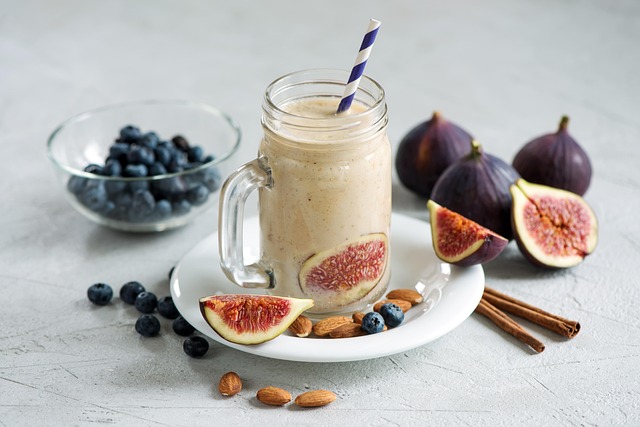
While nutrient-dense smoothies can be a valuable component of a balanced diet, their ingredients—particularly in concentrated "superfood" formulas—are not universally safe. Certain populations must exercise significant caution due to potential interactions with health conditions and medications.
Individuals with Kidney Conditions
Smoothies high in potassium (e.g., from spinach, bananas, avocado) or oxalates (e.g., spinach, beet greens) can pose risks for those with compromised kidney function. Impaired kidneys may struggle to excrete excess potassium, leading to hyperkalemia, a serious cardiac risk. High oxalate intake can contribute to kidney stone formation in susceptible individuals.
Those on Anticoagulant Therapy
Ingredients like spinach, kale, and other dark leafy greens are high in vitamin K, which plays a direct role in blood clotting. For individuals taking vitamin K antagonists (e.g., warfarin), sudden, large changes in vitamin K intake can destabilize INR levels, reducing medication efficacy and increasing thrombosis or bleeding risk. Consistency is key; any dietary change should be discussed with a healthcare provider.
People with Digestive Disorders or Blood Sugar Concerns
- FODMAP Sensitivity/IBS: Common smoothie ingredients like mango, apple, high-fructose sweeteners, and certain fibers can trigger bloating, gas, and pain.
- Diabetes or Prediabetes: Smoothies can deliver a high glycemic load from fruits and sweeteners, causing rapid blood sugar spikes, especially when fiber is pulverized and consumed without other macronutrients.
- GERD/Acid Reflux: Citrus fruits and acidic ingredients may exacerbate symptoms.
Other Key Considerations
Drug-Nutrient Interactions: Beyond anticoagulants, ingredients like grapefruit can interfere with the metabolism of numerous medications (e.g., statins, some blood pressure drugs). "Green" smoothies with high vitamin K content may also interact with certain antibiotics.
Pregnancy and Lactation: While generally safe, pregnant individuals should avoid unpasteurized juices, excessive vitamin A (from very high doses of fortified ingredients or liver), and certain herbal additives not proven safe for pregnancy.
History of Eating Disorders: For individuals in recovery, rigid focus on "clean," nutrient-dense formulas can potentially reinforce restrictive patterns and should be approached under the guidance of a treatment team.
Clinical Perspective: The principal risk often lies not in a single ingredient, but in the cumulative dose and individual context. A food that is healthy for the general population can be problematic in a medical condition. Always review the complete ingredient list of any formula. If you have a chronic health condition or take regular medication, consult your physician or a registered dietitian before significantly altering your dietary pattern with specialized smoothies.
4. Practical Guidelines for Incorporating Smoothies into a Balanced Diet

To derive nutritional benefit from smoothies while supporting overall metabolic health, they should be integrated thoughtfully into an existing balanced diet. The primary clinical consideration is to treat them as a component of a meal or snack, not a wholesale replacement for whole foods. This approach helps manage energy intake, blood sugar response, and nutrient absorption.
Strategic Integration and Portion Control
Consider the following evidence-based strategies for responsible incorporation:
- As a Meal Component: Use a smoothie to replace one element of a meal, such as a side dish. Pair it with other whole foods—for example, a vegetable-based smoothie alongside a serving of lean protein and healthy fats.
- For Satiety and Glycemic Control: Always include a source of protein (e.g., Greek yogurt, protein powder) and healthy fats (e.g., nut butter, avocado, chia seeds). This macronutrient combination slows digestion, moderates the postprandial glucose spike from fruits, and promotes fullness.
- Mindful of Energy Density: Be aware that calorie content can add up quickly with ingredients like nut butters, seeds, and sweeteners. For weight management goals, calculate smoothies into your daily energy budget.
Clinical Insight: From a dietary counseling perspective, smoothies can be a useful tool for increasing intake of fiber and phytonutrients, particularly for individuals with low fruit and vegetable consumption. However, the mechanical blending process may alter the food matrix, potentially affecting satiety signals compared to eating whole fruits. The evidence on this is mixed, but it supports the principle of not relying solely on liquid nutrition.
Populations Requiring Caution
Certain individuals should exercise particular care or consult a healthcare provider before making smoothies a dietary staple:
- Those with diabetes or prediabetes must carefully account for total carbohydrate and sugar content, prioritizing low-glycemic fruits and non-starchy vegetables.
- Individuals with kidney disease, especially those on potassium or phosphorus restrictions, need to monitor high-potassium ingredients like spinach, bananas, and certain seeds.
- People with a history of eating disorders or disordered eating patterns, as the focus on "clean" or "superfood" ingredients can sometimes exacerbate restrictive behaviors.
- Anyone on blood-thinning medications (e.g., warfarin) should maintain consistent vitamin K intake; suddenly adding large amounts of leafy greens like kale can interfere with medication efficacy.
In summary, smoothies are best utilized as a complementary strategy within a varied diet. Their nutritional impact is highly dependent on ingredient selection, portion size, and what they are displacing or accompanying. For personalized advice, particularly for those with chronic health conditions, consultation with a registered dietitian or physician is recommended.
5. Safety Protocols and When to Seek Medical Advice

While incorporating nutrient-dense smoothies can be a positive dietary strategy, it is essential to approach them with the same clinical caution as any other dietary modification. The term "superfood" is not a regulated medical classification, and the evidence for specific health claims varies widely. A foundational safety protocol is to view these formulas as part of a balanced diet, not as replacements for meals or medical treatments.
Key Safety Considerations
Before integrating new ingredients, consider these points:
- Allergies and Sensitivities: Novel seeds (e.g., chia, flax), nuts, or exotic powders (e.g., moringa, spirulina) can trigger allergic reactions or gastrointestinal discomfort in susceptible individuals.
- Drug-Nutrient Interactions: High-vitamin K greens (like kale and spinach) can interfere with anticoagulant medications like warfarin. Similarly, ingredients with strong antioxidant properties may theoretically interact with certain chemotherapy agents.
- Oxalate and Potassium Content: Smoothies heavy in spinach, beet greens, or Swiss chard can be high in oxalates, a concern for individuals with a history of calcium-oxalate kidney stones. Those with chronic kidney disease must monitor potassium intake from bananas, avocados, and leafy greens.
- Caloric and Sugar Density: Even "healthy" smoothies can be calorie-dense. Using large quantities of fruit, fruit juices, nut butters, or sweeteners can lead to unintended weight gain or blood sugar spikes, particularly for individuals with insulin resistance or diabetes.
Clinical Insight: From a dietary counseling perspective, the sudden introduction of high-fiber blends can cause significant bloating, gas, or changes in bowel habits. It is often advisable to start with smaller portions and gradually increase to allow the gastrointestinal microbiome to adapt. Furthermore, individuals with a history of disordered eating should be mindful, as an over-focus on "perfect" or "clean" ingredients can exacerbate unhealthy food relationships.
When to Consult a Healthcare Professional
Seeking personalized medical advice is strongly recommended in the following scenarios:
- If you have any chronic medical condition (e.g., diabetes, kidney disease, liver disease, cardiovascular disease, or autoimmune disorders).
- If you are pregnant, breastfeeding, or planning for pregnancy.
- If you are taking any prescription medications, especially blood thinners, immunosuppressants, or drugs for diabetes or hypertension.
- If you experience any adverse symptoms after consumption, such as rash, itching, swelling, digestive distress, or unusual changes in energy or mood.
- If you are considering using smoothies for therapeutic purposes, such as managing a specific deficiency or disease state.
A registered dietitian or your primary care physician can help you tailor these dietary additions to your personal health profile, ensuring benefits are maximized and risks are minimized. The most evidence-based approach is one of moderation and integration into an overall healthy lifestyle.
6. Questions & Expert Insights
Can a smoothie truly be "revolutionary" for my health?
While the term "revolutionary" is often used in wellness marketing, it's more clinically accurate to view these smoothies as nutrient-dense dietary tools. The "revolution" lies not in a single ingredient but in the strategic combination of whole foods that provide a synergistic blend of fiber, phytonutrients, vitamins, and minerals. For example, blending spinach with a source of vitamin C (like citrus) can enhance iron absorption. The primary benefit is consistent, convenient intake of compounds with strong epidemiological and mechanistic evidence for supporting health, such as the anti-inflammatory effects of turmeric's curcumin (best paired with black pepper for absorption) or the cardiovascular benefits of oats and berries. However, they are not magic bullets and should complement, not replace, a balanced diet.
What are the potential risks or downsides of drinking these smoothies regularly?
Several important considerations exist. First, caloric and sugar content can be high, especially with multiple fruits, sweeteners, or large portions, potentially contributing to weight gain or blood sugar dysregulation if not accounted for within total daily intake. Second, for individuals with kidney disease, smoothies high in potassium (spinach, bananas) or phosphorus (chia seeds, nuts) may require moderation. Third, high-fiber blends can cause gastrointestinal distress (bloating, gas) if introduced too quickly. Fourth, adding supplements like high-dose powders (e.g., maca, spirulina) introduces risk of contamination, medication interactions, or excessive nutrient intake. Those with a history of eating disorders should be cautious, as a focus on "perfect" health foods can exacerbate disordered patterns.
Who should talk to a doctor before trying these formulas, and what should they discuss?
Consult a physician or registered dietitian if you have: chronic kidney disease, diabetes or prediabetes, a history of oxalate kidney stones, active gastrointestinal conditions (like IBD or IBS), are pregnant or breastfeeding, or are on medications (especially blood thinners like warfarin, or drugs for diabetes or hypertension). Prepare for the conversation by bringing a specific list of all ingredients you plan to use, including approximate quantities. Discuss your goals (e.g., "I want to lower inflammation" or "increase energy") and ask: 1) Are any ingredients contraindicated with my conditions or medications? 2) How should I adjust my medication or meal plan to accommodate this smoothie? 3) What is a safe serving size and frequency for me? This ensures a personalized, safe approach.
How strong is the evidence for the "hidden benefits" of ingredients like maca or ashwagandha?
The evidence for adaptogens and certain botanicals is promising but preliminary and often mixed compared to the robust data for core ingredients like berries, leafy greens, and oats. For ashwagandha, several randomized controlled trials (RCTs) suggest modest benefits for reducing stress and anxiety, but study durations are often short, and optimal dosing is not firmly established. For maca root, some RCTs indicate potential for improving mood and mild sexual dysfunction, but results are inconsistent. Limitations include small sample sizes, variability in extract quality, and a lack of very long-term safety data in diverse populations. While these ingredients have long traditional use histories, they should be viewed as potential supportive agents, not proven primary treatments for medical conditions. Their "benefit" in a smoothie may be subtle and highly individual.
7. In-site article recommendations
8. External article recommendations
Related Resources
9. External resources
The links below point to reputable medical and evidence-based resources that can be used for further reading. Always interpret them in the context of your own situation and your clinician’s advice.
-
mayoclinic mayoclinic.orgsmoothie formulas – Mayo Clinic (search)
-
healthline healthline.comsmoothie formulas – Healthline (search)
-
wikipedia wikipedia.orgsmoothie formulas – Wikipedia (search)
These external resources are maintained by third-party organisations. Their content does not represent the editorial position of this site and is provided solely to support readers in accessing additional professional information.