
1. Introduction to Detoxification and Smoothie Routines
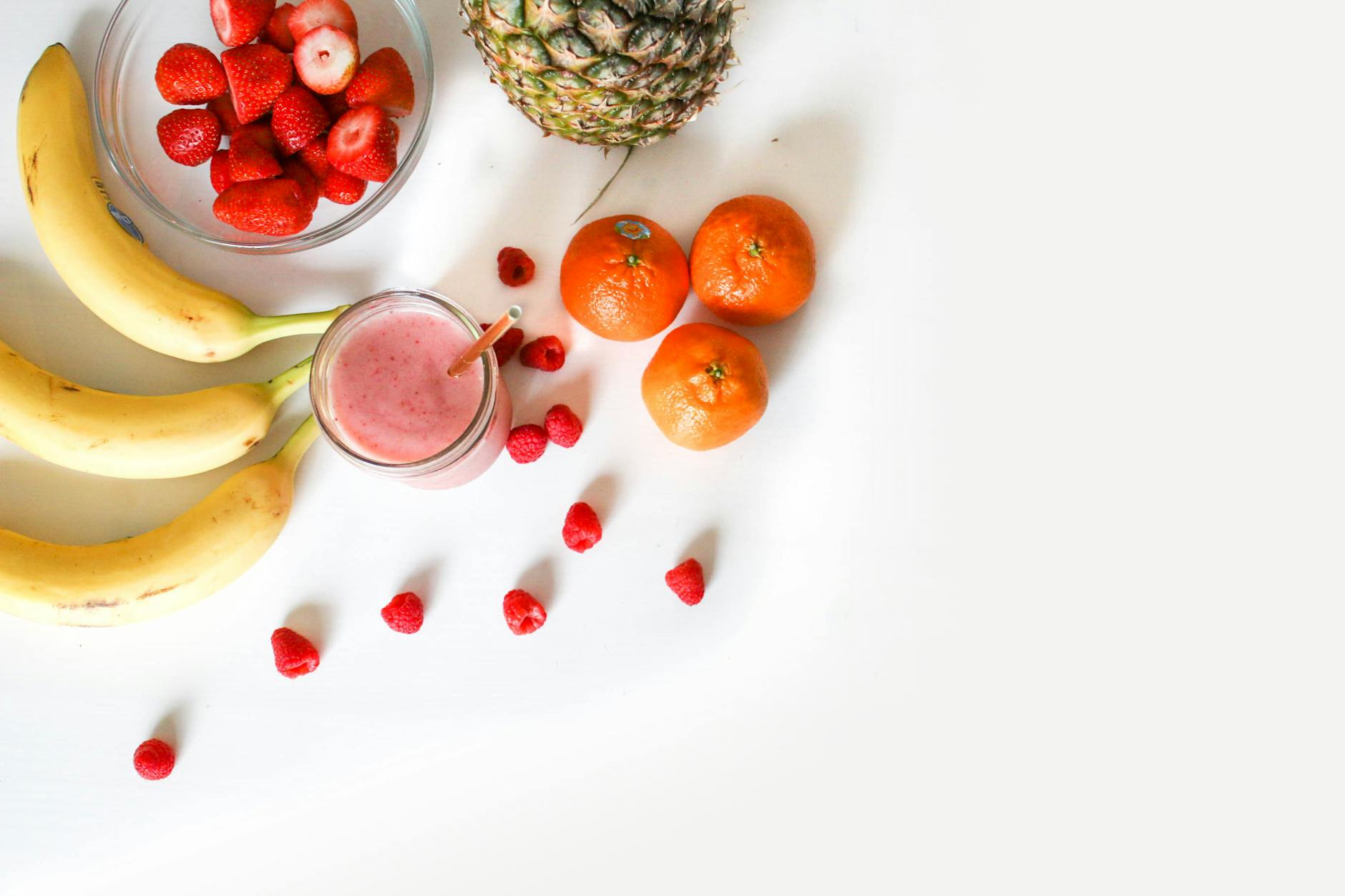
The term "detox" is widely used in wellness culture, but its meaning is often ambiguous. From a clinical perspective, the human body possesses highly efficient, endogenous detoxification systems. The liver, kidneys, gastrointestinal tract, skin, and lungs work continuously to neutralize and eliminate metabolic waste products and environmental toxins.
Therefore, a science-informed approach to a "detox routine" does not imply a radical cleanse but rather focuses on supporting these innate physiological processes. This is achieved by reducing the intake of substances that burden these systems while providing nutrients that enhance their function.
Incorporating nutrient-dense smoothies into a daily routine can be a practical strategy within this framework. When designed correctly, they offer a concentrated source of:
- Dietary fiber: Supports gut health and regular elimination.
- Antioxidants: Helps combat oxidative stress, a byproduct of metabolism and toxin exposure.
- Phytonutrients: Plant compounds that may support liver enzyme pathways involved in detoxification.
- Hydration: Essential for kidney function and overall cellular processes.
Clinical Perspective: It is crucial to distinguish between supporting the body's natural detoxification capacity and the concept of a "cleanse" that promises to purge toxins. High-quality evidence for extreme detox diets is lacking, and they can be counterproductive or harmful. A sustainable, evidence-based approach prioritizes consistent, whole-food nutrition over short-term, restrictive protocols.
The evidence for specific "detox" protocols is mixed. While numerous studies confirm the health benefits of individual ingredients—like the antioxidants in berries or the glucosinolates in cruciferous vegetables—research on multi-ingredient "detox" smoothie regimens over a 30-day period is more limited. The benefits observed are likely attributable to improved overall dietary quality, increased micronutrient intake, and displacement of processed foods, rather than a unique "detoxifying" effect.
Who should exercise caution? Individuals with kidney disease, diabetes, or certain gastrointestinal disorders should consult a physician or registered dietitian before significantly altering their diet or fluid intake. Those with a history of eating disorders should avoid restrictive dietary protocols. Anyone on medication should discuss potential food-drug interactions with their healthcare provider.
This chapter introduces a balanced, evidence-informed perspective, setting the stage for exploring specific smoothie recipes designed to nourish the body and support its intrinsic regulatory systems.
2. Evidence-Based Mechanisms of Detox Ingredients
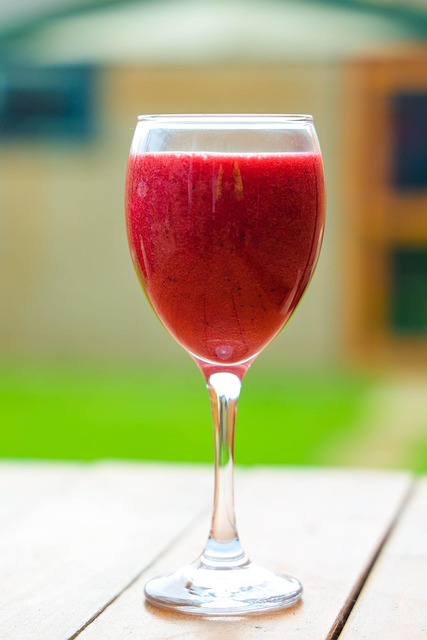
The term "detox" in popular health culture often lacks scientific precision. In a clinical context, detoxification refers to the body's intrinsic, continuous biochemical processes—primarily managed by the liver, kidneys, gut, and skin—that neutralize and eliminate metabolic waste and environmental toxins. The ingredients in evidence-based smoothies do not "detox" the body in a novel way; rather, they provide concentrated nutrients that support the optimal function of these endogenous systems.
Key Supportive Mechanisms
Specific food compounds can enhance the body's natural detoxification pathways through several well-documented mechanisms:
- Phase II Liver Enzyme Support: Cruciferous vegetables (e.g., kale, broccoli) contain glucosinolates, which are metabolized into compounds like sulforaphane. These are potent inducers of Phase II detoxification enzymes, which conjugate toxins into water-soluble forms for excretion.
- Antioxidant and Anti-inflammatory Activity: Chronic inflammation and oxidative stress can impair detox organ function. Berries, citrus fruits, and leafy greens are rich in polyphenols and vitamins C and E, which help reduce this burden, protecting cellular integrity in the liver and kidneys.
- Dietary Fiber and Gut Health: Soluble fiber from ingredients like chia seeds, flaxseed, and apples supports the binding and excretion of waste products (like bile acids) via the intestines. A healthy gut microbiome, supported by prebiotic fibers, also plays a crucial role in metabolizing and excreting various compounds.
- Hydration and Kidney Function: The high water content of smoothies, combined with water-rich fruits and vegetables, supports renal filtration, which is essential for eliminating water-soluble toxins.
Clinical Perspective: It is critical to distinguish between nutritional support of physiological processes and the concept of a "cleanse" that purportedly removes unspecified toxins. The evidence for these mechanisms is strong at the cellular and animal model level, but direct, high-quality human trials measuring "detox outcomes" from short-term smoothie consumption are limited. The benefit likely comes from displacing less nutrient-dense foods and providing a bolus of supportive phytochemicals.
Evidence Limitations and Cautions
While the biochemical pathways are sound, applying this to a "30-day detox" routine requires nuance. Most human studies examine long-term dietary patterns, not short-term interventions. The effects are supportive, not curative.
Individuals who should exercise caution or consult a physician before a significant dietary change include those with kidney disease (due to high potassium/oxalate content), diabetes (managing carbohydrate and sugar intake), gastrointestinal disorders like IBS, those on blood-thinning medications (affected by vitamin K in leafy greens), or anyone with a history of restrictive eating patterns.
3. Risks and Populations to Avoid Detox Smoothies

While nutrient-dense smoothies can be a valuable component of a balanced diet, the concept of a dedicated "detox" regimen carries specific risks. It is crucial to approach any 30-day dietary protocol with clinical awareness, as the evidence supporting the necessity of such cleanses is limited. The human body possesses highly efficient detoxification systems—primarily the liver, kidneys, and gastrointestinal tract—that function continuously without the need for specialized dietary interventions.
The primary risks associated with extended detox smoothie routines include:
- Nutrient Deficiencies and Caloric Restriction: Replacing multiple meals with smoothies can lead to an inadequate intake of essential macronutrients like protein and healthy fats, as well as micronutrients such as vitamin B12, iron, and zinc, which are less abundant in plant-based blends.
- Blood Sugar Dysregulation: Smoothies high in fruit sugars (fructose) but low in protein, fat, and fiber can cause rapid spikes and subsequent crashes in blood glucose, which is particularly concerning for individuals with insulin resistance or diabetes.
- Gastrointestinal Distress: A sudden, high intake of fermentable fibers (FODMAPs) from ingredients like mango, apple, or certain greens can exacerbate symptoms in individuals with irritable bowel syndrome (IBS).
- Disordered Eating Patterns: Strict, rule-based dietary protocols can reinforce an unhealthy relationship with food and may trigger or exacerbate conditions like orthorexia or other eating disorders.
Clinical Insight: From a medical perspective, the term "detox" is often a misnomer. There is no high-quality evidence that these routines eliminate toxins more effectively than the body's innate physiology. A more sustainable approach is to view smoothies as one tool for increasing fruit and vegetable intake within a varied, whole-foods diet, rather than as a purification protocol.
Specific populations should exercise extreme caution or completely avoid restrictive detox smoothie plans:
- Individuals with Chronic Kidney Disease: High-potassium ingredients common in green smoothies (e.g., spinach, banana) can lead to dangerous hyperkalemia.
- Those with Diabetes or Prediabetes: The carbohydrate load must be carefully managed in consultation with a healthcare provider.
- Pregnant or Breastfeeding Individuals: Caloric and nutrient needs are elevated; restrictive plans are contraindicated.
- People with a History of Eating Disorders.
- Individuals on Certain Medications: For example, blood thinners (like warfarin) require consistent vitamin K intake, which can be disrupted by sudden large changes in leafy green consumption.
- Those with Compromised Immune Systems or Serious Illness.
Before embarking on any significant dietary change, it is imperative to consult with a physician or a registered dietitian. They can provide personalized guidance, screen for underlying conditions, and help you integrate healthy habits safely and effectively, without the risks associated with unverified detox claims.
4. Practical Implementation of a 30-Day Smoothie Detox

Implementing a 30-day smoothie-based dietary plan requires a structured and balanced approach to support overall health while avoiding nutritional deficiencies. The core principle is to use a daily smoothie as a nutrient-dense meal replacement, typically for breakfast or lunch, while maintaining a diet of whole, unprocessed foods for other meals.
A sustainable implementation plan involves three key phases:
- Preparation (Days 1-3): Gradually reduce intake of ultra-processed foods, added sugars, and caffeine. This helps mitigate potential withdrawal symptoms like headaches or fatigue.
- Core Detox Phase (Days 4-27): Consume one scientifically formulated smoothie daily. Ensure the remaining two meals are composed of lean proteins, healthy fats, complex carbohydrates, and ample vegetables to provide fiber and sustained energy.
- Reintegration (Days 28-30): Begin to phase out the daily smoothie routine, consciously applying the healthier eating patterns established during the plan to your regular diet.
For the smoothies to be effective, they must be constructed with clinical intent. Each recipe should serve as a complete mini-meal, containing:
- Protein: (e.g., Greek yogurt, plant-based protein powder) to promote satiety and support muscle maintenance.
- Healthy Fats: (e.g., avocado, chia seeds, almond butter) to aid in the absorption of fat-soluble vitamins and provide long-lasting energy.
- Fiber: From whole fruits, vegetables, and seeds like flax or hemp, to support digestive regularity and gut microbiome health.
- Phytonutrients: From a variety of deeply colored berries and leafy greens, which provide antioxidants with anti-inflammatory properties.
Clinical Perspective: It is crucial to frame this not as a "detox" in the sense of purging toxins, but as a structured dietary intervention to increase intake of beneficial nutrients and displace less healthy options. The evidence for liver or kidney "cleansing" from smoothies alone is limited. The primary documented benefits are likely related to improved hydration, increased micronutrient and fiber intake, and a reduction in processed food consumption. This approach should complement, not replace, a balanced diet.
Individuals with diabetes, kidney disease, or those on medication (especially blood thinners or for diabetes) should consult their physician first, as significant changes in vitamin K or fiber intake can affect health status and drug efficacy. Those with a history of eating disorders should avoid restrictive meal-replacement plans. Listen to your body; significant fatigue, dizziness, or digestive distress are signs to stop and seek medical advice.
5. Safety Measures and Indications for Medical Consultation

While incorporating nutrient-dense smoothies into a 30-day routine can support dietary goals, it is essential to approach any dietary modification with clinical awareness. The term "detox" is often used in wellness contexts, but it lacks a standardised medical definition. The body's primary detoxification systems—the liver, kidneys, gastrointestinal tract, and skin—are highly efficient when supported by adequate nutrition and hydration. Smoothies can contribute to this support, but they are not a substitute for medical treatment or a panacea.
Before beginning any significant dietary change, certain individuals should consult a physician or a registered dietitian. This is particularly crucial for those with:
- Pre-existing medical conditions (e.g., diabetes, chronic kidney disease, liver disease, gastrointestinal disorders like IBS or IBD).
- Individuals on prescription medications, especially blood thinners (warfarin), diabetes medications, or drugs for hypertension, as dietary changes can alter their efficacy.
- Pregnant or breastfeeding individuals.
- Those with a history of or current eating disorders.
- Individuals with known food allergies or severe intolerances to common smoothie ingredients (e.g., nuts, dairy, soy, certain fruits).
Clinical Perspective: From a medical standpoint, the primary risk of a "detox" routine is the potential for nutrient imbalances or excessive caloric restriction. Smoothies should complement, not replace, balanced meals unless under specific clinical supervision. Be wary of any regimen that promotes severe restriction, promises rapid weight loss, or claims to "flush" toxins—these are not supported by robust evidence and can be harmful.
Implementing safety measures is straightforward. Ensure your recipes provide a balance of macronutrients (protein, healthy fats, fibre) to promote satiety and stable blood sugar. Introduce new ingredients gradually to monitor for digestive tolerance. Most importantly, view this 30-day routine as an opportunity to build sustainable, healthful habits rather than a short-term, drastic intervention.
If you experience any adverse symptoms—such as persistent fatigue, dizziness, nausea, abdominal pain, or changes in bowel habits—discontinue the routine and seek medical advice. The evidence supporting specific "detox" protocols is often preliminary or mixed; the strongest evidence consistently supports long-term dietary patterns rich in whole fruits, vegetables, and fibre.
6. Questions & Expert Insights
What does "detox" actually mean in a scientific context, and can a smoothie really do it?
The term "detox" is often used loosely. Scientifically, detoxification refers to the liver's enzymatic processes that neutralize and eliminate toxins, a continuous function supported by adequate nutrition. A 30-day smoothie routine is not a medical detox but a dietary intervention. The evidence supporting such plans is limited, often based on small, short-term studies. The potential benefit lies not in "flushing" toxins, but in temporarily displacing processed foods with a high intake of vitamins, minerals, antioxidants, and fiber from whole fruits and vegetables. This can support the body's inherent detoxification pathways by providing essential co-factors and reducing the metabolic burden of poor-quality foods. Think of it as a nutritional reset, not a purification.
Who should avoid or be extremely cautious with a 30-day smoothie detox plan?
Several groups should avoid this approach or only undertake it under direct medical supervision. This includes individuals with diabetes or prediabetes, due to the potential for significant blood sugar spikes from high-fruit smoothies; those with chronic kidney disease, who may need to restrict potassium and phosphorus found in many greens, nuts, and seeds; pregnant or breastfeeding individuals, who have increased and specific caloric/nutritional needs; anyone with a history of eating disorders, as restrictive plans can trigger relapse; and people on certain medications (e.g., blood thinners like warfarin affected by vitamin K in leafy greens, or diabetes medications). The high fiber and certain compounds (like oxalates) can also cause digestive distress or interact with conditions like IBS or kidney stones.
When should I talk to my doctor about starting a plan like this, and what should I discuss?
Consult a physician or a registered dietitian before starting any significant dietary change, especially one lasting 30 days. This is crucial if you have any chronic health condition, take medications, or are over 65. Bring a detailed list of the smoothie recipes' core ingredients to review for potential interactions with your health status or medications. Discuss your goals: are you seeking weight loss, improved energy, or digestive reset? Your doctor can help assess if this plan aligns with your needs or if a more tailored approach is safer. Be prepared to discuss your complete medical history. This conversation ensures the plan supports, rather than compromises, your overall health.
Is there strong evidence that a 30-day smoothie routine leads to long-term health benefits?
The evidence for long-term, sustained benefits from a discrete 30-day smoothie regimen is limited. Most research on the benefits of fruits and vegetables looks at consistent, lifelong dietary patterns, not short-term interventions. Any positive outcomes—like improved bowel regularity, better skin hydration from increased fluid and vitamin intake, or temporary weight loss—may not persist if you revert to your previous diet afterward. The greatest potential value is as a "gateway" to healthier habits, such as increased vegetable consumption and reduced intake of added sugars and processed foods. The key to long-term health is the dietary pattern you adopt after the 30 days, not the detox period itself.
7. In-site article recommendations
8. External article recommendations
9. External resources
The links below point to reputable medical and evidence-based resources that can be used for further reading. Always interpret them in the context of your own situation and your clinician’s advice.
-
healthline healthline.comdetox smoothies – Healthline (search)
-
mayoclinic mayoclinic.orgdetox smoothies – Mayo Clinic (search)
-
examine examine.comdetox smoothies – Examine.com (search)
These external resources are maintained by third-party organisations. Their content does not represent the editorial position of this site and is provided solely to support readers in accessing additional professional information.