
1. Introduction to Exercise and Nutrient Uptake Dynamics
The concept of "superfoods" often centers on their dense nutritional profiles, but the body's ability to absorb and utilize these nutrients—a process known as bioavailability—is a critical, often overlooked factor. This chapter explores the physiological interplay between structured physical activity, specifically strength training, and the mechanisms that may enhance nutrient uptake from a high-quality diet.
At its core, exercise is a potent modulator of systemic physiology. Strength training, in particular, induces acute and chronic adaptations that can create a more receptive internal environment for nutrients. The evidence for this connection varies in strength:
- Well-Supported Evidence: Resistance exercise reliably increases skeletal muscle blood flow and capillary density, improving the delivery of nutrients to muscle tissue. It also enhances insulin sensitivity, which improves cellular glucose uptake and may support better overall metabolic handling of carbohydrates and other nutrients.
- Emerging & Context-Dependent Evidence: Some research suggests exercise may influence the expression of certain nutrient transporters in the gut and muscles. The impact on the absorption of specific micronutrients (e.g., iron, calcium) or phytonutrients from so-called superfoods is an active area of study, with findings that can be mixed or preliminary.
It is crucial to understand that exercise does not act as a simple "multiplier" for nutrient absorption. Rather, it optimizes the physiological systems responsible for nutrient partitioning—directing dietary components toward storage, energy production, or tissue repair and growth more efficiently. This creates a synergistic relationship: high-quality nutrients provide the raw materials for recovery and adaptation, while the adaptive stimulus of exercise may improve the body's capacity to use those materials.
Clinical Perspective: From a clinical standpoint, viewing diet and exercise as an integrated system is far more valuable than isolating either component. While the evidence for exercise directly boosting the absorption of specific compounds like antioxidants is intriguing, the stronger, more consistent benefit is in metabolic conditioning. The goal is to build a resilient, responsive physiology that utilizes dietary intake effectively, not to seek shortcuts for "maximizing" superfood benefits in isolation.
Individuals with underlying metabolic, cardiovascular, or musculoskeletal conditions, or those who are new to exercise, should consult a physician or a qualified exercise professional before initiating a strength training regimen. This ensures safety and allows for program modifications tailored to individual health status and goals.
2. Evidence and Mechanisms Underlying the Relationship
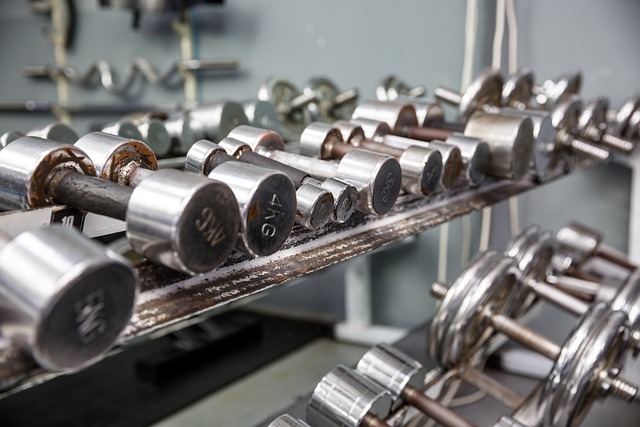
The proposed link between strength training and enhanced nutrient absorption is not a direct one. Instead, it is mediated by a series of well-established physiological adaptations to resistance exercise that create a more favorable internal environment for nutrient utilization. The evidence for this relationship is strongest at the mechanistic level, with direct human studies on "superfood" absorption being limited and often extrapolated from broader research.
The primary mechanisms can be summarized as follows:
- Improved Insulin Sensitivity: This is one of the most robust and well-documented effects of resistance training. Enhanced insulin sensitivity allows for more efficient uptake of glucose and amino acids into muscle cells post-exercise. This metabolic environment can extend to improving the body's overall handling of carbohydrates and potentially other nutrients.
- Increased Muscle Protein Synthesis (MPS): Strength training creates a powerful anabolic stimulus, increasing the demand for amino acids. This heightened MPS upregulates cellular machinery involved in transporting and incorporating amino acids from dietary protein, effectively improving the "absorption" and utilization of these building blocks for repair and growth.
- Modulation of Gut Health: Preliminary research in animal models and some human observational studies suggests that regular exercise can positively influence the gut microbiota composition and reduce systemic inflammation. A healthier gut environment is intrinsically linked to improved digestion and absorption of various nutrients, including vitamins, minerals, and phytonutrients found in plant-based "superfoods." However, this area requires more targeted human trials.
- Enhanced Blood Flow and Nutrient Delivery: Regular exercise improves cardiovascular function and capillary density in skeletal muscle. This improved circulation can facilitate the delivery of absorbed nutrients to the tissues that need them most, particularly following a meal.
Individuals with certain health conditions, such as uncontrolled hypertension, cardiovascular disease, or musculoskeletal injuries, should consult a physician or physical therapist before initiating a strength training regimen. Those with active gastrointestinal disorders should understand that exercise may affect gut motility and symptoms individually.
3. Contraindications and Populations at Risk

While the strategic integration of strength training and nutrition is broadly beneficial, it is not universally appropriate. A responsible approach requires identifying individuals for whom these practices may pose risks or require significant modification. The evidence supporting the synergistic effects of exercise and nutrient absorption is strong in healthy populations, but caution is paramount for those with pre-existing conditions.
Certain medical conditions necessitate direct medical supervision before initiating or intensifying a strength training regimen. Key populations include:
- Individuals with Cardiovascular Disease: Those with uncontrolled hypertension, heart failure, or a history of myocardial infarction must have their exercise plan approved and monitored by a cardiologist. Isometric movements or heavy lifting can cause dangerous spikes in blood pressure.
- Those with Musculoskeletal Injuries or Disorders: Acute injuries (e.g., tendon tears, fractures), severe osteoarthritis, or conditions like osteoporosis require tailored programming. Improper form or load can exacerbate damage.
- People with Kidney Disease: High-protein diets, often paired with strength training, can increase renal solute load. Patients with chronic kidney disease (CKD) must have protein intake and electrolyte balance managed by a nephrologist or renal dietitian.
The "superfood" component also carries specific cautions. While generally safe, concentrated sources of certain nutrients can interact with medications or conditions.
- Individuals on Anticoagulants: Foods high in vitamin K (e.g., kale, spinach) can interfere with warfarin efficacy. Consistency in intake is critical, and changes should be discussed with a physician.
- Those with Gastrointestinal Disorders: High-fiber superfoods or certain supplements may worsen symptoms in individuals with Irritable Bowel Syndrome (IBS), Inflammatory Bowel Disease (IBD), or gastroparesis.
- Pregnant and Lactating Individuals: Nutritional needs are specific and elevated. While strength training is often encouraged, exercise intensity and certain supplements or herbal-based "superfoods" must be cleared by an obstetrician.
Clinical Perspective: The most common oversight is self-prescribing an aggressive nutrition and training plan while managing a chronic condition in isolation. For example, a patient with type 2 diabetes adjusting macronutrients for muscle gain must monitor glucose response closely, as exercise and diet changes significantly impact insulin sensitivity. A collaborative team—physician, dietitian, physical therapist—is the gold standard for safe, effective implementation in at-risk populations.
If you belong to any of these groups, or have other chronic health concerns, consulting your physician and a registered dietitian is an essential first step. They can help you adapt the principles of combined training and nutrition to support your health without introducing avoidable risk.
4. Actionable Recommendations for Integration
To effectively integrate the four strategic strength moves with your nutrition, a structured, evidence-based approach is essential. The goal is to create a synergistic effect where exercise potentiates the metabolic pathways that utilize nutrients, rather than viewing diet and training as separate entities.
Practical Implementation Framework
Adopt a sequential, not simultaneous, strategy. Consume your nutrient-dense meal containing proteins, healthy fats, and phytonutrients (e.g., leafy greens, fatty fish, berries) within 1-2 hours after your strength session. This timing leverages the post-exercise "anabolic window," a period of heightened insulin sensitivity and cellular activity where nutrient uptake and utilization for repair and synthesis are optimized.
- Day 1 (Lower Body Focus): Perform squats and deadlifts. Follow with a meal rich in iron (spinach, lentils) and vitamin C (bell peppers, citrus) to enhance iron absorption for oxygen transport and recovery.
- Day 2 (Upper Body Focus): Perform presses and rows. Follow with a meal containing zinc (pumpkin seeds, lean beef) and healthy fats (avocado, olive oil) to support immune function and fat-soluble vitamin absorption.
Evidence and Considerations
The recommendation for post-exercise nutrition is strongly supported by sports science literature for improving muscle protein synthesis and glycogen replenishment. The specific hypothesis that certain movements may upregulate pathways for particular phytonutrient absorption (e.g., curcumin, resveratrol) is more speculative and based on preliminary mechanistic data. The primary benefit is likely the exercise-induced improvement in overall metabolic health, which creates a more efficient system for processing all nutrients.
Clinical Insight: From a practical standpoint, consistency in both training and high-quality dietary intake matters more than perfect micronutrient timing. The proposed framework is a tool to enhance habit stacking. Patients with insulin resistance or type 2 diabetes may find this post-exercise meal timing particularly beneficial for glycemic control, but should monitor blood glucose responses individually.
Important Precautions
Individuals with uncontrolled hypertension, cardiovascular disease, or recent musculoskeletal injuries should consult a physician or physical therapist before commencing a new strength regimen. Those with kidney disease must be cautious with high-protein post-workout nutrition without medical guidance. This approach is not advised for individuals with a history of or active eating disorders, as it may promote overly rigid food and exercise timing.
Start with two sessions per week, focusing on form and moderate intensity, and ensure your post-workout nutrition is part of a balanced, whole-food diet throughout the day. The synergy emerges from long-term adherence, not isolated efforts.
5. Safety Protocols and Indicators for Medical Consultation
Integrating strength training with a nutrient-dense diet is a sound strategy for health. However, any new physical regimen requires prudent safety protocols. The evidence for exercise improving nutrient utilization is robust, but claims that specific "superfoods" are uniquely enhanced by specific lifts are often extrapolated from preliminary mechanistic studies. Your primary focus should be on safe exercise execution and recognizing when to seek professional guidance.
Essential Pre-Activity Protocols
Before beginning any strength training program, especially one intended to synergize with dietary changes, these foundational steps are non-negotiable:
- Medical Clearance: Individuals with pre-existing cardiovascular, metabolic (e.g., diabetes), renal, or musculoskeletal conditions, or those who are pregnant, must consult a physician. This is critical for those on medications (e.g., for blood pressure or blood sugar) as exercise can alter their effects.
- Proper Technique Mastery: Incorrect form is a primary cause of injury. Start with bodyweight or very light loads to learn the movement pattern before adding resistance. Consider a session with a certified trainer for form correction.
- Adequate Warm-up and Recovery: Never train cold muscles. Perform 5-10 minutes of dynamic movement (e.g., leg swings, arm circles). Equally, ensure rest days are scheduled for tissue repair and adaptation.
Key Indicators for Medical Consultation
Discontinue exercise and seek prompt medical evaluation if you experience any of the following during or after training:
- Chest pain, pressure, or unusual shortness of breath.
- Dizziness, lightheadedness, or fainting.
- Sharp, stabbing, or radiating pain in joints (knees, shoulders, back) or muscles, as opposed to general muscular fatigue.
- Pain that persists or worsens 24-48 hours after a session.
Clinical Perspective: From a safety standpoint, the "absorption" benefit is secondary. The primary risk is musculoskeletal injury from overexertion or poor technique. Furthermore, individuals with a history of disordered eating should approach any program linking food and exercise with caution, as it may inadvertently reinforce problematic patterns. Always prioritize the safe execution of movement over the pursuit of an ancillary nutritional benefit.
Finally, while exercise can modestly increase the metabolic demand for certain micronutrients, a balanced diet typically meets these needs. There is limited high-quality evidence that mega-dosing supplements or "superfoods" in conjunction with strength training provides superior health outcomes for the general population. The most effective and safest protocol remains consistent, moderate strength training paired with a varied, whole-food diet.
6. Questions & Expert Insights
Can strength training really change how my body absorbs nutrients from food?
The relationship is indirect but well-supported by physiology. Strength training stimulates muscle protein synthesis and increases insulin sensitivity. Improved insulin sensitivity allows for more efficient uptake of glucose and amino acids into muscle cells after a meal. Furthermore, exercise induces acute inflammation and muscle micro-tears, which upregulates cellular repair processes. This heightened anabolic state may increase the demand for and utilization of key nutrients like protein, antioxidants (e.g., from berries), and minerals like magnesium and zinc found in many "superfoods." However, the term "boost absorption" is nuanced. It doesn't mean your gut suddenly extracts more vitamins from kale; rather, it means your body's tissues become more receptive to utilizing the nutrients once they are in the bloodstream. The effect is synergistic—nutrient-dense foods provide the raw materials, and strength training creates an environment where those materials are put to optimal use.
What are the risks or side effects of combining intense training with a high-nutrient diet?
For most healthy individuals, this combination is safe and beneficial. However, specific risks must be acknowledged. A sudden, significant increase in dietary fiber from vegetables, legumes, and seeds—common in "superfood"-focused diets—can cause considerable gastrointestinal distress (bloating, gas, cramping) if not introduced gradually, potentially disrupting training. Overconsumption of certain nutrients, particularly fat-soluble vitamins (A, D, E, K) or minerals like iron from supplements and fortified foods, can lead to toxicity over time. Individuals with kidney impairment should be extremely cautious with high-protein diets, as they can exacerbate renal stress. Perhaps the most significant risk is the potential for this approach to morph into orthorexic or disordered eating patterns, where an obsessive focus on "optimal" food and exercise becomes psychologically harmful. Balance and sustainability are key.
Who should avoid or be very cautious with this approach?
Several populations should seek medical guidance before undertaking a regimen of strategic strength training coupled with a modified, nutrient-dense diet. This includes:
- Individuals with chronic kidney disease (CKD): High protein intake can accelerate decline in renal function.
- Those with unstable metabolic conditions: Such as poorly controlled Type 1 diabetes or a history of hypoglycemia, where nutrient timing around exercise requires careful management.
- People with active gastrointestinal disorders: Like IBD (Crohn's, ulcerative colitis) or IBS, where a sudden influx of high-fiber foods can trigger flares.
- Individuals with a history of eating disorders: The focus on "strategic" eating for performance can be a trigger for relapse.
- Those new to strength training or returning after a long hiatus: Risk of injury is high without proper technique, negating any potential nutritional benefits.
When should I talk to my doctor or a specialist, and what should I bring to that conversation?
Consult a physician or a registered dietitian (RD)/sports dietitian before starting if you have any chronic health condition, are taking medications, are pregnant, or are over 40 and previously sedentary. This conversation ensures your plan supports your overall health. Come prepared to discuss:
- Your specific goals: e.g., "I want to build muscle and improve energy levels."
- A detailed outline of your proposed training plan: Frequency, intensity, and the specific "strategic moves" you intend to do.
- A typical day of eating: List the "superfoods" and supplements you plan to incorporate, including approximate portions and timing relative to workouts.
- Your full medical history and current medications/supplements: This is crucial for identifying interactions (e.g., vitamin K-rich greens can interfere with blood thinners like warfarin).
7. In-site article recommendations
8. External article recommendations
9. External resources
The links below point to reputable medical and evidence-based resources that can be used for further reading. Always interpret them in the context of your own situation and your clinician’s advice.
-
mayoclinic mayoclinic.orgstrength training – Mayo Clinic (search)
-
healthline healthline.comstrength training – Healthline (search)
-
wikipedia wikipedia.orgstrength training – Wikipedia (search)
These external resources are maintained by third-party organisations. Their content does not represent the editorial position of this site and is provided solely to support readers in accessing additional professional information.