
1. Introduction to Herbal Infusions for Natural Cleansing

The concept of "cleansing" or "detoxification" is often associated with extreme dietary protocols, such as fasting or restrictive juice cleanses. However, a more sustainable and physiologically grounded approach focuses on supporting the body's intrinsic detoxification systems—primarily the liver, kidneys, digestive tract, and lymphatic system—through daily habits. Herbal infusions, or teas, can be a gentle, evidence-informed component of this supportive strategy.
It is crucial to clarify terminology from a clinical perspective. The human body is continuously engaged in metabolic detoxification, a complex series of enzymatic processes that neutralize and eliminate endogenous waste products and exogenous toxins. The goal of using herbal infusions is not to "purge" the body, but to provide bioactive plant compounds that may support the efficiency and resilience of these natural pathways. Potential mechanisms of action include:
- Providing Antioxidants: Many herbs are rich in polyphenols and flavonoids that combat oxidative stress, a byproduct of normal metabolism and toxin processing.
- Supporting Hepatic Function: Certain herbs contain compounds studied for their potential to support phase I and II liver detoxification enzyme activity.
- Promoting Healthy Elimination: Some herbs have mild diuretic or digestive-stimulating properties, aiding the kidneys and gastrointestinal tract in their excretory roles.
Clinical Perspective: The evidence for specific herbs varies widely. While some plant extracts have robust preclinical data, high-quality human clinical trials are often limited in size, duration, or specificity. Therefore, viewing herbal infusions as a complementary component of a healthy lifestyle—rather than a standalone therapeutic intervention—is the most balanced and responsible approach.
This chapter introduces the rationale behind selecting herbs for this purpose. The following sections will detail five specific infusions, examining the available evidence for each, their proposed mechanisms, and important safety considerations.
Who Should Exercise Caution: Individuals who are pregnant, breastfeeding, have known liver or kidney disease, or are taking prescription medications (especially blood thinners, diuretics, or drugs metabolized by the liver) should consult a physician before incorporating new herbal infusions. Those with a history of eating disorders should avoid any protocol framed around "cleansing."
2. Mechanisms and Evidence Behind Herbal Detoxification
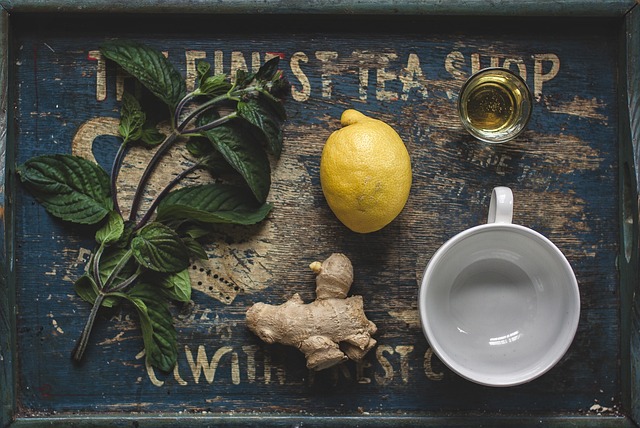
The concept of "detoxification" in popular health culture is often vague, but from a clinical perspective, it refers to the body's intrinsic, multi-organ processes for neutralizing and eliminating metabolic waste, environmental toxins, and xenobiotics. The primary organs involved are the liver, kidneys, gastrointestinal tract, and skin. Herbal infusions are not a substitute for these organs but may offer supportive compounds that enhance their natural functions.
The proposed mechanisms by which certain herbs may support these processes include:
- Phase I & II Liver Enzyme Modulation: Some herbs contain phytochemicals that can upregulate the activity of cytochrome P450 enzymes (Phase I) and conjugation enzymes like glutathione S-transferase (Phase II), potentially improving the liver's capacity to process fat-soluble toxins into water-soluble forms for excretion.
- Choleretic and Cholagogue Effects: Bitter herbs, such as dandelion root, can stimulate bile production (choleretic) and flow (cholagogue). Bile is a primary route for excreting metabolized toxins and excess cholesterol.
- Diuretic Action: Herbs like nettle leaf have mild diuretic properties, which may support the kidneys in filtering and excreting water-soluble waste products through increased urine output.
- Antioxidant and Anti-inflammatory Support: Many herbs are rich in polyphenols and flavonoids. By reducing oxidative stress and inflammation, they may protect hepatic and renal cells from damage during normal metabolic detoxification processes.
The evidence for these mechanisms varies significantly in strength. While in vitro and animal studies provide a plausible biochemical rationale for many herbs, high-quality human clinical trials are often limited, small, or short-term. For example, studies on milk thistle (silymarin) for liver health are more robust, while evidence for other herbs is more preliminary or mixed.
Clinical Perspective: It is crucial to understand that "enhancing natural cleansing" does not equate to a radical purge or cure. The goal is gentle, daily support of homeostasis. The effects are subtle and cumulative, not immediate. Furthermore, the term "detox" should not imply that these herbs can counteract the effects of a chronically poor diet, excessive alcohol, or pharmaceutical overdoses.
Individuals with certain health conditions should exercise particular caution and consult a physician before using herbal infusions for detox support. This includes those with known liver or kidney disease, gallstones, bile duct obstruction, those taking medications metabolized by the liver (due to risk of herb-drug interactions), and pregnant or breastfeeding individuals.
3. Risks, Contraindications, and Populations to Avoid

While herbal infusions are often perceived as gentle and natural, they contain bioactive compounds that can interact with physiology and medication. A responsible approach requires understanding their potential risks and contraindications. The evidence for the safety profiles of many herbs is often based on traditional use, with modern clinical data being limited or mixed for specific populations.
Certain groups should exercise particular caution or avoid these infusions altogether without explicit medical guidance:
- Pregnant and Breastfeeding Individuals: Many herbs, including dandelion root, nettle, and those with strong diuretic properties, are not recommended due to a lack of robust safety data and potential effects on uterine tone or infant health.
- Individuals with Kidney or Liver Conditions: Herbs that promote diuresis or "detoxification" can place additional strain on compromised organs. For example, dandelion may be contraindicated in gallbladder disease or bile duct obstruction.
- Those on Prescription Medications: Significant herb-drug interactions are possible. Diuretic herbs can interfere with blood pressure or heart medications like furosemide. Others may affect blood sugar levels, anticoagulants (e.g., warfarin), or immunosuppressants.
- People with Known Allergies: Allergies to plants in the Asteraceae family (e.g., chamomile, dandelion, milk thistle) or other botanicals are a clear contraindication.
- Individuals with Electrolyte Imbalances or Eating Disorders: Regular use of diuretic herbs can exacerbate electrolyte disturbances, posing serious cardiac risks.
Clinical Perspective: From a medical standpoint, the concept of "cleansing" is not supported by physiology; the liver and kidneys perform this function continuously. Therefore, the primary risk of these infusions is not from "toxins" but from the direct pharmacological action of the herbs themselves and their interactions with pre-existing conditions or treatments. Dosing and duration are critical—what may be benign as an occasional beverage can become problematic with chronic, high-volume consumption.
It is essential to consult a physician or a qualified herbalist familiar with your full medical history before incorporating any herbal infusion regimen, especially if you belong to one of the above groups or are managing a chronic health condition. Discontinue use immediately and seek medical advice if you experience any adverse reactions such as gastrointestinal distress, allergic symptoms, or unusual changes in urination or energy levels.
4. Practical Guidance for Using Herbal Infusions Safely

Incorporating herbal infusions into a wellness routine requires a measured, evidence-based approach to ensure safety and efficacy. The primary goal is supportive, not therapeutic, and these infusions should be viewed as a complement to a balanced diet and healthy lifestyle, not a substitute for medical care.
To maximize potential benefits and minimize risks, adhere to these general principles:
- Start Low and Go Slow: Begin with a weak infusion (e.g., one teaspoon of dried herb per cup) once daily. Observe your body's response for several days before considering a slightly stronger brew or more frequent consumption.
- Prioritize Quality: Source herbs from reputable suppliers that provide information on origin and purity. Organic certification can help minimize exposure to pesticides and contaminants.
- Respect Steeping Time: Follow recommended steeping times, typically 5-10 minutes for most dried leaves and flowers. Over-steeping can lead to overly bitter compounds and, in some cases, increased concentrations of potentially irritating constituents.
- Maintain Hydration Balance: While infusions contribute to fluid intake, they should not replace plain water. Some herbs have mild diuretic properties, making adequate water consumption essential.
- Implement Breaks: Avoid continuous, long-term daily use of the same herb. A common practice is to consume an infusion for 4-6 weeks, then take a 1-2 week break to prevent potential habituation or unintended physiological adaptation.
Clinical Insight: From a medical perspective, "cleansing" is a misleading term, as the liver and kidneys perform detoxification continuously. The value of these infusions lies in their potential to provide supportive phytochemicals and promote healthy hydration. However, their bioactive compounds can interact with medications via cytochrome P450 enzymes or have direct pharmacological effects. For instance, dandelion root may interact with diuretics and lithium, while compounds in milk thistle can affect the metabolism of numerous drugs. Always disclose herbal supplement use to your healthcare provider.
Who Should Exercise Extreme Caution: Certain individuals should consult a physician or a qualified herbalist before use. This includes pregnant or breastfeeding women, individuals with known kidney or liver disease, those on prescription medications (especially anticoagulants, diuretics, diabetes drugs, or immunosuppressants), and people with a history of hormone-sensitive conditions or allergies to plants in the Asteraceae/Compositae family (e.g., ragweed, chrysanthemums).
The evidence supporting specific "cleansing" claims for herbs is often preliminary or based on traditional use. A responsible approach focuses on gentle support, acknowledges the limitations of the data, and prioritizes safety through informed, moderate consumption.
5. Safety Protocols and When to Consult a Healthcare Provider

While herbal infusions are often perceived as gentle and natural, they contain bioactive compounds that can interact with your physiology and medications. A responsible approach requires establishing clear safety protocols before integrating them into your routine.
Core Safety Protocols
Adhering to these foundational guidelines can significantly mitigate risk:
- Start Low and Go Slow: Begin with a weak infusion (e.g., one teaspoon of herb per cup) once daily to assess tolerance before increasing strength or frequency.
- Cycle Your Intake: Avoid continuous, long-term daily use of the same herb. A common protocol is to consume an infusion for 4-6 weeks, followed by a 1-2 week break to prevent cumulative effects and receptor downregulation.
- Source Responsibly: Purchase herbs from reputable suppliers that provide information on origin, cultivation (preferably organic), and batch testing for contaminants like heavy metals or pesticides.
- Listen to Your Body: Discontinue use immediately if you experience adverse reactions such as gastrointestinal distress, rash, headache, or palpitations.
Clinical Insight: The term "cleansing" is not a recognized medical diagnosis. From a clinical perspective, these infusions primarily support established physiological pathways like hepatic phase II detoxification, renal filtration, or gentle diuresis. The evidence for their efficacy is often based on traditional use and preliminary in-vitro or animal studies, with a relative scarcity of large-scale, long-term human trials. This underscores the importance of a cautious, evidence-informed approach.
When to Consult a Healthcare Provider
Certain conditions and medications necessitate professional guidance. You should consult your doctor or a qualified herbalist before use if you:
- Are pregnant, breastfeeding, or attempting to conceive.
- Have a known medical condition, particularly involving the liver, kidneys, heart, or endocrine system.
- Have a history of hormone-sensitive conditions (e.g., certain cancers, endometriosis) or electrolyte imbalances.
- Are taking prescription medications, especially for diabetes, hypertension, blood thinning (e.g., warfarin), immunosuppression, or psychiatric conditions, due to potential herb-drug interactions.
- Are scheduled for surgery, as some herbs can affect bleeding or anesthesia.
- Have a history of eating disorders, as a focus on "cleansing" can trigger unhealthy patterns.
Ultimately, herbal infusions should complement, not replace, foundational health practices. Their role is best framed as one component of a balanced lifestyle that includes a nutrient-dense diet, adequate hydration, and regular physical activity.
6. Questions & Expert Insights
Can herbal infusions truly "detox" or "cleanse" my body?
The term "detox" is often used loosely in wellness circles. From a clinical perspective, your liver, kidneys, gastrointestinal tract, and skin are your primary and highly effective detoxification organs. Herbal infusions do not perform a new or magical cleansing function. Instead, certain herbs may provide compounds that support the natural biochemical pathways in these organs. For example, dandelion root is studied for its potential to support bile flow (a liver function), while nettle leaf acts as a gentle diuretic, supporting kidney filtration. The benefit lies in supportive nutrition, not in a radical purge. The evidence for most herbs is based on traditional use and preliminary pharmacological studies; large-scale, long-term human trials are often lacking.
What are the key risks or side effects of drinking herbal cleansing infusions?
While often perceived as "natural" and therefore safe, herbal infusions carry pharmacological risks and can cause significant side effects or interactions. Key concerns include: Drug-Herb Interactions (e.g., dandelion or burdock may interact with diuretics or diabetes/anticoagulant medications), Allergic Reactions (especially to plants in the Asteraceae family like chamomile), and Gastrointestinal Distress (such as cramping or diarrhea from senna or strong bitter herbs). Certain populations should be particularly cautious or avoid them altogether: individuals with kidney disease, liver disease, electrolyte imbalances, pregnant or breastfeeding women, and those with a history of eating disorders, as the "cleansing" focus can be triggering.
Who should absolutely avoid these infusions, and when should I talk to my doctor?
You should consult a doctor before starting any herbal regimen if you have a chronic health condition (especially kidney, liver, heart disease, or diabetes), are pregnant/breastfeeding, are scheduled for surgery, or are taking any prescription or over-the-counter medications. Bring a specific list of the herbs you're considering and your complete medication/supplement list to the appointment. This allows your physician or a pharmacist to check for interactions. Stop consumption immediately and seek medical advice if you experience symptoms like severe abdominal pain, persistent diarrhea, rash, swelling, or unusual changes in urine output. Herbal products are not regulated with the same rigor as pharmaceuticals, so ingredient purity and concentration can vary.
How do I integrate these infusions responsibly without falling for fasting or extreme cleanse claims?
Responsible integration means viewing these infusions as a complementary beverage choice, not a cure or a substitute for medical care. Avoid protocols that demand fasting, extreme calorie restriction, or promise rapid "toxin release." Instead, consider having one cup of a mild infusion (like lemon ginger or peppermint) in place of a sugary drink. Rotate herbs instead of consuming large quantities of a single one daily to minimize the risk of side effects from cumulative compounds. The foundation of health remains a balanced diet, adequate hydration with water, regular physical activity, and sufficient sleep. Herbal infusions can be a pleasant part of this foundation, but they are not the cornerstone.
7. In-site article recommendations
8. External article recommendations
9. External resources
The links below point to reputable medical and evidence-based resources that can be used for further reading. Always interpret them in the context of your own situation and your clinician’s advice.
-
mayoclinic mayoclinic.orgherbal infusions – Mayo Clinic (search)
-
wikipedia wikipedia.orgherbal infusions – Wikipedia (search)
-
drugs drugs.comherbal infusions – Drugs.com (search)
These external resources are maintained by third-party organisations. Their content does not represent the editorial position of this site and is provided solely to support readers in accessing additional professional information.