
1. Understanding Evening Cravings and Dietary Fiber

Evening cravings are a common experience, often driven by a complex interplay of physiological, psychological, and behavioral factors. From a physiological standpoint, cravings can arise from hormonal fluctuations, such as a natural evening rise in the hunger hormone ghrelin, or from a drop in blood sugar levels several hours after dinner. Psychologically, the evening is often a time of reduced structure, where eating can become a habitual response to stress, boredom, or a desire for comfort.
Dietary fiber, a type of carbohydrate that the body cannot digest, plays a significant role in appetite regulation. Its mechanisms are well-supported by evidence:
- Increased Satiety: Soluble fiber absorbs water and forms a gel in the gut, slowing gastric emptying. This promotes a feeling of fullness (satiety) that can last for hours after a meal.
- Stabilized Blood Glucose: By slowing the absorption of sugars, fiber helps prevent the rapid spikes and subsequent crashes in blood glucose that can trigger hunger signals.
- Gut-Brain Axis Modulation: Emerging research suggests that fiber acts as a prebiotic, feeding beneficial gut bacteria. These microbes produce short-chain fatty acids that may influence satiety hormones and brain signaling related to appetite.
It is important to distinguish between strong evidence for fiber's general satiety effects and more limited evidence for its direct impact on cravings for specific hyper-palatable foods (e.g., high-sugar, high-fat snacks). Cravings have a strong hedonic component that fiber alone may not address. Therefore, a balanced approach combining high-fiber foods with adequate protein, healthy fats, and mindful eating practices is often most effective.
Who should exercise caution? Individuals with certain gastrointestinal conditions (e.g., inflammatory bowel disease flare-ups, significant IBS), those with a history of eating disorders, or anyone on a strict fluid-restricted or low-residue diet should consult a physician or registered dietitian before significantly increasing fiber intake. It is also critical to increase fiber gradually and with ample water to avoid discomfort.
Integrating fiber-rich foods into your evening meal or as a planned snack can be a clinically sound strategy to promote satiety and create a physiological environment less conducive to impulsive cravings.
2. The Science Behind Fiber and Appetite Regulation

Understanding how dietary fiber influences appetite is key to managing evening cravings. The primary mechanisms are well-established in nutritional science and involve both physical and hormonal pathways.
Mechanisms of Action
Fiber, particularly viscous soluble fiber found in foods like oats, legumes, and certain fruits, exerts its effects through several interconnected processes:
- Increased Gastric Distension and Slowed Gastric Emptying: Soluble fiber absorbs water and forms a gel-like substance in the stomach. This increases stomach volume, promoting a feeling of fullness (satiety) and slowing the rate at which food empties into the small intestine.
- Attenuated Blood Glucose Response: By slowing digestion and nutrient absorption, fiber helps prevent rapid spikes and subsequent crashes in blood glucose. Stable blood sugar levels are associated with reduced feelings of hunger and fewer impulsive cravings.
- Modulation of Gut Hormones: The fermentation of fiber by gut bacteria produces short-chain fatty acids (SCFAs). These SCFAs stimulate the release of satiety hormones like peptide YY (PYY) and glucagon-like peptide-1 (GLP-1), which signal the brain to reduce appetite.
Clinical Insight: While the appetite-suppressing effects of fiber are robust, individual responses can vary based on gut microbiome composition, habitual fiber intake, and the specific type and amount of fiber consumed. It is not a "magic bullet" but a foundational component of a balanced diet for weight and appetite management.
Evidence and Considerations
The evidence supporting fiber's role in promoting satiety and reducing overall calorie intake is strong and consistent across systematic reviews and meta-analyses. However, most studies measure effects over hours, not specifically targeting "evening cravings." The application to nighttime eating is therefore a logical extrapolation from the established science rather than a direct finding from long-term trials.
It is important to integrate high-fiber foods gradually to allow the gastrointestinal system to adapt, minimizing potential side effects like bloating or gas. Individuals with certain medical conditions, such as inflammatory bowel disease (IBD), small intestinal bacterial overgrowth (SIBO), or those on very low-carbohydrate diets, should consult a physician or registered dietitian before significantly increasing fiber intake.
In summary, incorporating high-fiber foods into meals and snacks can be an effective, evidence-based strategy to enhance satiety signals, stabilize energy levels, and thereby help mitigate the urge for unplanned evening snacking.
3. Cautions and Contraindications for High-Fiber Diets

While increasing dietary fiber is widely recommended for its benefits on satiety, digestion, and metabolic health, a rapid or significant change in intake is not universally appropriate. A cautious, individualized approach is essential to avoid adverse effects and ensure safety.
Key Considerations and Potential Adverse Effects
Introducing high-fiber foods too quickly is a common cause of gastrointestinal distress. Symptoms can include:
- Bloating, gas, and abdominal cramping: The gut microbiome ferments certain fibers, which can lead to temporary discomfort as bacterial populations adjust.
- Constipation or diarrhea: While fiber typically aids regularity, a sudden increase without adequate fluid intake can worsen constipation. Conversely, a large influx of certain fibers may have a laxative effect.
The most critical mitigating factor is adequate hydration. Fiber absorbs water in the digestive tract; insufficient fluid intake can lead to hardened stool and potential bowel obstruction in severe cases. A gradual increase in fiber—adding 5 grams per day over several weeks—allows the digestive system to adapt.
Clinical Insight: In practice, we advise patients to "start low and go slow" with fiber. The goal is to reach the recommended 25-38 grams per day sustainably, not overnight. Pairing each fiber increase with a full glass of water is a simple, effective strategy to minimize discomfort.
Who Should Exercise Caution or Seek Medical Advice
Certain individuals should consult a physician or a registered dietitian before substantially altering their fiber intake. This is particularly important for those with:
- Diagnosed gastrointestinal disorders: Individuals with inflammatory bowel disease (IBD—Crohn's disease, ulcerative colitis) during a flare, diverticulitis, or a history of bowel obstructions require personalized guidance, as high fiber can be contraindicated.
- Chronic kidney disease (CKD): Some high-fiber foods, like beans, nuts, and whole grains, are also high in phosphorus and potassium. Patients with advanced CKD often need to restrict these minerals, necessitating careful food selection.
- Those taking specific medications: High-fiber diets can interfere with the absorption of certain drugs, including some antidepressants (e.g., tricyclics), thyroid medications (levothyroxine), and certain heart medications. A consistent timing strategy (e.g., taking medication 1-2 hours before or after a high-fiber meal) is usually advised, but should be discussed with a pharmacist or doctor.
- Individuals with a history of eating disorders: A focus on "clean" high-fiber eating can potentially reinforce restrictive patterns. Guidance from a mental health professional specializing in eating disorders is crucial.
For the general population, increasing fiber from whole foods is a safe and beneficial strategy when done gradually. However, if you have any underlying health conditions or experience persistent pain, significant bloating, or changes in bowel habits, discontinue the changes and seek professional medical advice.
4. Incorporating High-Fiber Foods into Evening Routines
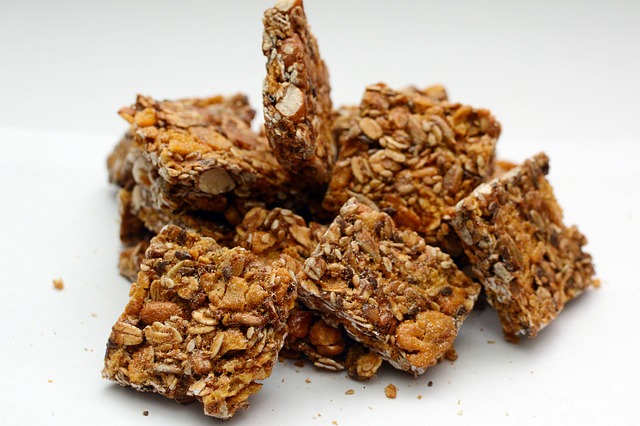
Strategically incorporating high-fiber foods into your evening routine can be an effective, evidence-based strategy for managing hunger and promoting satiety. The physiological mechanism is well-supported: dietary fiber, particularly soluble fiber, slows gastric emptying and nutrient absorption, which helps stabilize blood glucose levels and prolongs the feeling of fullness. This can directly counteract the sharp dips in blood sugar and subsequent cravings that often occur in the late afternoon or evening.
To integrate this approach effectively, consider the following practical steps:
- Plan a Fiber-Rich Snack: Schedule a small, intentional snack about 60-90 minutes before your typical craving window. This proactive step can prevent reactive overeating later.
- Prioritize Whole Food Sources: Opt for foods like a small apple with a tablespoon of almond butter, a handful of berries with plain Greek yogurt, or raw vegetables with hummus. These provide a combination of fiber, protein, and healthy fats for sustained satiety.
- Modify Your Evening Meal: Ensure your dinner includes a significant source of fiber, such as a large portion of non-starchy vegetables, legumes like lentils or chickpeas, or whole grains like quinoa or barley. A meal starting with a broth-based vegetable soup can also promote fullness.
It is important to note that while the satiating effect of fiber is strongly supported by research, individual responses can vary based on gut microbiome composition and baseline diet. Increasing fiber intake should be done gradually to allow the gastrointestinal system to adapt and to minimize potential side effects like bloating or gas.
Clinical Consideration: Individuals with certain gastrointestinal conditions, such as Irritable Bowel Syndrome (IBS), inflammatory bowel disease (IBD), or a history of bowel obstructions, should approach significant dietary fiber changes with caution and under the guidance of a physician or registered dietitian. Those with kidney disease needing to manage potassium or phosphorus may need to select specific fiber sources. Always increase fluid intake concurrently with fiber to support its function.
The goal is not simply to add bulk but to create a sustainable eating pattern that supports metabolic health. Consistency in this practice, rather than perfection on any single evening, is key to recalibrating hunger signals and reducing the intensity and frequency of unplanned evening eating.
5. When to Seek Medical Advice for Appetite Issues

While dietary strategies like increasing fiber intake can be a helpful, evidence-based approach to managing evening cravings, they are not a substitute for professional medical evaluation. Appetite and eating patterns are complex physiological and psychological signals. Certain changes warrant a conversation with a healthcare provider to rule out underlying conditions.
You should consider scheduling an appointment with your primary care physician or a registered dietitian if you experience any of the following:
- Sudden or drastic changes in appetite: This includes a complete loss of appetite (anorexia) or an intense, unrelenting increase in hunger (polyphagia) that is new and unexplained.
- Unintentional weight change: Losing or gaining a significant amount of weight (e.g., more than 5% of body weight in 6-12 months) without trying is a key clinical sign that requires investigation.
- Cravings accompanied by other symptoms: Pay attention if cravings occur with symptoms like excessive thirst, frequent urination, fatigue, mood changes, digestive pain, or changes in bowel habits.
- Ineffectiveness of behavioral strategies: If consistent, balanced nutrition and lifestyle adjustments do not moderate cravings, an underlying issue may be present.
- Patterns suggestive of disordered eating: Feelings of loss of control around food, guilt or shame associated with eating, or compensatory behaviors (like purging or excessive exercise) require immediate evaluation by a mental health professional specializing in eating disorders.
Clinical Perspective: From a diagnostic standpoint, persistent appetite dysregulation can be a symptom of various conditions. These include endocrine disorders (like diabetes or thyroid dysfunction), gastrointestinal diseases, mood disorders (such as depression or anxiety), sleep disorders, and certain nutrient deficiencies. A clinician will typically take a detailed history, possibly order lab tests, and consider medication side effects to form a differential diagnosis. It is a responsible step to seek advice before attributing significant appetite changes solely to willpower or diet composition.
Who should be particularly cautious: Individuals with pre-existing conditions such as diabetes, kidney disease, gastrointestinal disorders (e.g., IBS, IBD), or a history of eating disorders should consult their doctor or dietitian before making significant dietary changes, even with healthy foods like high-fiber ingredients. Sudden large increases in fiber can cause discomfort or interact with certain medical conditions.
In summary, using high-fiber foods to manage cravings is a supportive tactic within a holistic health approach. However, it is not a diagnostic or therapeutic tool. Professional medical advice is essential to ensure that changes in appetite are not signs of a condition that requires specific treatment.
6. Questions & Expert Insights
Can eating high-fiber foods in the evening really stop cravings?
High-fiber foods can be a helpful tool for managing evening cravings, but they are not a guaranteed "off switch." The mechanism is supported by physiology: fiber slows gastric emptying and promotes the release of satiety hormones like GLP-1 and PYY, which can help you feel fuller for longer. Soluble fiber, in particular (found in oats, legumes, and chia seeds), forms a gel in the gut that further slows digestion. However, cravings are complex and influenced by factors like stress, sleep, hydration, and overall dietary patterns throughout the day. Relying solely on a single high-fiber snack without addressing other lifestyle factors may yield inconsistent results. The evidence is strongest for fiber's role in general appetite regulation rather than as a targeted, immediate craving solution.
Are there any risks or side effects from suddenly increasing my fiber intake?
Yes, a rapid increase in dietary fiber can cause significant gastrointestinal discomfort, including bloating, gas, cramping, and either constipation or diarrhea. This is especially true if fluid intake is not proportionally increased, as fiber needs water to move through the digestive tract effectively. Individuals with certain medical conditions should be particularly cautious or avoid drastic changes without medical supervision. This includes people with active inflammatory bowel disease (IBD), intestinal strictures, or a history of bowel obstructions. Those with irritable bowel syndrome (IBS) may need to be selective with high-FODMAP fiber sources like beans, onions, or certain fruits. The key is to increase fiber intake gradually over several weeks while drinking plenty of water.
When should I talk to a doctor about my persistent evening cravings?
You should consult a physician or a registered dietitian if cravings are intense, uncontrollable, and significantly impact your quality of life or health goals. This is particularly important if they are accompanied by other symptoms like excessive thirst, frequent urination (which could signal blood sugar dysregulation), significant mood changes, or extreme fatigue. Before your appointment, prepare a brief log noting: 1) the timing and nature of cravings, 2) your typical daily food and fluid intake, 3) your sleep schedule and stress levels, and 4) any medications or supplements you take. This data helps differentiate between simple habit, nutritional gaps, and potential underlying issues like insulin resistance, hormonal imbalances, or sleep disorders.
Is the fiber in these recipes enough, or do I need a supplement?
For most individuals, obtaining fiber from whole foods like those in the recipes is superior to supplementation. Whole foods provide a synergistic mix of fiber types, vitamins, minerals, and phytonutrients that work together. Fiber supplements (like psyllium or inulin) can be useful therapeutic tools for specific, diagnosed conditions like constipation or to help manage cholesterol under medical guidance, but they are not a blanket substitute for a fiber-rich diet. Relying on supplements may cause you to miss other beneficial compounds in food. The general recommendation is to aim for 25-38 grams of fiber daily from dietary sources. If you struggle to meet this through food consistently, discussing the possibility of a short-term, targeted supplement with a healthcare provider is more prudent than self-prescribing.
7. In-site article recommendations
8. External article recommendations
9. External resources
The links below point to reputable medical and evidence-based resources that can be used for further reading. Always interpret them in the context of your own situation and your clinician’s advice.
-
healthline healthline.comhigh-fiber recipes – Healthline (search)
-
mayoclinic mayoclinic.orghigh-fiber recipes – Mayo Clinic (search)
-
wikipedia wikipedia.orghigh-fiber recipes – Wikipedia (search)
These external resources are maintained by third-party organisations. Their content does not represent the editorial position of this site and is provided solely to support readers in accessing additional professional information.