
1. Introduction to High-Protein Diets for Sustained Energy and Appetite Control

In the landscape of nutritional science, protein holds a distinct and well-researched position for its role in metabolic function, satiety, and body composition. This chapter provides a foundational, evidence-based overview of how incorporating adequate protein into your daily meals can support sustained energy levels and help manage appetite, particularly the cravings that often emerge later in the day.
The physiological rationale is supported by robust evidence. Protein has a higher thermic effect of food (TEF) compared to carbohydrates and fats, meaning the body expends more energy to digest, absorb, and process it. More significantly, protein is highly satiating. It stimulates the release of gut hormones like peptide YY (PYY) and glucagon-like peptide-1 (GLP-1), which signal fullness to the brain. This can lead to a natural reduction in overall caloric intake and a decreased desire for unplanned snacking.
- Sustained Energy: By promoting stable blood sugar levels and slowing gastric emptying, protein helps prevent the rapid spikes and crashes in energy associated with high-carbohydrate, low-fiber meals.
- Appetite Control: The satiating effect of protein is one of the most consistent findings in nutritional research. Consuming protein at breakfast and lunch, for instance, is associated with reduced hunger and lower calorie intake at subsequent meals.
- Muscle Preservation: Adequate protein intake is crucial for maintaining lean muscle mass, which is metabolically active and contributes to a higher resting metabolic rate.
It is important to contextualize this evidence. While the benefits for satiety and metabolic rate are strong, the long-term efficacy of a high-protein diet for weight management is mixed and highly dependent on overall diet quality, caloric balance, and individual adherence. "High-protein" is not a license for unlimited consumption of fatty meats or processed foods; the source and accompanying nutrients matter profoundly.
Clinical Perspective: From a clinical standpoint, we view protein as a key lever for modulating hunger and supporting metabolic health. However, the term "high-protein" is relative. For most healthy adults, aiming for 1.2 to 2.0 grams of protein per kilogram of body weight per day is a common evidence-based range for those focused on satiety and body composition, with intake spread evenly across meals. This differs markedly from standard dietary patterns.
Who Should Exercise Caution: Individuals with pre-existing kidney disease should not increase protein intake without consulting their nephrologist. Those with liver disease or certain metabolic disorders should also seek personalized medical advice. Furthermore, an obsessive focus on macronutrients can be detrimental for individuals with or in recovery from eating disorders.
The recipes that follow are designed to translate this science into practical, balanced meals. They emphasize lean protein sources, fiber, and healthy fats to create a synergistic effect for energy and fullness. As with any dietary change, it is prudent to discuss significant shifts in your eating pattern with a physician or a registered dietitian, especially if you have underlying health conditions.
2. Evidence-Based Mechanisms: How Protein Affects Satiety and Metabolism
Incorporating adequate protein into your meals is a cornerstone of nutritional strategies for weight management and appetite control. Its effectiveness is not anecdotal; it is grounded in well-researched physiological mechanisms that influence both short-term satiety and long-term metabolic regulation.
Hormonal Regulation of Appetite
Protein consumption triggers a more potent release of satiety hormones compared to carbohydrates or fats. Key hormones involved include:
- Peptide YY (PYY) and Glucagon-Like Peptide-1 (GLP-1): Released from the gut in response to protein, these hormones signal directly to the brain's appetite centers to promote feelings of fullness and reduce hunger.
- Ghrelin: Often called the "hunger hormone," ghrelin levels are suppressed more effectively by protein, leading to a prolonged reduction in appetite signals.
This hormonal profile helps explain why a protein-rich breakfast or lunch can significantly curb the desire for unplanned snacking later in the day.
The Thermic Effect of Food and Metabolic Advantages
Protein requires more energy to digest, absorb, and metabolize than other macronutrients—a process known as the thermic effect of food (TEF). The TEF for protein is estimated at 20-30%, compared to 5-10% for carbohydrates and 0-3% for fats. This means a portion of the calories from protein is "spent" during its own processing, contributing to a slight metabolic advantage and supporting energy balance.
Clinical Insight: While the satiety effect of protein is strongly supported, its impact on long-term weight loss is multifactorial. Success depends on overall caloric intake, diet quality, and individual metabolic health. Protein is a powerful tool within a balanced diet, not a standalone solution.
Muscle Protein Synthesis and Body Composition
Adequate protein intake supports the maintenance and growth of lean muscle mass, especially when paired with resistance exercise. Muscle tissue is metabolically active, meaning it burns more calories at rest than fat tissue. Preserving muscle during weight loss helps sustain resting metabolic rate, which can otherwise decline, making long-term weight maintenance more challenging.
Cautions and Considerations
While increasing protein intake is safe for most healthy individuals, certain populations should exercise caution and consult a healthcare provider:
- Individuals with pre-existing kidney disease should not increase protein intake without medical supervision.
- Those with liver disease or specific metabolic disorders like phenylketonuria require tailored dietary guidance.
- Sudden, drastic increases in protein can cause digestive discomfort; gradual incorporation is advised.
The evidence strongly supports the role of protein in enhancing satiety and offering a modest metabolic boost. Integrating it thoughtfully into meals, as shown in the accompanying recipes, can be a practical and effective strategy for managing daily energy and cravings.
3. Risks and Contraindications: Who Should Avoid High-Protein Diets
While increasing protein intake can be beneficial for many, it is not universally appropriate. A high-protein dietary pattern, particularly one that significantly exceeds standard recommendations, can pose risks for individuals with specific pre-existing health conditions. It is crucial to distinguish between a diet rich in protein from whole foods and a very-high-protein regimen that may displace other essential nutrients.
Individuals with Pre-Existing Kidney Conditions
The strongest evidence for caution applies to those with diagnosed kidney disease. In healthy individuals, the kidneys efficiently process the nitrogenous waste products from protein metabolism. However, in the context of chronic kidney disease (CKD), a high protein load can accelerate the decline of renal function by increasing glomerular pressure and filtration workload. For patients with CKD, especially stages 3-5, protein intake is typically medically managed and restricted.
Other Populations Requiring Caution
Several other groups should approach a significant increase in protein with caution and seek professional guidance:
- Individuals with Liver Disease: Impaired liver function can hinder the metabolism of protein and ammonia, potentially leading to harmful buildup.
- Those with Certain Metabolic Disorders: Conditions like phenylketonuria (PKU) or other inborn errors of metabolism require strict, lifelong protein restriction and management by a specialist.
- People with a History of Eating Disorders: A focus on macronutrient tracking and "clean" eating can sometimes trigger or exacerbate disordered eating patterns.
- Older Adults with Specific Health Issues: While protein needs often increase with age, those with multiple chronic conditions or acute illnesses must balance protein intake with other dietary and medical considerations.
Potential General Side Effects and Limitations
Evidence for general side effects is mixed and often dose- and individual-dependent. Potential issues, particularly with very high intakes or certain protein sources, can include:
- Digestive Discomfort: Constipation or diarrhea, especially if fiber and fluid intake are not concurrently increased.
- Nutrient Displacement: Over-focusing on protein may lead to inadequate intake of fiber, antioxidants, and phytonutrients found in fruits, vegetables, and whole grains.
- Dehydration Risk: Processing higher protein amounts increases water needs; inadequate hydration can strain renal function.
The key takeaway is that a personalized approach is essential. If you have any chronic health condition, are pregnant or breastfeeding, or take regular medications, consulting with a physician or a registered dietitian before making substantial dietary changes is a prudent and necessary step.
4. Practical Takeaways: Incorporating High-Protein Recipes into Daily Life
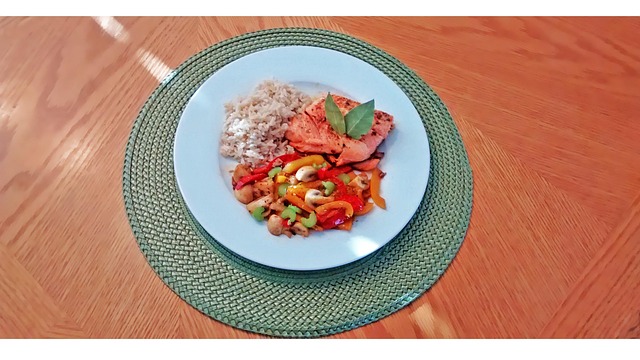
Successfully integrating high-protein meals into your routine requires a strategic, sustainable approach. The goal is to leverage the satiating effects of protein to support energy levels and appetite regulation, not to create a rigid or restrictive diet. The evidence for protein's role in promoting satiety and supporting lean mass is robust, but its application must be tailored to the individual.
Begin with a practical assessment of your current habits. Identify one meal where increasing protein would be most feasible, such as breakfast or lunch. Consistently starting your day with a protein-rich meal, for example, is a strategy supported by observational data suggesting it can help modulate appetite and reduce impulsive snacking later in the day.
Key Implementation Strategies
- Batch Preparation: Dedicate time to prepare core protein components—like grilled chicken, hard-boiled eggs, or lentils—to assemble quick meals throughout the week.
- Smart Substitutions: Incrementally increase protein density by adding Greek yogurt to smoothies, using cottage cheese in dips, or choosing legumes as a base for salads.
- Balanced Plating: Aim for a visual and nutritional balance. Fill half your plate with non-starchy vegetables, one-quarter with a quality protein source, and one-quarter with complex carbohydrates or healthy fats.
Clinical Perspective: While increasing dietary protein is generally safe for healthy individuals, it is not a one-size-fits-all solution. Patients with pre-existing kidney disease should not increase protein intake without explicit guidance from their nephrologist or dietitian. Those with liver disease or certain metabolic disorders should also consult a healthcare provider. For the general population, obtaining protein primarily from whole foods is preferable to heavy reliance on processed powders or bars.
Listen to your body's hunger and fullness cues. The purpose of these recipes is to provide sustained fuel, not to mandate eating when not hungry. If evening cravings persist despite adequate daytime protein and calorie intake, consider non-dietary factors such as stress, sleep quality, or hydration.
Finally, view this as a long-term lifestyle adjustment rather than a short-term tactic. Flexibility is essential; some days will align perfectly with your plan, while others will not. The consistent practice of prioritizing protein at meals, supported by strong evidence for its metabolic benefits, is what yields sustainable results for weight management and overall dietary quality.
5. Safety Considerations and When to Consult a Healthcare Provider
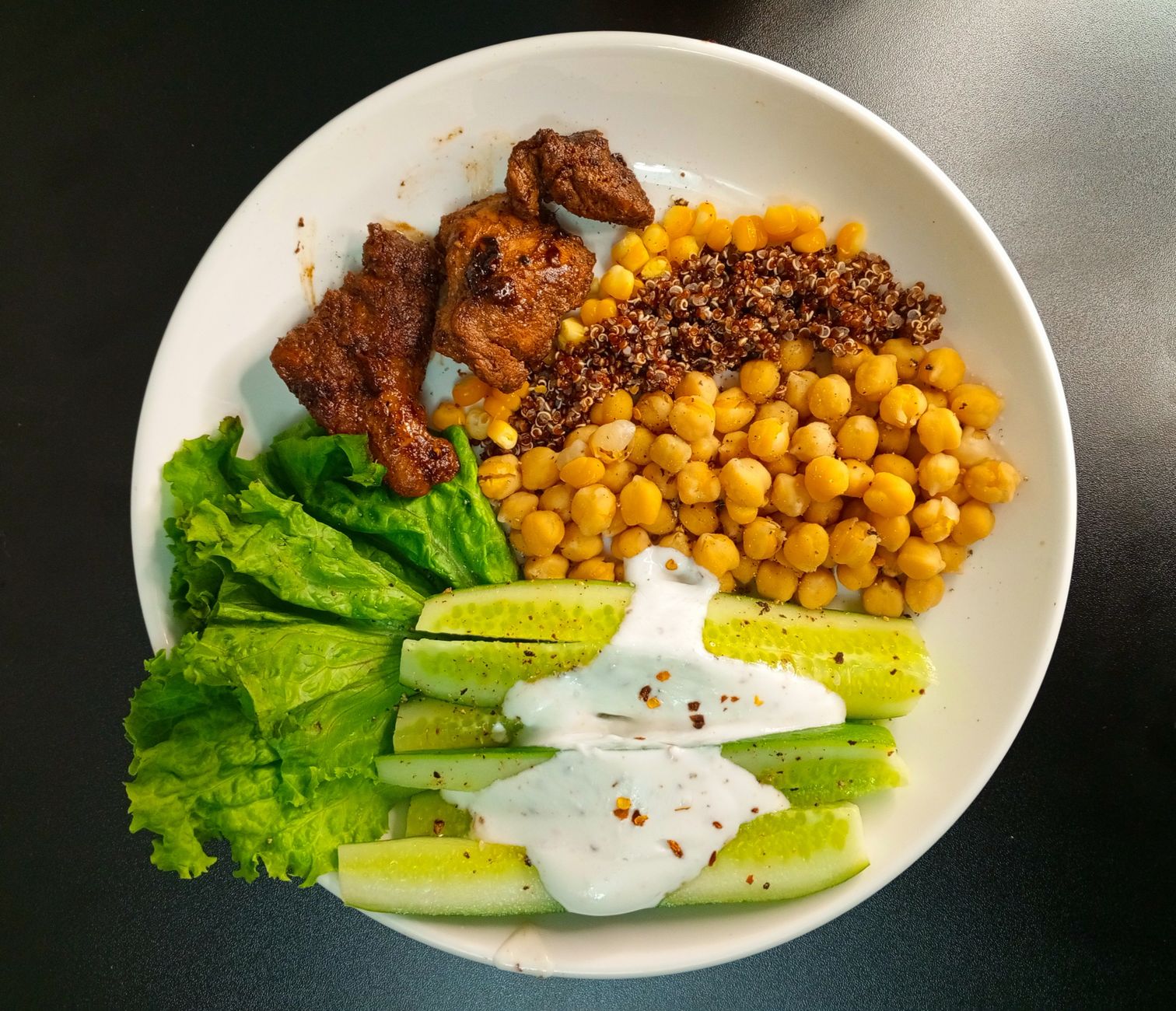
While increasing dietary protein can be a beneficial strategy for satiety and muscle maintenance, it is not a universally appropriate intervention. A responsible approach requires understanding individual health contexts and potential risks.
Key Populations Requiring Caution
Individuals with pre-existing medical conditions should exercise particular caution and consult a healthcare provider before significantly altering their protein intake. Key groups include:
- Chronic Kidney Disease (CKD): High protein intake increases glomerular filtration rate and may accelerate the decline of kidney function in those with established CKD. A registered dietitian or nephrologist can determine a safe, individualized protein target.
- Liver Disease: Impaired liver function can affect protein metabolism and ammonia clearance. Protein needs must be carefully managed by a hepatologist or specialist dietitian.
- History of Eating Disorders: Focusing on macronutrient tracking or "clean" high-protein foods can inadvertently trigger restrictive or obsessive eating patterns. A mental health professional should guide any dietary changes.
Clinical Insight: In practice, we assess renal function (e.g., eGFR, albuminuria) before recommending high-protein diets, especially for patients with hypertension or diabetes, which are risk factors for kidney disease. The concern for healthy kidneys is minimal, but screening is a standard precaution.
Navigating Evidence and Practical Risks
The evidence supporting increased protein for satiety and weight management in healthy adults is robust. However, claims about its specific impact on "evening cravings" are more nuanced and can be influenced by individual psychology and overall diet quality.
Potential practical risks of a high-protein dietary shift include:
- Nutrient Displacement: Over-emphasizing protein may lead to inadequate intake of fiber, vitamins, and minerals from fruits, vegetables, and whole grains.
- Digestive Issues: A sudden, large increase can cause bloating, constipation, or discomfort, particularly if fluid and fiber intake are not concurrently increased.
- Drug Interactions: Patients on certain medications, like some anticoagulants or levodopa, may require consistent protein intake; significant changes should be discussed with a pharmacist or physician.
When to Consult a Healthcare Provider
You should seek personalized advice from a physician or a registered dietitian before making substantial dietary changes if you:
- Have any diagnosed chronic condition (especially kidney, liver, or cardiovascular disease).
- Are pregnant or breastfeeding.
- Take multiple prescription medications.
- Experience unexplained fatigue, changes in urination, or digestive distress when altering your diet.
- Are unsure about your personal protein requirements based on your age, activity level, and health status.
A professional can help integrate these recipes into a balanced, sustainable eating pattern that supports your long-term health goals without introducing unintended risks.
6. Questions & Expert Insights
Can a high-protein diet really help with evening cravings?
Evidence suggests that increasing protein intake can promote satiety and reduce overall calorie consumption, which may help manage cravings. Protein is more satiating than carbohydrates or fats, as it influences hormones like ghrelin (hunger hormone) and GLP-1 (satiety hormone). A meal with adequate protein can lead to a slower digestion rate and more stable blood sugar levels, potentially preventing the sharp dips that trigger cravings later in the day. However, the effect is individual and depends on your overall diet, activity level, and metabolic health. It's not a guaranteed "off-switch" for cravings, especially if they are driven by emotional or habitual factors. The recipes in the main article are designed to leverage this satiety effect, but they should be part of a balanced, whole-food diet for sustainable results.
Are there any risks or people who should avoid high-protein recipes?
Yes, certain individuals should exercise caution or avoid significantly increasing their protein intake without medical supervision. Those with diagnosed chronic kidney disease (CKD) or severely reduced kidney function are often advised to limit protein to reduce strain on the kidneys. People with liver disease or certain rare metabolic disorders (like phenylketonuria) also require specific protein management. Furthermore, a sudden, drastic increase in protein can cause digestive discomfort, such as bloating or constipation, especially if fiber and fluid intake are not also increased. Anyone with a history of eating disorders should approach any prescriptive dietary change, including a focus on "high-protein" foods, with extreme caution and under the guidance of a therapist and dietitian.
When should I talk to a doctor or dietitian about my diet and cravings?
Consult a healthcare professional if you have any pre-existing medical conditions (like kidney, liver, or heart disease), are pregnant or breastfeeding, or are on medication. It's also advisable to seek guidance if your cravings feel uncontrollable, are linked to significant emotional distress, or if you're considering a major, sustained dietary change. Before your appointment, prepare a 3-day food log detailing what, when, and how much you eat and drink, along with notes on your hunger and craving patterns. Bring a list of your current medications and supplements. This information will help your doctor or registered dietitian provide personalized, safe, and effective advice that considers your full health picture, rather than offering generic recommendations.
Is there an optimal amount of protein per meal, and can you have too much?
Research on the precise "optimal" protein per meal for muscle synthesis and satiety suggests a range of 20-40 grams for most adults, though this varies by body size, age, and activity level. The concept of a maximum usable amount per meal is debated; while the body can utilize more than 40 grams over time, extremely high single doses (e.g., 70+ grams) may not provide additional acute benefits for muscle building and could be oxidized for energy or stored. "Too much" protein is generally defined in the context of an individual's overall health. For a healthy person, consistently consuming protein at levels significantly above recommended dietary allowances (e.g., >2g/kg body weight) long-term may pose risks, such as displacing other essential nutrients from fruits, vegetables, and whole grains. Balance and moderation, tailored to your personal needs, are key.
7. In-site article recommendations
8. External article recommendations
9. External resources
The links below point to reputable medical and evidence-based resources that can be used for further reading. Always interpret them in the context of your own situation and your clinician’s advice.
-
drugs drugs.comhigh-protein recipes – Drugs.com (search)
-
healthline healthline.comhigh-protein recipes – Healthline (search)
-
mayoclinic mayoclinic.orghigh-protein recipes – Mayo Clinic (search)
These external resources are maintained by third-party organisations. Their content does not represent the editorial position of this site and is provided solely to support readers in accessing additional professional information.